Deep-Link Cart Retrieval Emails for Shopify Automation
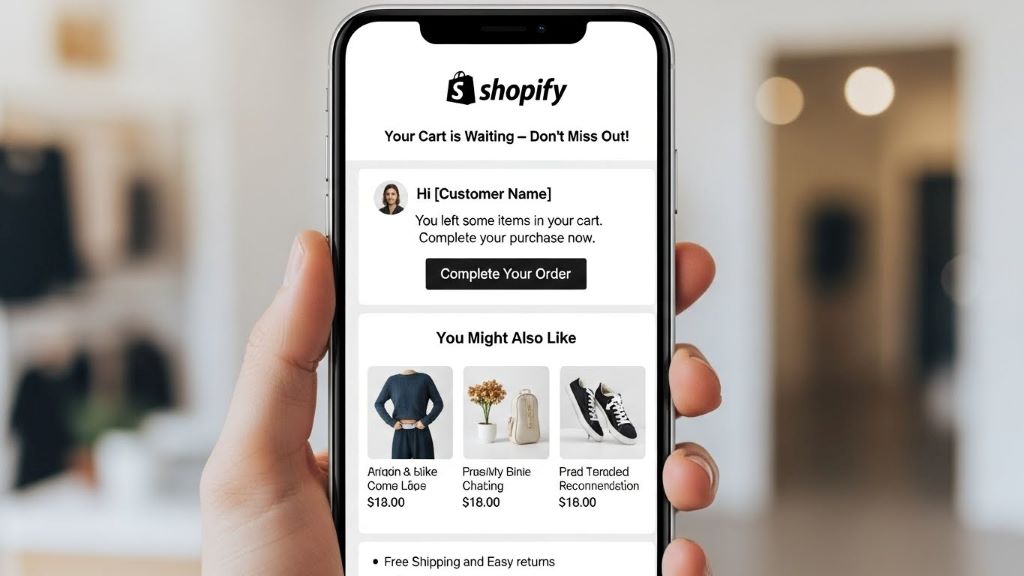
E-commerce businesses lose billions of dollars every year to abandoned shopping carts. Studies show that nearly 70% of online shoppers leave items in their carts without completing a purchase. However, smart merchants are fighting back with automated solutions. Seller Spike offers powerful tools that help Shopify store owners recover lost sales through intelligent email automation strategies.
Cart abandonment remains one of the biggest challenges facing online retailers today. Customers add products to their carts but leave before checkout for various reasons. They might get distracted, compare prices elsewhere, or simply change their minds. Therefore, having an effective recovery system becomes essential for maintaining healthy revenue streams.
Modern automated abandoned cart recovery emails for Shopify stores use deep-link technology to create seamless shopping experiences. These emails don’t just remind customers about forgotten items. Instead, they transport shoppers directly back to their pre-filled carts with a single click. This approach removes friction from the buying process and significantly increases conversion rates.
Understanding Deep-Link Technology in Cart Recovery
Deep-link cart retrieval represents a significant advancement in e-commerce email marketing. Traditional abandoned cart emails simply remind customers about left-behind items. Additionally, they might include product images or basic discount codes. Deep-link technology takes this concept much further.
When customers click a deep-link in their recovery email, they bypass multiple steps. The link remembers their selected items, preferred quantities, and chosen variants. Consequently, shoppers land directly on a checkout page with everything ready to purchase. This streamlined process eliminates the need to search for products again or recreate their original selections.
The technology works by generating unique URLs that contain encrypted cart information. These URLs remain active for specific timeframes, typically ranging from a few days to several weeks. Moreover, the system tracks which emails get opened and which links get clicked, providing valuable insights into customer behavior.
Benefits of Automated Cart Recovery Systems
Automation transforms cart recovery from a manual task into a powerful revenue-generation machine. Store owners no longer need to manually identify abandoned carts or craft individual follow-up emails. Instead, the system handles everything automatically based on predefined rules and triggers.
First, automated systems respond instantly. Within minutes or hours of cart abandonment, the first email reaches the customer’s inbox. This quick response increases the likelihood of recovery because the shopping intent remains fresh. Research from the Baymard Institute indicates that sending the first recovery email within one hour can boost conversion rates by up to 6.3%.
Second, automation enables sophisticated multi-email sequences. The first email might arrive one hour after abandonment with a gentle reminder. The second could follow 24 hours later with a small discount incentive. A third email might appear after 72 hours with a stronger offer or free shipping. Each touchpoint increases the chances of winning back the sale.
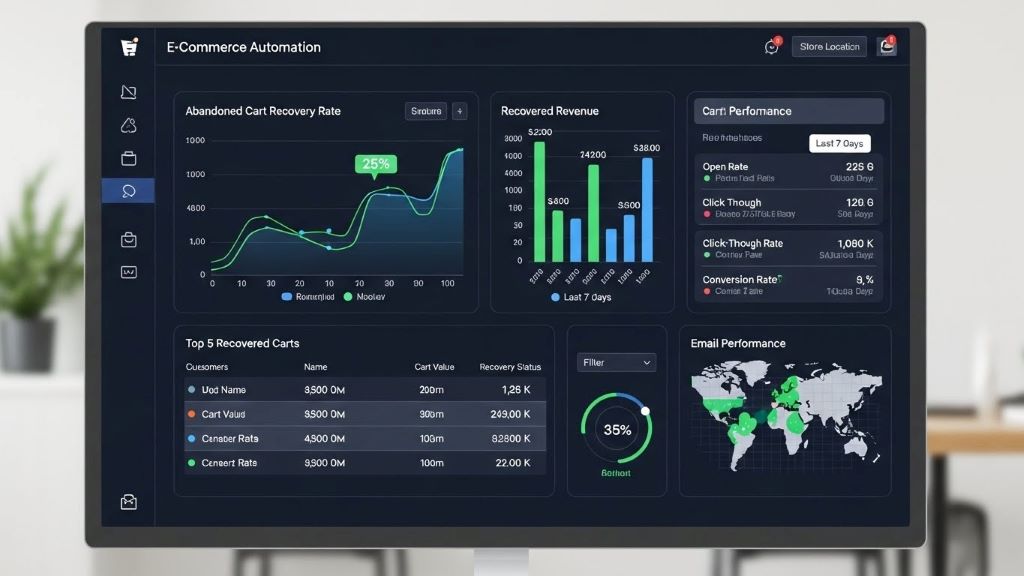
Third, these systems provide detailed analytics and reporting. Merchants can track open rates, click-through rates, and recovery rates for each email in their sequence. Therefore, they can continuously optimize their messaging, timing, and incentive strategies based on real performance data.
Setting Up WellSaid AI Vocal Cloning for Enterprise Communications
Voice technology is revolutionizing how enterprises communicate with customers. WellSaid AI offers vocal cloning capabilities that allow businesses to create consistent, professional audio content at scale. This technology proves particularly valuable for large organizations managing multiple brands or international markets.
The setup process begins with voice selection and customization. Enterprises can choose from WellSaid’s library of professional voice talents or create custom voice clones. Custom voices require submitting high-quality audio samples, typically 30-60 minutes of recorded speech. The AI analyzes these recordings to capture unique vocal characteristics, including tone, pace, and pronunciation patterns.
Next, organizations integrate the voice technology into their content workflow. WellSaid provides API access that connects with existing marketing automation platforms. This integration allows teams to generate audio content directly from text scripts without manual recording sessions. Consequently, businesses can produce hundreds of personalized voice messages in the time it would take to record just a few manually.
Enterprise implementations often include multiple user roles and approval workflows. Marketing teams can draft scripts, creative directors can review content, and brand managers can ensure consistency across all audio outputs. The platform also supports multiple languages, making it ideal for global operations.
Best Practices for Shopify Cart Recovery Emails
Crafting effective cart recovery emails requires attention to several key elements. The subject line determines whether customers open the email at all. Simple, direct subject lines typically outperform clever or cryptic ones. Examples include “You left something behind” or “Your cart is waiting for you.”
Email timing plays a crucial role in recovery success. The first email should arrive quickly, within one to three hours of abandonment. This timing catches customers while they still remember browsing your store. However, avoid sending emails too late at night, as they might get buried under morning inbox clutter.
Personalization increases engagement significantly. Use the customer’s name in the greeting. Show clear images of the abandoned products. Display accurate pricing, including any applicable discounts or shipping costs. Additionally, consider including customer reviews or ratings for the abandoned items to reinforce purchase decisions.
Incentives can tip the scales toward conversion, but use them strategically. Not every recovery email needs a discount. Start with a simple reminder. If that doesn’t work, try adding free shipping. Save percentage discounts for the third or final email in your sequence. This graduated approach prevents training customers to always wait for discounts.
Mobile optimization is non-negotiable. According to Statista, mobile devices account for over 60% of e-commerce traffic. Your recovery emails must display perfectly on smartphones. Use responsive design, large buttons, and easily tappable links. Test emails on multiple devices before launching campaigns.
Technical Implementation for Shopify Stores
Implementing cart recovery automation on Shopify involves several technical steps. Fortunately, the platform’s extensive app ecosystem makes the process straightforward for most merchants. Many solutions integrate directly with Shopify’s native checkout system, requiring minimal technical knowledge.
The first step involves selecting the right automation tool. Shopify’s App Store features dozens of abandoned cart recovery apps with varying capabilities. Look for solutions that offer deep-link functionality, multi-email sequences, and detailed analytics. Read reviews from other merchants and consider starting with free trials to test functionality.
Once you’ve chosen a tool, installation typically requires just a few clicks. Most apps use Shopify’s standard app installation process. After installation, you’ll need to customize your email templates. Many apps provide pre-built templates that you can modify with your brand colors, logos, and messaging.
Configuration includes setting your email sequence timing. Decide when each email should send and what content it should include. Test your sequences thoroughly before activating them for all customers. Send test emails to yourself and colleagues to verify that deep links work correctly and emails display properly across different email clients.
Integration with other marketing tools enhances functionality. Connect your cart recovery system with your CRM, analytics platform, and advertising accounts. This integration enables retargeting campaigns that complement your email efforts. For example, customers who don’t respond to emails might see ads for their abandoned products on social media.
Measuring Success and Optimizing Performance
Tracking the right metrics helps you understand and improve your cart recovery performance. The recovery rate stands as the most important metric. It shows what percentage of abandoned carts convert into completed purchases after receiving recovery emails. Industry averages hover around 10-15%, but well-optimized campaigns can achieve 20% or higher.
Email open rates indicate how compelling your subject lines are. Aim for open rates above 40%. If your opens fall below this threshold, experiment with different subject line approaches. Test questions versus statements, urgency versus curiosity, and personalization versus generic messaging.
Click-through rates measure how many recipients click the deep link back to their cart. Strong campaigns achieve click rates of 20-30%. Low click rates might indicate problems with email content, unclear calls-to-action, or poor mobile optimization.
Revenue per email sent provides the ultimate measure of campaign value. Calculate this by dividing total recovered revenue by the number of recovery emails sent. This metric helps justify the cost of your automation tools and guides budget allocation decisions.
A/B testing drives continuous improvement. Test one element at a time to isolate what works. Try different discount amounts, email timing variations, or alternative email designs. Run tests long enough to gather statistically significant data before making permanent changes.
Conclusion
Deep-link cart retrieval emails represent a powerful weapon in the fight against cart abandonment. These automated systems work tirelessly to recover lost sales while requiring minimal ongoing management. By combining smart technology with strategic email sequences, Shopify merchants can recapture a significant portion of abandoned revenue.
Success requires choosing the right tools, implementing best practices, and continuously optimizing based on performance data. The investment in cart recovery automation typically pays for itself many times over through increased sales and improved customer lifetime value. Therefore, every serious Shopify merchant should prioritize implementing an effective cart recovery strategy.
Frequently Asked Questions
What is the average cart abandonment rate for Shopify stores?
The average cart abandonment rate across e-commerce platforms ranges from 65-70%. Shopify stores typically experience similar rates, though this varies by industry, product type, and average order value.
How many recovery emails should I send to abandoned cart customers?
Most successful campaigns use 2-4 emails spaced over 3-7 days. Start with a reminder after 1-3 hours, follow up after 24 hours, and send a final email with a stronger incentive after 48-72 hours.
Do I need to offer discounts in cart recovery emails?
No, discounts aren’t always necessary. Many customers complete purchases after simple reminders. Reserve discounts for later emails in your sequence to avoid conditioning customers to always wait for deals.
Can cart recovery emails be sent to customers who haven’t opted into marketing?
Yes, in most jurisdictions, transactional emails related to abandoned carts are permitted even without explicit marketing consent. However, always check local regulations and privacy laws applicable to your business.
How quickly should I send the first abandoned cart email?
Send your first recovery email within 1-3 hours of cart abandonment. This timing catches customers while their shopping intent remains strong, significantly increasing conversion likelihood compared to longer delays.
Related Topics: