How to Choose Diamond Alternatives for Engagement Rings
Choosing an engagement ring is one of the most significant decisions you’ll make when planning a proposal. While diamonds have traditionally dominated this space, many couples today are exploring other options that offer unique beauty, ethical sourcing, and exceptional value. Understanding your choices helps you find a ring that perfectly represents your relationship while staying within your budget.
The jewelry industry has evolved considerably over recent years. More people now recognize that stunning engagement rings don’t necessarily require traditional diamonds. This shift has opened up a world of possibilities, allowing couples to express their individuality through distinctive gemstone choices.
Why Consider Alternatives to Traditional Diamonds
Several compelling reasons motivate couples to look beyond conventional diamond rings. Cost remains a primary consideration, as many alternative stones offer similar brilliance at a fraction of the price. This financial flexibility allows you to invest more in other aspects of your future together, such as a home, honeymoon, or wedding celebration.
Ethical concerns also drive this trend. Some couples prefer stones with transparent supply chains, avoiding the complicated history associated with diamond mining. Additionally, personal style plays a crucial role. Alternative stones come in various colors and characteristics, enabling you to create something truly unique that reflects your partner’s personality.
Environmental consciousness influences many modern consumers. Some alternatives have smaller ecological footprints compared to traditional diamond mining. Furthermore, choosing a less conventional stone demonstrates thoughtfulness and creativity, making your proposal even more memorable.
Popular Gemstone Alternatives Worth Considering
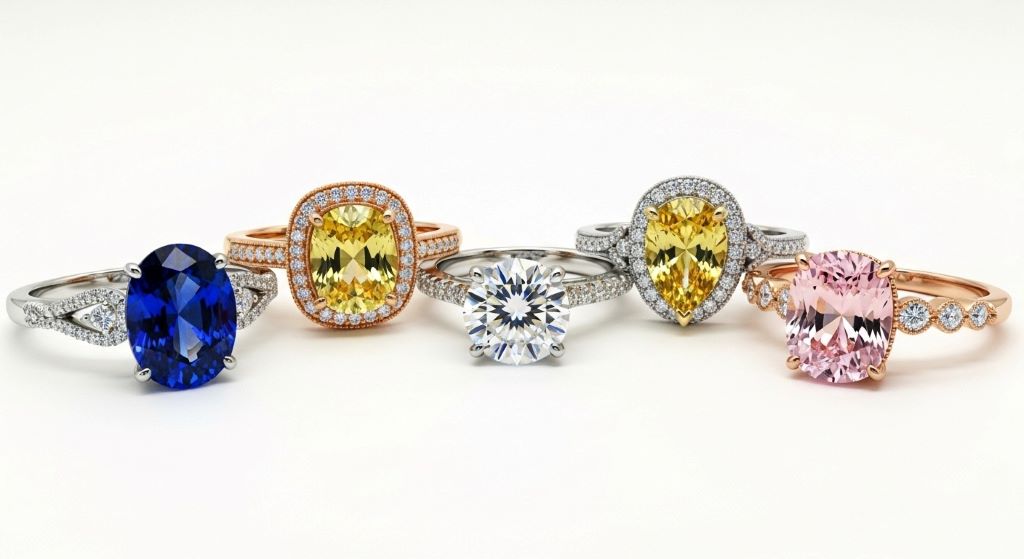
Moissanite stands as one of the most popular choices for non-diamond engagement rings. This lab-created stone exhibits exceptional brilliance, often surpassing diamonds in fire and sparkle. It ranks 9.25 on the Mohs hardness scale, making it durable enough for daily wear. Moissanite costs significantly less than diamonds while maintaining a similar appearance that most people cannot distinguish without professional equipment.
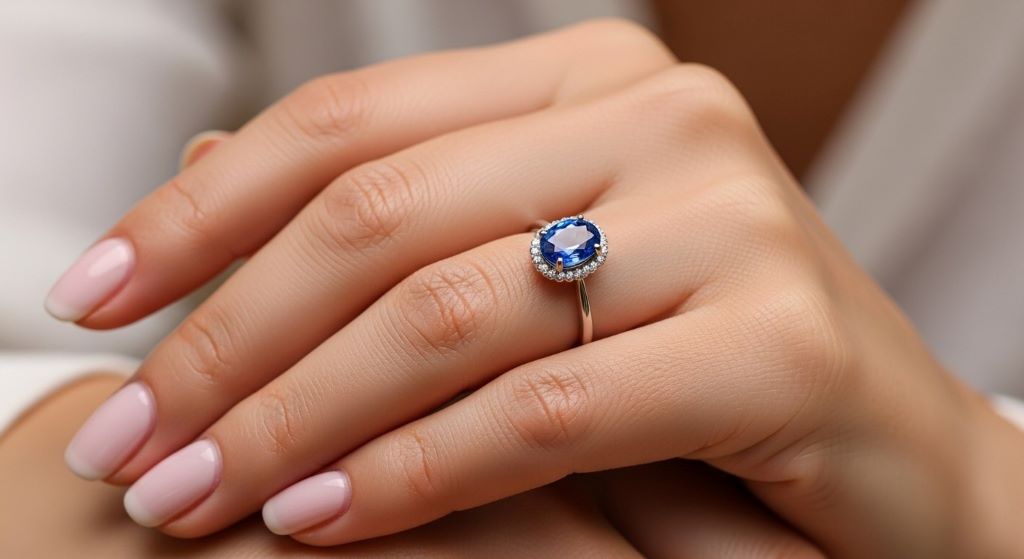
Sapphires offer another excellent option, particularly for those seeking color. While blue sapphires remain the most recognized, these stones come in pink, yellow, white, and even color-changing varieties. They rank 9 on the hardness scale, providing excellent durability. Royal history adds romance to sapphire rings, as evidenced by Princess Diana’s famous engagement ring, now worn by Catherine, Princess of Wales.
Morganite has gained tremendous popularity recently. This peachy-pink stone belongs to the beryl family, related to emeralds and aquamarines. Its soft, romantic hue appeals to those who appreciate vintage aesthetics. However, morganite ranks 7.5 to 8 on the hardness scale, requiring slightly more careful handling than harder alternatives.
Aquamarine presents a refreshing choice with its serene blue tones. This stone evokes ocean imagery and pairs beautifully with various metal types. Like morganite, it belongs to the beryl family and shares similar hardness characteristics. Its affordability and unique color make it increasingly popular among couples seeking something different.
Lab-grown diamonds deserve mention as well. While technically diamonds, they’re created in controlled environments rather than mined. These stones possess identical physical and chemical properties to natural diamonds but cost 30-40% less. They also offer improved ethical transparency and reduced environmental impact.
Understanding Durability and Hardness
Durability should guide your selection process, especially if your partner leads an active lifestyle or works with their hands. The Mohs hardness scale measures a mineral’s resistance to scratching, ranging from 1 (talc) to 10 (diamond). For engagement rings worn daily, experts generally recommend stones rating 7 or above.
Stones below 7 on the hardness scale, such as pearls (2.5-4.5) or opals (5.5-6.5), require extra care and protection. While beautiful, these softer materials may show wear over time with daily use. Consider protective settings or reserving these stones for special occasion jewelry rather than everyday engagement rings.
Toughness differs from hardness. This characteristic measures a stone’s resistance to breaking or chipping. For instance, jade ranks relatively low on the hardness scale but possesses excellent toughness due to its interlocking crystal structure. Conversely, diamonds rate highest for hardness but can chip if struck at certain angles.
Color Considerations for Alternative Stones
Color opens up creative possibilities beyond traditional clear stones. Many alternative stones naturally occur in various hues, allowing you to select something that resonates with your partner’s favorite colors or birth month. Colored stones can also complement different skin tones more flatteringly than colorless options.
When selecting colored stones, consider whether the hue will remain timeless. While trendy colors might appeal now, think about whether your partner will still love the choice decades from now. Classic colors like blue sapphire, emerald green, or soft pink tend to have enduring appeal across generations.
Lighting affects how stones appear. Some gemstones look different under natural sunlight versus indoor lighting. If possible, view your chosen stone in various lighting conditions before making a final decision. This ensures you understand how it will appear throughout daily wear.
Setting Styles That Enhance Alternative Stones
The right setting protects your chosen stone while showcasing its beauty. Bezel settings, where metal surrounds the stone’s perimeter, offer maximum protection for softer gemstones. This style works particularly well for stones rating below 8 on the hardness scale, preventing chips and scratches while creating a modern, sleek appearance.
Prong settings remain popular because they allow maximum light to enter the stone, enhancing brilliance. However, these settings expose more of the stone’s surface, making them better suited for harder materials. Four or six prongs typically provide adequate security while maintaining an elegant look.
Halo settings feature smaller stones surrounding the center gem, adding visual impact and protection. This style works beautifully with smaller center stones, making them appear larger while providing structural support. Halos can incorporate diamonds or other complementary gemstones to create stunning contrast.
Budget Planning for Alternative Engagement Rings
Alternative stones can dramatically reduce your ring budget without compromising quality or beauty. Moissanite, for example, costs approximately 90% less than comparable diamonds. This price difference allows you to select a larger stone, invest in a higher-quality setting, or save funds for other priorities.
However, remember that the setting and metal choice significantly impact total cost. Platinum settings cost more than white gold, while intricate designs require more labor and materials. Balance your stone choice with setting preferences to stay within budget while achieving your desired aesthetic.
Consider long-term value rather than just initial cost. Some alternative stones may require more maintenance or replacement over time. Factor in potential future costs when making your decision. Quality craftsmanship in the setting often proves more valuable than an expensive stone in a poorly constructed mount.
Caring for Different Stone Types
Each stone type requires specific care to maintain its beauty. Generally, avoid exposing rings to harsh chemicals, extreme temperatures, or rough activities. Remove your ring when cleaning, exercising, or performing manual work to prevent damage or loss.
Softer stones need professional cleaning rather than at-home methods. Ultrasonic cleaners, while effective for diamonds and sapphires, can damage softer or treated stones. Consult with your jeweler about appropriate cleaning methods for your specific stone type.
Regular professional inspections ensure prongs remain secure and stones stay properly seated. Schedule annual checkups with a qualified jeweler who can tighten settings, check for damage, and professionally clean your ring. This preventive maintenance extends your ring’s lifespan considerably.
Ethical and Environmental Factors
Many couples prioritize ethical sourcing when selecting engagement rings. Research the origin of your chosen stone and verify the seller’s transparency about their supply chain. Reputable jewelers should provide information about where and how stones were sourced or created.
Lab-created stones offer clear advantages in ethical considerations. These gems have documented origins and don’t involve mining-related human rights or environmental concerns. However, they still require energy for production, so consider brands that use renewable energy sources in their manufacturing processes.
Recycled or vintage stones present another ethical option. Antique engagement rings or repurposed gemstones reduce demand for newly mined materials while offering unique character and history. Many jewelers specialize in resetting vintage stones into contemporary designs.
Matching Stones to Personal Style
Your partner’s existing jewelry collection provides valuable clues about their preferences. Notice whether they gravitate toward yellow or white metals, classic or modern designs, and bold or delicate pieces. These observations help you select a stone and setting that aligns with their established taste.
Lifestyle considerations matter tremendously. Someone who works outdoors or with machinery needs an extremely durable stone and protective setting. Conversely, those with office jobs or less active lifestyles might successfully wear softer, more delicate stones without excessive wear.
Don’t overlook personality in your selection. Adventurous, bold personalities might appreciate unusual colored stones or unconventional settings. Traditional, classic individuals might prefer timeless choices like white sapphire or moissanite in elegant, simple settings.
Working with Jewelers on Custom Designs
Custom design allows you to create something perfectly suited to your partner’s preferences. Many jewelers offer consultation services where you can discuss options, view samples, and develop a unique design. This personalized approach ensures your ring becomes truly one-of-a-kind.
Communication proves essential when working with jewelers. Clearly express your budget, timeline, and vision. Bring inspiration photos, but remain open to professional suggestions. Experienced jewelers understand what works structurally and can help refine your ideas into a wearable reality.
Request 3D renderings or wax models before final production. These previews let you visualize the finished piece and make adjustments before committing to the final version. While custom pieces cost more than ready-made options, the result perfectly reflects your intentions.
Making Your Final Decision
Choosing among alternative stones requires balancing multiple factors: aesthetics, durability, cost, ethics, and personal meaning. Create a prioritized list of your most important criteria. This framework helps you evaluate options objectively when faced with beautiful choices that might otherwise overwhelm you.
Take your time with this decision. Unlike many purchases, engagement rings represent lifelong commitments. Rushing leads to regret, while thoughtful consideration results in satisfaction. Visit multiple jewelers, try on different styles, and sleep on your decision before making a final commitment.
Trust your instincts ultimately. If a particular stone or design resonates with you emotionally, that intuition matters. The best engagement ring creates joy every time your partner sees it, regardless of whether it follows traditional conventions or embraces contemporary alternatives.
Conclusion
Selecting alternative stones for engagement rings offers exciting opportunities to express individuality while making financially and ethically conscious choices. From brilliant moissanite to colorful sapphires, today’s couples enjoy unprecedented options beyond traditional diamonds. By considering factors like durability, personal style, budget, and ethical sourcing, you can find the perfect stone that symbolizes your unique relationship. Remember that the most meaningful engagement ring reflects your partner’s personality and your shared values, whether that involves diamonds or distinctive alternatives. Take time to research, consult with reputable jewelers, and choose thoughtfully to create a treasured symbol of your commitment.
Frequently Asked Questions
Will people be able to tell my engagement ring isn’t a diamond?
Most people cannot distinguish high-quality moissanite or white sapphire from diamonds without specialized equipment. The difference becomes more apparent with colored stones, but these are often chosen specifically for their distinctive appearance rather than to mimic diamonds.
How long do alternative stones last compared to diamonds?
Harder alternative stones like sapphires and moissanite can last for generations with proper care, similar to diamonds. Softer stones may show wear over decades of daily use but can be professionally repolished or replaced while keeping the original setting.
Are lab-created stones considered “fake” or inferior?
Lab-created gemstones are chemically and physically identical to their natural counterparts. They’re real stones created in controlled environments rather than mined. Many experts actually prefer them for their consistent quality, ethical sourcing, and environmental benefits.
Can I resize a ring with an alternative stone?
Most rings with alternative stones can be resized, though the process depends on the setting style and stone type. Bezel settings and certain delicate stones require more careful handling. Consult a professional jeweler experienced with your specific stone type.
Do alternative engagement rings hold their value?
Alternative stones generally don’t appreciate in value like rare natural diamonds might. However, since they cost significantly less initially, you’re not investing with resale in mind. The value lies in the ring’s personal meaning and the financial flexibility gained through your choice.
Related Topics:
Why Are Engagement Rings So Expensive?
What Can I Wear to Look Slim in a Wedding?