
How to Select the Best Fountain Pump for Indoor & Outdoor Features
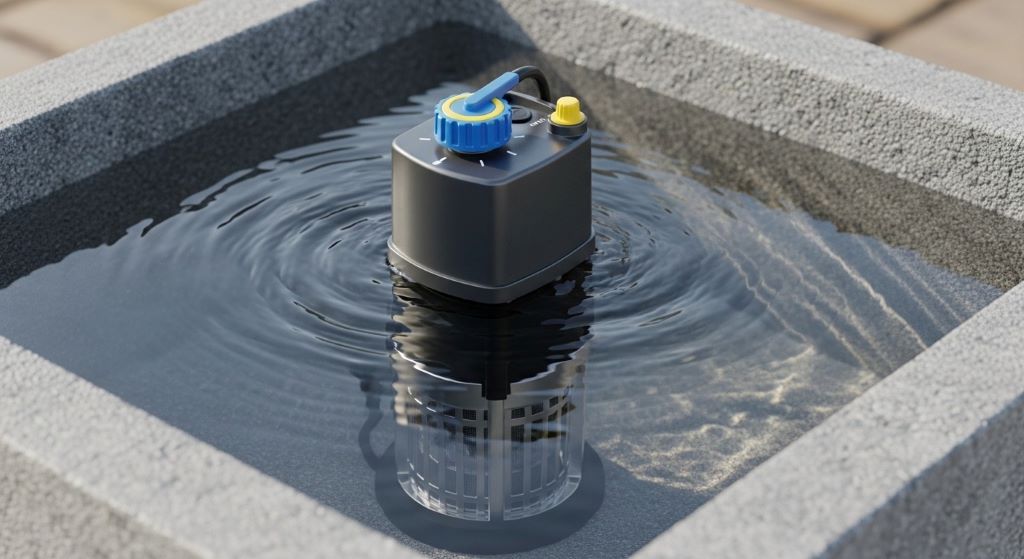
Water features add beauty, tranquility, and value to any space. Whether you’re planning a backyard fountain, indoor tabletop feature, or elaborate pond with waterfalls, choosing the right pump makes all the difference. The pump is the heart of your water feature, circulating water and creating the soothing sounds and visual appeal you desire.
However, selecting the perfect pump can feel overwhelming with so many options available. Different features require different specifications, and making the wrong choice can lead to poor performance, excessive noise, or equipment failure. This comprehensive guide will help you understand exactly what to consider when choosing a pump for your water feature.
Understanding How Fountain Pumps Work
Before diving into selection criteria, it’s helpful to understand the basics of how these pumps function. Fountain pumps are submersible devices that sit underwater in your feature. They draw water through an intake screen and push it through an outlet, creating circulation and flow.
Most pumps use magnetic drive technology, which is quieter and more energy-efficient than older direct-drive models. The motor spins an impeller, which creates the pressure needed to move water upward or through various fountain heads and spillways.
The pump’s performance depends on two main factors: flow rate and maximum lift height. Flow rate measures how much water moves through the pump per hour, typically expressed in gallons per hour (GPH) or liters per hour (LPH). Maximum lift height, also called head height, indicates how high the pump can push water vertically.
These two factors work inversely. As you increase the height water must travel, the flow rate decreases. Therefore, understanding both measurements is crucial for proper pump selection.
Calculating Your Water Feature Pump Size Requirements
Determining the correct water feature pump size starts with understanding your specific feature’s needs. Different types of features require different flow rates and pressure capabilities.
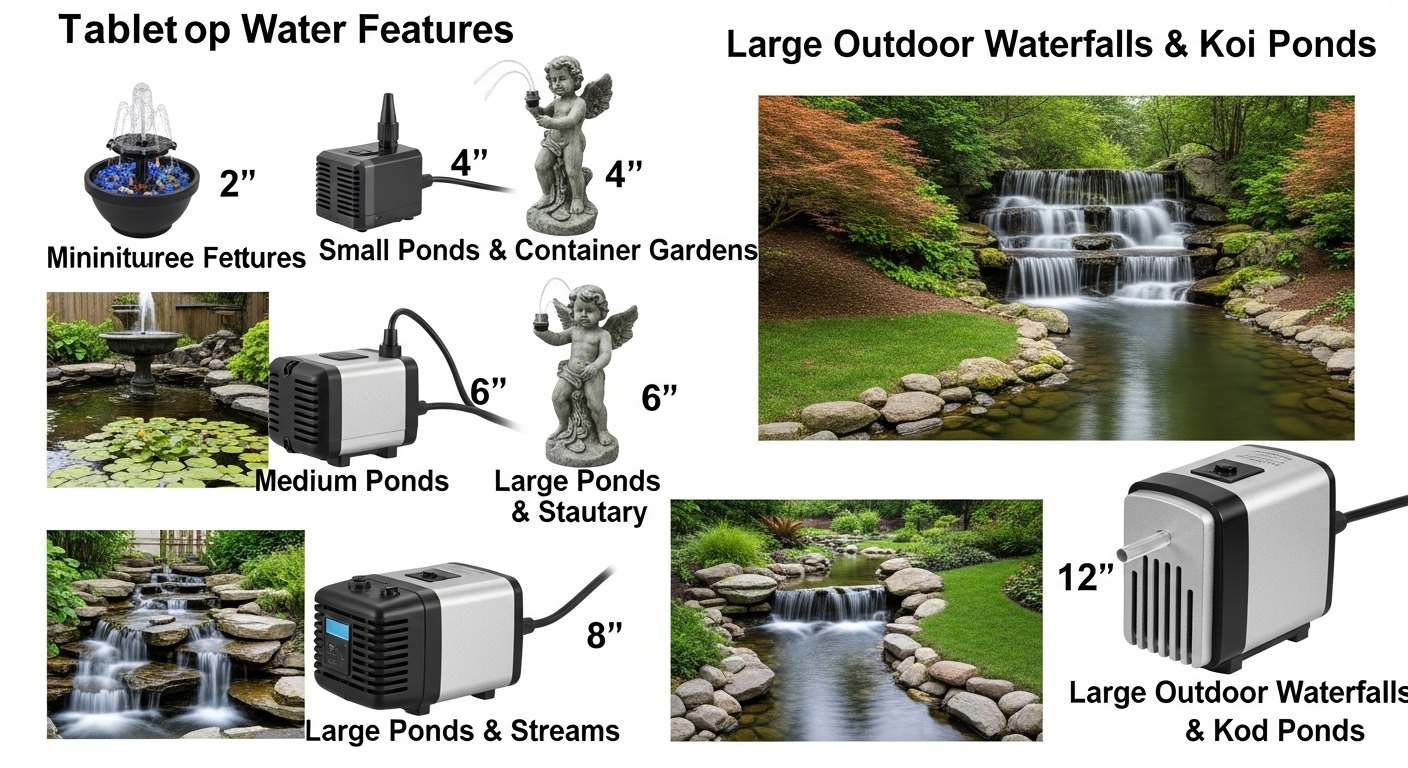
For fountain features, you’ll need to calculate the desired flow rate based on your fountain head or spray pattern. Manufacturers typically provide recommended GPH ranges for their fountain heads. A small bubbling fountain might only need 50 to 100 GPH, while a large tiered fountain could require 500 to 1000 GPH or more.
Waterfall features follow a different calculation method. The general rule suggests 100 GPH for every inch of waterfall spillway width. Therefore, a 12-inch wide waterfall would need at least 1200 GPH. However, for a more dramatic curtain effect, many people prefer 150 to 200 GPH per inch of width.
For pond circulation, the goal is typically to circulate the entire pond volume once per hour. Calculate your pond’s volume in gallons (length x width x average depth x 7.5 for rectangular ponds), then choose a pump that matches or slightly exceeds this number.
Height considerations significantly impact pump selection. Measure the vertical distance from where the pump sits to where water exits. Add extra for any horizontal piping, as every 10 feet of horizontal run equals approximately one foot of vertical lift.
Indoor Versus Outdoor Pump Considerations
The location of your water feature dramatically affects which pump characteristics matter most. Indoor and outdoor features have different priorities and challenges.
Indoor fountains prioritize quiet operation above almost everything else. Even a moderately noisy pump becomes annoying in a quiet living room or office space. Look for pumps specifically marketed as ultra-quiet or silent. Additionally, these pumps often include flow adjustment features, allowing you to fine-tune both the sound level and water flow.
Energy efficiency matters more for indoor features that typically run continuously. Calculate the pump’s wattage and estimate your monthly electricity cost. A slightly more expensive pump with lower energy consumption often pays for itself within a year or two.
Outdoor pumps face different challenges. Weather resistance becomes paramount. Even submersible pumps need protection from debris, leaves, and sediment. Many outdoor pumps include larger intake screens and can handle small debris particles without clogging.
Temperature fluctuations affect outdoor pumps significantly. If you live in an area with freezing winters, you’ll need to either winterize your feature or choose a pump rated for year-round operation. Some pumps handle cold better than others, so check manufacturer specifications for temperature ranges.
UV exposure can degrade plastic components over time. While the pump itself stays underwater, any above-water tubing or fountain heads should be UV-resistant to prevent cracking and deterioration.
Matching Pump Power to Feature Design
Different fountain and water feature designs demand specific pump characteristics. Understanding these relationships helps you avoid underpowered or overpowered situations.
Simple bubbling fountains and small tabletop features need gentle, consistent flow. A small fountain pump guide would typically recommend pumps in the 40 to 200 GPH range for these applications. These compact pumps consume minimal energy and produce gentle, soothing water movement.
Tiered fountains require more careful planning. Water must fill each tier before overflowing to the next level. Calculate the flow needed for each tier, then add them together. Remember that higher tiers need more pressure to reach them, so factor in the additional head height.
Spray fountains create patterns like bell shapes, foam jets, or rotating displays. Each spray pattern has specific pressure requirements. Too little flow produces a weak, disappointing spray. Too much can create excessive splashing and water loss. Always consult the fountain head manufacturer’s specifications.
Pondless waterfall features have become increasingly popular. These features recirculate water from a hidden reservoir rather than a visible pond. Because the water drops into a gravel-filled basin, you’ll need a pump powerful enough to overcome the resistance of pumping through the rock vault.
Statuary fountains with multiple outlets require adequate flow for all discharge points. If your statue has three spouts, each requiring 100 GPH, you’ll need at least 300 GPH total flow rate, plus extra to account for head height and friction loss.
Energy Efficiency and Operating Costs
Running a fountain pump continuously can impact your electricity bill. Therefore, selecting an energy-efficient model makes good financial sense.
Check the pump’s wattage rating, which indicates how much electricity it consumes. Smaller features might use pumps rated at 5 to 25 watts, while larger features could require 50 to 150 watts or more. To estimate monthly cost, multiply watts by hours of operation, divide by 1000 to get kilowatt-hours, then multiply by your electricity rate.
For example, a 50-watt pump running 24 hours daily uses 36 kilowatt-hours per month. At 12 cents per kilowatt-hour, that’s about four dollars monthly. While this seems modest, more powerful pumps can cost considerably more to operate.
Modern magnetic drive pumps are significantly more efficient than older direct-drive models. If you’re replacing an old pump, upgrading to a magnetic drive model can cut energy consumption in half while providing the same or better performance.
Variable speed pumps offer the ultimate in efficiency. These pumps let you adjust flow rates based on need. You might run them at full power during entertaining hours and reduce flow overnight or when you’re away. This flexibility can substantially reduce energy costs.
Solar-powered pumps provide an eco-friendly alternative for outdoor features. While initial costs are higher, they eliminate ongoing electricity expenses. However, solar pumps work best in locations with consistent sunlight and typically have lower maximum flow rates than electric pumps.
Pump Durability and Construction Quality
Not all pumps are created equal. Construction quality directly impacts longevity, reliability, and maintenance requirements.
Housing materials matter significantly. Pumps with ceramic or stainless steel shafts last longer than those with plastic components. Corrosion-resistant materials are especially important for outdoor features where mineral deposits and algae can cause deterioration.
The impeller design affects both performance and durability. Enclosed impellers handle dirty water better and are less likely to clog. Open impellers move more water but are more susceptible to debris damage. Consider your specific situation when choosing between these designs.
Seal quality prevents water from entering the motor housing. High-quality pumps use ceramic seals that resist wear and maintain integrity for years. Cheaper pumps might use rubber seals that degrade more quickly, especially in harsh conditions.
Cord length and quality shouldn’t be overlooked. Ensure the power cord reaches your outlet without requiring extension cords, which can be hazardous near water. Look for pumps with thick, well-insulated cords designed for outdoor use if your feature is outside.
Warranty coverage provides insight into manufacturer confidence. Reputable brands typically offer one to three-year warranties. Extended warranties suggest the manufacturer believes their product will last. Conversely, very short warranties or no warranty at all serve as red flags.
Installation and Maintenance Considerations
Ease of installation and ongoing maintenance affects your long-term satisfaction with any pump choice. Some pumps are more user-friendly than others.
Most fountain pumps are genuinely plug-and-play. You simply place them in your basin, attach any necessary tubing or fountain heads, and plug them in. However, larger pumps might require additional plumbing knowledge or professional installation.
Access for maintenance matters greatly. You’ll need to occasionally clean the intake screen and check for debris. Pumps that disassemble easily without tools make this task much simpler. Some premium models include quick-release fittings and tool-free maintenance access.
Filter systems can dramatically reduce maintenance frequency. Pre-filters catch debris before it reaches the pump, extending the interval between cleanings. Some pumps include built-in filters, while others work with external filter boxes.
Winterization requirements apply to outdoor features in cold climates. If you plan to shut down your feature during winter, choose a pump that’s easy to remove, clean, and store. Some outdoor-rated pumps can remain in place year-round if protected from freezing, which simplifies seasonal transitions.
Additional Features and Accessories
Beyond basic pumping capability, many models offer features that enhance functionality and convenience.
Flow control valves let you adjust water movement without changing the pump itself. This flexibility helps you fine-tune the appearance and sound of your feature. Internal flow controls are built into the pump, while external valves attach to the discharge tubing.
Multiple outlet adapters allow one pump to power several features simultaneously. You might run a fountain spray and a waterfall from a single pump, for instance. Ensure the pump has adequate capacity for all connected features.
LED lighting integration creates beautiful nighttime displays. Some pumps include built-in LED lights, while others offer compatible lighting add-ons. Color-changing lights can transform your water feature into an evening focal point.
Fountain head compatibility varies by brand and model. Most pumps accept standard threaded fountain heads, but some proprietary designs require specific attachments. Check compatibility before purchasing separate fountain heads.
Remote controls and timers add convenience to your water feature. Timers let you schedule operation hours, saving energy and extending pump life. Remote controls allow you to adjust settings without reaching into the basin.
Troubleshooting Common Pump Issues
Understanding potential problems helps you choose a pump less likely to experience these issues and prepares you to address them if they arise.
Low flow often results from clogged intake screens. Regular cleaning prevents this problem. However, if cleaning doesn’t restore flow, the pump might be undersized for your feature’s requirements or experiencing impeller damage.
Excessive noise usually indicates cavitation, where the pump draws in air, or debris caught in the impeller. Ensure the pump stays fully submerged and clear any blockages. Some noise is normal, especially with larger pumps, but loud grinding or rattling suggests problems.
Pump failure to start could stem from electrical issues or a seized impeller. Check the power connection first, then inspect the impeller for debris or mineral buildup. Pumps that have run dry often suffer permanent damage and require replacement.
Overheating occurs when pumps run without adequate water flow for cooling. Never operate a submersible pump outside water, even briefly. If your pump feels hot to the touch, it’s likely undersized or running in shallow water.
Making Your Final Selection
With all this information in mind, you’re ready to choose the perfect pump for your water feature. Start by clearly defining your requirements.
List your feature’s specifications: type of feature, basin size, maximum lift height, and desired flow rate. Compare these requirements against pump specifications. Remember to account for friction loss in tubing and fittings, which reduces effective flow rate.
Read customer reviews from people with similar features. Real-world experiences reveal reliability issues or performance surprises that specifications don’t show. Pay particular attention to reviews discussing noise levels, longevity, and customer service experiences.
Compare prices across multiple retailers, but don’t let cost be your only deciding factor. A cheap pump that fails after six months costs more in the long run than a quality pump that operates reliably for years. Balance initial investment against expected lifespan and operating costs.
Consider buying from retailers with good return policies. Sometimes a pump that looks perfect on paper doesn’t work well with your specific feature. The ability to exchange it without hassle provides valuable peace of mind.
Conclusion
Selecting the best fountain pump requires understanding your feature’s specific needs and matching them to appropriate pump specifications. Whether you’re working on a small indoor tabletop fountain or a large outdoor water feature with multiple elements, the right pump makes all the difference in performance and satisfaction.
Remember that proper sizing is crucial. Calculate your required flow rate based on feature type and dimensions, account for head height and friction loss, and choose a pump that meets or slightly exceeds these requirements. Consider factors like noise level, energy efficiency, and durability when comparing options.
Don’t forget about location-specific needs. Indoor features prioritize quiet operation and aesthetics, while outdoor features need weather resistance and debris-handling capability. Taking time to match pump characteristics to your specific situation ensures years of trouble-free operation.
By following this small fountain pump guide and carefully evaluating water feature pump size requirements, you’ll select a pump that delivers beautiful water movement, reliable performance, and long-lasting value. Your investment in the right pump pays dividends in enjoyment and minimal maintenance for years to come.
Frequently Asked Questions
How do I know if my pump is powerful enough for my fountain?
Calculate your fountain’s flow rate requirements based on the type of feature. For waterfalls, use 100 to 150 GPH per inch of spillway width. For spray fountains, check the fountain head specifications. Measure the height water must travel and ensure your pump’s performance at that head height meets your flow requirements. If your fountain performs weakly or water doesn’t reach all outlets, you need more pumping capacity.
Can I use an outdoor pump indoors or vice versa?
Yes, you can use outdoor pumps indoors, though they’re often noisier than pumps designed for indoor use. Using indoor pumps outdoors is riskier because they may lack weather-resistant components and adequate debris filtration. If you must use an indoor pump outside, protect it with a pump cage or filter bag and bring it indoors during extreme weather.
How often should I clean my fountain pump?
Cleaning frequency depends on your water quality and environment. Indoor fountains with clean, treated water might need cleaning monthly. Outdoor features exposed to leaves, algae, and debris may require weekly attention. Check the intake screen regularly and clean it when you notice reduced flow or increased noise. Regular cleaning prevents permanent damage and extends pump life.
What’s the difference between GPH and head height ratings?
GPH (gallons per hour) measures flow rate at zero head height, essentially how much water the pump moves when it doesn’t have to lift water vertically. Head height indicates the maximum vertical distance the pump can push water. As head height increases, GPH decreases. Always check the pump’s performance chart to see the actual flow rate at your required head height, not just the maximum GPH rating.
Should I run my fountain pump continuously or use a timer?
Continuous operation prevents water stagnation, inhibits algae growth, and maintains consistent water circulation. However, using a timer can reduce energy costs and extend pump life. For outdoor features, continuous operation is generally recommended during active seasons. Indoor features can safely run on timers, operating during waking hours when you’re home to enjoy them. Never run a pump dry, so only use timers if water levels remain adequate during off periods.
Related Topics:
How to Make Compost Tea for Blooming Annuals
How to Create a Stunning Aquarium Landscape: A Step-by-Step Guide