
How to Maintain the Ideal Temperature in Your Baby’s Room During Winter
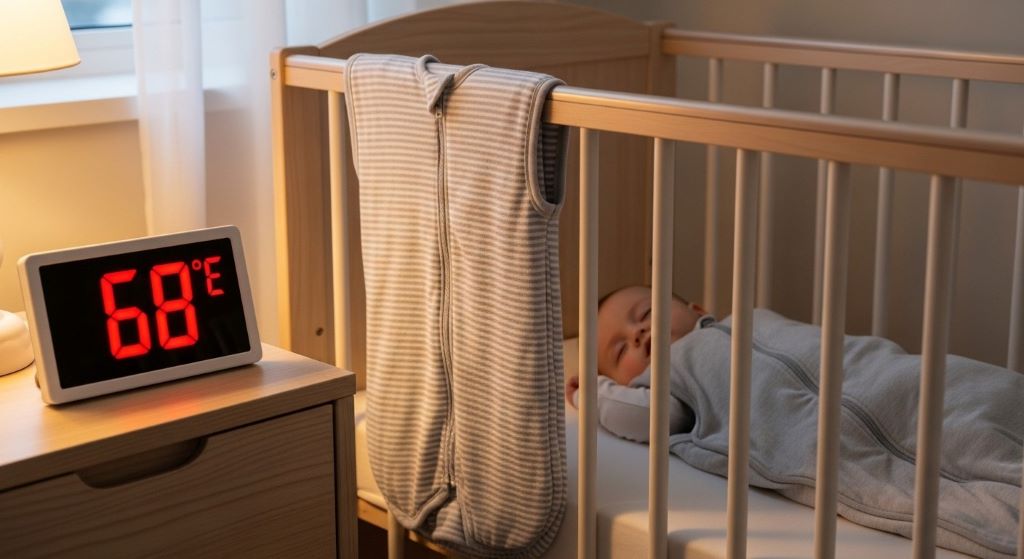
Winter brings unique challenges for parents with young babies. Keeping your little one comfortable and safe during cold months requires careful attention to their sleeping environment. The temperature in your baby’s room plays a crucial role in their sleep quality, health, and overall wellbeing.
Many parents worry about their baby getting too cold during winter nights. However, overheating poses equally serious risks. Finding the right balance ensures your baby sleeps soundly while staying safe throughout the season. This comprehensive guide will help you create the perfect environment for your little one during the colder months.
Understanding Why Room Temperature Matters for Babies
Babies cannot regulate their body temperature as efficiently as adults. Their small bodies lose heat more quickly, yet they can also overheat faster when bundled too warmly. This vulnerability makes temperature control particularly important during their first year of life.
Research shows that room temperature affects infant sleep patterns significantly. A room that’s too cold makes babies restless and disrupts their sleep cycles. Conversely, excessive warmth increases the risk of Sudden Infant Death Syndrome, making temperature monitoring a safety priority rather than just a comfort issue.
Your baby’s comfort zone differs from yours. While you might feel chilly at 68 degrees, this temperature often suits infants perfectly when dressed appropriately. Understanding this difference helps you resist the urge to overheat the nursery based on your own perception of cold.
The Ideal Temperature Range for Baby’s Sleep
Medical experts recommend keeping your baby’s room between 68 and 72 degrees Fahrenheit. This range provides optimal comfort while minimizing health risks. Some babies sleep best at the cooler end of this spectrum, while others prefer slightly warmer conditions.
The 68-degree mark often serves as an excellent starting point. Monitor how your baby responds at this temperature before making adjustments. Signs of comfort include peaceful sleep, normal skin temperature, and waking refreshed rather than fussy.
Remember that maintaining a consistent room temperature throughout the night matters more than hitting a specific number. Fluctuations can disturb your baby’s sleep and make it difficult for their body to maintain equilibrium. Therefore, stability should be your primary goal when setting up heating systems.
Choosing the Right Heating Method
Different heating systems offer varying levels of control and consistency. Central heating provides even warmth throughout your home but may dry out the air. Space heaters offer targeted warmth but require careful safety considerations.
If using central heating, install a programmable thermostat in or near the nursery. This allows you to set specific temperatures for different times of day. Program slightly warmer temperatures for bath time and cooler settings for sleep periods.
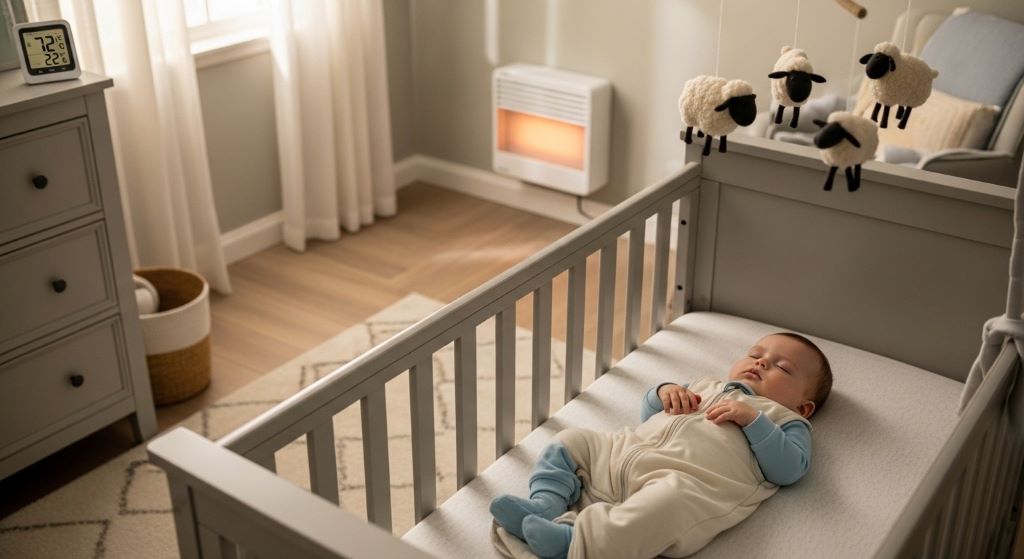
Space heaters can supplement central heating in particularly cold rooms. However, never place them near the crib or anywhere your baby could reach. Choose models with automatic shut-off features and tip-over protection. Oil-filled radiator heaters distribute warmth evenly without creating hot spots that could burn curious little hands.
Radiant floor heating offers an excellent solution for nurseries if available in your home. This system provides gentle, even warmth without drying the air or creating drafts. The consistent heat distribution makes temperature regulation easier throughout winter months.
Using a Room Thermometer Effectively
Investing in a reliable room thermometer eliminates guesswork about nursery conditions. Digital thermometers provide accurate readings and many include humidity monitors, giving you complete environmental information at a glance.
Place the thermometer away from heating vents, windows, and direct sunlight. These locations provide false readings that don’t reflect the actual temperature where your baby sleeps. Position it at crib level for the most accurate representation of your baby’s environment.
Many modern baby monitors include built-in temperature sensors. These devices alert you when the room becomes too warm or cool, allowing immediate adjustments. Some even track temperature patterns over time, helping you identify fluctuations that might disturb your baby’s sleep.
Check the thermometer regularly, especially during the coldest parts of winter. Outdoor temperature changes can affect indoor conditions more than you realize. What worked last week might need adjustment as weather patterns shift.
Dressing Your Baby for Sleep in Winter
Appropriate sleepwear helps your baby stay comfortable without overheating. The general rule suggests dressing your baby in one more layer than you’d wear to be comfortable in the same room. However, this guideline requires adjustment based on your specific room temperature.
Sleep sacks provide excellent winter solutions. These wearable blankets keep babies warm without the suffocation risks associated with loose blankets. Choose tog ratings appropriate for your room temperature. A 2.5 tog sleep sack works well in rooms at 68 degrees, while lighter 1.0 tog versions suit warmer environments.
Avoid heavy pajamas under sleep sacks unless your room runs particularly cold. Layering a lightweight cotton bodysuit under footie pajamas and then placing your baby in a sleep sack usually provides adequate warmth. This combination allows easy adjustments if your baby seems too warm or cool.
Never use hats for sleeping unless specifically advised by your pediatrician for a premature baby. Babies release excess heat through their heads, and covering this area can lead to overheating. Similarly, avoid mittens and socks unless the room temperature falls below recommended ranges.
Managing Humidity Levels Alongside Temperature
Winter heating systems often create dry air that irritates baby’s delicate skin and respiratory system. Maintaining proper humidity levels enhances comfort and supports healthy breathing during sleep.
Aim for humidity levels between 30 and 50 percent. A hygrometer measures these levels accurately and inexpensively. Many combination thermometer-hygrometer units provide both readings on a single display.
Cool-mist humidifiers add moisture to dry winter air safely. Place the unit away from the crib where your baby cannot reach it. Clean the humidifier regularly according to manufacturer instructions to prevent mold and bacteria growth.
Excessive humidity creates its own problems, including mold growth and difficulty breathing. If condensation appears on windows, your humidity levels are too high. Reduce humidifier output or ensure adequate ventilation to bring levels back to optimal ranges.
Preventing Cold Drafts and Heat Loss
Even with proper heating, cold drafts can make rooms uncomfortable and create temperature inconsistencies. Identifying and addressing these problem areas improves temperature stability significantly.
Check windows for drafts by holding a lit candle near the edges. If the flame flickers, air is leaking in. Apply weatherstripping or plastic film insulation to seal these gaps. Heavy, insulated curtains provide additional protection against cold air infiltration.
Doors can also allow cold air into the nursery. Install a door sweep at the bottom to block drafts from hallways or other rooms. If the nursery door opens to an exterior wall or unheated space, consider adding a draft stopper.
Inspect electrical outlets on exterior walls. These often allow surprising amounts of cold air to enter. Install foam gaskets behind outlet covers to reduce heat loss through these hidden gaps.
Monitoring Your Baby for Temperature Comfort
Physical signs tell you whether your baby is appropriately dressed and the room temperature is suitable. Learning to read these signals helps you make necessary adjustments quickly.
Feel your baby’s chest, back, or tummy to assess their core temperature. These areas provide more accurate information than hands or feet, which naturally run cooler. Your baby should feel warm but not sweaty or clammy.
Flushed cheeks, dampness at the hairline, or sweating indicates overheating. Remove a layer of clothing or lower the room temperature immediately. Rapid breathing can also signal excessive warmth.
Cold hands and feet alone don’t necessarily mean your baby is too cold. However, if their torso feels cool or they seem restless and fussy, they may need an additional layer or a slight temperature increase.
Creating a Bedtime Routine That Considers Temperature
Your bedtime routine should account for temperature changes throughout the evening. Rooms often feel warmer during evening activities and cool down as night progresses.
Slightly raise the temperature during bath time if necessary. Wet babies lose heat quickly, and you want the room comfortable when lifting them from the water. Have towels, pajamas, and sleep sacks ready nearby to minimize exposure to cooler air.
Lower the temperature to the optimal sleep range about 30 minutes before putting your baby down. This allows the room to stabilize at the appropriate level by bedtime. Sudden temperature drops can disturb the transition to sleep.
Maintain the same temperature throughout the night when possible. Programmable thermostats prevent the common mistake of turning heat down too low overnight. Remember that early morning hours are typically the coldest, so plan accordingly.
Managing Temperature During Nighttime Feedings
Midnight feedings present temperature challenges. You need enough light to see while keeping the room conducive to returning to sleep afterward. Additionally, getting up and moving around can make you feel colder than your baby actually is.
Keep a lightweight robe or blanket near your feeding chair for your own comfort. This prevents the urge to raise the room temperature based on how you feel rather than what your baby needs.
If you remove your baby from their sleep sack for feeding, place a light blanket over them during the feeding session. Remove it before placing them back in the crib to maintain safe sleep practices.
Consider keeping the room slightly cooler during feeds. Your body warmth combined with the baby’s will create a comfortable microclimate. This approach prevents the room from becoming too warm once you’ve both settled back down.
Adapting to Temperature Changes During Winter Baby Care
Winter weather varies day by day. Extremely cold snaps require different strategies than milder winter days. Flexibility in your approach ensures your baby stays comfortable regardless of outdoor conditions.
On particularly cold days, check the nursery temperature more frequently. Heating systems may struggle to maintain set temperatures during extreme weather. Be prepared to add an extra layer to your baby’s sleep clothing if necessary.
Sunny winter days can actually warm rooms significantly through windows. Monitor afternoon temperatures and adjust accordingly. You might need to open a window slightly or lower the thermostat to prevent overheating.
Power outages during winter storms pose serious concerns. Keep battery-powered temperature monitors charged and accessible. Have a plan for moving to the warmest room in your home with your baby if heating fails for an extended period.
Safe Sleep Practices in Cold Weather
Maintaining appropriate temperature goes hand-in-hand with safe sleep practices. Winter’s cold doesn’t change fundamental safety rules about infant sleep environments.
Never use loose blankets, quilts, or comforters in the crib, regardless of how cold it seems. These items significantly increase suffocation and SMDS risks. Proper room temperature and appropriate clothing eliminate the need for loose bedding.
Keep stuffed animals, crib bumpers, and decorative pillows out of the sleep space. These items trap heat and can cause overheating even in properly heated rooms. A bare crib with a firm mattress and fitted sheet remains the safest option.
Position the crib away from heating vents, radiators, and space heaters. Direct heat exposure creates hot spots that can overheat your baby. Similarly, avoid placing the crib near cold windows where drafts might cause discomfort.
Understanding Individual Baby Preferences
While general guidelines provide excellent starting points, every baby is unique. Some naturally run warmer or cooler than average. Paying attention to your individual baby’s signals helps you fine-tune their environment.
Track your baby’s sleep patterns alongside temperature readings. If they consistently sleep better at 70 degrees than at 68, adjust accordingly as long as you stay within safe ranges. Your baby’s quality sleep matters more than adhering rigidly to a specific number.
Premature babies often need slightly warmer environments than full-term infants. Consult your pediatrician about appropriate temperature ranges for your specific situation. These recommendations may differ from general guidelines.
As babies grow, their temperature regulation improves. What worked at two months might feel too warm by six months. Reassess periodically and make adjustments as your baby develops and their needs change.
Troubleshooting Common Winter Temperature Problems
Despite your best efforts, temperature-related issues may arise. Knowing how to address common problems helps you respond effectively.
If your baby consistently wakes during early morning hours, the room may be cooling too much as outside temperatures drop. Adjust your thermostat programming to maintain steady warmth throughout the night and early morning.
Excessive crying without obvious cause might indicate temperature discomfort. Check both the thermometer and your baby’s physical cues. Make small adjustments rather than dramatic changes that could swing too far in the opposite direction.
When one room in your home stays significantly colder than others, investigate insulation issues or heating system problems. Sometimes closing vents in warmer rooms redirects more heat to cooler spaces. Professional HVAC evaluation may be necessary for persistent issues.
Budget-Friendly Temperature Management Strategies
Maintaining ideal nursery temperatures doesn’t require expensive equipment or sky-high heating bills. Smart strategies keep both your baby and your budget comfortable.
Lower the thermostat in rooms you’re not using and close doors to concentrate heat where it’s needed. This approach reduces overall energy consumption while maintaining appropriate nursery conditions.
Use rolled towels or pool noodles to block drafts under doors. These simple solutions cost pennies compared to professional weatherproofing while providing immediate improvement.
Layer window treatments for better insulation. A sheer curtain plus heavy drapes traps air between layers, creating insulation without permanent modifications. Open curtains during sunny days to capture free solar heat, then close them at night to retain warmth.
Transitioning Between Day and Night Temperatures
Your baby doesn’t need identical temperatures for sleep and wake periods. Appropriate adjustments support natural circadian rhythms while maintaining comfort.
Slightly warmer temperatures during daytime activities are perfectly acceptable. Babies often wear different clothing while awake and playing versus sleeping. The 68 to 72-degree range primarily applies to sleep periods.
Create a noticeable but not dramatic temperature difference between day and night. This subtle environmental cue reinforces your baby’s developing understanding of day-night cycles, potentially improving nighttime sleep.
However, avoid extreme variations. Dropping the temperature more than three or four degrees between day and night can disturb sleep and stress your baby’s developing temperature regulation system.
Conclusion
Creating the perfect winter sleep environment for your baby centers on maintaining a consistent room temperature between 68 and 72 degrees Fahrenheit. This range, combined with appropriate clothing and attention to your baby’s individual signals, ensures comfortable and safe sleep throughout the cold months.
Winter baby care requires vigilance about temperature, but it doesn’t need to be complicated. Investing in a reliable thermometer, choosing the right heating method, and learning to read your baby’s comfort cues provides the foundation for success. Additionally, managing humidity, eliminating drafts, and following safe sleep practices creates an environment where your baby can thrive.
Remember that flexibility matters as much as consistency. Weather changes, your baby’s growth, and individual preferences all influence what works best. Monitor conditions regularly, make small adjustments as needed, and trust your instincts when something doesn’t seem right.
By following these guidelines and remaining attentive to your baby’s needs, you can confidently navigate winter’s challenges. Your baby will sleep soundly, grow healthily, and stay comfortable throughout even the coldest months. The effort you invest in creating this ideal environment pays dividends in better sleep for everyone and peace of mind knowing your little one is safe and content.
Frequently Asked Questions
What should I do if my baby’s hands and feet feel cold during winter nights?
Cold hands and feet are normal for babies and don’t necessarily indicate they’re too cold overall. Check your baby’s chest or back instead. If these core areas feel warm and comfortable, your baby is fine. Hands and feet naturally have less blood circulation and will feel cooler than the rest of the body. However, if the torso also feels cold, add a layer or increase room temperature slightly.
Can I use an electric blanket or heating pad in my baby’s crib during winter?
Never place electric blankets, heating pads, or hot water bottles in your baby’s crib. These items pose serious burn risks and overheating dangers. Instead, maintain appropriate room temperature and dress your baby in suitable sleepwear. Sleep sacks provide safe warmth without the hazards associated with heating devices or loose blankets.
How do I know if my baby is overheating at night?
Signs of overheating include sweating, damp hair, flushed cheeks, heat rash, rapid breathing, and restlessness. Your baby’s chest should feel warm but not hot or sweaty. If you notice these signs, remove a clothing layer immediately and lower the room temperature. Overheating poses serious risks, so err on the side of slightly cooler rather than warmer conditions.
Should I adjust the temperature differently for daytime naps versus nighttime sleep?
You can keep the room slightly warmer during daytime naps if that fits your household routine. However, maintaining similar temperatures for all sleep periods often works best. The recommended 68 to 72-degree range applies to both day and night sleep. Consistency helps establish better sleep patterns and makes temperature management simpler overall.
What’s the best way to check room temperature without waking my sleeping baby?
Install a digital thermometer with a backlit display in your baby’s room at crib level. Many baby monitors now include built-in temperature sensors that display readings on the parent unit. This allows you to check conditions without entering the nursery. Position the thermometer where you can see it from the doorway, or use a wireless model that sends readings to your phone.
Related Topics:
How to Help Baby Sleep Longer at Night: Expert Tips for Restful Nights
Best Baby Lounger Store in New Jersey, NJ: Your Ultimate Guide to Comfort and Safety