How to Select the Best Baitcasting Rod for Bass Fishing in 2026
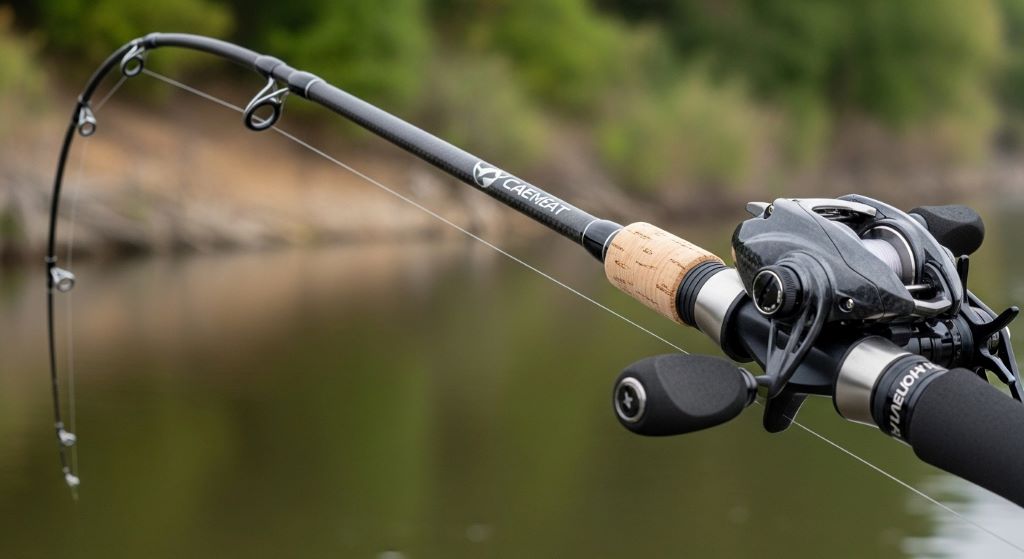
Bass fishing remains one of the most popular freshwater fishing pursuits in North America. Whether you’re targeting largemouth bass in weedy lakes or chasing smallmouth in rocky rivers, having the right equipment makes all the difference between a frustrating day and a successful outing. The baitcasting rod you choose serves as your primary connection to the fish, transmitting every movement and bite directly to your hands.
Selecting the perfect rod involves understanding multiple factors that affect performance. Length, power, action, materials, and construction all play crucial roles in how a rod performs on the water. This comprehensive guide will walk you through everything you need to know to make an informed decision when purchasing your next baitcasting setup.
Understanding Baitcasting Rod Basics
Before diving into specific selection criteria, it’s helpful to understand what makes baitcasting rods different from other types. These rods are designed to work specifically with baitcasting reels, which sit on top of the rod rather than underneath like spinning reels.
Baitcasting setups offer several advantages for bass fishing. They provide greater casting accuracy, allowing you to place lures precisely where you want them. Additionally, they offer more power for fighting fish and setting hooks. The direct line connection also enhances your ability to feel what’s happening at the end of your line.
However, baitcasting equipment requires more skill to use effectively. The learning curve can be steep for beginners. Once mastered though, most anglers prefer baitcasting gear for the control and power it provides.
Rod Length Considerations for Different Situations
The length of your rod significantly impacts casting distance, accuracy, and fish-fighting ability. Most bass fishing baitcasting rods range from six to eight feet, with seven feet being the most versatile length.
Shorter rods, typically six to six and a half feet, excel in tight quarters. If you fish from a kayak, small boat, or around heavy cover with overhanging trees, a shorter rod makes maneuvering much easier. These rods also provide excellent leverage for pulling fish out of thick vegetation.
Medium-length rods between seven and seven and a half feet offer the best all-around performance. They cast well, provide good hook-setting power, and work effectively in most situations. If you’re buying just one rod, this length range represents your best choice.
Longer rods, from seven and a half to eight feet, maximize casting distance. They’re ideal for fishing from shore or when you need to cover water quickly. The extra length also helps when using techniques that require keeping line off the water, such as walking topwater lures.
Decoding Power Ratings
Power describes how much force it takes to bend a rod. This characteristic determines what size fish you can handle and what lure weights the rod can cast effectively. Power ratings typically range from ultra-light to extra-heavy.
Light power rods work best with small lures and finesse techniques. They’re perfect for drop-shotting, fishing small crankbaits, or throwing lightweight soft plastics. However, they lack the backbone needed for heavy cover or big bass.
Medium power rods represent the most versatile option for bass fishing. They handle a wide range of lure weights and work well for techniques like Texas-rigging, football jigs, and medium-sized crankbaits. Most anglers find medium or medium-heavy power ratings ideal for general bass fishing.
Heavy and extra-heavy power rods are specialized tools for specific situations. Use them when fishing heavy cover, flipping and pitching, throwing big swimbaits, or using techniques that require powerful hook sets. The stiff backbone prevents fish from wrapping you around cover.
Action and Its Impact on Performance
While power describes overall stiffness, action refers to where the rod bends. This characteristic significantly affects casting, hook-setting, and how the rod loads during a fight.
Fast action rods bend primarily in the top third of the blank. They provide excellent hook-setting power and sensitivity. Most modern bass fishing rods feature fast action because it works well with braided line and allows you to feel bottom composition and subtle bites easily.
Moderate action rods bend further down the blank, typically into the middle section. They’re more forgiving on light line, work better with treble-hooked lures like crankbaits, and help prevent pulling hooks during the fight. The extra flex acts as a shock absorber.
Extra-fast or tip-action rods bend only in the very top section. These specialized rods offer maximum rod sensitivity and instant hook-setting power. They’re ideal for techniques where feeling bottom structure matters, such as Carolina-rigging or fishing Texas-rigged worms.
Material Choices and Construction Quality
Modern baitcasting rods are constructed from various materials, each offering different performance characteristics and price points. Understanding these differences helps you get the best value for your budget.
Graphite remains the most popular rod material. It’s lightweight, sensitive, and comes in various grades. Higher modulus graphite is stiffer and lighter but more brittle. Lower modulus graphite is more durable but slightly heavier. Most quality bass fishing rods use a blend of different graphite grades to balance performance and durability.
Fiberglass rods are making a comeback for specific applications. While heavier than graphite, fiberglass offers incredible durability and a parabolic bend that works wonderfully with moving baits. Many anglers prefer fiberglass for crankbait fishing because it prevents tearing hooks out during the fight.
Composite rods blend graphite and fiberglass to combine the best properties of both materials. These rods offer good sensitivity with added durability. They’re excellent choices for anglers who want one rod that performs well in multiple situations.
Construction quality matters as much as materials. Look for rods with smooth, consistent finishes, quality guides, and solid reel seats. These components might seem minor, but they significantly impact long-term performance and durability.
The Importance of Sensitivity in Bass Fishing
Rod sensitivity refers to your ability to feel what’s happening at the end of your line. This characteristic is crucial when fishing techniques that require detecting subtle bites or feeling bottom composition. Bass fishing rods with excellent sensitivity transmit every tap, bump, and vibration directly to your hands.
Several factors influence sensitivity beyond just materials. Guide placement affects how vibrations travel through the rod. Fewer guides generally mean better sensitivity, but too few can affect casting performance. Modern micro-guides strike a good balance.
Rod balance also impacts sensitivity. A well-balanced rod feels like an extension of your arm, making it easier to detect subtle changes. When holding the rod, the weight should distribute evenly so you’re not constantly fighting to keep the tip up.
Your technique matters too. Keeping your line tight and maintaining contact with your lure maximizes the information transmitted through the rod. Even the most sensitive rod can’t help if you’re fishing with slack line.
Guide Systems and Hardware
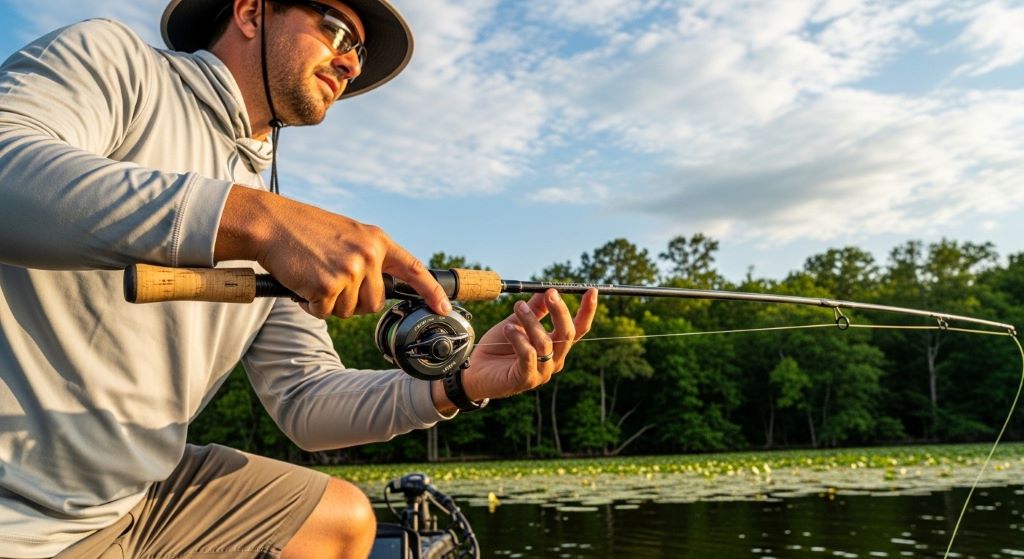
The guides on your rod do more than just direct line. They affect casting distance, accuracy, and overall performance. Quality guides are smooth, lightweight, and positioned to minimize line friction.
Ceramic guides remain the standard for most fishing rods. They’re hard, smooth, and resistant to grooving from braided line. Higher-quality rods feature lighter, smaller guides that reduce weight while maintaining performance.
Micro-guide systems have become increasingly popular on bass fishing rods. These smaller guides reduce weight, improve sensitivity, and actually enhance casting distance despite their size. They work particularly well with braided line.
The number and spacing of guides affects rod performance. More guides distribute stress more evenly but add weight. Fewer guides reduce weight and improve sensitivity but can create stress points. Most quality rods use carefully calculated guide spacing for optimal performance.
Matching Rods to Specific Techniques
Different bass fishing techniques require different rod characteristics. Understanding these relationships helps you build a well-rounded collection or choose the right rod for your primary fishing style.
For Texas-rigging and pitching soft plastics, choose a medium-heavy to heavy power rod with fast action. Seven to seven and a half feet works well. This combination provides the backbone to drive hooks through thick plastic and the sensitivity to detect bites in cover.
Crankbait fishing demands different characteristics. A medium power rod with moderate action in the seven to seven and a half foot range works best. The softer action acts as a shock absorber, preventing treble hooks from tearing out during the fight.
Topwater fishing requires rods that can cast lightweight lures accurately while providing enough power to drive hooks home. A medium power, fast action rod around seven feet handles most topwater applications effectively.
Jig fishing benefits from a heavy power, fast action rod. The extra backbone helps you pull fish out of cover and set hooks through heavy wire and plastic. A shorter length, around seven feet, provides better leverage.
Budget Considerations and Value
Baitcasting rods span a wide price range, from under fifty dollars to several hundred. Understanding what you get at different price points helps you make smart purchasing decisions.
Entry-level rods, typically under one hundred dollars, work fine for beginners learning techniques. They’re usually heavier and less sensitive than expensive options but perfectly functional. If you’re new to baitcasting, starting here makes sense until you develop your skills.
Mid-range rods, between one hundred and two hundred dollars, offer excellent value. They feature quality materials, good sensitivity, and reliable components. Most experienced anglers find this price range hits the sweet spot between performance and cost.
High-end rods exceeding two hundred dollars deliver premium performance. They’re lighter, more sensitive, and often feature proprietary technologies. Tournament anglers and serious enthusiasts appreciate these refinements, but casual anglers might not notice dramatic differences.
Consider your fishing frequency when budgeting. If you fish weekly, investing in quality equipment makes sense. Occasional anglers can get excellent performance from mid-range options. Therefore, your expected use should guide your spending.
Reading and Interpreting Casting Rod Reviews
When researching rods, casting rod reviews provide valuable insights from other anglers. However, learning to interpret these reviews critically helps you separate useful information from personal preference.
Pay attention to reviews from anglers who fish similar techniques and conditions. A review praising a rod for deep-water jigging won’t help if you primarily fish shallow grass. Look for reviewers whose fishing style matches yours.
Multiple reviews provide better information than single opinions. If many anglers mention the same strengths or weaknesses, that feedback is likely accurate. Isolated complaints might reflect personal preference or unrealistic expectations.
Consider the reviewer’s experience level. Beginners and experts often have different priorities. A beginner might emphasize ease of use, while an expert focuses on sensitivity and balance. Neither perspective is wrong, but one might align better with your needs.
Be wary of extremely positive or negative reviews without specific details. Quality reviews explain why something works well or poorly, not just that it does. Look for reviews that discuss specific applications, performance characteristics, and comparisons to similar products.
Testing Rods Before Purchase
Whenever possible, handle rods before buying. This hands-on experience reveals information that specifications and reviews cannot convey. Many tackle shops allow customers to hold and flex rods, though casting them might not be possible.
Check the rod’s balance by holding it as you would while fishing. The weight should feel evenly distributed. A tip-heavy rod causes arm fatigue, while a butt-heavy rod feels awkward and unresponsive.
Flex the rod gently to feel its action. Push the tip down gradually and notice where the rod begins to bend. This simple test reveals whether the action matches the manufacturer’s description.
Examine the guides closely for alignment and quality. They should line up perfectly straight along the blank. Check that guides are securely wrapped and finished smoothly.
Inspect the reel seat and handle. The reel seat should feel solid with no play or movement. Handles should be comfortable and secure. These components endure constant use and abuse, so quality matters.
Caring for Your Investment
Proper maintenance extends your rod’s life and maintains its performance. Fortunately, caring for baitcasting rods requires minimal effort and time.
Rinse your rod with fresh water after each use, especially after fishing in saltwater or brackish environments. Pay special attention to the guides and reel seat where salt and dirt accumulate. This simple step prevents corrosion and buildup.
Store rods vertically when possible, or in rod holders that support them along their length. Avoid leaning rods against walls or storing them where they can develop bends or curves. Proper storage maintains rod action and prevents damage.
Inspect guides regularly for cracks, chips, or grooving. Damaged guides can fray or break line. If you notice damage, replace guides promptly to prevent line failure at critical moments.
Transport rods carefully using rod tubes or cases. Breaking a rod during transport is frustrating and preventable. Even inexpensive rod socks provide protection during car rides to fishing spots.
Building a Versatile Rod Collection
As your bass fishing skills and interests expand, you’ll likely want multiple rods for different techniques. Building a versatile collection strategically ensures you’re prepared for various situations without buying unnecessary equipment.
Start with a medium-heavy power, fast action rod around seven feet long. This versatile rod handles approximately seventy percent of bass fishing techniques effectively. It’s your workhorse that can do everything reasonably well.
Add a medium power, moderate action rod next. This rod fills gaps left by your first purchase. It excels with crankbaits, spinnerbaits, and other moving baits that require a softer tip and more forgiving action.
Your third rod should address your favorite specialized technique. If you love fishing topwater, choose a rod optimized for that. If flipping heavy cover excites you, get a heavy power flipping stick. This rod lets you pursue your passion with ideal equipment.
Subsequently, add rods as specific needs arise. Don’t rush to own dozens of rods. Many successful anglers fish effectively with just three or four well-chosen setups. Quality and suitability matter more than quantity.
Technology and Innovation in Modern Rods
Rod manufacturers continuously develop new technologies and materials. While some innovations genuinely improve performance, others primarily serve marketing purposes. Understanding current trends helps you evaluate new products.
High-modulus carbon fiber has enabled lighter, more sensitive rods. However, there’s a point of diminishing returns where additional weight reduction doesn’t noticeably improve fishing performance. Balance matters more than absolute weight.
Advanced resin systems improve strength and durability while reducing weight. These resins allow thinner blank walls without sacrificing power. The result is rods that feel lively and responsive while remaining strong enough for big fish.
Proprietary guide systems claim to increase casting distance and reduce line friction. Some deliver on these promises, while others offer marginal improvements. Focus on proven designs unless you’re willing to experiment with newer technologies.
Customization options have expanded dramatically. Many manufacturers offer custom-built rods where you choose length, power, action, guides, and handle components. This customization ensures you get exactly what you want, though at a premium price.
Conclusion
Selecting the best baitcasting rod for bass fishing involves balancing multiple factors including length, power, action, materials, and intended techniques. While the variety of options can seem overwhelming, understanding how these characteristics affect performance simplifies the decision-making process.
Start by identifying your primary fishing techniques and conditions. Choose a rod with specifications that match those applications. Consider your skill level and budget realistically. A mid-range rod often provides excellent value without compromising essential performance characteristics.
Don’t overlook the importance of rod sensitivity and quality construction. These factors significantly impact your fishing success and enjoyment. Take time to research options, read casting rod reviews from trusted sources, and handle rods before purchasing when possible.
Remember that building a collection of bass fishing rods happens gradually. Focus on quality over quantity, adding specialized rods as your skills and interests develop. With proper care and maintenance, quality rods provide many years of reliable service.
By following the guidance in this article, you’ll be well-equipped to choose a baitcasting rod that enhances your bass fishing success in 2026 and beyond. The right rod makes fishing more enjoyable, more productive, and ultimately more rewarding.
Frequently Asked Questions
What’s the difference between a baitcasting rod and a spinning rod?
Baitcasting rods have smaller guides positioned on top of the blank and use trigger grips designed for baitcasting reels. They typically offer more power and better casting accuracy than spinning rods. Spinning rods have larger guides underneath the blank and work with spinning reels. Baitcasting setups are generally preferred for bass fishing because they provide better control and handle heavier lures more effectively.
How much should I spend on my first baitcasting rod?
For your first baitcasting rod, spending between one hundred and one hundred fifty dollars provides good quality without overpaying. Rods in this range offer adequate sensitivity, quality components, and durability for learning. Avoid extremely cheap rods under fifty dollars, as poor performance can hinder your learning process. Once you develop skills and preferences, you can upgrade to premium options.
Can I use the same rod for all bass fishing techniques?
While one versatile rod can handle many techniques adequately, no single rod excels at everything. A medium-heavy power, fast action rod around seven feet works reasonably well for most applications. However, specialized techniques like crankbait fishing or heavy flipping perform better with dedicated rods. Most anglers eventually build a small collection of rods optimized for their favorite techniques.
How do I know if a rod has good sensitivity?
Testing rod sensitivity involves tapping the rod tip lightly while holding the handle. You should feel the vibration clearly through the blank. When shopping, compare similar rods side-by-side using this method. Higher quality rods with better materials and fewer guides typically transmit vibrations more clearly. On the water, sensitive rods let you feel bottom composition, vegetation, and subtle bites easily.
What rod length is best for fishing from a kayak?
When fishing from a kayak, shorter rods between six and seven feet work best. The reduced length makes maneuvering easier in the confined space and prevents the rod from hitting obstacles when turning or paddling. A six-foot-six-inch to seven-foot rod provides enough casting distance and fish-fighting leverage while remaining manageable in a kayak. Longer rods become cumbersome and increase the risk of accidentally hitting the water or paddle.
Related Topics:
How to Read Tidal Charts for Surf Fishing
A Whirlwind Tour of Must Visit Cities in Italy