
How to Create Secure Wire Rope Connections That Last
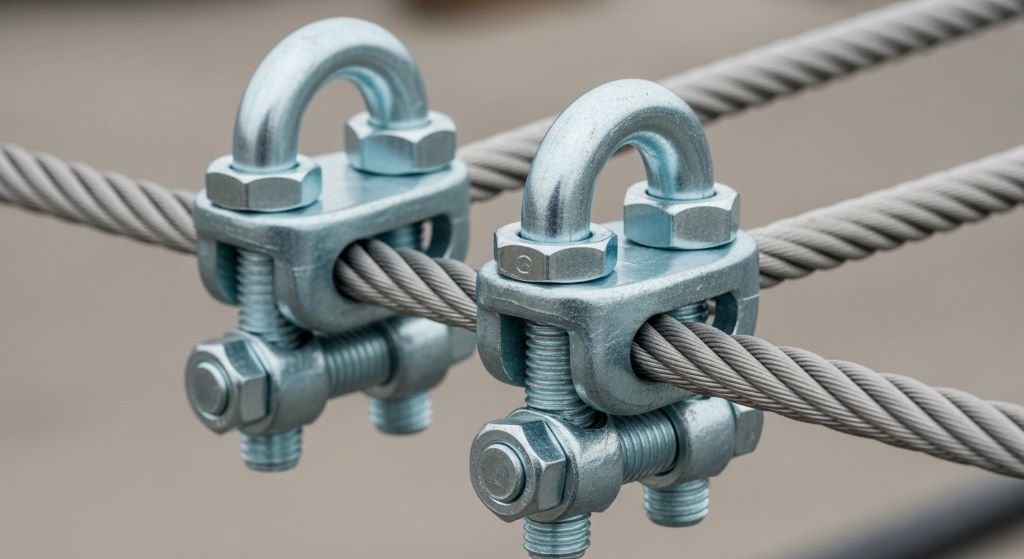
Wire rope connections form the backbone of countless industrial, maritime, and construction applications. Whether you’re rigging heavy equipment, securing cargo, or building safety systems, the integrity of your connections can mean the difference between success and catastrophic failure. This comprehensive guide will walk you through everything you need to know about creating durable, reliable wire rope connections that stand the test of time.
Understanding Wire Rope Basics
Wire rope consists of multiple steel wires twisted together to form strands, which are then wound around a core. This construction gives wire rope exceptional strength and flexibility. However, the connection points often become the weakest links in any system. Therefore, understanding proper connection techniques is essential for anyone working with wire rope.
The diameter, construction type, and material grade all affect how you should approach connections. Additionally, different applications require different connection methods. Knowing these fundamentals helps you make informed decisions about your specific project needs.
Choosing the Right Connection Method
Several methods exist for creating wire rope connections. Each has distinct advantages and ideal use cases. Understanding these options allows you to select the most appropriate technique for your situation.
Mechanical connections using clamps offer quick installation and easy inspection. These connections can be adjusted or removed when necessary. However, they require precise installation to achieve maximum strength. Swaged connections provide excellent strength and a cleaner appearance. These permanent connections use special ferrules compressed onto the rope. Splicing creates the strongest possible connection by interweaving the rope strands themselves. This traditional method requires skill and practice but offers unmatched reliability.
Essential Equipment and Materials
Proper equipment ensures safe, effective connections. Start with high-quality wire rope appropriate for your load requirements. Choose clamps specifically designed for your rope diameter. Using incorrect clamp sizes compromises connection strength significantly. Additionally, gather torque wrenches for precise tightening, wire rope cutters for clean cuts, and thimbles to prevent rope kinking at connection points.
Safety equipment is equally important. Wear heavy-duty gloves to protect your hands from sharp wire ends. Safety glasses shield your eyes from potential wire fragments. Furthermore, keep a measuring tape handy for accurate spacing measurements.
Mastering Load Securement Tips
Understanding load characteristics forms the foundation of secure connections. Calculate the total weight being secured, including any dynamic forces. Dynamic loads from movement, vibration, or impact can multiply the static weight considerably. Therefore, always apply an appropriate safety factor to your calculations.
Consider the load distribution across multiple connection points. Uneven distribution can overload individual connections and lead to failure. Moreover, account for environmental factors like temperature extremes, moisture, and chemical exposure. These elements can affect both rope and connection strength over time.
Inspect your rope thoroughly before making connections. Look for broken wires, kinking, crushing, or corrosion. Any of these conditions compromises rope integrity. Additionally, examine the rope for wear patterns that might indicate previous overloading or improper use.
Installing Wire Rope Clamps Correctly
Wire rope clamps, also known as cable clamps or wire rope clips, provide versatile and reliable connections when installed properly. The installation process requires attention to detail and adherence to specific guidelines.
Begin by selecting the correct number of clamps for your rope diameter. Generally, larger diameter ropes require more clamps to achieve adequate holding strength. However, consult manufacturer specifications and industry standards for precise requirements. Never compromise on the number of clamps to save money or time.
Position the first clamp one base width from the end of the dead rope end. The U-bolt should always rest on the dead end, while the saddle sits on the live or load-bearing end. This configuration prevents rope crushing under load. Remember the phrase “never saddle a dead horse” to keep this orientation correct.
Understanding rope clamp spacing is crucial for connection strength. Space subsequent clamps at intervals equal to six times the rope diameter. This spacing ensures even load distribution across all clamps. For example, a half-inch rope requires three-inch spacing between clamps. Measure carefully and mark positions before installing clamps.
Tighten clamps to the manufacturer’s recommended torque specification. Under-tightening allows rope slippage, while over-tightening can damage the rope structure. Use a calibrated torque wrench for consistent results. Furthermore, apply clamps in sequence, working from the first clamp toward the end. Tighten each clamp evenly, alternating between nuts if applicable.
After initial installation, apply load to the connection and then re-tighten all clamps. The rope will settle slightly under load, potentially loosening the clamps. This step is critical for maintaining connection security. Plan to inspect and re-tighten clamps after the first period of use.
Installing Thimbles for Added Protection
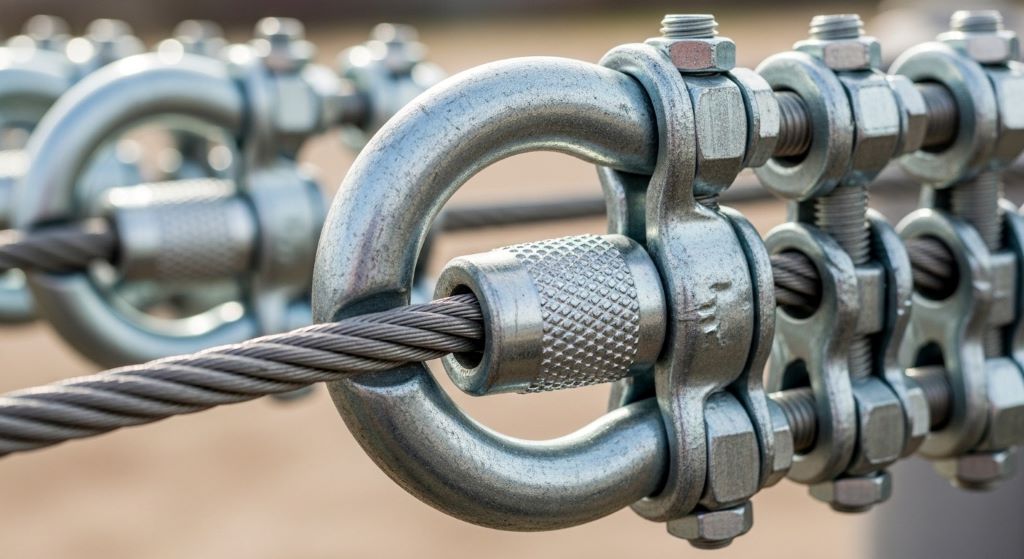
Thimbles prevent rope damage at connection points where the rope forms a loop or eye. These metal inserts distribute stress and prevent the sharp bending that can weaken rope fibers. Installing thimbles correctly enhances connection longevity significantly.
Select a thimble sized appropriately for your rope diameter. The rope should fit snugly in the thimble groove without excessive force. Position the thimble inside the rope loop, ensuring the rope sits properly in the groove. The thimble should extend slightly beyond the rope on both sides.
When using clamps with thimbles, place the first clamp as close to the thimble as possible. This positioning prevents rope slippage and maintains the eye shape. Additionally, ensure the thimble remains properly seated throughout the clamping process.
Advanced Connection Techniques
Swaged connections offer superior strength and appearance compared to clamp connections. These permanent connections use specially designed ferrules compressed onto the rope using hydraulic presses. The process creates a connection that can achieve up to ninety-five percent of the rope’s breaking strength.
However, swaging requires specialized equipment and training. The ferrule must match the rope diameter precisely, and the pressing force must be calibrated correctly. Too little pressure results in weak connections, while excessive pressure can damage the rope. Therefore, many professionals outsource swaging to certified shops with proper equipment.
Spelter sockets provide another permanent connection option, particularly for heavy-duty applications. This method involves inserting the rope end into a conical socket and filling it with molten zinc alloy. As the zinc cools and solidifies, it grips the individual rope wires firmly. Spelter socket connections can achieve nearly one hundred percent of rope breaking strength when installed correctly.
Inspection and Maintenance Protocols
Regular inspection prevents connection failures before they occur. Establish a routine inspection schedule based on your application’s severity and frequency of use. Critical applications require more frequent inspections than light-duty uses.
During inspections, examine each clamp for proper positioning and tightness. Check for rope slippage at connection points, indicated by movement of the dead end through the clamps. Look for corrosion on both clamps and rope. Surface rust may be tolerable, but deep pitting or significant material loss requires immediate attention.
Inspect the rope itself for warning signs. Broken wires, especially multiple breaks in one strand, indicate deteriorating rope condition. Kinks or bird-caging, where strands separate and protrude, signal severe damage requiring immediate rope replacement. Additionally, check for reduction in rope diameter, which suggests internal wear or core damage.
Document all inspections with written records. Note the inspection date, inspector name, and any findings or corrective actions taken. This documentation creates a maintenance history that helps predict when components need replacement. Moreover, it demonstrates due diligence should any incidents occur.
Common Mistakes to Avoid
Many connection failures result from preventable errors. Understanding these common mistakes helps you avoid them in your own work. Never use too few clamps, regardless of time or budget constraints. Each clamp contributes to overall connection strength, and eliminating any compromises safety significantly.
Avoid mixing clamp types or sizes within a single connection. Different clamps have varying load capacities and may not work together effectively. Similarly, never reuse clamps that show signs of deformation, corrosion, or damage. The cost of new clamps is minimal compared to the consequences of connection failure.
Do not position clamps with the U-bolt on the live end. This incorrect orientation crushes the load-bearing portion of the rope under tension. Always remember proper orientation to maintain rope integrity. Furthermore, resist the temptation to use wire rope clamps as permanent connections for overhead lifting applications unless specifically approved for such use.
Ignoring manufacturer specifications represents another serious mistake. These specifications exist because engineers and testing have determined optimal parameters. Following them ensures your connections perform as designed. Additionally, never exceed the working load limits for your rope or connection components.
Special Considerations for Different Applications
Different industries and applications present unique challenges requiring specific approaches. Marine environments expose connections to salt water, causing accelerated corrosion. Stainless steel or galvanized components help combat this issue. Additionally, more frequent inspections become necessary in corrosive environments.
Mining and industrial applications often involve shock loads and abrasion. Choose ropes and connections designed for these conditions. Consider protective sleeves or guards where abrasion occurs. Furthermore, implement more conservative safety factors to account for the harsh operating environment.
Overhead lifting applications demand the highest safety standards. Many jurisdictions require spliced connections or swaged terminations for overhead lifts. Consult local regulations and industry standards before designing lifting systems. Moreover, engage qualified professionals for critical lifting applications.
Environmental Factors Affecting Connection Longevity
Temperature extremes affect both rope and connection performance. Cold temperatures can reduce rope flexibility and increase brittleness. Hot environments may cause accelerated wear and material degradation. Select materials rated for your specific temperature range.
Ultraviolet radiation from sunlight gradually degrades synthetic rope cores and protective coatings. While steel wire itself resists UV damage, the lubricants and core materials do not. Consider protective covers or UV-resistant treatments for outdoor applications. Similarly, chemical exposure can rapidly deteriorate both rope and connections depending on the substances involved.
Moisture accelerates corrosion and can freeze inside rope cores, causing internal damage. Proper lubrication helps repel moisture and reduce corrosion. Schedule more frequent inspections for equipment exposed to constant moisture or humidity.
Building a Safety Culture
Technical knowledge alone does not ensure safe connections. Fostering a culture that prioritizes safety and proper procedures is equally important. Train all personnel who work with wire rope on proper connection techniques. Regular refresher training keeps skills sharp and introduces team members to new methods or materials.
Encourage workers to speak up about potential safety issues without fear of reprisal. Often, the person performing the work notices problems that others might miss. Create clear reporting channels for safety concerns and act on reports promptly.
Maintain detailed procedures and checklists for common connection tasks. These documents ensure consistency across different workers and shifts. Update procedures as you learn better methods or when standards change. Additionally, make procedures easily accessible at work sites.
Conclusion
Creating secure wire rope connections requires knowledge, attention to detail, and commitment to proper procedures. Understanding load securement tips helps you account for all forces acting on your connections. Mastering rope clamp spacing ensures even load distribution and maximum connection strength. Selecting appropriate connection methods, using quality materials, and following manufacturer specifications all contribute to reliable results.
Regular inspection and maintenance catch problems before they become dangerous. Avoiding common mistakes prevents unnecessary failures. Furthermore, adapting your approach to specific environmental conditions and applications extends connection life. By implementing these principles consistently, you create wire rope connections that perform reliably for years.
Remember that wire rope connections often represent critical safety points in larger systems. The time invested in proper installation and maintenance pays dividends in reliability and peace of mind. Whether you’re securing cargo, rigging equipment, or building structural supports, the techniques outlined in this guide help ensure your connections remain strong and dependable.
Frequently Asked Questions
How many clamps do I need for my wire rope diameter?
The number of clamps depends on your rope diameter. Generally, ropes up to one-half inch diameter need three clamps. Ropes from five-eighths to three-quarters inch require four clamps. Larger ropes need five or more clamps. Always consult current standards like Federal Specification FF-C-450 for specific requirements. Using fewer clamps than recommended significantly reduces connection strength and creates safety hazards.
Can I reuse wire rope clamps after removing them?
Reusing clamps is generally not recommended, especially if they show any deformation or corrosion. The clamping process can slightly deform the components, and reused clamps may not achieve the same holding strength. For critical applications, always use new clamps. If you must reuse clamps in non-critical situations, inspect them thoroughly for damage and test them under controlled conditions before relying on them.
What is the correct torque specification for tightening clamps?
Torque specifications vary based on clamp size and manufacturer. For general reference, one-eighth inch clamps typically require four to five foot-pounds, while one-inch clamps may need sixty-five foot-pounds or more. Always consult the manufacturer’s documentation for exact specifications. Using a calibrated torque wrench ensures consistent, appropriate tightening without damaging the rope or over-stressing the clamps.
How often should I inspect wire rope connections?
Inspection frequency depends on application severity and usage patterns. Critical applications like overhead lifting require pre-use inspections and regular scheduled inspections, potentially daily or weekly. General industrial uses might warrant monthly inspections. Lightly used connections may need only quarterly checks. Environmental factors like corrosive conditions necessitate more frequent inspections. Always document inspections and increase frequency if you discover any concerning wear patterns.
What is the safety factor I should use for wire rope connections?
Safety factors vary by application and governing regulations. General industrial uses typically require a safety factor of five to one, meaning the rope’s breaking strength should be five times the maximum expected load. Overhead lifting often requires higher factors, sometimes eight to one or more. Dynamic loads, shock loading, and critical applications all justify higher safety factors. Consult applicable standards and regulations for your specific situation.
Related Topics:
The Impact of Exercise Rope Training on Cardiovascular Health
How Many Cable Clamps on Wire Rope? Let’s Find Out!