
Antibacterial and Antifungal Pet Shampoo: Complete Skin Care Guide
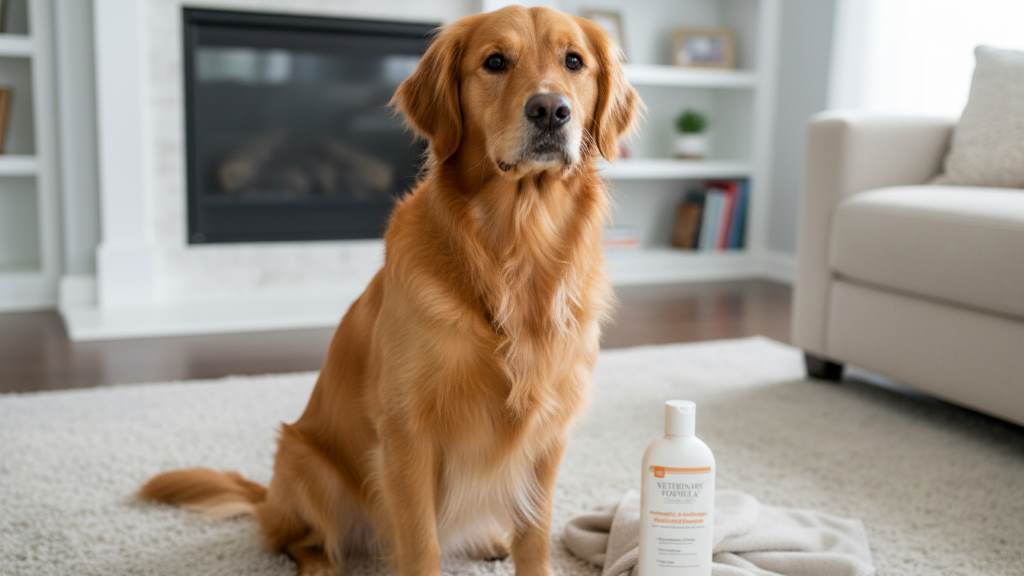
Picture your furry friend scratching endlessly or dealing with red, irritated skin that just won’t heal. These moments break our hearts as pet owners. Antibacterial and antifungal pet shampoos step in as heroes for such troubles. They target bacteria and fungi causing infections while soothing the skin. For instance, many dogs suffer from these issues due to everyday exposures. A study from the China Agricultural University Veterinary Teaching Hospital analyzed 896 canine skin infection samples between 2018 and 2022. It found pyoderma, a bacterial infection, as the most common type at 47.5 percent of cases.
Additionally, Nationwide Pet Insurance data from 2024 revealed skin allergies accounted for 16 percent of all dog-related claims. Such numbers highlight the need for proper care. If you seek a reliable option, check out this antibacterial dog shampoo that veterinarians often recommend. This guide covers everything from causes to treatments, helping you keep your pet comfortable and healthy.
Understanding Pet Skin Health
Pets rely on their skin as a first line of defense against the world. Yet, this barrier faces constant threats. Dogs and cats experience skin issues more often than we might think. Factors like environment, diet, and genetics play roles. For example, humid weather boosts fungal growth. Meanwhile, dry air leads to flaking. Owners notice changes through behaviors such as excessive licking. Recognizing these early prevents bigger problems. Moreover, regular checks build stronger bonds with your pet.
Skin serves multiple purposes beyond protection. It regulates temperature and stores nutrients. When problems arise, the whole body suffers. Infections disrupt this balance quickly. Bacteria thrive in warm spots like folds or paws. Fungi prefer moist areas. Allergies complicate matters further by weakening defenses. Therefore, understanding basics empowers better decisions. Consult vets for personalized advice always.
Common myths confuse owners. Some believe all itching stems from fleas. However, many causes exist. Others assume baths harm skin. In reality, proper washing helps. Use gentle products suited for pets. Avoid human shampoos, as they alter pH levels. Consequently, informed choices lead to happier pets.
Common Skin Problems in Pets
Dogs and cats face various skin woes. Allergies top the list. Environmental triggers like pollen cause atopic dermatitis. Food sensitivities add to the mix. Symptoms include redness and hair loss. Parasites follow closely. Fleas bite and trigger reactions. Mites burrow, leading to mange. Ticks spread diseases affecting skin. Bacterial infections often secondary. Staphylococcus overgrows in damaged areas. Yeast thrives in ears or folds. Ringworm, a fungus, spreads easily.
Causes vary by problem. Allergies link to immune responses. Parasites come from contact outdoors. Infections result from scratches or weak immunity. Hormonal issues like hypothyroidism dry skin. Tumors appear as lumps. Immune disorders attack healthy tissue. For instance, pemphigus causes blisters. Early detection matters. Watch for scooting or head shaking.
Treatments depend on diagnosis. Vets prescribe meds for infections. Antihistamines ease allergies. Parasite preventives protect. Lifestyle changes help too. Better diets reduce sensitivities. Clean environments limit exposures. In severe cases, specialists intervene. Overall, a multi-step approach works best.

Signs Your Pet Needs Specialized Care
Spotting trouble early saves hassle. Look for persistent scratching. Red patches signal inflammation. Odors hint at infections. Hair thinning exposes issues. Lumps require checks. Behavioral shifts matter. Lethargy accompanies discomfort. Excessive grooming irritates further. Ear flapping suggests problems inside.
Document changes over time. Note patterns with seasons or foods. Share details with vets. They perform tests like scrapings. Biopsies confirm diagnoses. Blood work reveals underlying causes. Therefore, vigilance pays off. Don’t ignore small signs.
Pets hide pain well. Cats especially mask symptoms. Dogs might whine softly. Regular exams catch hidden issues. Build routines around grooming. Brush coats weekly. Inspect skin during play. As a result, bonds strengthen while health improves.
What is Antibacterial and Antifungal Pet Shampoo?
These shampoos fight microbes on skin. Antibacterial types kill bacteria. Antifungal ones target fungi. Together, they handle mixed infections. Formulations include active agents. Chlorhexidine tackles bacteria. Ketoconazole combats yeast. Bases cleanse gently. Soothers like aloe calm irritation.
They differ from regular shampoos. Everyday ones focus on dirt removal. Medicated versions treat conditions. Vets recommend them for specific needs. For example, after diagnosing pyoderma. Use as directed for best results. Overuse strips natural oils.
History shows evolution. Early products used harsh chemicals. Now, research guides safer options. Studies test efficacy. One compared essential oils to standard formulas. Results favored balanced approaches. Consequently, modern shampoos balance power and gentleness.
How These Shampoos Work
Active ingredients penetrate skin. They disrupt cell walls of microbes. Bacteria can’t multiply. Fungi lose structure. Meanwhile, cleansers lift debris. This clears paths for healing. Contact time matters. Leave on for minutes.
Synergies boost effects. Combinations hit multiple targets. For mixed infections, this proves ideal. Research supports pairings. A pilot study tested against resistant strains. Findings showed reduced overgrowth. Therefore, science backs usage.
Pets benefit from regular applications. Follow schedules. Weekly baths maintain control. Adjust based on response. Monitor improvements. If issues persist, revisit vets. In turn, skin restores balance naturally.
Benefits of Using Specialized Shampoos
Relief comes quickly. Itching decreases after washes. Inflammation subsides. Healing accelerates. Pets feel comfortable sooner. Owners see happier behaviors. Playfulness returns. Sleep improves without scratching.
Prevention plays a key role. Regular use wards off recurrences. Clean skin resists invaders. Moisture control limits fungi. Additionally, scents deter parasites. Overall, proactive care saves vet visits.
Long-term advantages shine. Healthy skin boosts immunity. Coats shine brighter. Bonds deepen through grooming. Families enjoy worry-free time. Moreover, education grows. Learn about pet needs. Share knowledge with others.
Relief from Itching and Irritation
Scratching cycles worsen problems. Shampoos break them. Antiseptics reduce bacteria fueling itch. Antifungals clear yeast overgrowth. Soothers hydrate dry areas. As a result, pets relax.
Case studies illustrate success. One dog with chronic dermatitis improved markedly. Baths twice weekly cleared redness. Another cat with ringworm healed faster. Owners reported less stress. Thus, real stories confirm benefits.
Combine with other care. Use alongside meds. Maintain clean beds. Groom regularly. Consequently, comprehensive plans yield best outcomes.
Preventing Secondary Infections
Weak skin invites trouble. Allergies create openings. Shampoos seal them. They remove excess oils harboring microbes. pH balance restores protection. Regular antiseptic pet wash keeps barriers strong.
Studies highlight prevention. Research on atopic dogs showed fewer flare-ups. Treated groups had lower infection rates. Therefore, evidence supports routine use.
Integrate into routines. Bath after outdoor play. Especially in wet seasons. Dry thoroughly post-wash. In doing so, risks drop significantly.
Key Ingredients to Look For
Chlorhexidine stands out. It kills broad bacteria spectra. Safe for frequent use. Ketoconazole fights fungi effectively. Miconazole adds antifungal power. Benzethonium chloride aids antibacterial action.
Natural options include tea tree oil. Yet, dilute properly. Aloe vera soothes. Oatmeal relieves itch. Essential oils like lime show promise. Research compared them to synthetics. Both worked well.
Avoid harsh additives. Parabens irritate. Sulfates dry skin. Choose vet-approved formulas. Read labels carefully. Thus, smart picks ensure safety.
Active Agents for Bacteria and Fungi
Chlorhexidine disrupts membranes. Bacteria die quickly. Ketoconazole inhibits growth. Fungi can’t spread. Combinations amplify effects. Studies on canine pyoderma confirmed efficacy.
Thymol from herbs adds natural punch. Nano-vitamins enhance absorption. Formulations evolve. New research tests blends. Findings improve products.
Pets tolerate well. Side effects rare with proper use. Monitor reactions. Stop if issues arise. Consult pros always.
Natural Soothers and Moisturizers
Aloe hydrates deeply. It cools inflammation. Oatmeal binds moisture. Reduces flaking. Vitamin E protects cells. Promotes healing.
Blends work synergistically. Soothers complement actives. Skin recovers faster. Coats soften. Owners notice differences quickly.
Incorporate into care. Use after medicated washes. Maintain softness. As a result, comfort lasts longer.
How to Choose the Right Shampoo for Your Pet
Consider pet type. Dogs need robust formulas. Cats require gentler ones. Breed matters too. Thick coats absorb differently. Age factors in. Puppies have sensitive skin.
Vet recommendations guide best. They know histories. Suggest based on tests. For allergies, hypoallergenic options. Infections need targeted actives.
Read reviews. Real experiences help. Look for consistent positives. Avoid hype. Balance with science.
Factors Based on Pet Type and Condition
Dogs with allergies benefit from oatmeal bases. Cats prefer fragrance-free. Horses use similar but larger quantities.
Conditions dictate choices. Yeast calls for antifungals. Bacteria need antiseptics. Mixed require combos.
Test small areas first. Watch for reactions. Adjust accordingly. Patience yields right fits.
Reading Labels and Avoiding Harmful Additives
Ingredients list actives first. Understand terms. Avoid alcohols drying skin. Dyes irritate.
Certifications assure quality. Vet-endorsed seals matter. Organic labels appeal. Yet, verify claims.
Educate yourself. Resources abound online. Vets explain jargon. Knowledge empowers selections.
Step-by-Step Guide to Bathing Your Pet
Prepare space. Gather towels, shampoo, treats. Warm room prevents chills. Secure pet gently.
Wet coat thoroughly. Use lukewarm water. Soak to skin. Apply shampoo evenly. Massage in.
Let sit for contact time. Usually ten minutes. Rinse completely. Dry well.
Preparing Your Pet and Space
Choose calm times. Post-walk relaxes. Use non-slip mats. Have helpers ready.
Acclimate gradually. Positive associations help. Rewards encourage cooperation.
Organize supplies. Easy access speeds process. Stress-free baths bond.
Proper Application Techniques
Start at neck. Work down. Avoid eyes. Use fingers for deep clean.
Focus problem areas. Paws, folds need extra. Gentle pressure suffices.
Time accurately. Clocks ensure efficacy. Rushed baths waste effort.
Post-Bath Care and Drying
Towel blot first. Air dry indoors. Brush out mats.
Moisturize if needed. Check skin. Praise pet abundantly.
Repeat as scheduled. Consistency maintains health.
Related:
When to Euthanize a Dog With Cushing’s Disease
Can Dogs and Cats Eat Pistachios?
Preventive Care and Maintenance
Groom regularly. Brush removes debris. Trim nails prevent scratches.
Diet supports skin. Omega fatty acids shine coats. Hydration matters.
Environment controls exposures. Clean bedding weekly. Limit allergens.
Daily Grooming Habits
Inspect skin daily. Catch issues early. Wipe paws post-outdoors.
Brush breeds appropriately. Short hairs weekly. Long ones daily.
Bond during sessions. Talk softly. Pets enjoy attention.
Diet and Supplements for Skin Health
Feed balanced meals. Proteins build tissues. Avoid fillers.
Supplements like fish oil help. Vets suggest doses.
Hydrate well. Fresh water always. Moist foods aid.
Environmental Factors to Consider
Allergen-proof homes. Vacuum often. Use air filters.
Outdoor precautions. Avoid peak pollen times. Rinse after grass.
Seasonal adjustments. Winter moisturize. Summer protect sun.
When to See a Vet
Persistent symptoms warrant visits. No improvement after weeks. Worsening conditions urgent.
Diagnostic tests needed. Scrapings identify microbes. Allergies require panels.
Professional advice crucial. Self-treat risks complications. Vets guide safely.
Recognizing Serious Symptoms
Fever accompanies infections. Swelling signals abscesses. Lethargy concerns.
Odors intensify. Discharge needs checks. Behavioral changes alert.
Act promptly. Delays worsen outcomes. Trust instincts.
Diagnostic Tests and Treatments
Skin cytology quick. Reveals bacteria, yeast. Biopsies deeper.
Treatments vary. Orals for systemic. Topicals localized.
Follow-ups monitor. Adjustments ensure success.
Integrating Shampoos with Veterinary Care
Shampoos complement meds. Use together. Vets prescribe combos.
Track progress. Report changes. Teamwork heals faster.
Conclusion
Antibacterial and antifungal pet shampoos offer vital skin care. They tackle infections, soothe irritation, and prevent recurrences. Key ingredients like chlorhexidine and ketoconazole drive results. Proper bathing techniques maximize benefits. Preventive habits maintain health long-term. Spot issues early and seek vet help when needed. Your pet deserves comfort. Start incorporating an antiseptic pet wash into routines today. Grab a quality shampoo and schedule that first bath. Watch your companion thrive with renewed energy.
FAQs
What makes antibacterial and antifungal shampoos different from regular ones?
These shampoos contain active agents targeting microbes. Regular versions focus on cleaning alone. Medicated types treat infections while soothing skin.
How often should I bathe my pet with medicated shampoo?
Frequency depends on conditions. Vets often suggest weekly. Adjust based on response and avoid over-bathing to preserve oils.
Can I use these shampoos on cats as well as dogs?
Yes, many suit both. Check labels for species. Cats need gentler applications to prevent ingestion.
What if my pet has a reaction to the shampoo?
Stop use immediately. Rinse thoroughly. Contact vets for advice on alternatives.
Are natural ingredients as effective as synthetic ones?
Both can work. Research shows blends often best. Consult pros for specific needs.
References