How to Maximize Peace of Mind with Smart Baby Monitor Alerts
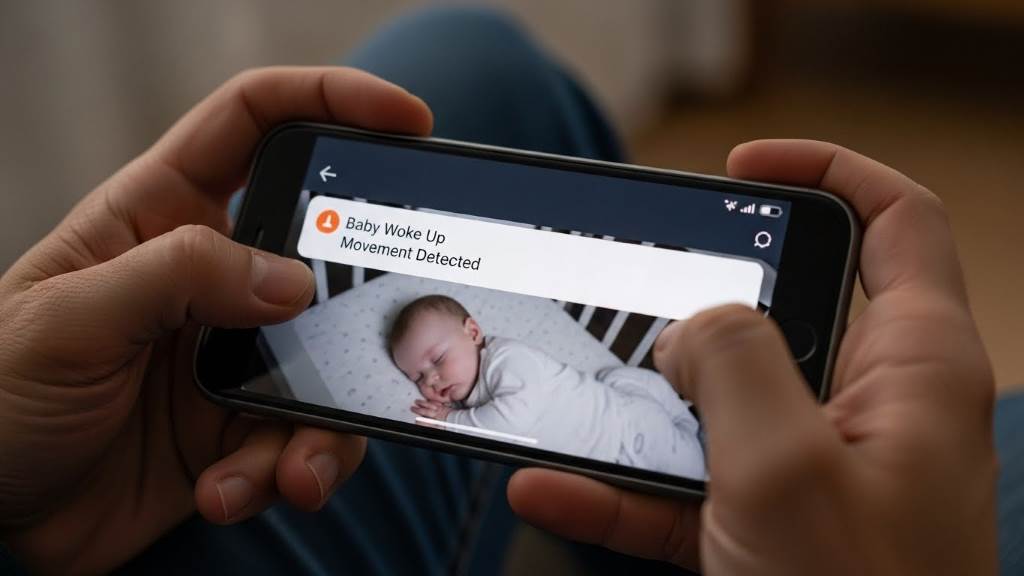
Imagine drifting off to sleep knowing your little one rests safely just a room away. Yet, every new parent faces those nagging worries about sudden cries or unexpected movements during the night. Smart baby monitors step in here, transforming parental anxiety into confidence through timely updates. These devices deliver real-time insights, helping you respond quickly without constant checks. For instance, monitor alerts and notifications keep you connected seamlessly, offering reassurance right on your phone.
Research backs this up. A study from BMJ Paediatrics Open found that when these tools function well, parents report improved sleep quality and reduced anxiety in 23% of cases. Additionally, another investigation revealed that 94% of users experienced better rest thanks to reliable monitoring. Therefore, mastering these features unlocks true tranquility. Now, let’s dive deeper into how you can make the most of them.
Understanding Smart Baby Monitors
Parents often wonder what sets smart baby monitors apart from traditional ones. These advanced gadgets connect to your smartphone or tablet, providing more than just audio feeds. They incorporate video streaming, motion detection, and environmental sensors. As a result, you gain a fuller picture of your baby’s well-being.
Consider the evolution of this technology. Early models simply transmitted sounds, but today’s versions use AI to analyze patterns. For example, some detect breathing rhythms or room temperature changes. Consequently, you receive proactive alerts before issues escalate. Experts note that such innovations address common parental concerns effectively.
Furthermore, integration with home assistants like Alexa or Google Home adds convenience. You can check on your baby with a simple voice command. However, remember that not all features suit every family. Assess your needs first. Do you prioritize video quality or sound clarity? Answering this guides your choice.
Studies show these devices reduce stress levels significantly. In fact, one report indicated that 75% of parents select them specifically for reassurance. Meanwhile, market growth reflects rising demand. The U.S. baby monitor sector expands at 8.11% annually, driven by safety awareness. Thus, understanding these tools empowers you to use them wisely.
Smart monitors also track sleep data over time. This helps identify trends, like frequent wake-ups at certain hours. Armed with this information, you adjust routines accordingly. Nevertheless, balance technology with instinct. Over-reliance might heighten worries if alerts glitch occasionally.
In summary, these monitors blend innovation and practicality. They evolve constantly, incorporating feedback from users worldwide. So, embrace them as allies in your parenting journey.
Choosing the Right Smart Baby Monitor
Selecting a suitable monitor involves weighing several factors. First, evaluate connectivity options. Wi-Fi models offer remote access, ideal for working parents. On the other hand, radio-based ones provide reliability without internet dependence.
Look at camera resolution next. High-definition views ensure clear images, even in low light. Night vision capabilities prove essential for overnight monitoring. Additionally, two-way audio lets you soothe your baby from afar.
Sensor variety matters too. Temperature and humidity detectors alert you to uncomfortable conditions. Motion sensors notify you of activity, preventing surprises. Sound activation saves battery by triggering only when needed.
Compatibility with your devices counts. Ensure the app works on your phone’s operating system. User reviews highlight ease of setup and reliability. For instance, models with long battery life suit larger homes.
Research emphasizes security features. Encrypted connections protect against unauthorized access. Recent studies warn about potential vulnerabilities in older models. Therefore, opt for brands with strong privacy protocols.
Finally, consider expandability. Some systems allow multiple cameras for growing families. This flexibility adapts to your changing needs. By focusing on these elements, you pick a monitor that truly enhances your peace.
Setting Up Your Baby Monitor for Optimal Alerts
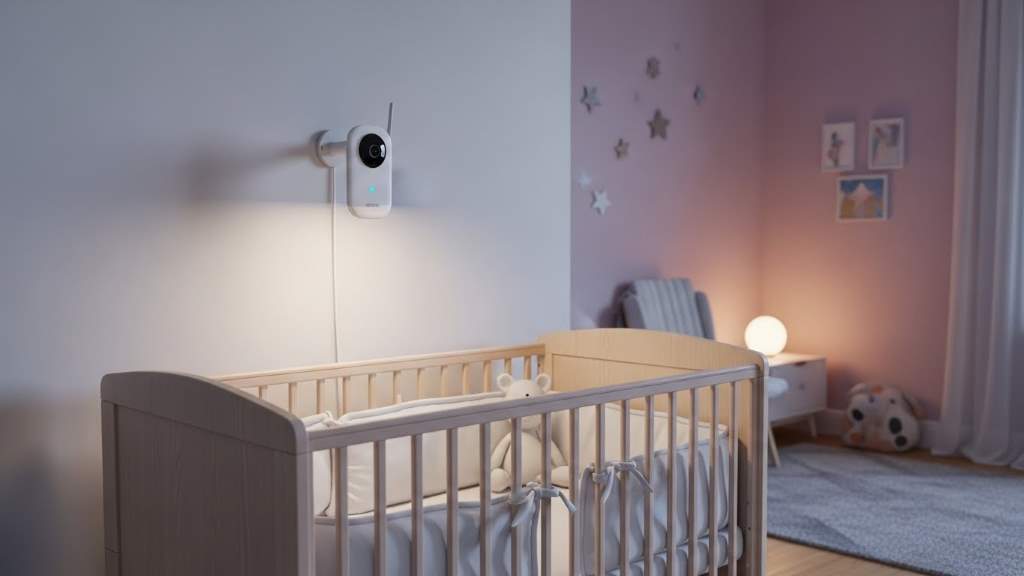
Proper installation forms the foundation for effective alerts. Begin by positioning the camera strategically. Place it above the crib, angled to capture the entire sleep area. Avoid direct sunlight or heat sources that might interfere.
Secure all cords out of reach. Use wall mounts or clips to prevent tangling hazards. Experts recommend testing the view from different angles. This ensures no blind spots remain.
Connect the device to your network securely. Follow the app’s guided setup for seamless pairing. Customize initial settings, like alert volume and sensitivity. Start with medium levels to avoid overload.
Test notifications thoroughly. Simulate sounds or movements to verify responses. Adjust as needed for accuracy. One tip involves placing the unit away from noisy appliances.
Incorporate environmental checks. Set thresholds for temperature alerts, say between 68 and 72 degrees Fahrenheit. Humidity notifications help maintain ideal conditions.
Regular maintenance keeps things running smoothly. Update firmware promptly for bug fixes and new features. Clean lenses periodically for clear visuals.
Case studies show that well-set monitors reduce false alarms by up to 50%. Consequently, you enjoy fewer disruptions. With these steps, your setup delivers reliable peace.
Related:
Affordable Baby Monitors That Don’t Compromise on Quality
Why Is Your Baby Refusing a Bottle After Breastfeeding Exclusively?
Customizing Notifications to Suit Your Needs
Personalization turns generic alerts into tailored guardians. Start by prioritizing alert types. Focus on critical ones, like crying detection or motion outside set zones.
Adjust sensitivity sliders in the app. Higher settings catch subtle noises, while lower ones ignore background hums. Experiment during quiet times to find the sweet spot.
Schedule notifications based on routines. Mute them during nap hours if you’re nearby. Enable full mode at night for comprehensive coverage.
Integrate with smartwatches for discreet vibrations. This way, alerts reach you without disturbing others. Some apps allow custom sounds for different events.
Group alerts logically. For example, combine temperature and humidity into one category. This streamlines your response process.
User feedback highlights the value of AI learning. Over time, systems adapt to your baby’s patterns, refining accuracy. A Japanese study found this reduces parenting stress notably.
Avoid overwhelming yourself with too many options. Start simple, then add features gradually. This approach builds confidence steadily.
In essence, customization aligns technology with your lifestyle. It transforms alerts from interruptions into helpful nudges.
Integrating Alerts with Your Daily Routine
Blending monitor notifications into everyday life boosts efficiency. Begin by linking them to your calendar app. Set reminders for routine checks alongside other tasks.
During work hours, use do-not-disturb modes selectively. Allow only urgent alerts through. This maintains focus while ensuring safety.
Share access with trusted family members. Grandparents or partners can respond when you’re occupied. Coordinate via group chats for seamless handoffs.
Incorporate alerts into bedtime rituals. Review daily summaries to spot patterns. Adjust sleep environments based on insights.
For travel, portable models keep consistency. Sync them with hotel Wi-Fi for uninterrupted monitoring.
Research indicates that integrated systems improve parental engagement. Parents feel more connected, reducing isolation feelings.
Adapt as your baby grows. Shift from constant monitoring to occasional checks. This fosters independence gently.
Ultimately, integration makes technology a natural extension of parenting. It frees up time for joyful moments.
Advanced Features for Enhanced Peace of Mind
Explore cutting-edge capabilities to elevate your experience. AI-powered breathing trackers monitor vital signs non-invasively. They alert you to irregularities promptly.
Sleep analytics provide detailed reports. Track cycles and durations for better routines. Share data with pediatricians for informed advice.
Virtual boundaries create safe zones. Notifications trigger if your toddler wanders. This adds layers of protection.
Multi-room setups cover entire homes. Switch views effortlessly between areas. Ideal for active families.
Voice activation simplifies interactions. Command updates without touching your phone. Convenience at its best.
Studies confirm these features enhance sleep quality for 94% of users. They offer data-driven reassurance.
However, verify accuracy with professional tools occasionally. Balance tech with hands-on care.
These advancements push boundaries, delivering unprecedented tranquility.
Troubleshooting Common Alert Issues
Even top monitors encounter hiccups. Address false alarms by recalibrating sensors. Dust or repositioning often resolves this.
If notifications delay, check internet stability. Restart routers or switch networks. App updates fix software glitches.
Battery drains signal overuse. Optimize by lowering video quality when possible. Charge units nightly.
Connectivity drops require signal boosters in large spaces. Place bases centrally for better range.
Overheating alerts stem from poor ventilation. Ensure airflow around devices.
Community forums offer real-user solutions. One dad shared how firmware tweaks eliminated echoes.
Prevent issues with regular diagnostics. Run tests weekly for peace.
Troubleshooting empowers you to maintain reliability effortlessly.
Safety and Privacy Considerations
Prioritize security in your monitoring setup. Choose models with end-to-end encryption. Change default passwords immediately.
Regularly review access logs. Revoke permissions from unused devices. This minimizes risks.
Position cameras thoughtfully. Cover only necessary areas to respect privacy.
Educate yourself on data storage. Opt for local saving over cloud if concerned.
Experts warn about potential anxiety from over-monitoring. Use alerts judiciously.
Teach older siblings about boundaries. Explain why cameras exist.
Safe practices ensure technology serves positively.
Conclusion
Smart baby monitor alerts revolutionize parenting by offering real-time reassurance and practical insights. You learned to choose, set up, customize, and integrate these tools effectively. Advanced features and troubleshooting tips further enhance their value. Safety remains key throughout.
Take action today. Assess your current setup and implement one new tip. Your family deserves that extra layer of calm. Start maximizing your peace now.
FAQs
FAQ 1: What makes smart baby monitors different from regular ones?
Smart versions connect via apps, providing video, sensors, and AI analysis. They deliver customizable alerts for better responsiveness.
FAQ 2: How do I reduce false alarms from my monitor?
Adjust sensitivity settings and position the camera properly. Regular cleaning and updates help too.
FAQ 3: Can these monitors track my baby’s sleep patterns?
Yes, many analyze cycles and provide reports. This aids in establishing healthy routines.
FAQ 4: Are there privacy risks with Wi-Fi monitors?
Potential exists, but encryption and strong passwords mitigate them. Choose reputable brands.
FAQ 5: When should I stop using baby monitor alerts?
Transition as your child grows independent, around toddler age. Trust your instincts gradually.
References