How to Decide Between Bike Rollers vs Trainer for Indoor Workouts
Indoor cycling has become increasingly popular among cyclists who want to maintain their fitness year-round. Whether you’re dealing with harsh weather, limited daylight, or time constraints, bringing your training indoors offers a practical solution. However, choosing between rollers and trainers can feel overwhelming, especially with so many options available today.
Both rollers and trainers serve the purpose of keeping you pedaling when outdoor riding isn’t possible. Yet, they offer dramatically different experiences and benefits. Understanding these differences will help you make an informed decision that aligns with your training goals, budget, and space constraints.
This comprehensive guide will walk you through everything you need to know about both options. By the end, you’ll have the knowledge to confidently choose the equipment that best suits your needs.
Understanding Basic Bike Rollers
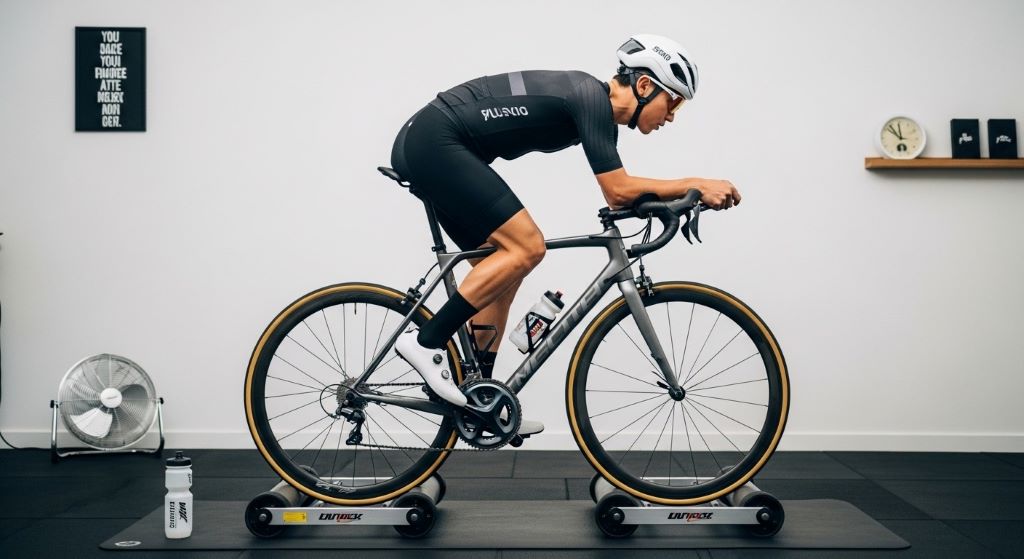
Bike rollers consist of three cylindrical drums mounted on a frame. Your bicycle balances on these drums, with the front wheel resting on one drum and the rear wheel spanning two others. A belt connects the drums, allowing them to spin together as you pedal.
Using rollers requires balance and concentration. There’s nothing holding your bike in place, so you must maintain your position through continuous micro-adjustments. This creates a riding experience that closely mimics outdoor cycling, where you constantly make small corrections to stay upright and moving forward.
Rollers come in various sizes and configurations. Standard rollers have no resistance mechanism beyond the friction of the drums themselves. Some models include magnetic or fluid resistance units that attach to the rear drum, providing additional challenge when needed.
The learning curve for rollers can be steep. Most beginners need a doorway or wall nearby for support during their first few sessions. However, most riders become comfortable within a few rides. Once mastered, rollers provide an engaging workout that improves bike handling skills and pedaling efficiency.
Exploring Indoor Bike Trainers
Trainers work differently than rollers. Your bike attaches to a stationary frame, either by clamping the rear axle or connecting through the rear dropout. The rear wheel either presses against a resistance unit or gets removed entirely in wheel-off models.
Several trainer types exist on the market. Wheel-on trainers keep your rear wheel in place while pressing it against a resistance drum. Direct-drive trainers replace your rear wheel completely, with your chain connecting directly to a cassette on the trainer. This design eliminates tire wear and provides quieter operation.
Modern trainers often include electronic controls that adjust resistance automatically. These smart trainer comparison options can simulate hills, follow structured workouts, or sync with virtual riding platforms. The technology creates an immersive experience that can make indoor training more engaging and effective.
Traditional trainers use fluid, magnetic, or wind resistance. Each type offers different feels and noise levels. Fluid trainers provide smooth, progressive resistance. Magnetic trainers offer adjustable resistance levels. Wind trainers create resistance through a fan, producing significant noise but excellent cooling.
Comparing the Riding Experience
The feel of riding on rollers versus trainers differs substantially. Rollers allow your bike to move naturally beneath you, creating a sensation similar to road riding. You can stand, sprint, and shift your weight just as you would outdoors. This freedom of movement makes workouts feel less constrained.
Trainers lock your bike in place, creating a more stable but less natural feeling. Your bike doesn’t sway side to side during standing efforts. Some riders find this restrictive, while others appreciate the stability for high-intensity intervals or when watching entertainment during workouts.
Noise levels vary significantly between options. Rollers generally produce less noise than wheel-on trainers, creating mainly tire hum and drivetrain sounds. Direct-drive trainers operate very quietly, making them ideal for apartment dwellers or late-night training sessions.
The mental engagement required also differs. Rollers demand constant attention to maintain balance and position. You can’t simply zone out or look away for extended periods. Trainers allow you to focus entirely on your workout intensity without worrying about staying upright.
Analyzing Training Benefits
Each option provides distinct training advantages. Rollers excel at improving bike handling and pedaling technique. The balance requirement forces you to maintain smooth, circular pedaling. Inefficient pedaling becomes immediately apparent as your bike wobbles or drifts on the drums.
Additionally, rollers naturally encourage proper form. Riders tend to stay relaxed and centered, avoiding tension that causes instability. This develops habits that transfer directly to outdoor riding, making you smoother and more efficient on the road.
Trainers shine for structured interval workouts. The stability allows you to focus entirely on power output without worrying about balance. Smart models provide precise resistance control, making them perfect for following specific training plans or testing your fitness.
Resistance trainers offer greater versatility in workout types. You can simulate steep climbs, perform standing sprints, or maintain steady efforts without technical concerns. The ability to precisely control and measure resistance makes structured training more effective.
Considering Space and Storage
Space requirements differ between these options. Rollers typically have a smaller footprint than most trainers. Standard rollers measure about three feet long and one foot wide. They fold flat or stack vertically for storage, making them convenient for smaller living spaces.
Trainers require more dedicated space. The frame extends beyond your bike’s wheelbase, and you need clearance for handlebars and any attached devices. Direct-drive trainers tend to be bulkier than wheel-on models due to their integrated flywheels.
However, trainers generally stay set up once positioned. You can leave your bike mounted and ready to ride. Rollers require placing them on the floor and rolling your bike onto them each session, though this takes only seconds.
Portability becomes a factor for some cyclists. Rollers are lighter and more compact, making them easier to transport to races or training camps. Trainers, especially direct-drive models, weigh significantly more and can be awkward to move frequently.
Evaluating Cost Considerations
Budget plays a significant role in equipment decisions. Basic rollers start around one hundred dollars for simple aluminum models. Mid-range rollers with resistance units cost between two and four hundred dollars. High-end models with additional features can reach six hundred dollars or more.
Entry-level trainers begin around two hundred dollars for basic magnetic models. Quality wheel-on fluid trainers range from three to five hundred dollars. Smart trainers start around five hundred dollars and can exceed fifteen hundred dollars for premium direct-drive units.
Therefore, rollers generally cost less initially. However, consider long-term value. Rollers have fewer parts that can break or wear out. Trainers, particularly those with electronic components, may require eventual repairs or replacement.
Smart trainer comparison shopping reveals significant price variations based on features. Models with accurate power measurement, automatic resistance control, and quiet operation command premium prices. Decide which features matter most for your training goals before investing.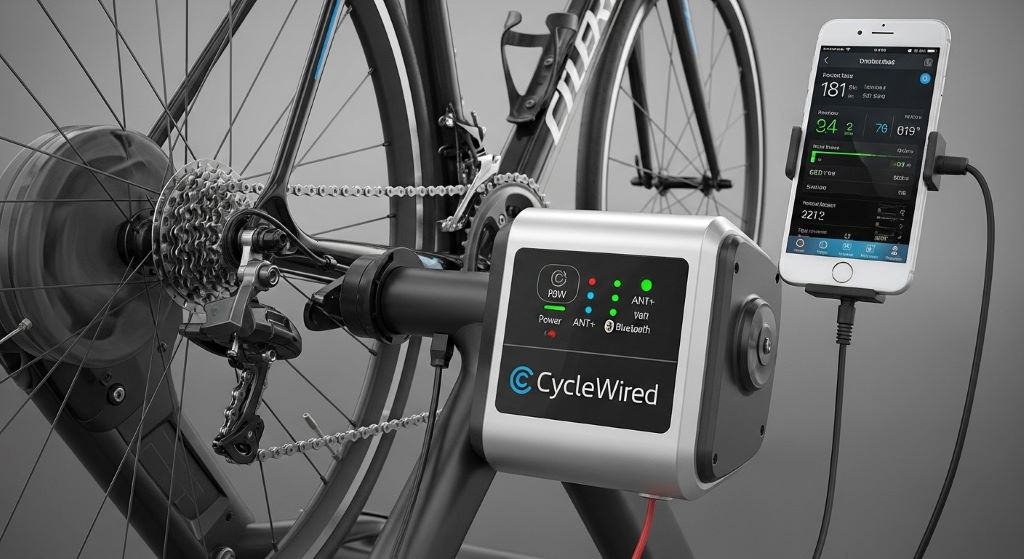
Understanding Maintenance Requirements
Maintenance needs differ between rollers and trainers. Rollers require minimal upkeep. Keep the drums clean and occasionally lubricate the belt and bearings. Some models have replaceable drum covers that wear over time from tire contact.
Wheel-on trainers experience tire wear from friction against the resistance drum. Many riders use dedicated trainer tires, which are harder and more wear-resistant than road tires. The resistance drum may need occasional cleaning to remove rubber buildup.
Direct-drive trainers eliminate tire wear concerns entirely. Maintenance involves keeping the cassette clean and occasionally checking belt tension or lubricating moving parts. These models generally require less frequent maintenance than wheel-on versions.
Both options benefit from regular cleaning. Sweat is corrosive and can damage frames, bearings, and electronic components if left uncleaned. Using a sweat guard and wiping down equipment after each session extends its lifespan significantly.
Examining Noise Impact
Sound levels matter, especially in shared living spaces. Rollers produce primarily tire noise and drivetrain sounds. The volume depends on tire choice and pedaling smoothness. They’re generally quieter than wheel-on trainers but louder than quality direct-drive models.
Wheel-on trainers create noise from tire-roller friction and the resistance mechanism. Fluid trainers tend to be quieter than magnetic ones. Wind trainers are the loudest option, producing significant fan noise that increases with speed.
Direct-drive trainers operate very quietly. They eliminate tire noise entirely and use smooth belt or electronic resistance systems. Most produce less sound than normal pedaling outdoors, making them excellent for noise-sensitive environments.
Furthermore, consider vibration transmission. All indoor cycling equipment creates some vibration that can travel through floors. Using a rubber mat underneath your setup reduces noise transmission to rooms below and protects flooring.
Assessing Technology Integration
Modern indoor cycling often involves apps and virtual platforms. Connectivity options vary significantly between equipment types. Basic rollers offer no electronic integration. You rely on separate sensors for speed, cadence, and heart rate data.
Some advanced rollers include electronic resistance control compatible with training apps. These models bridge the gap between traditional rollers and smart trainers, offering app integration while maintaining the balance-required riding experience.
Smart trainers excel at technology integration. They communicate directly with training apps, automatically adjusting resistance to match virtual terrain or workout intervals. Built-in power meters provide accurate performance data without additional sensors.
Many cyclists enjoy virtual riding platforms that simulate outdoor routes or structured workouts. These applications work best with smart trainers that can accurately replicate resistance changes. However, you can use basic trainers or rollers with these apps, though without automatic resistance control.
Developing Specific Skills
Your training goals should influence your equipment choice. Rollers specifically develop balance, smooth pedaling, and bike handling. Track cyclists and criterium racers particularly benefit from roller work, as it improves the handling skills crucial for pack riding.
Rollers also enhance neuromuscular coordination. The balance requirement forces your nervous system to coordinate fine motor control while maintaining power output. This develops efficiency that translates directly to outdoor performance.
Trainers better serve structured power-based training. If you follow specific training plans with prescribed intervals, a trainer provides the stable platform needed to hit precise targets. The ability to focus entirely on power output without balance concerns maximizes workout effectiveness.
Additionally, trainers allow realistic climbing simulation. Smart models can replicate gradient changes, forcing you to increase power output just as you would on actual hills. This specificity helps prepare for events with significant climbing.
Determining Your Best Option
Several factors should guide your decision. Consider your primary training goals first. If improving bike handling and pedaling efficiency matters most, rollers provide unique benefits. If structured interval training and power development are priorities, trainers offer better tools.
Your living situation plays a role. Apartment dwellers may prefer quieter direct-drive trainers. Those with dedicated training spaces have more flexibility regarding noise and space requirements.
Budget constraints naturally limit options. Rollers provide an affordable entry point with lower initial investment. However, if you plan extensive indoor training, investing more in a quality trainer might provide better long-term value and motivation.
Experience level matters too. Beginners might find trainers less intimidating initially. However, learning to use rollers isn’t as difficult as many fear, and the skills gained prove valuable. Starting with basic equipment and upgrading later remains a viable strategy.
Combining Both Options
Some serious cyclists own both rollers and trainers. This combination provides maximum training versatility. Use rollers for warm-ups, cool-downs, or technique-focused sessions. Save the trainer for hard interval workouts or long endurance rides.
Having both options prevents boredom during long indoor training seasons. Varying your equipment keeps workouts mentally fresh. The different challenges each presents create more engaging training blocks.
However, owning both requires more storage space and financial investment. Most cyclists should choose one option initially, then consider adding the other if their training demands evolve or their budget allows expansion.
Making the Final Decision
No single right answer exists for everyone. Your ideal choice depends on personal priorities, training goals, and practical considerations. Both rollers and trainers can effectively maintain and improve fitness during periods when outdoor riding isn’t possible.
Consider trying both options if possible. Many bike shops or cycling clubs have equipment you can test. A few sessions on each will reveal which feels better and aligns with your training style.
Remember that the best indoor training equipment is the one you’ll actually use consistently. Choose something that fits your space, budget, and motivation level. Regular indoor training on any equipment beats sporadic workouts on perfect gear.
Conclusion
Deciding between bike rollers and trainers requires careful consideration of your specific needs and circumstances. Rollers offer a natural riding feel that improves balance and pedaling technique, making them excellent for skill development. They’re generally more affordable, quieter than wheel-on trainers, and require less storage space.
Trainers provide stability and precision that work well for structured interval training. Modern smart trainer comparison reveals impressive technology that can make indoor workouts engaging and effective. Resistance trainer options range from basic models to sophisticated smart units that integrate with virtual riding platforms.
Your training goals should guide your decision. Those focused on bike handling and pedaling efficiency will appreciate rollers. Cyclists prioritizing power-based training and structured workouts benefit more from trainers. Budget, space, noise tolerance, and technology preferences also factor into the ideal choice.
Ultimately, both options can keep you fit and ready for outdoor riding season. Choose the equipment that matches your priorities and that you’ll use consistently. Whether you select rollers, a trainer, or eventually both, regular indoor training will maintain your fitness and improve your cycling performance year-round.
Frequently Asked Questions
Can beginners safely use bike rollers without falling?
Yes, beginners can safely learn to use rollers with proper precautions. Start in a doorway where you can brace yourself against the walls. Most people achieve basic competence within two or three sessions. Begin with short rides and gradually increase duration as confidence grows. The learning process typically takes less than a week of regular practice.
Do I need a special tire for indoor trainers?
You don’t absolutely need a special tire for wheel-on trainers, but trainer-specific tires significantly extend lifespan and reduce noise. Regular road tires wear quickly from trainer friction and create more noise. Trainer tires use harder rubber compounds designed specifically for indoor use. Direct-drive trainers don’t require any special tire since your rear wheel is removed completely.
How accurate are smart trainers for power measurement?
Quality smart trainers typically measure power within two to three percent accuracy, which is comparable to dedicated power meters. High-end models achieve even better accuracy through advanced calibration. This precision makes them reliable tools for structured training. However, accuracy varies between brands and models, so research specific units before purchasing if precise power data matters for your training.
Can I use my mountain bike on rollers or trainers?
You can use mountain bikes on both rollers and most trainers. Rollers accommodate any bike that fits on their drums, though wider tires may require wider roller drums. Many trainers work with mountain bikes, though some require adapters for different axle standards. Direct-drive trainers need a cassette matching your bike’s drivetrain, which works for both road and mountain bikes.
How much noise do bike rollers make compared to trainers?
Rollers generally produce less noise than wheel-on trainers but more than premium direct-drive trainers. Roller noise comes mainly from tire hum, which varies with tire type and riding speed. Wheel-on trainers create friction noise plus resistance unit sounds. Direct-drive trainers operate very quietly, producing mainly drivetrain noise. Using a mat under any equipment reduces vibration and noise transmission significantly.
Related Topics:
Can I use a mountain bike on a turbo trainer?