How to Compare the Best Luggage Brands in 2026
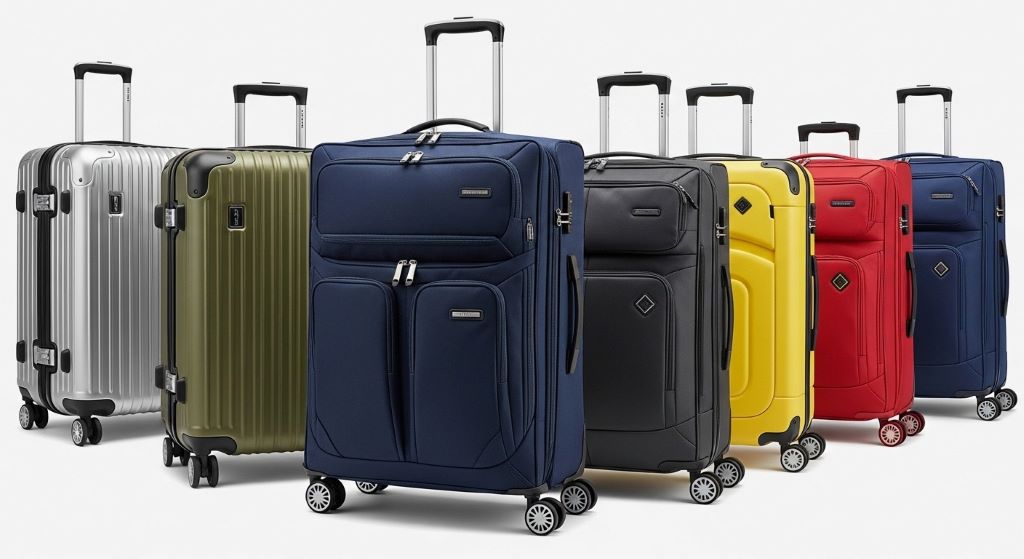
Choosing the right luggage can make or break your travel experience. With countless brands flooding the market, finding the perfect suitcase requires careful consideration of multiple factors. This comprehensive guide will walk you through everything you need to know about comparing luggage brands in 2026, helping you make an informed decision for your next purchase.
Why Brand Comparison Matters
Not all suitcases are created equal. Some brands prioritize durability, while others focus on lightweight designs or innovative features. Understanding what each brand offers helps you match your specific travel needs with the right product. Therefore, taking time to compare options saves money and prevents disappointment down the road.
Essential Features to Consider
When evaluating different brands, certain features should guide your decision-making process. These elements determine how well a suitcase performs during real-world travel situations.
Material and Construction Quality
The material of your luggage directly impacts its longevity. Hardshell suitcases made from polycarbonate or ABS plastic offer excellent protection for fragile items. However, they can crack under extreme pressure. Softshell options provide flexibility and often include exterior pockets for easy access to essentials.
Premium brands typically use aircraft-grade aluminum for their high-end lines. This material withstands rough handling by airport baggage crews. Additionally, the quality of zippers, handles, and wheels reveals much about overall construction standards. YKK zippers, for instance, are industry leaders known for reliability.
Weight Considerations
Airlines continue tightening weight restrictions. Consequently, a lightweight suitcase gives you more room for actual belongings. Modern materials allow manufacturers to create sturdy yet featherlight designs. Some brands specialize in ultra-light options weighing less than seven pounds for carry-on sizes.
Nevertheless, extremely lightweight luggage sometimes sacrifices durability. Finding the right balance between weight and strength requires careful evaluation of your travel patterns. Frequent flyers might prioritize weight savings, while occasional travelers can afford heavier but more protective options.
Wheel Systems and Maneuverability
Smooth-rolling wheels transform airport navigation from stressful to effortless. Four-wheel spinner systems offer superior maneuverability compared to traditional two-wheel designs. You can push the suitcase alongside you or pull it behind with equal ease.
Japanese-made Hinomoto wheels represent the gold standard in the industry. Many premium brands incorporate these high-quality components. Furthermore, larger wheels handle uneven surfaces better, making them ideal for cobblestone streets and rough terrain.
Interior Organization
A well-designed interior keeps belongings organized throughout your journey. Compression straps prevent items from shifting during transit. Dividers and pockets help separate clean clothes from worn items. Some brands include removable garment bags or shoe compartments.
Smart organizational features reduce packing time and stress. Additionally, they minimize wrinkles in dress clothes and keep toiletries separate from other items. Consider how you typically pack and choose a brand that supports your organizational style.
Evaluating Warranty and Customer Service
Protection plans reveal how much confidence a manufacturer has in their product. Strong coverage indicates quality construction and reliable performance. When conducting a top suitcase brands comparison, warranty terms should factor heavily into your decision.
Standard Warranty Offerings
Most reputable brands offer limited lifetime warranties covering manufacturing defects. This warranty luggage protection typically excludes damage from airline handling or normal wear and tear. However, coverage specifics vary significantly between manufacturers.
Some companies provide one-year warranties, while others extend protection for five years or more. Read the fine print carefully. Certain brands cover wheels and handles separately from the main body. Others require product registration within specific timeframes to activate coverage.
Repair Services and Replacement Policies
Beyond written warranties, consider the actual service experience. Some brands maintain repair centers in major cities, making fixes convenient and quick. Others require shipping damaged luggage back to the manufacturer, creating delays and additional costs.
Progressive companies now offer temporary replacement suitcases while yours undergoes repair. This service proves invaluable for frequent travelers who cannot afford downtime. Additionally, check whether the brand stocks replacement parts for older models or discontinues support after a few years.
Customer Support Accessibility
Responsive customer service makes resolving issues painless. Look for brands offering multiple contact channels including phone, email, and live chat. Moreover, check online reviews specifically mentioning warranty claims and customer service interactions.
Companies with dedicated support teams typically resolve problems faster than those outsourcing these functions. Therefore, investigate how each brand handles customer complaints before making your purchase decision.
Price Points and Value Analysis
Luggage prices range from budget-friendly options under one hundred dollars to luxury pieces exceeding a thousand dollars. Understanding what drives these price differences helps you determine the best value for your budget.
Budget-Friendly Brands
Affordable brands make travel accessible to everyone. These manufacturers cut costs through simplified designs and basic materials. While they may lack premium features, many budget options perform adequately for occasional travelers.
However, cheaper suitcases often require replacement after a few trips. Calculate the cost per use when comparing prices. Sometimes investing more upfront provides better long-term value. Additionally, budget brands typically offer minimal warranty coverage.
Mid-Range Options
The sweet spot for many travelers falls in the mid-price category. These brands balance quality construction with reasonable pricing. They incorporate durable materials and thoughtful features without luxury markups.
Mid-range luggage often includes better wheels, reinforced corners, and expanded warranties. Furthermore, these brands frequently update designs based on customer feedback. You get reliable performance without breaking the bank.
Luxury and Premium Segments
High-end luggage represents an investment in travel comfort and style. Premium brands use the finest materials and cutting-edge manufacturing techniques. They often handcraft certain components and subject products to rigorous testing.
Luxury suitcases make statements about personal style and attention to detail. Nevertheless, the performance difference between premium and mid-range options may not justify the price gap for everyone. Evaluate whether exclusive features align with your actual needs.
Brand Reputation and User Reviews
A company’s track record speaks volumes about product quality and reliability. Researching brand histories and customer experiences provides valuable insights beyond marketing claims.
Established Heritage Brands
Some luggage manufacturers have operated for over a century. These heritage brands built reputations through consistent quality and innovation. Their longevity suggests reliable products and stable customer support.
However, established names sometimes rest on past achievements rather than continuing innovation. Additionally, legacy brands often command premium prices based on reputation alone. Investigate whether current products maintain historical quality standards.
Emerging and Innovative Brands
New companies entering the market often bring fresh perspectives and modern features. They leverage advanced materials and manufacturing techniques unavailable to previous generations. Furthermore, startup brands frequently price aggressively to gain market share.
Direct-to-consumer models allow emerging brands to offer competitive prices by eliminating retail markups. Nevertheless, newer companies lack extensive track records. Research their customer service capabilities and warranty fulfillment before committing to a purchase.
Analyzing Customer Feedback
Online reviews provide unfiltered opinions from actual users. Look for patterns in feedback rather than focusing on individual complaints. Consistent mentions of specific problems indicate systemic issues worth considering.
Pay attention to reviews from travelers with similar needs to yours. A suitcase perfect for business trips might frustrate adventure travelers. Additionally, recent reviews matter more than older ones, as manufacturers frequently update designs and materials.
Specialized Features for Modern Travel
Technology integration and innovative designs continue reshaping luggage functionality. Understanding these advances helps you choose products that enhance your travel experience.
Smart Luggage Technology
Connected suitcases incorporate GPS tracking, built-in scales, and smartphone charging capabilities. These features add convenience but also complexity and potential failure points. Moreover, airline restrictions on lithium batteries affect certain smart luggage designs.
Evaluate whether technological features justify added weight and cost. Some travelers find tracking capabilities invaluable, while others prefer simpler solutions. Additionally, consider how technology updates might render smart features obsolete over time.
Security Features
TSA-approved locks provide security while allowing airport personnel to inspect your luggage without damage. Some brands integrate locks directly into zippers, while others use separate padlock systems. Advanced options include biometric fingerprint readers and app-controlled access.
However, no lock guarantees complete security. Determined thieves can bypass most locking mechanisms. Therefore, never pack irreplaceable valuables in checked luggage regardless of security features. Focus instead on deterring casual theft and meeting airline requirements.
Sustainability and Eco-Friendly Options
Environmental consciousness influences purchasing decisions for many travelers. Several brands now produce luggage from recycled plastics, organic fabrics, and sustainably sourced materials. These options reduce environmental impact without sacrificing performance.
Carbon-neutral manufacturing processes and take-back programs further demonstrate corporate responsibility. Nevertheless, verify sustainability claims through third-party certifications rather than relying solely on marketing materials. Authentic eco-friendly practices deserve support and recognition.
Making Your Final Decision
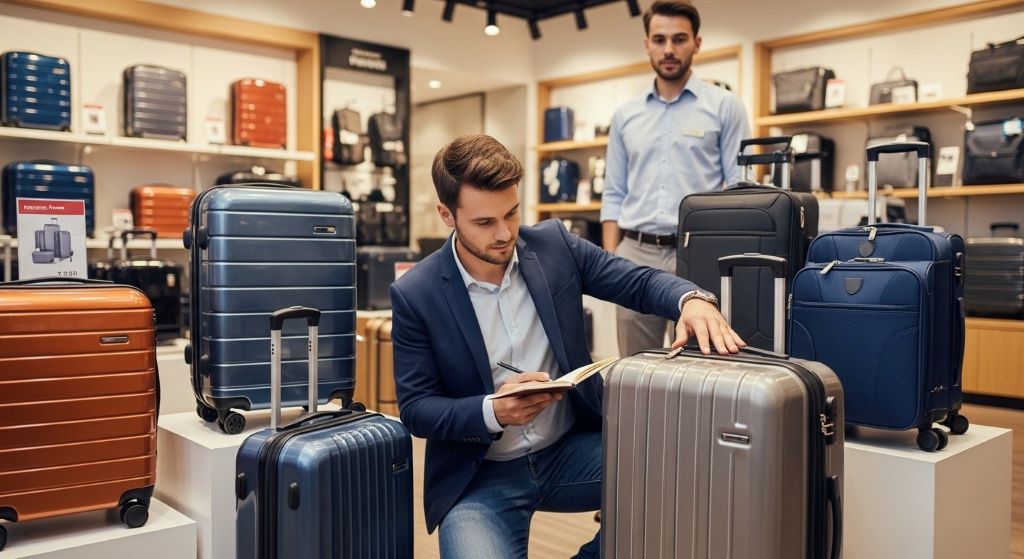
After evaluating all factors, narrow your choices to two or three finalists. If possible, visit stores to handle suitcases physically. Test wheel movement, handle comfort, and zipper smoothness. This hands-on experience often reveals details overlooked in online research.
Consider your typical travel patterns and destinations. Frequent flyers need maximum durability, while occasional vacationers might prioritize storage capacity. Business travelers require professional appearance and organizational features. Adventure seekers need rugged construction and weather resistance.
Create a checklist of must-have features versus nice-to-have options. This approach clarifies priorities and prevents decision paralysis. Moreover, setting a realistic budget range helps eliminate unsuitable choices quickly.
Read return policies carefully before purchasing. Reputable retailers allow returns within specified periods, giving you time to test the luggage on actual trips. Take advantage of this protection when available.
Conclusion
Comparing luggage brands requires examining multiple factors including construction quality, warranty coverage, price points, and specialized features. The best suitcase for you depends on individual travel patterns, budget constraints, and personal preferences. By systematically evaluating each brand against your specific needs, you can confidently select luggage that serves you well for years to come.
Remember that top suitcase brands comparison involves more than just reading specifications. Real-world performance, customer service quality, and warranty luggage protection all contribute to overall satisfaction. Take time to research thoroughly, read authentic reviews, and test products when possible. Your investment in quality luggage pays dividends through stress-free travel and reliable performance across countless journeys.
Frequently Asked Questions
What should I look for in a luggage warranty?
Look for warranties covering manufacturing defects for at least five years. Check whether the warranty includes wheels, handles, and zippers separately or as part of comprehensive coverage. Verify the claim process and whether repairs require shipping or can be done locally.
Are expensive luggage brands worth the extra cost?
Premium brands offer superior materials, better construction, and longer warranties. However, mid-range options often provide excellent value for most travelers. Consider how frequently you travel and whether specific premium features justify the higher price for your situation.
How do I know if luggage will hold up to airline handling?
Research customer reviews mentioning durability after multiple flights. Look for reinforced corners, quality wheel systems, and strong zippers. Hardshell designs typically protect contents better but may crack, while softshell options flex without breaking but offer less impact protection.
Can I trust online luggage reviews?
Online reviews provide valuable insights but require careful evaluation. Look for verified purchase badges and detailed descriptions of actual use. Be skeptical of reviews that sound like marketing copy or mention receiving free products. Focus on patterns across multiple reviews rather than individual opinions.
What size luggage should I buy first?
Start with a carry-on size that meets most airline requirements, typically around 22 inches. This versatile option works for short trips and business travel while avoiding checked baggage fees. Add larger checked luggage later as your travel needs expand.
Related Topics:
Where to Hike in New York City | Parks, Trails And Outdoor Escapes
Exploring the Largest Cities in Spain: A Guide to Spain’s Biggest Metropolises