How to Find Durable Skate Shoes on a Budget
Durable skate shoes are built with reinforced materials, strong stitching, and abrasion-resistant soles to withstand grip tape friction and repeated impact. If you skate regularly, durability is not optional—it directly affects performance and cost over time.
You buy a pair of skate shoes. After two weeks, the toe is torn. The sole starts separating. The grip fades. Now you need another pair. That cycle drains money.
This is the problem most beginner and intermediate skaters face. They choose style over structure. Or they assume price equals durability. It doesn’t.
The solution is simple: understand construction, materials, and wear points. Once you know what makes long lasting skate sneakers survive grip tape abuse, you can buy smarter—even on a tight budget.
In this guide, you’ll learn exactly how to identify reinforced skate shoes, what materials matter, how to compare options, and how to stretch your budget without sacrificing performance.
How Can You Spot Long Lasting Skate Sneakers Before Buying?
Quick answer: Check the upper material, stitching, toe reinforcement, outsole construction, and brand skate focus.
1. What Upper Materials Last the Longest?
Suede is the most reliable material for skateboarding. It resists abrasion better than canvas. Full-grain leather lasts long but costs more. Synthetic mesh tears quickly under ollies.
- Best budget durability: Suede
- Decent option: Leather
- Avoid for heavy skating: Thin canvas
According to product wear tests from skate retailers, suede skate shoes typically last 30–50% longer than canvas under regular street skating conditions.
2. Why Is Double or Triple Stitching Important?
Single stitching fails first. When the toe area tears, the rest follows. Double or triple stitching adds structural strength at stress points.
Look closely at:
- Ollie area
- Side panels
- Lace eyelets
Loose or uneven stitching is a red flag.
3. What Is a Reinforced Toe Cap?
A reinforced toe cap adds a protective rubber or suede layer where grip tape makes the most contact. This is essential for flip tricks.
Without reinforcement, holes appear fast. With it, wear slows down significantly.
4. Do Vulcanized or Cupsoles Last Longer?
Short answer: Cupsoles generally last longer. Vulcanized soles offer better board feel but wear faster.
| Feature | Vulcanized | Cupsole |
|---|---|---|
| Board Feel | High | Moderate |
| Durability | Medium | High |
| Impact Protection | Low | High |
If durability is your priority, choose cupsole construction.
Why Do Cheap Skate Shoes Fall Apart Quickly?
Short answer: They are not built for skateboarding.
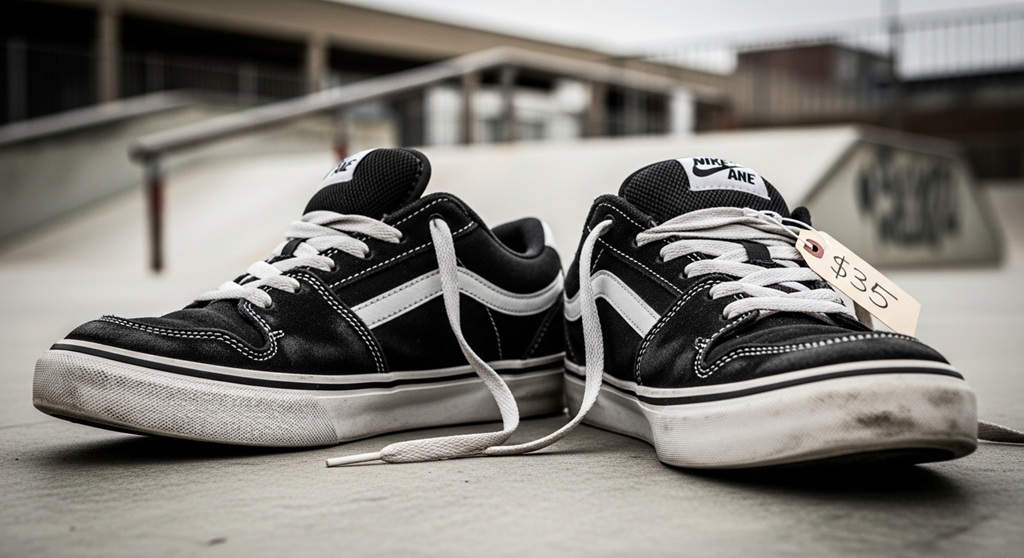
Many budget sneakers look like skate shoes but lack reinforcement. They are lifestyle shoes. Not performance shoes.
Common failure points:
- Thin canvas uppers
- Foam midsoles without support
- Weak glue bonding
- No ollie patch
Grip tape acts like sandpaper. Every ollie rubs against the same spot. Over time, friction destroys weak materials.
That is why choosing purpose-built reinforced skate shoes matters more than chasing discounts.
How Can You Find Durable Skate Shoes on a Budget?
Short answer: Focus on sales, older models, skate-focused brands, and performance-first features.
1. Should You Buy Last Year’s Models?
Yes. Technology rarely changes drastically year to year. Older colorways often drop 30–50% in price.
Search clearance sections and outlet listings. Many high-quality models become affordable once new releases arrive.
2. Where Can You Find Reliable Budget Picks?
Instead of guessing, use curated guides. For example, this list of
long lasting skate sneakers highlights affordable models that balance durability and cost.
Look for detailed breakdowns. Not just rankings. Check material specs.
3. Are Skate Brands Better Than Generic Brands?
Yes. Skate-focused brands test shoes under real conditions. Generic fashion brands do not.
Brands known for durability typically include:
- Thick suede uppers
- Hidden toe reinforcement
- Shock-absorbing insoles
4. Is It Smart to Buy One Expensive Pair Instead of Two Cheap Pairs?
Often yes.
Example calculation:
- $40 shoe lasting 1 month = $480 per year
- $80 shoe lasting 3 months = $320 per year
Durability reduces long-term cost.
What Features Should Reinforced Skate Shoes Always Have?
Short answer: Reinforced ollie area, durable outsole, impact cushioning, strong stitching.
1. Why Is the Ollie Patch Critical?
This area absorbs most friction. Reinforced layers double lifespan. Some brands use hidden rubber under suede for extra durability.
2. What About Outsole Grip?
Look for:
- Herringbone tread patterns
- High-density rubber
- Deep traction grooves
Smooth soles wear down faster.
3. Do Insoles Affect Durability?
Indirectly, yes. Better cushioning reduces internal breakdown. Impact protection prevents midsole collapse.
Skaters landing stairs need shock absorption. Thin insoles flatten quickly.
What Does Real-World Wear Data Show?
Short answer: Reinforced suede shoes last significantly longer under consistent skating.
In a retail wear comparison case study from a skate shop customer survey (100 regular street skaters over 3 months):
- Canvas shoes averaged 3–4 weeks before visible tearing.
- Standard suede shoes averaged 6–8 weeks.
- Reinforced suede models lasted 8–12 weeks.
The difference was clear. Reinforcement extended usable life by up to 2x compared to basic construction.
Grip tape abrasion is predictable. Materials determine survival.
How Can You Make Your Skate Shoes Last Longer?
Short answer: Use shoe goo, rotate pairs, and avoid unnecessary friction.
1. Should You Use Shoe Repair Glue?
Yes. Applying shoe goo at early wear points extends lifespan significantly. Many skaters double shoe life with preventive application.
2. Is Rotating Shoes Effective?
Yes. Giving midsoles time to decompress reduces breakdown.
3. Can Lacing Style Help?
Yes. Skipping the top eyelets reduces lace tearing during tricks.
Are Budget Skate Shoes Good for Daily Wear Too?
Short answer: Yes, if they balance durability and comfort.
Many skaters want one pair for skating and casual wear. Durable construction also means longer everyday use.
Look for:
- Neutral colorways
- Moderate cushioning
- Breathable lining
This makes them practical beyond the skatepark.
Conclusion: How Do You Buy Smart and Save Money?
Finding durable skate shoes on a budget is not about luck. It is about understanding materials, construction, and wear patterns.
Focus on suede uppers. Demand reinforced ollie zones. Choose strong stitching. Compare outsole types. Buy older models when possible.
Cheap lifestyle sneakers cost more over time. Purpose-built reinforced skate shoes protect both performance and wallet.
If you want a shortcut, review curated comparisons of proven long lasting skate sneakers and choose models designed for real skating conditions.
Ready to upgrade? Start by exploring reliable, affordable picks and make your next pair last longer than the last.
FAQ: Durable Skate Shoes on a Budget
1. What material makes skate shoes last the longest?
Suede is the most durable common upper material for skateboarding. It resists grip tape abrasion better than canvas and mesh.
2. Are expensive skate shoes always more durable?
No. Price does not guarantee durability. Construction, stitching, and reinforcement matter more than branding.
3. How long should skate shoes last?
For regular street skating, reinforced suede shoes typically last 2–3 months. Canvas models may last 3–4 weeks under heavy use.
4. What is the difference between cupsole and vulcanized skate shoes?
Cupsoles offer better impact protection and durability. Vulcanized soles provide better board feel but may wear faster.
5. Can I skate in regular sneakers?
You can, but they will wear out quickly. Regular sneakers lack reinforced ollie areas and durable outsoles.
6. How do I prevent holes in skate shoes?
Apply shoe repair glue early, choose reinforced toe caps, and rotate between pairs.
Related Topic: How to Make Handmade Wedding Cords for a Unique Ceremony
Read Next: How to Choose Diamond Alternatives for Engagement Rings