How Developmental Toys Support Toddler Growth and Learning
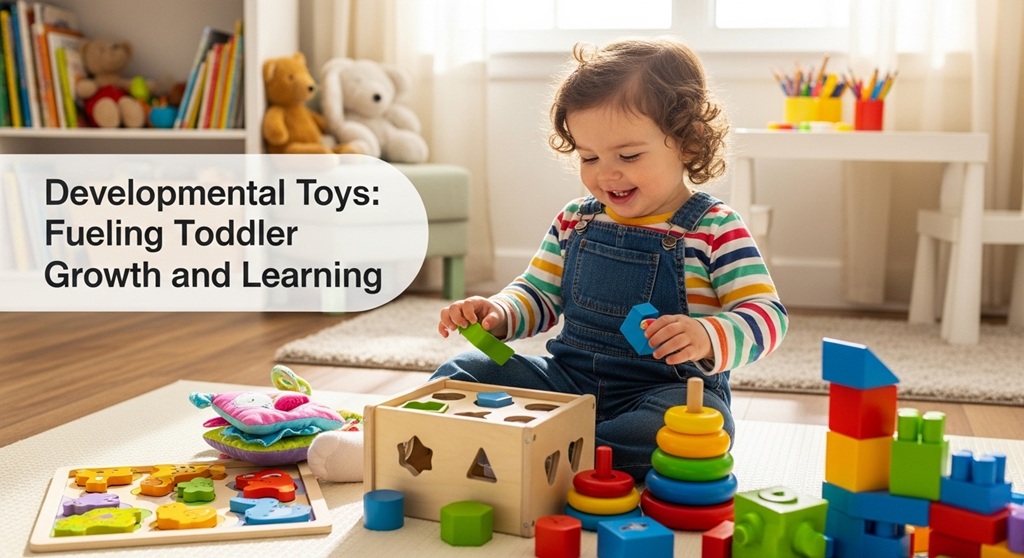
Toddlers learn faster in the first few years of life than at any other stage. According to research from the Center on the Developing Child at Harvard University, more than 1 million new neural connections form every second during early childhood. This rapid brain development means everyday experiences — including play — have a powerful impact on learning.
That is why developmental toys matter. These toys are designed to encourage exploration, movement, problem-solving, and creativity. When toddlers stack blocks, push a toy car, or match shapes, they are doing more than playing. They are strengthening neural pathways, building coordination, and learning how the world works.
Parents often search for toddler brain development toys, motor skill toys, and early learning toys because they want activities that support healthy growth. The right toys help toddlers improve memory, language skills, fine motor control, and emotional confidence.
This guide explains how developmental toys support toddler growth and learning, what science says about early play, and how parents can choose toys that actually help children develop key life skills.
What Are Developmental Toys for Toddlers?
Developmental toys are play tools designed to stimulate cognitive, physical, emotional, and social growth in young children. These toys encourage toddlers to move, explore, solve problems, and practice new skills through play.
Unlike passive entertainment, developmental toys require participation. Toddlers interact with the toy by stacking, sorting, pushing, building, or pretending. This interaction activates multiple parts of the brain.
Common examples of toddler developmental toys include:
- Stacking blocks
- Shape sorters
- Musical toys
- Ride-on toys
- Simple puzzles
- Activity cubes
- Push and pull toys
These toys support key areas of toddler development:
| Development Area | How Toys Help | Example Toys |
|---|---|---|
| Cognitive skills | Encourage thinking and problem solving | Puzzles, shape sorters |
| Motor skills | Improve hand and body coordination | Stacking toys, ride-on toys |
| Language development | Introduce words and sounds | Talking toys, books |
| Social development | Promote pretend play and interaction | Dollhouses, kitchen sets |
In short, developmental toys turn playtime into a natural learning experience.
How Do Toddler Brain Development Toys Improve Cognitive Growth?
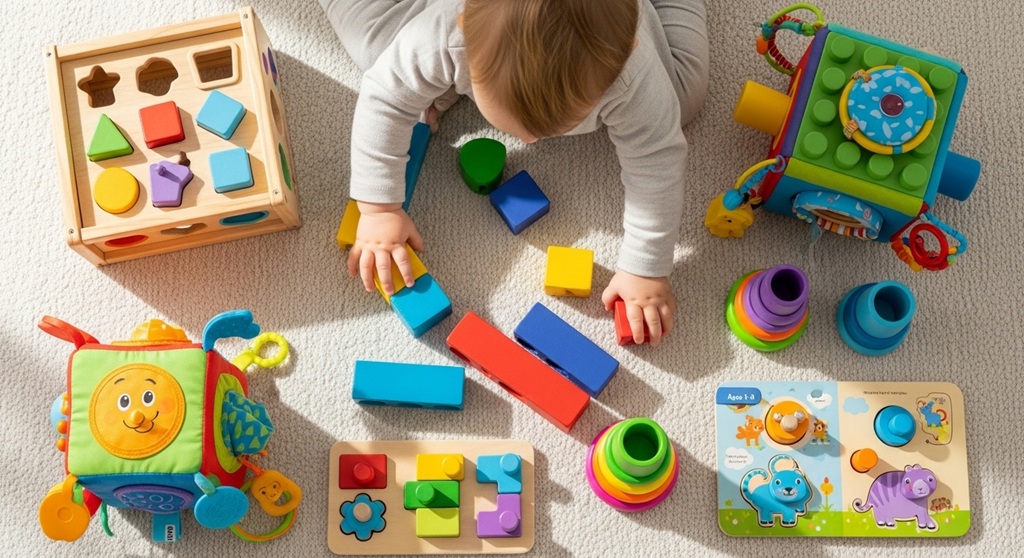
Toddler brain development toys improve cognitive growth by encouraging problem solving, memory building, and curiosity.
During the toddler years, children begin to understand patterns, cause-and-effect relationships, and basic logic. Toys designed for cognitive development create opportunities for toddlers to experiment and learn.
1. Strengthening Neural Connections
According to research published in the journal Pediatrics, interactive play with educational toys helps strengthen neural pathways responsible for learning and memory.
When toddlers repeat actions — like stacking blocks or fitting shapes — their brains reinforce those neural circuits.
This repetition is essential for cognitive development.
2. Encouraging Problem Solving
Toys such as puzzles or sorting games require toddlers to figure out solutions. For example, a shape sorter asks the child to match shapes with the correct hole.
This simple task teaches:
- Logical thinking
- Pattern recognition
- Trial and error learning
3. Supporting Early Math Skills
Many early learning toys introduce concepts such as:
- Counting
- Sorting
- Comparing sizes
- Recognizing shapes
These early experiences build the foundation for later academic learning.
Case studies from early childhood education programs show that toddlers exposed to structured play environments demonstrate stronger problem-solving abilities by preschool age.
How Do Motor Skill Toys Improve Physical Development?
Motor skill toys improve physical development by strengthening coordination, balance, and muscle control.
Toddlers are constantly learning how to control their bodies. Toys that encourage movement help develop both fine and gross motor skills.
Fine Motor Skills
Fine motor skills involve small muscle movements in the hands and fingers.
Motor skill toys that improve fine motor development include:
- Stacking rings
- Building blocks
- Shape sorters
- Bead maze toys
- Simple puzzles
These activities help toddlers develop the hand strength and coordination needed for later tasks like writing and drawing.
Gross Motor Skills
Gross motor skills involve larger movements using arms, legs, and the whole body.
Toys that support gross motor development include:
- Ride-on toys
- Push walkers
- Ball toys
- Climbing structures
A study from the American Academy of Pediatrics found that active play supports muscle development, balance, and physical confidence in toddlers.
What Types of Early Learning Toys Are Most Effective?
The most effective early learning toys are simple, interactive, and encourage imagination rather than passive entertainment.
Experts often recommend toys that allow children to control the play experience.
1. Building Blocks
Blocks are one of the most recommended toddler brain development toys. They promote creativity and spatial reasoning.
Benefits include:
- Improved hand-eye coordination
- Understanding balance and structure
- Encouraging imagination
2. Shape Sorters
Shape sorting toys help toddlers recognize shapes, colors, and patterns.
They also teach persistence because children must try multiple attempts before success.
3. Musical Toys
Musical instruments like small drums or xylophones introduce rhythm and sound recognition.
Research suggests music exposure supports language development and memory.
4. Pretend Play Toys
Kitchen sets, dolls, and toy tools encourage role-playing.
Pretend play strengthens:
- Language development
- Social understanding
- Creativity
5. Activity Centers
Activity cubes or multi-function learning tables combine several play features in one toy.
These toys support multiple developmental skills simultaneously.
Why Is Play Essential for Early Childhood Learning?
Play is essential because it allows toddlers to learn naturally through exploration and interaction.
Early childhood education experts widely agree that play is the primary way children understand their environment.
Learning Through Exploration
When toddlers manipulate objects, they learn how things work.
This experimentation builds curiosity and independence.
Language Development
Play also encourages communication. Toddlers describe objects, ask questions, and imitate words they hear.
Interactive toys that involve sounds or storytelling can support vocabulary growth.
Emotional Development
Pretend play helps toddlers understand emotions and social interactions.
For example, playing with dolls may teach empathy and caregiving behaviors.
How Can Parents Choose the Best Developmental Toys?
Parents should choose developmental toys based on safety, simplicity, and developmental value rather than flashy features.
Not every toy labeled “educational” actually supports learning.
When selecting toys, consider these guidelines:
- Choose age-appropriate toys
- Avoid toys with too many electronic features
- Look for open-ended play options
- Prioritize safe, non-toxic materials
- Select toys that encourage movement or problem solving
Experts also recommend rotating toys to keep toddlers engaged and curious.
What Does Research Say About Developmental Toys?
Research consistently shows that interactive play improves early childhood development.
A 2018 study from the American Academy of Pediatrics compared traditional toys with electronic toys.
The study found that toddlers using traditional toys with caregivers demonstrated:
- More verbal interaction
- Greater attention span
- Improved social engagement
Another case study from early childhood learning centers observed toddlers over a six-month period.
Children who regularly used problem-solving toys such as puzzles and blocks showed improved cognitive flexibility compared with children who mainly used passive digital toys.
This evidence reinforces a key principle: simple, interactive toys often support development better than complex electronic gadgets.
How Much Playtime Do Toddlers Need for Healthy Development?
Toddlers should have several hours of active play each day to support healthy brain and physical development.
According to the World Health Organization guidelines:
- Toddlers aged 1–2 years should have at least 180 minutes of physical activity daily.
- This activity should include a variety of movements such as crawling, walking, climbing, and playing.
Developmental toys make this activity more engaging and structured.
Short, frequent play sessions are often more effective than long periods of passive entertainment.
Conclusion: Why Developmental Toys Matter for Toddler Growth
Toddlerhood is a critical stage for learning. During these early years, the brain forms connections that influence future skills in language, problem solving, and physical coordination.
Developmental toys provide the tools toddlers need to explore, experiment, and learn through play. Simple toys like blocks, puzzles, and push toys can help strengthen neural connections, improve motor skills, and support emotional growth.
Research consistently shows that interactive play is one of the most effective ways to support early childhood development. When parents choose toys that encourage creativity, movement, and problem solving, they give toddlers valuable learning opportunities.
Ultimately, the goal is not to buy more toys — but to choose better ones.
Want to support your child’s learning through play? Start by selecting developmental toys that encourage curiosity, movement, and imagination. Even simple toys can make a big difference in how toddlers grow and learn.
Frequently Asked Questions (FAQs)
1. What are the best toddler brain development toys?
The best toddler brain development toys are interactive toys that encourage thinking and exploration. Examples include building blocks, shape sorters, puzzles, stacking toys, and activity cubes. These toys promote problem solving, memory development, and hand-eye coordination.
2. At what age should toddlers start using developmental toys?
Toddlers can begin using developmental toys as early as 12 months. At this stage, simple toys like stacking rings, push toys, and soft blocks are ideal. As children grow, more complex toys such as puzzles and pretend play sets can be introduced.
3. Are electronic educational toys good for toddlers?
Some electronic toys can support learning, but research suggests that traditional interactive toys often provide greater developmental benefits. Toys that require hands-on play encourage creativity, communication, and active engagement.
4. How do motor skill toys help toddler development?
Motor skill toys help toddlers strengthen coordination and muscle control. Fine motor toys improve finger movements and hand-eye coordination, while gross motor toys encourage larger body movements such as walking, pushing, or climbing.
5. How many toys should a toddler have?
Toddlers do not need a large number of toys. Experts recommend keeping a small collection of versatile toys that support different types of play. Rotating toys regularly can maintain interest and encourage creativity.
6. Are wooden toys better for development?
Wooden toys are often durable, simple, and encourage open-ended play. Many parents prefer them because they are typically free from excessive electronics and promote hands-on interaction.
7. How can parents make playtime more educational?
Parents can make playtime more educational by participating in activities with their toddlers. Talking about colors, shapes, and actions during play helps children connect words with experiences and improves language development.
Related Topic: How to Choose Diamond Alternatives for Engagement Rings
Read Next: How to Make Handmade Wedding Cords for a Unique Ceremony