
How to Pick a Budget Orthopedic Pillow for Neck and Shoulder Support
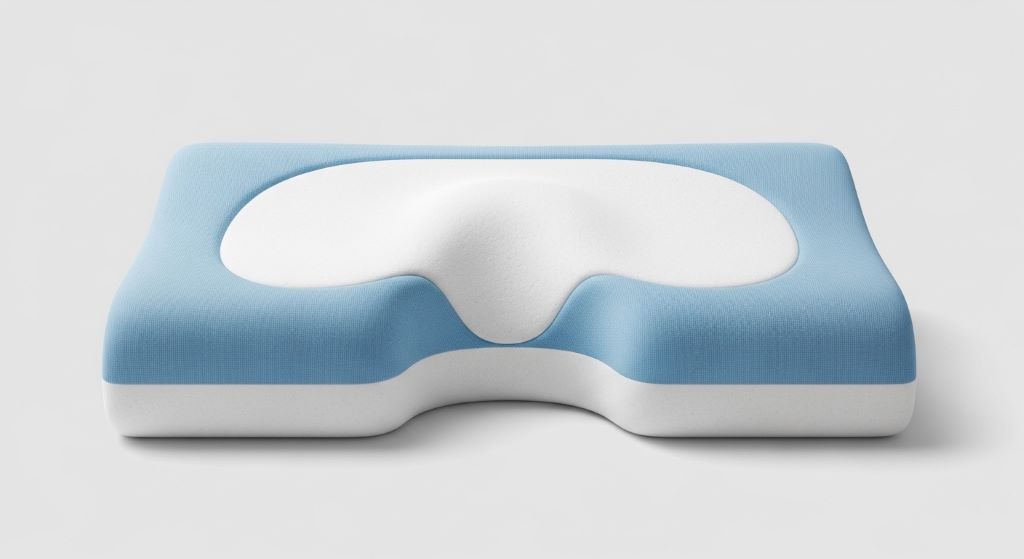
Waking up with neck pain and stiff shoulders can ruin your entire day before it even begins. Many people assume that quality orthopedic pillows cost a fortune, but this simply isn’t true. You can find excellent options that provide proper support without breaking the bank.
The right pillow makes a tremendous difference in your sleep quality and how you feel throughout the day. However, navigating the overwhelming number of choices can be confusing, especially when you’re trying to stick to a budget. Understanding what features truly matter helps you make a smart investment in your health and comfort.
This guide will walk you through everything you need to know about selecting an affordable orthopedic pillow that delivers real results. You’ll learn which features provide genuine benefits, which are just marketing gimmicks, and how to find the best value for your money. By the end, you’ll be equipped to make an informed decision that improves your sleep and reduces pain.
Understanding Why Your Current Pillow Isn’t Working
Before shopping for a new pillow, it’s helpful to understand why your current one might be causing problems. Most standard pillows weren’t designed with spinal alignment in mind. They simply provide a soft surface for your head without considering the natural curves of your neck and spine.
Your neck has a gentle forward curve called the cervical lordosis. This curve needs support throughout the night to prevent muscle strain and maintain proper alignment. When your pillow is too flat, too thick, or lacks the right shape, this curve flattens or reverses, putting stress on muscles, ligaments, and discs.
Additionally, traditional pillows often lose their shape and support over time. They compress and develop permanent indentations where your head rests. This degradation happens gradually, so you might not notice until you’re experiencing regular pain.
The position you sleep in also affects what type of support you need. Side sleepers require different support than back sleepers or stomach sleepers. Using the wrong pillow for your sleeping position creates alignment problems that lead to discomfort.
What Makes an Orthopedic Pillow Different
Orthopedic pillows are specifically engineered to support the natural alignment of your spine while you sleep. Unlike standard pillows, they’re designed based on anatomical principles and often incorporate specific shapes or materials to achieve this goal.
The key difference lies in how these pillows maintain the curve of your neck. A cervical support pillow typically features a contoured design with a depression for your head and a raised area that supports the curve of your neck. This shape keeps your spine aligned whether you’re on your back or your side.
Memory foam is commonly used in orthopedic pillows because it conforms to your unique shape while providing consistent support. The material responds to your body heat and weight, creating a custom fit that traditional pillow materials can’t match.
Furthermore, orthopedic pillows are designed to maintain their supportive properties over time. Quality materials resist compression and bouncing back to their original shape night after night. This durability means your investment continues providing benefits long after purchase.
Essential Features to Look For
When shopping on a budget, you need to prioritize features that actually make a difference. Some characteristics are essential for proper neck support, while others are nice additions that shouldn’t significantly increase the price.
Contoured shape is perhaps the most important feature. Look for pillows with a curved design that cradles your neck. The center should be slightly depressed where your head rests, with raised edges that support your neck’s natural curve. This design works for both back and side sleeping positions.
Adjustable height or firmness gives you flexibility to customize the support level. Some budget orthopedic pillows include removable inserts that let you modify the thickness. This feature is particularly valuable because it allows one pillow to accommodate different sleeping positions or preferences.
Breathable materials prevent overheating during the night. Even budget-friendly options should include ventilation holes or breathable covers that promote air circulation. Nobody sleeps well when they’re too hot, so this feature directly impacts your comfort and sleep quality.
Washable covers are a practical necessity. Your pillow will accumulate sweat, skin cells, and oils over time. A removable, machine-washable cover makes maintenance simple and extends the life of your pillow. Look for covers with zippers for easy removal.
Adequate density in the foam or filling material ensures the pillow maintains its shape. Cheap materials compress too easily and fail to provide consistent support. Press on the pillow firmly and watch how quickly it returns to shape. Good quality foam bounces back within a few seconds.
Different Types of Budget Orthopedic Pillows
Several design approaches exist in the orthopedic pillow market. Understanding the differences helps you choose the style that best suits your needs and budget.
Contour memory foam pillows feature the classic wave shape with raised ends and a depressed center. These work exceptionally well for back sleepers and provide reliable neck support. They’re widely available at various price points, making them easy to find within any budget.
Cervical roll pillows are cylindrical supports that you can use alone or with a regular pillow. They’re extremely affordable and target neck support specifically. While they might not replace your entire pillow, they’re excellent supplemental support, especially for back sleepers.
Adjustable shredded foam pillows contain small pieces of memory foam that you can add or remove to customize the height and firmness. They’re often more affordable than solid foam options and provide more flexibility in finding your perfect support level.
Wedge pillows serve multiple purposes beyond neck support. They elevate your upper body, which can help with acid reflux, snoring, and breathing issues. While not specifically designed for neck support, they can be beneficial for certain conditions and sleeping positions.
Hybrid designs combine different materials or features to offer versatile support. You might find pillows with memory foam cores and softer covers, or designs that work for multiple sleeping positions. These often provide good value by addressing various needs with one product.
How to Determine the Right Size and Height
Getting the correct pillow dimensions is crucial for proper support. A pillow that’s too thick or too thin won’t maintain proper alignment, regardless of how well it’s designed.
For back sleepers, the pillow should fill the space between your mattress and neck without pushing your head too far forward. When lying on your back, your nose should point toward the ceiling, not toward your chest or toes. This neutral position indicates proper height.
Side sleepers need thicker pillows to fill the greater distance between the mattress and their head. Your spine should form a straight line from your neck through your back when viewed from behind. The pillow needs to be thick enough to keep your head level with your spine.
Shoulder width affects the height you need when side sleeping. Broader shoulders require more height to maintain alignment. Measure the distance from the tip of your shoulder to the side of your head while lying down to estimate the thickness you need.
Your mattress firmness also plays a role in pillow height selection. Softer mattresses allow your shoulder to sink in more, reducing the space the pillow needs to fill. Firmer mattresses keep your shoulder higher, requiring a thicker pillow to bridge the gap.
Most budget orthopedic pillows come in standard sizes, but some offer low, medium, and high profile options. If available, choose based on your sleeping position and body type. When in doubt, adjustable options give you room to experiment.
Materials That Offer the Best Value
Different materials provide varying levels of support, durability, and comfort. Understanding these differences helps you identify the best value within your budget.
Memory foam is the gold standard for orthopedic support. It conforms to your shape, distributes pressure evenly, and maintains its form over time. Traditional memory foam can sleep hot, but newer gel-infused or ventilated versions address this issue without significantly increasing cost.
Latex foam offers similar benefits to memory foam with a more responsive feel. It bounces back faster and sleeps cooler naturally. However, latex typically costs more than memory foam. If you find a budget latex pillow, it’s likely a blend rather than pure latex.
Polyester fiberfill is the most budget-friendly option. While it won’t provide the same conforming support as foam, high-quality fiberfill in the right shape can still offer decent support. Look for pillows with substantial fill density rather than overly soft, fluffy options.
Buckwheat hulls create a firm, moldable pillow that many people find supportive. These natural materials allow excellent air circulation and can be adjusted by adding or removing hulls. They’re often affordable and extremely durable, though they’re noisier than foam options.
Microbeads provide a unique feel that’s firmer than traditional fill but softer than buckwheat. They conform well and maintain their shape. Pillows filled with microbeads are typically budget-friendly and work well for targeted neck support.

Where to Find Quality Budget Options
Knowing where to shop significantly impacts the value you receive. Different retailers offer various advantages when searching for affordable orthopedic pillows.
Online marketplaces provide the widest selection and often the best prices. You can easily compare features, read customer reviews, and find deals. However, you can’t test the pillow before buying, so pay careful attention to return policies.
Big box stores carry orthopedic pillows at competitive prices. The advantage here is being able to feel the pillow before purchasing. Press on it, check the quality of materials, and assess the weight. Many stores also offer generous return policies if the pillow doesn’t work out.
Discount retailers sometimes stock overstock or previous-year models from quality brands at significantly reduced prices. These pillows offer the same support as current models but might lack the latest cover designs or minor features. The savings can be substantial.
Direct-from-manufacturer websites often run sales and promotions. Signing up for email lists can alert you to discounts. Some companies offer trial periods that let you test the pillow at home before committing fully.
Medical supply stores might seem expensive, but they occasionally have sales on discontinued models or display items. The staff can also provide valuable guidance on selecting the right support level for your specific needs.
Reading Reviews and Avoiding Marketing Hype
Customer reviews provide invaluable insights that product descriptions can’t match. However, you need to read them critically to separate genuine feedback from marketing noise.
Look for reviews from people with similar needs to yours. Someone praising a pillow for back sleeping might not be relevant if you’re a side sleeper. Pay attention to reviewers who mention their sleeping position, body type, and specific pain issues.
Be skeptical of overly enthusiastic reviews that sound like advertisements. Genuine reviews typically include both positive and negative observations. They describe specific experiences rather than using generic praise.
Notice patterns across multiple reviews. If several people mention the pillow sleeping hot or losing shape quickly, take those warnings seriously. Conversely, if many reviewers report reduced neck pain after a specific adjustment period, that’s valuable information.
Check the dates of reviews. Recent reviews are more relevant than older ones, as manufacturers sometimes change materials or construction methods. Additionally, reviews from verified purchasers carry more weight than unverified ones.
Low-star reviews often contain the most useful information. People who had problems frequently explain exactly what went wrong, helping you identify potential issues. Don’t dismiss a product based on a few negative reviews, but do consider their concerns.
Trial Periods and Return Policies
Even with careful research, you won’t know if a pillow truly works until you sleep on it. Therefore, understanding return policies protects your investment.
Many orthopedic pillow companies offer trial periods ranging from 30 to 100 nights. This allows your body time to adjust to the new support. Keep in mind that switching pillows often requires an adjustment period, so don’t give up after just a few nights.
Read the fine print carefully before purchasing. Some trial periods require you to try the pillow for a minimum number of nights before returning it. Others charge restocking fees or require you to pay return shipping.
Save all packaging materials until you’re sure you’re keeping the pillow. Many companies won’t accept returns without the original packaging. Store the box and inserts in case you need to ship the pillow back.
Document any issues you experience during the trial period. Take photos if you notice the pillow losing shape or developing problems. This documentation can be helpful if you need to pursue a warranty claim or return.
Budget options might not include extensive trial periods, but many retailers still offer standard return policies. Check whether you can return opened pillows and whether any fees apply. This protection is worth considering even if it means spending a few dollars more.
Maintaining Your Orthopedic Pillow for Longevity
Proper care extends the life of your pillow and ensures it continues providing optimal support. Simple maintenance habits protect your investment and keep your sleeping environment healthy.
Use a pillow protector in addition to the pillowcase. This extra layer protects against moisture, oils, and dust mites without affecting the pillow’s feel. Pillow protectors are inexpensive and significantly extend pillow life.
Wash the cover regularly according to manufacturer instructions. Most removable covers can be machine washed, but some materials require gentle cycles or air drying. Clean covers every few weeks to maintain freshness and hygiene.
Air out your pillow periodically by removing it from the bed for a few hours. This allows moisture to evaporate and prevents odor buildup. You can place it near an open window or in a well-ventilated room.
Avoid washing the foam core unless specifically stated as safe by the manufacturer. Memory foam typically cannot be machine washed and takes days to fully dry. Spot cleaning with a damp cloth handles most issues without risking damage.
Fluff or reshape your pillow daily if it’s an adjustable type. This redistributes the fill material and prevents permanent compression in one area. For solid foam pillows, simply ensure they return to their original shape after use.
Replace your pillow when it no longer provides adequate support. Even quality orthopedic pillows eventually wear out. If you wake with neck pain despite proper sleeping positions, or if the pillow shows visible signs of deterioration, it’s time for a replacement.
Common Mistakes to Avoid
Many people sabotage their own success when selecting orthopedic pillows. Avoiding these common errors increases your chances of finding the right support.
Choosing based solely on price can lead to disappointment. The cheapest option rarely provides adequate support or durability. Conversely, expensive doesn’t always mean better. Focus on features and reviews rather than price alone.
Expecting instant results sets you up for frustration. Your body needs time to adjust to proper alignment, especially if you’ve been sleeping poorly for years. Give a new pillow at least two weeks before deciding it doesn’t work.
Ignoring your sleeping position when selecting a pillow creates alignment problems. A pillow perfect for back sleeping might be completely wrong for side sleeping. Choose based on how you actually sleep, not how you think you should sleep.
Neglecting to consider your mattress in the equation leads to poor matches. Your pillow and mattress work together to support your spine. A firm mattress requires different pillow characteristics than a soft one.
Failing to adjust your sleeping habits can undermine even the best pillow. If you’re sleeping on your stomach, no pillow will properly support your neck in that position. Sometimes improving sleep posture is necessary alongside getting a better pillow.
Signs Your New Pillow Is Working
Knowing what to expect helps you evaluate whether your budget orthopedic pillow is delivering results. Positive changes might be subtle at first but should become more noticeable over time.
Reduced morning stiffness is often the first improvement people notice. Your neck and shoulders should feel less tight when you wake up. This change might be gradual, improving week by week.
Better sleep quality often follows improved support. You might find yourself waking up less frequently during the night or sleeping more deeply. Proper alignment allows your muscles to relax fully, promoting more restful sleep.
Decreased pain throughout the day indicates that your pillow is supporting proper alignment. If you typically develop neck pain by afternoon, you should notice this pain diminishing or disappearing as your sleep posture improves.
Fewer headaches can result from reduced neck tension. Many tension headaches originate from muscle strain in the neck and shoulders. Proper support during sleep addresses the root cause rather than just treating symptoms.
Improved posture during waking hours sometimes follows better nighttime alignment. When your neck isn’t constantly fighting poor sleep posture, the muscles can work more efficiently during the day, naturally improving your standing and sitting alignment.
Conclusion
Selecting a budget orthopedic pillow for neck and shoulder support doesn’t require spending a fortune or accepting inferior quality. By focusing on essential features like proper contour design, quality materials, and appropriate height for your sleeping position, you can find excellent options at affordable prices.
A cervical support pillow with the right shape and firmness provides genuine relief from neck pain and improves overall sleep quality. Remember that the most expensive pillow isn’t necessarily the best one for your needs. Instead, prioritize proper fit, adequate neck support, and materials that will maintain their supportive properties over time.
Take advantage of trial periods and return policies to test pillows at home where it matters most. Pay attention to customer reviews from people with similar needs, and give your body time to adjust to proper alignment. Additionally, maintain your pillow properly to extend its useful life and protect your investment.
The right orthopedic pillow transforms your sleep and how you feel throughout the day. By applying the knowledge from this guide, you can confidently select a budget-friendly option that delivers real results. Your neck and shoulders will thank you for making this important investment in your health and comfort.
Frequently Asked Questions
How long does it take to adjust to a new orthopedic pillow?
Most people need one to two weeks to fully adjust to a new orthopedic pillow. During this period, you might experience some discomfort as your neck muscles adapt to the proper alignment. Some people notice immediate improvement, while others require several nights before feeling the benefits. Don’t give up too quickly, as your body needs time to adjust to the corrected sleeping posture.
Can I use an orthopedic pillow if I sleep on my stomach?
Stomach sleeping creates inherent alignment problems that no pillow can fully solve. However, if you must sleep on your stomach, choose a very thin orthopedic pillow or none at all to minimize neck rotation. Better yet, try transitioning to side or back sleeping for better spinal health. Many stomach sleepers successfully change positions by using body pillows for comfort during the transition.
How often should I replace my orthopedic pillow?
Quality orthopedic pillows typically last two to three years with proper care. Replace your pillow when it no longer returns to its original shape, develops permanent indentations, or when you start experiencing neck pain despite previously getting relief. Budget options might need replacement sooner, while premium pillows can last longer. Monitor your pillow’s condition and your comfort level to determine when replacement is necessary.
Will an orthopedic pillow help with headaches?
Orthopedic pillows can significantly reduce tension headaches caused by neck strain and poor sleeping posture. If your headaches originate from muscle tension in your neck and shoulders, improving your sleeping alignment often provides relief. However, if headaches have other causes like migraines, sinus issues, or medical conditions, a pillow alone won’t solve the problem. Consult a healthcare provider for persistent or severe headaches.
Do I need a firm or soft orthopedic pillow?
The ideal firmness depends on your sleeping position and personal preference. Back sleepers generally benefit from medium-firm support that maintains the neck curve without pushing the head too far forward. Side sleepers often need firmer pillows to fill the space between the shoulder and head adequately. Start with medium firmness and adjust from there. Many adjustable pillows let you customize firmness by adding or removing filling material.
Related Topics:
Affordable Non-Slip Bath Pillows – Reviews and Recommendations for 2025
Latex vs Memory Foam Pillow: Purple Harmony vs Eli and Elm Explained