How to Pick Polarized Beach Sunglasses for Clear Vision in Sunlight
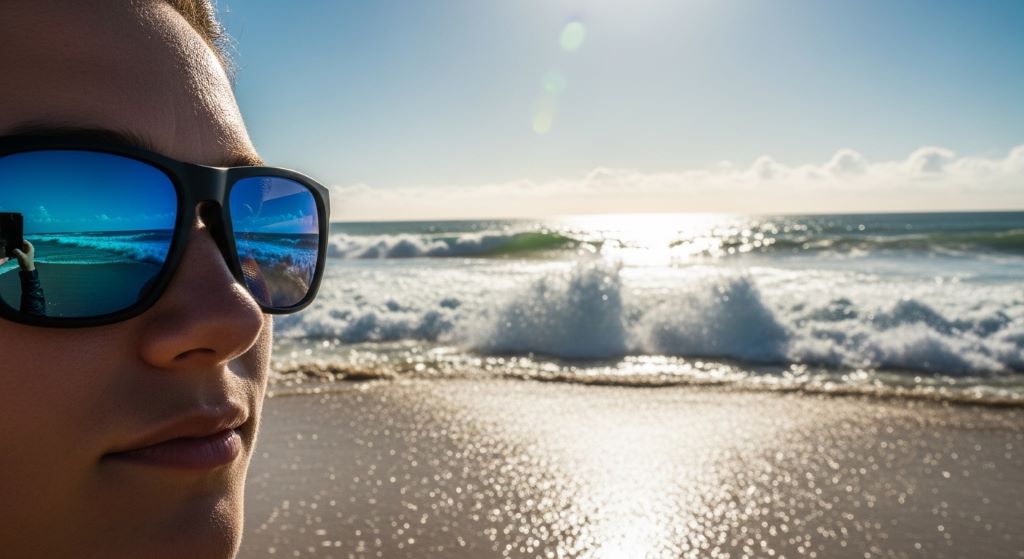
The beach is one of the brightest places on earth. Sun reflects off the water, the sand, and even other people’s belongings. That intense glare is more than just annoying — it strains your eyes and makes it hard to see clearly. The right pair of sunglasses can fix all of that.
However, not every pair of sunglasses is built for the beach. Many look great but offer little real protection. This guide will walk you through everything you need to know to choose polarized beach sunglasses that actually work — and keep your eyes comfortable all day long.
Why Polarized Lenses Are Different From Regular Sunglasses
Most people think darker lenses mean better protection. That is a common myth. Dark lenses reduce brightness, but they do not filter the type of light that causes glare.
Polarized lenses work differently. They contain a special chemical filter that blocks horizontal light waves. These horizontal waves are exactly what creates blinding glare on water and wet sand. Therefore, a polarized lens does not just dim the world — it removes the harsh, reflective light that makes beach days uncomfortable.
The result is sharper, cleaner vision. Colors look more vivid. Edges appear crisper. And your eyes do not have to work as hard to process what they see.
The Science Behind Glare and Why It Matters at the Beach
Light normally travels in all directions. When it hits a flat surface like water or sand, it bounces back in a concentrated horizontal direction. That bounce is what we call glare.
At the beach, glare is constant. The ocean reflects sunlight almost like a mirror. The sand amplifies it further. Spending hours in that environment without proper protection leads to eye fatigue, headaches, and even temporary blurred vision.
Anti-glare sunglasses are designed specifically to combat this problem. They intercept those reflected horizontal waves before they reach your eyes. The difference is noticeable from the very first moment you put them on.
Additionally, prolonged exposure to UV rays without protection increases the risk of cataracts and other eye conditions over time. Good polarized sunglasses protect you on both fronts — from glare and from UV damage.
UV Protection: The Non-Negotiable Feature
Before anything else, check the UV rating. Any sunglasses worth buying should block 100% of both UVA and UVB rays. Look for a label that says “UV400” on the product. This means the lenses block all light wavelengths up to 400 nanometers, which covers the full UV spectrum.
Polarization and UV protection are two separate features. A lens can be polarized without offering full UV protection. Therefore, always confirm both are present before making your purchase.
Some cheap sunglasses claim polarization but offer no UV protection at all. In fact, these can be worse than wearing nothing. The dark tint causes your pupils to dilate, letting in more harmful UV light while the polarization filter handles only the glare.
Lens Color: Which Tint Works Best at the Beach
Lens color affects how you see the world around you. Different tints serve different purposes, and the beach has specific demands.
Gray lenses are a top choice for beach use. They reduce brightness without distorting colors. What you see looks natural, which is great when you want to enjoy the scenery.
Brown and amber lenses enhance contrast. They are especially useful on partly cloudy days when the light shifts frequently. These tints make objects stand out more clearly against the sky and water.
Green lenses offer a balance between contrast and color accuracy. They reduce glare well and are gentle on the eyes during extended wear.
Yellow or orange lenses are better suited for low-light conditions. Therefore, skip these for full sun beach days — they are not the right tool for that environment.
Frame Fit: Comfort and Coverage Go Hand in Hand
A great lens means nothing if the frame does not fit well. Poor fit leads to light leaking in around the edges, which defeats the purpose of polarized lenses entirely.
Wraparound frames are ideal for the beach. They cover more of your visual field and block light from the sides as well. This is especially important when the sun is low on the horizon during morning or evening beach visits.
Make sure the frame sits comfortably on your nose without slipping. If you plan to swim or stay active, look for frames with rubberized nose pads and temple grips. These keep the sunglasses in place even when you are sweating or wet.
Additionally, lighter frames reduce pressure on your face over long wear. Titanium and TR90 plastic are both excellent materials for this. They are strong, flexible, and lightweight.
Lens Material: Polycarbonate vs. Glass vs. Trivex
The material of the lens affects clarity, durability, and weight. Each option has its trade-offs.
Polycarbonate lenses are the most common choice. They are impact-resistant, lightweight, and affordable. They also offer natural UV protection as part of the material itself. However, they can scratch more easily than glass.
Glass lenses provide the clearest and sharpest vision. They resist scratches well. The downside is weight — glass is heavier, which can become uncomfortable during long days outdoors.
Trivex lenses sit between the two. They are lighter than glass, more scratch-resistant than polycarbonate, and offer excellent optical clarity. They tend to cost more, but many find the upgrade worth it.
For beach use, polycarbonate is usually the best starting point. It handles impacts from flying sand, saltwater splashes, and accidental drops better than glass.
Frame Shape: Style Meets Function
The shape of the frame influences both how you look and how well the sunglasses protect you. At the beach, function should come first.
Oversized frames provide more coverage. They protect more of the area around your eyes, including the delicate skin on your upper cheeks and temples. This reduces sun damage to the skin as well as the eyes.
Aviator-style frames are a popular choice for summer eyewear. They offer wide coverage with a classic look. The teardrop shape works well with most face types and provides good peripheral protection.
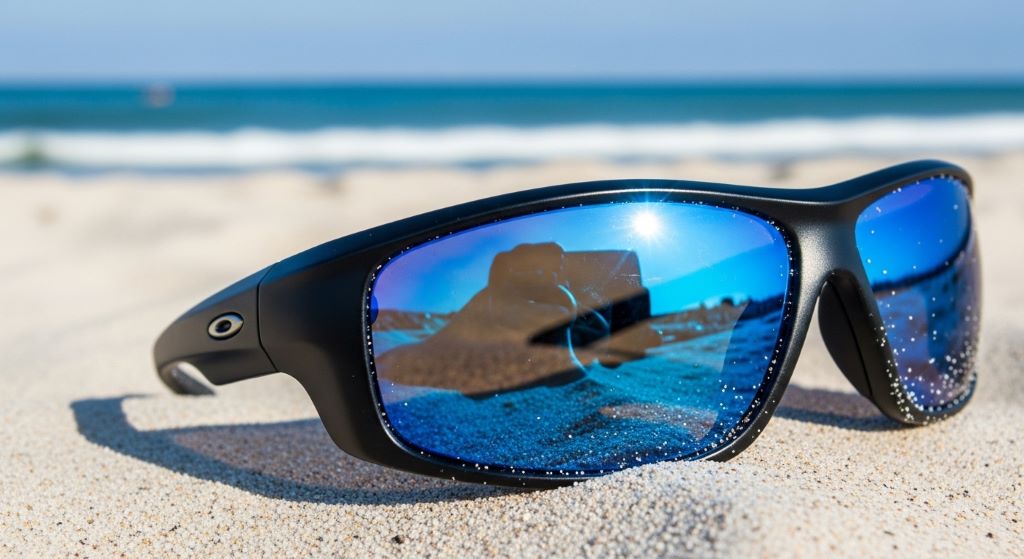
Sport frames with wraparound designs are best for active beach days. If you plan to play beach volleyball, paddleboard, or surf, a snug sport frame will stay put far better than a fashion-forward style.
Round frames look great but offer less coverage on the sides. They work fine for casual lounging but fall short if you are spending the whole day outdoors in direct sun.
Lens Coatings That Add Extra Value
Beyond the polarized filter, several additional coatings can improve your experience at the beach.
Anti-reflective coating on the back of the lens prevents glare from bouncing off the inside surface of the lens. Without it, light can reflect from behind you and reach your eyes through the lens itself.
Hydrophobic coating repels water. At the beach, water droplets landing on your lenses can seriously distort your vision. A hydrophobic coating causes water to bead up and roll off instead of spreading across the surface.
Oleophobic coating resists oils and fingerprints. Sand and sunscreen residue tend to get on everything at the beach. This coating makes cleaning your lenses much easier.
Scratch-resistant coating is especially useful if you tend to set your sunglasses down on rough surfaces. It adds a protective layer that extends the life of the lenses.
How to Test Polarization Before You Buy
There is a simple way to check if lenses are truly polarized. Hold the sunglasses up to a bright surface or screen. Then rotate the glasses 90 degrees. If the lenses darken significantly as you rotate them, they are polarized. If nothing changes, the lenses are not genuinely polarized.
Another method is to hold two pairs of polarized sunglasses in front of each other. As you rotate one pair, the lenses will appear to darken and lighten. This is the polarized filter reacting to the other pair’s orientation.
Always test before committing. Many stores allow this in person. If shopping online, make sure the retailer offers an easy return policy so you can verify the lenses at home.
Budget vs. Premium: What the Price Difference Gets You
Polarized sunglasses are available at a wide range of price points. It is tempting to go with the cheapest option, but there are real differences between budget and premium models.
Budget options, typically under $30, often use lower-quality polarizing films. These can cause slight distortion, uneven tinting, or reduced optical clarity. However, they still offer basic glare reduction and are better than non-polarized lenses for beach use.
Mid-range sunglasses in the $50 to $150 range hit the sweet spot for most people. You get better optical quality, more durable frames, and often better coatings.
Premium options above $150 come from brands that use higher-grade lens materials, tighter quality control, and superior frame construction. These are worth considering if you spend a lot of time outdoors or have prescription needs.
Additionally, optical shops can add polarized prescription lenses to high-quality frames. This is a great option if you normally wear glasses and want the full benefits of anti-glare sunglasses without contact lenses.
Taking Care of Your Beach Sunglasses
Even the best sunglasses will degrade quickly with poor care. Salt, sand, and sunscreen are all rough on lenses and frames.
Rinse your sunglasses with fresh water after every beach visit. Salt residue corrodes metal parts and degrades lens coatings over time. A quick rinse takes seconds and extends the life of your sunglasses significantly.
Use a microfiber cloth to clean the lenses. Avoid wiping with shirts, towels, or paper products. These materials scratch lenses more than you might expect.
Store your sunglasses in a hard case when you are not wearing them. Tossing them into a bag unprotected is one of the fastest ways to scratch or break them.
Keep sunscreen off the lenses. Many sunscreen formulas contain chemicals that can break down lens coatings. Apply sunscreen first, let it absorb, and then put your sunglasses on.
When to Replace Your Sunglasses
Even with great care, sunglasses eventually wear out. Scratched lenses reduce optical clarity and can even increase eye strain. Worn-out nose pads and loose hinges affect fit. Degraded lens coatings reduce effectiveness.
As a general rule, consider replacing beach sunglasses every two to three years with regular use. If the lenses look cloudy, scratched, or uneven, replace them sooner. Your vision — and your comfort — are worth it.
Conclusion
Picking the right polarized beach sunglasses comes down to a few key decisions. Start with 100% UV protection and genuine polarization — these two features are non-negotiable. Then consider lens color, frame fit, lens material, and any additional coatings that match your beach lifestyle.
Whether you are lounging by the waves or staying active in the sand, the right summer eyewear makes a real difference. It reduces eye strain, sharpens your vision, and protects your long-term eye health. Take your time, test before you buy, and invest in a pair that will keep your eyes comfortable through every sunny day.
A small amount of research now saves you from squinting, headaches, and eye fatigue all summer long. Choose wisely, care for your sunglasses well, and enjoy every moment of clear, comfortable vision at the beach.
Frequently Asked Questions
What is the difference between polarized and regular sunglasses at the beach?
Regular sunglasses reduce overall brightness by darkening the lenses. Polarized sunglasses go a step further by filtering out horizontal light waves that create glare on water and sand. At the beach, this makes a noticeable difference in visual comfort and clarity.
Do polarized sunglasses block 100% of UV rays?
Not automatically. Polarization and UV protection are separate features. Always check that your sunglasses are labeled UV400 or offer 100% UVA and UVB protection in addition to polarization.
Which lens color is best for beach sunglasses?
Gray lenses are the most versatile for full sun beach conditions because they reduce brightness without changing how colors appear. Brown and amber lenses are great for partly cloudy days when contrast matters more.
Are anti-glare sunglasses worth the extra cost?
Yes, for regular beach and outdoor use, anti-glare sunglasses are well worth the investment. They reduce eye strain, improve clarity, and protect your eyes from harmful UV exposure — all of which matter if you spend significant time outdoors.
Can I wear polarized sunglasses while swimming?
You can wear them near the water, but most polarized sunglasses are not designed for use while swimming underwater. Look for sports frames with water-resistant features if you plan to be active in and around the water, and always use a retention strap to avoid losing them in the surf.
Related Topics:
Rubbing Alcohol Method for Lice Brush Sterilization
How Often Should a Newborn Kitten Poop? Tips for Tracking Their Health