How to Choose Between Instant Read vs Probe Meat Thermometer
Cooking meat to perfection requires more than intuition and experience. You need the right tools to ensure your meals are both safe and delicious. Two popular options dominate kitchens today: instant read thermometers and probe thermometers. Each serves a distinct purpose, and understanding their differences will elevate your culinary skills.
Many home cooks struggle with overcooked steaks or undercooked chicken. These problems often stem from using the wrong thermometer for the task. This guide will help you understand both types, their advantages, and how to select the best option for your cooking style.
What Is an Instant Read Thermometer
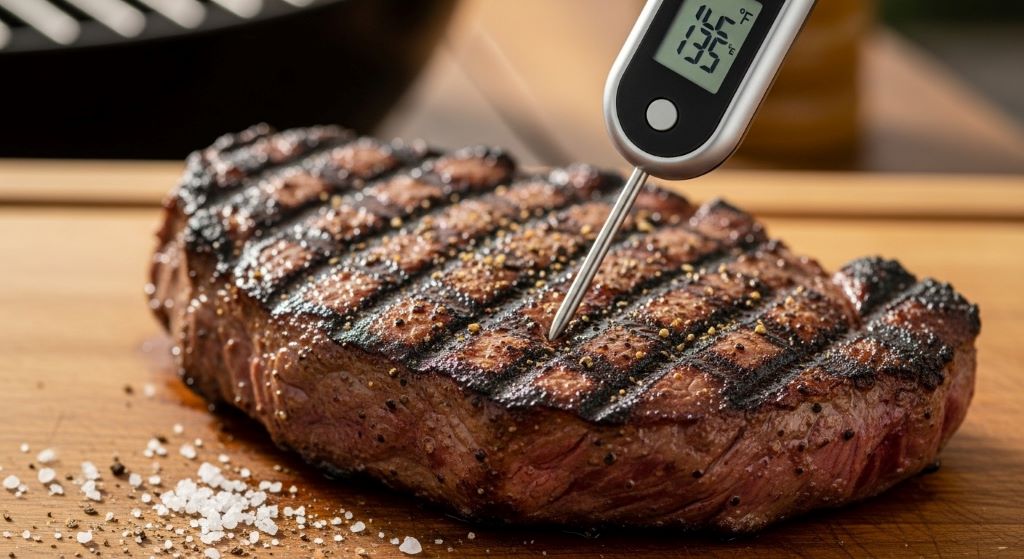
An instant read thermometer provides quick temperature readings when inserted into food. These handheld devices deliver results within seconds, making them ideal for checking doneness at critical moments. You simply insert the probe into the thickest part of the meat, wait briefly, and read the display.
These thermometers come in two main varieties: digital and dial models. Digital versions typically respond faster and offer easier-to-read displays. Dial thermometers cost less but take longer to show results. Most modern cooks prefer digital options because they combine speed with precision.
The design allows for spot-checking during cooking. You open the oven, insert the probe, get your reading, and remove it immediately. This process minimizes heat loss from your oven or grill. However, you cannot leave these thermometers in food while cooking, which limits their monitoring capabilities.
Understanding Probe Thermometers
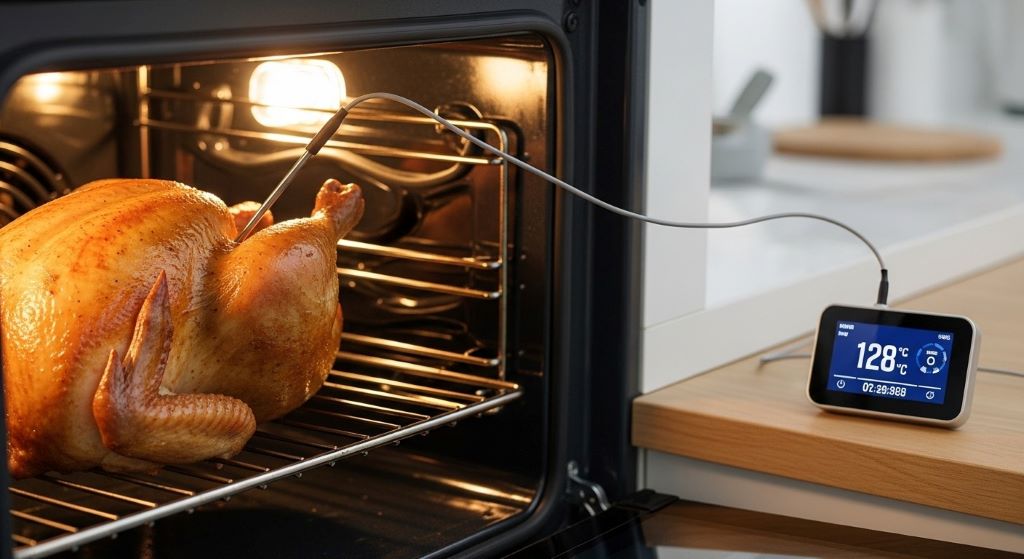
Probe thermometers work differently from their instant read counterparts. These devices feature a metal probe connected to a digital display via a heat-resistant cable. The probe stays inside the meat throughout the cooking process, while the display unit remains outside the heat source.
This continuous monitoring system offers significant advantages. You can track temperature changes without opening your oven or grill. The display shows real-time readings, and many models include programmable alarms that alert you when food reaches the desired temperature.
Some advanced versions connect to smartphone apps via Bluetooth or Wi-Fi. These smart thermometers let you monitor cooking progress from anywhere in your home. Additionally, they often store temperature data and provide cooking time estimates based on current readings.
Cooking Accuracy Considerations
Both thermometer types can deliver precise measurements when used correctly. However, their accuracy depends on several factors. Probe placement matters significantly, as inserting the sensor into fat or near bone produces unreliable results. Always aim for the thickest part of the meat, avoiding contact with bone.
Instant read models excel at checking multiple spots quickly. You can test different areas of a roast or several pieces of chicken in rapid succession. This versatility helps ensure even cooking throughout larger cuts. Furthermore, their compact size makes them easy to maneuver in tight spaces.
Probe thermometers provide consistent monitoring at a single point. While this limitation might seem restrictive, it works perfectly for whole roasts, turkeys, or briskets where one measurement sufficiently represents the entire piece. The continuous reading also helps you catch the exact moment when meat reaches perfection.
Calibration affects both types equally. Check your thermometer’s accuracy periodically using ice water or boiling water tests. Quality devices should read 32°F in ice water and 212°F in boiling water at sea level. If readings vary significantly, either recalibrate according to manufacturer instructions or replace the unit.
Temperature Speed Comparison Benefits
The speed at which thermometers deliver readings impacts cooking workflow substantially. Instant read devices typically provide results within two to five seconds. This rapid response makes them perfect for busy cooking situations where you need quick confirmation before serving.
Traditional dial thermometers require fifteen to twenty seconds for accurate readings. This delay seems minor but becomes frustrating when checking multiple items. Digital instant read models eliminate this waiting period, streamlining your cooking process significantly.
Probe thermometers offer a different kind of speed advantage. While individual readings may not appear faster than instant read devices, the continuous monitoring eliminates repeated checking. You set your target temperature, insert the probe, and focus on other tasks until the alarm sounds. This hands-off approach saves time and reduces stress during complex meal preparation.
The temperature speed comparison becomes particularly relevant when grilling. Opening a grill lid repeatedly releases heat and extends cooking time. Instant read thermometers minimize this issue by requiring only brief lid openings. Meanwhile, probe thermometers eliminate the problem entirely by allowing constant monitoring without any lid openings.
Best Uses for Instant Read Thermometers
Certain cooking scenarios favor instant read thermometers overwhelmingly. Thin cuts like steaks, chops, and chicken breasts benefit from their quick spot-checking ability. These items cook rapidly, and their relatively uniform thickness makes single-point testing reliable.
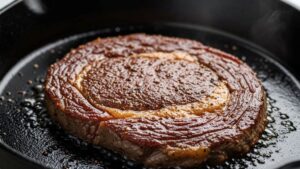
Pan-seared proteins present another ideal application. You can quickly check a steak’s internal temperature while it rests in the pan between flips. This immediate feedback helps you achieve perfect medium-rare doneness without guesswork. Moreover, the thermometer’s compact design won’t interfere with your cooking technique.
Baked goods also suit instant read thermometers well. Testing bread, cakes, or casseroles requires just a quick insertion. The fast reading prevents excessive heat loss, which could affect rising or browning. Additionally, you can check multiple spots across a large pan to ensure even baking.
Fish and seafood cooking demands precision due to their delicate textures. Instant read thermometers let you verify doneness without leaving probes that might damage flaky flesh. A quick check at the thickest part confirms whether your salmon or halibut has reached the safe temperature.
Ideal Scenarios for Probe Thermometers
Large roasts and whole poultry represent the prime territory for probe thermometers. A turkey roasting for hours benefits immensely from continuous monitoring. You’ll know exactly when it reaches 165°F without repeatedly opening the oven and releasing precious heat.
Low and slow cooking methods like smoking or braising also favor probe thermometers. These extended cooking sessions could last eight to twelve hours. Checking temperature every hour with an instant read device becomes tedious. Instead, a probe thermometer monitors progress automatically while you attend to other activities.
Sous vide cooking pairs naturally with probe thermometers. Maintaining precise water temperature over long periods requires constant attention. Many sous vide enthusiasts use probe thermometers to verify both water temperature and meat doneness simultaneously.
Reverse searing techniques depend on accurate low-temperature cooking followed by high-heat finishing. A probe thermometer tracks the meat as it slowly reaches target temperature in a low oven. Once achieved, you remove the probe and finish with a quick sear. This method produces restaurant-quality results consistently.
Price and Value Considerations
Budget plays a role in thermometer selection, though quality options exist at various price points. Basic instant read thermometers start around fifteen dollars. These entry-level models provide adequate accuracy for casual cooks. However, they may lack features like backlighting or waterproofing.
Premium instant read devices cost between fifty and one hundred dollars. These investments deliver faster readings, better durability, and additional features. Many professional chefs consider them essential tools worth the expense. The improved speed and reliability justify higher prices for serious home cooks.
Simple probe thermometers begin around twenty dollars. These basic models include a probe, cable, and digital display with preset temperature settings. They work reliably for straightforward roasting tasks. Nevertheless, they typically lack advanced features like multiple probe support or wireless connectivity.
High-end probe thermometers range from seventy to two hundred dollars. These sophisticated devices offer smartphone connectivity, multiple probes, and advanced programming options. While expensive, they transform cooking experiences for enthusiasts who regularly prepare complex meals. The convenience and precision they provide often prove invaluable over time.
Maintenance and Durability Factors
Proper care extends thermometer lifespan significantly. Instant read models require careful cleaning after each use. Wipe the probe with a damp cloth and sanitizing solution. Avoid submerging the entire unit unless specifically labeled as waterproof. Store them in protective cases to prevent damage.
Probe thermometers need similar attention, with extra care for the cable connection. Check regularly for fraying or damage to the wire. Most manufacturers design cables to withstand high heat, but prolonged exposure or improper storage can cause deterioration. Replace damaged cables promptly to maintain accuracy and safety.
Battery maintenance matters for both types. Replace batteries according to manufacturer recommendations, typically annually for regular users. Keep spare batteries available to avoid interruptions during important meals. Some models include rechargeable batteries, which eliminate replacement concerns while reducing long-term costs.
Storage conditions affect accuracy over time. Extreme temperatures or humidity can damage electronic components. Keep thermometers in climate-controlled areas away from direct heat sources. Additionally, store them away from sharp objects that might damage probes or displays.
Making Your Final Decision
Choosing between instant read and probe thermometers ultimately depends on your cooking habits. Consider the types of food you prepare most frequently. If you regularly grill steaks or cook thin cuts, an instant read thermometer serves you better. Its speed and portability match quick-cooking methods perfectly.
Conversely, if you often roast large cuts or smoke meats, invest in a quality probe thermometer. The continuous monitoring capability reduces stress and produces consistently excellent results. You’ll appreciate not hovering over the oven or grill constantly checking progress.
Many experienced cooks own both types. This combination provides maximum flexibility across different cooking scenarios. You might use a probe thermometer for your Thanksgiving turkey while keeping an instant read device handy for checking side dishes or last-minute adjustments.
Think about your comfort level with technology as well. Smartphone-connected probe thermometers offer tremendous convenience but require basic technical skills. Simpler models with traditional displays work perfectly fine if you prefer straightforward tools. Choose devices that match your comfort level to ensure you’ll actually use them consistently.
Conclusion
Selecting between instant read and probe meat thermometers requires understanding their distinct advantages. Instant read devices excel at quick spot checks, making them perfect for thin cuts, pan-searing, and multiple items. Their portability and rapid response suit fast-paced cooking environments. Meanwhile, probe thermometers shine during long roasting sessions, smoking, and situations requiring continuous monitoring without heat loss.
Both types can deliver excellent cooking accuracy when used properly and maintained well. The temperature speed comparison reveals that instant read models provide faster individual readings, while probe thermometers offer time-saving continuous monitoring. Your cooking style, typical recipes, and budget should guide your decision. Serious home cooks often benefit from owning both types, creating a comprehensive toolkit for any culinary challenge. Invest in quality thermometers appropriate to your needs, and you’ll consistently produce perfectly cooked, safe, and delicious meals.
Frequently Asked Questions
Can I leave an instant read thermometer in meat while cooking?
No, instant read thermometers are not designed for continuous use inside ovens or grills. The high heat can damage their electronic components and displays. Use them only for quick temperature checks, then remove immediately. For continuous monitoring, choose a probe thermometer specifically designed to withstand sustained high temperatures.
How often should I calibrate my meat thermometer?
Calibrate your thermometer at least twice per year if you cook regularly. Additionally, check calibration if you drop the device or notice inconsistent readings. Use the ice water method (32°F) or boiling water test (212°F at sea level) to verify accuracy. Some digital models include built-in calibration functions for easy adjustment.
What temperature should different meats reach for safety?
Poultry requires 165°F throughout, including chicken, turkey, and duck. Ground meats need 160°F, while whole cuts of beef, pork, and lamb are safe at 145°F with a three-minute rest time. Fish should reach 145°F as well. Always refer to current USDA guidelines, as recommendations occasionally change based on new research.
Are wireless probe thermometers worth the extra cost?
Wireless models provide significant convenience for outdoor cooking and long smoking sessions. They let you monitor temperatures from inside your home without constantly checking the grill or smoker. If you frequently cook large cuts or use slow-cooking methods, the investment pays off through reduced stress and better results. Casual cooks may find basic models sufficient.
Can I use meat thermometers for liquids or other foods?
Yes, both thermometer types work well for liquids like soups, sauces, and candy making. They’re also useful for baked goods, casseroles, and even beverages. However, instant read models work better for liquids due to their quick response and easy handling. Ensure your specific thermometer’s temperature range matches your intended use, especially for high-heat applications like candy making.
Related Topics:
Does a Coffee Grinder Make Instant Coffee? Unveiling the Truth
Can You Really Make Mayonnaise in an Air Fryer?