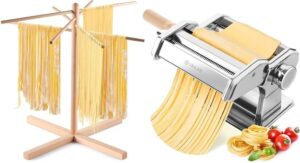
How Semolina Flour Enhances Pizza Dough: Texture, Flavor And Crispness
Introduction: The Secret Ingredient Behind Irresistible Pizza
Every pizza lover knows the joy of biting into a slice with a perfectly crisp crust, chewy interior, and rich flavor. While traditional wheat flour forms the backbone of most pizza recipes, there’s one underrated ingredient that can elevate your dough from good to unforgettable: semolina flour for pizza. This golden flour, milled from durum wheat, has been cherished in Italian kitchens for centuries, not only for pasta but also for creating pizza dough that stands out in texture, taste, and crispness.
If you’ve ever wondered why some pizzas have that delightful crunch yet remain airy inside, the answer often lies in the addition of semolina flour. Let’s explore how this unique flour transforms pizza dough into a gourmet experience.
What Makes Semolina Flour Special?
Semolina flour is derived from durum wheat, a hard variety known for its high protein and gluten content. Unlike standard all-purpose flour, semolina has a coarser texture and a slightly nutty flavor. This combination makes it ideal for enhancing pizza dough, as it contributes to both structure and taste.
When blended with other pizza dough flour types, semolina creates a dough that is elastic yet firm, ensuring your crust holds its shape while baking. Moreover, its golden hue adds visual appeal, making your pizza look as appetizing as it tastes.
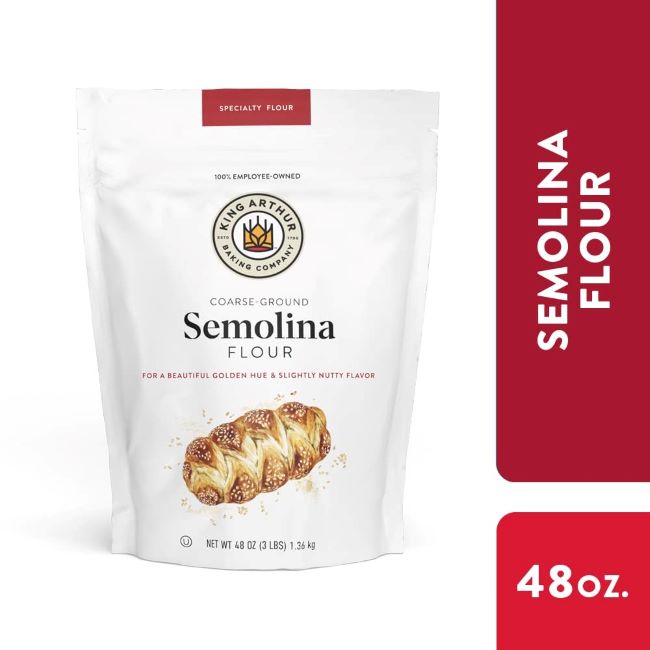
For those seeking premium quality, many bakers turn to trusted brands like King Arthur Premium Semolina Flour, which guarantees consistency and superior results in every batch.
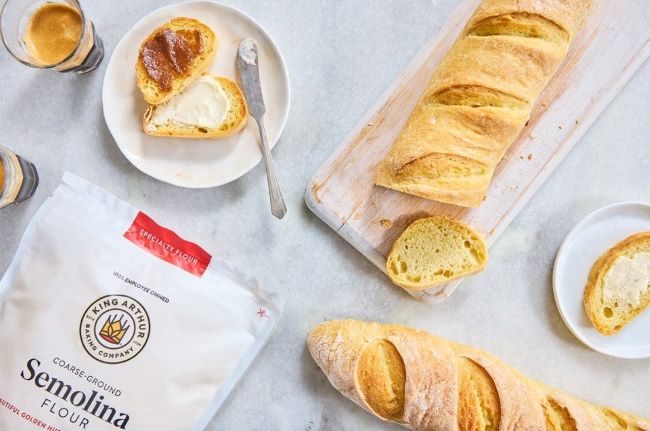 Image Source
How Semolina Flour Enhances Pizza Dough
- Texture:
Semolina’s coarse granules act like tiny beads within the dough, giving the crust a pleasant bite. This texture ensures the pizza doesn’t feel overly soft or soggy, even when loaded with toppings. - Flavor:
The subtle nutty undertone of semolina flour enriches the overall taste of the pizza. Combined with yeast fermentation, it creates a depth of flavor that standard flours alone cannot achieve. - Crispness:
Semolina is often referred to as crispy crust flour because of its ability to produce a crust that’s crunchy on the outside yet tender inside. This balance is what makes artisanal pizzas so irresistible. - Durability:
Using durum flour for pizza strengthens the dough, allowing it to stretch without tearing. This is especially useful for thin-crust pizzas, where elasticity is key to achieving a uniform base.
Practical Tips for Using Semolina Flour in Pizza Dough
- Blend with Other Flours:
While semolina can be used alone, most bakers mix it with bread flour or all-purpose flour. A common ratio is 20–30% semolina to 70–80% bread flour. - Dusting the Peel:
Semolina is excellent for dusting your pizza peel. Its coarse texture prevents sticking and adds extra crunch to the bottom of the crust. - Experiment with Hydration:
Because semolina absorbs water differently, you may need to adjust hydration levels. Start with slightly less water and increase gradually until the dough feels supple. - Pair with High Heat:
Semolina-based dough performs best in high-temperature ovens, such as wood-fired or pizza stones, where crispness can fully develop.
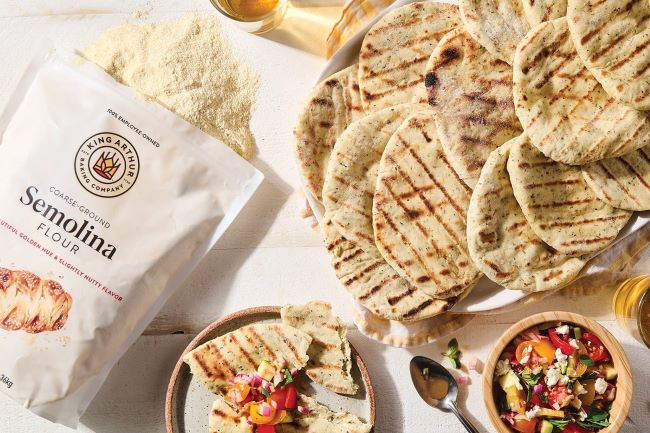 Image Source
Why Choose Semolina Flour Over Regular Pizza Dough Flour?
Although traditional flours are reliable, semolina offers a unique edge. Regular pizza dough flour provides elasticity and softness, but semolina introduces crunch and flavor complexity. Therefore, combining the two creates a balanced dough that satisfies both casual eaters and gourmet enthusiasts.
Additionally, semolina flour is versatile. Beyond pizza, it’s used in pasta, bread, and even desserts, making it a worthwhile addition to any kitchen pantry.
Popular FAQs About Semolina Flour for Pizza
1. Can I use semolina flour alone for pizza dough?
Yes, but it’s usually blended with bread flour for optimal elasticity and structure. Using only semolina may result in a denser crust.
2. What’s the difference between semolina flour and all-purpose flour?
Semolina is coarser, higher in protein, and has a nutty flavor, while all-purpose flour is finer and milder in taste.
3. Does semolina flour make pizza crust healthier?
Semolina is rich in protein and fiber compared to refined flours, making it a slightly more nutritious option.
4. How does semolina flour affect baking time?
Because semolina creates a crispier crust, pizzas may bake slightly faster at high temperatures. Always monitor closely to avoid over-browning.
5. Can semolina flour be used for gluten-free pizza?
No, semolina is made from durum wheat and contains gluten. For gluten-free options, alternative flours like rice or almond flour are recommended.
Conclusion: Elevate Your Pizza Game with Semolina Flour
Incorporating semolina flour for pizza is a simple yet powerful way to transform your homemade or professional pizzas. From its nutty flavor to its ability to deliver a perfectly crisp crust, semolina flour stands out as the ultimate enhancer of pizza dough.
Whether you’re a seasoned baker or a weekend pizza enthusiast, experimenting with semolina will open new doors to flavor and texture. Therefore, don’t settle for ordinary—upgrade your dough with semolina and experience the difference.
Ready to take your pizza to the next level? Try adding semolina flour to your dough today and savor the crisp, flavorful results that will impress family, friends, and even the toughest pizza critics.
Featured Image Source