Eccentric Squat Neuromuscular Control
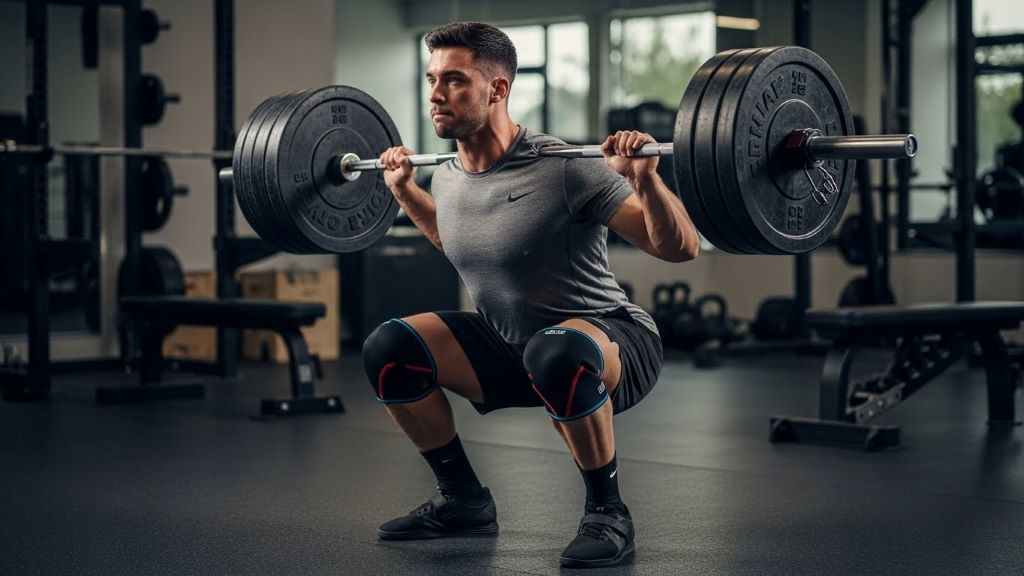
Understanding how your muscles work during squats can transform your training results. According to fitness experts at Health Define, mastering the lowering portion of a squat builds exceptional strength and control. This controlled descent requires precise coordination between your brain and muscles.
Many athletes overlook the importance of this downward movement. However, research shows it plays a crucial role in building power and preventing injuries. The nervous system must carefully regulate muscle tension throughout the entire movement pattern.
Proper neuromuscular control during the eccentric phase of a squat separates good technique from great performance. This phase demands significant mental focus and physical awareness. Your body must manage forces that often exceed your body weight.
What Is Neuromuscular Control
Neuromuscular control refers to the communication between your nervous system and muscles. This interaction determines how smoothly and efficiently you move. Your brain sends signals that tell muscles when to contract and relax.
During squats, this system works overtime. It coordinates multiple muscle groups simultaneously. Therefore, improving this control enhances overall movement quality.
The process involves three main components. First, sensory receptors detect body position and movement. Second, your brain processes this information rapidly. Third, motor neurons send corrective signals to muscles.
The Science Behind Eccentric Muscle Actions
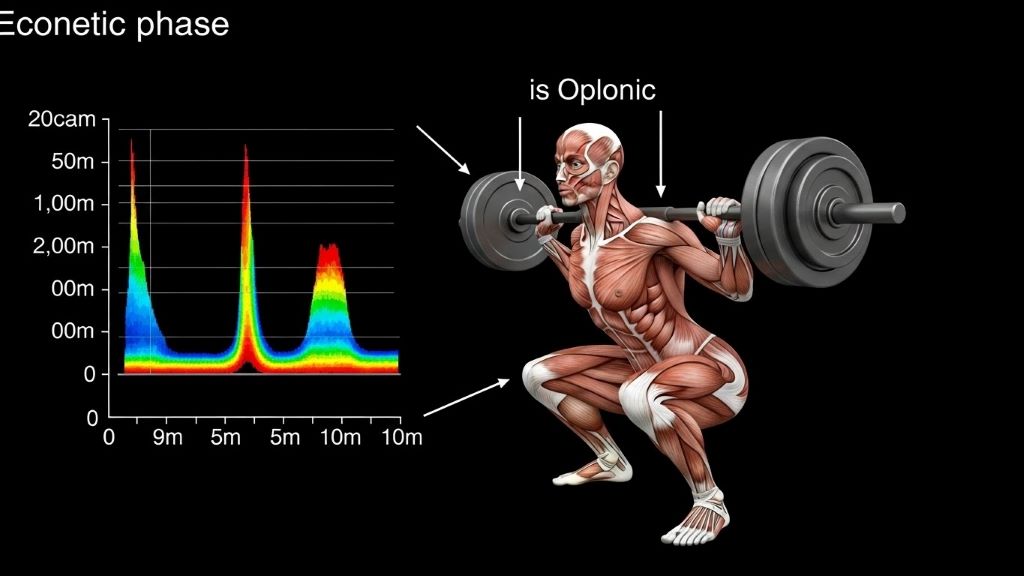
Eccentric muscle actions occur when muscles lengthen under tension. This happens as you lower into a squat position. Your quadriceps, hamstrings, and glutes all work eccentrically during descent.
These contractions generate more force than concentric movements. Additionally, they create greater muscle damage, which stimulates growth. Research from the National Institute of Health confirms eccentric training produces superior strength gains.
Your muscles act like brakes during this phase. They control the speed of descent while supporting your body weight. This braking action requires precise neural coordination.
Benefits of Eccentric Squat Training
Focusing on the lowering phase offers multiple advantages. First, it builds incredible strength in your leg muscles. Second, it improves joint stability and coordination.
Enhanced muscle control reduces injury risk significantly. Your body learns to handle challenging positions safely. Therefore, athletes often recover faster from training sessions.
Eccentric training also increases muscle size effectively. The controlled tension stimulates protein synthesis. Moreover, it improves tendon strength and elasticity.
Key Muscle Groups Involved
Several major muscle groups work during eccentric squats. The quadriceps control knee extension throughout the descent. Meanwhile, your hamstrings stabilize the knee joint.
Your gluteal muscles maintain hip position and power. The core muscles keep your torso upright and stable. Additionally, smaller stabilizer muscles work continuously.
Each muscle group must activate at the right time. This coordination prevents compensation patterns. Proper timing ensures efficient force distribution.
Neural Adaptations From Eccentric Training
Your nervous system adapts quickly to eccentric training. Neural pathways become more efficient with practice. This improvement happens before visible muscle growth.
Motor unit recruitment increases substantially. Your brain learns to activate more muscle fibers simultaneously. Furthermore, the firing rate of neurons improves.
These adaptations enhance overall athletic performance. Movement becomes smoother and more controlled. Consequently, you can lift heavier weights safely.
Common Mistakes to Avoid
Many people rush through the lowering phase. This mistake reduces training effectiveness significantly. Taking at least three seconds to descend maximizes benefits.
Another error involves losing tension at the bottom. Your muscles should remain engaged throughout the movement. Additionally, avoid letting your knees cave inward.
Poor spinal alignment creates unnecessary stress. Keep your chest up and core tight. Therefore, maintaining proper form prevents common injuries.
Progressive Overload Strategies
Gradually increasing difficulty drives continuous improvement. Start with bodyweight squats performed slowly. Focus on controlling the descent speed precisely.
Next, add light external resistance carefully. Tempo squats work exceptionally well for building control. For example, use a five-second lowering phase.
Advanced lifters can incorporate pause squats. Hold the bottom position for two to three seconds. This technique challenges neuromuscular control significantly.
Practical Training Applications
Incorporate eccentric-focused squats twice weekly for best results. Begin each session with proper warm-up exercises. Dynamic stretching prepares your nervous system optimally.
Perform three to four sets of controlled repetitions. Quality matters more than quantity here. Rest adequately between sets to maintain focus.
Track your descent speed using counting methods. Consistency in tempo builds reliable motor patterns. Moreover, video recording helps identify technique issues.
Integration With Athletic Performance
Athletes across various sports benefit from eccentric squat training. Runners develop better landing mechanics and shock absorption. Basketball players improve jumping ability and knee stability.
The controlled strength transfers to explosive movements. Your body learns to generate power efficiently. Additionally, deceleration skills improve dramatically.
Sports requiring quick direction changes particularly benefit. The enhanced control reduces injury rates significantly. Therefore, many professional teams emphasize eccentric training.
Recovery and Safety Considerations
Eccentric training creates more muscle soreness initially. Plan recovery days strategically between sessions. Adequate sleep supports neural adaptation processes.
Nutrition plays a vital role in recovery. Consume sufficient protein to support muscle repair. Hydration maintains optimal nervous system function.
Listen to your body’s feedback signals carefully. Pain differs from normal training discomfort. Stop immediately if you experience sharp or unusual pain.
Measuring Progress and Improvement
Track several metrics to monitor development. Record the weight you can control eccentrically. Note improvements in descent speed consistency.
Balance and stability assessments provide valuable feedback. Single-leg variations reveal asymmetries effectively. Additionally, monitor how quickly you recover.
Video analysis shows technique refinements over time. Compare footage monthly to observe progress. This visual feedback motivates continued improvement.
Conclusion
Eccentric squat neuromuscular control forms the foundation of powerful, injury-resistant movement. By focusing on the controlled lowering phase, you develop superior strength and coordination. The nervous system adapts remarkably when challenged with proper eccentric training protocols.
Implementing these strategies requires patience and consistency. However, the results justify the focused effort required. Your athletic performance will improve while injury risk decreases substantially.
Start incorporating eccentric-focused squats into your training today. Progress gradually while maintaining excellent form throughout. The enhanced control you develop will benefit every aspect of your fitness journey.
Frequently Asked Questions
How long should the eccentric phase of a squat take?
Most experts recommend a three to five-second descent for optimal neuromuscular benefits. Beginners should start with three seconds and gradually increase duration as control improves. Advanced athletes may use up to eight seconds for maximum training effect.
Can eccentric squats help prevent knee injuries?
Yes, eccentric training significantly reduces knee injury risk by improving muscle control and joint stability. The enhanced neuromuscular coordination helps your body handle unexpected movements safely. Studies show athletes who perform eccentric exercises experience fewer knee problems.
How often should I perform eccentric-focused squat training?
Two to three sessions per week provides optimal results without overtraining. Allow at least 48 hours between eccentric-focused workouts for proper recovery. Your nervous system needs adequate rest to adapt and strengthen neural pathways.
What makes eccentric squats harder than regular squats?
Eccentric squats require greater neuromuscular control and mental focus throughout the movement. Your muscles generate more force while lengthening, creating unique training stress. The slow, controlled tempo challenges your nervous system differently than regular-speed squats.
Should beginners start with eccentric squat training?
Beginners can safely perform eccentric squats using bodyweight only. Start with shorter descent times and gradually progress. Master basic squat form first before adding significant eccentric emphasis to your training routine.
Related Topics:
The Impact of Exercise Rope Training on Cardiovascular Health