
How to Blend Traditional Elements with Olvion House Design
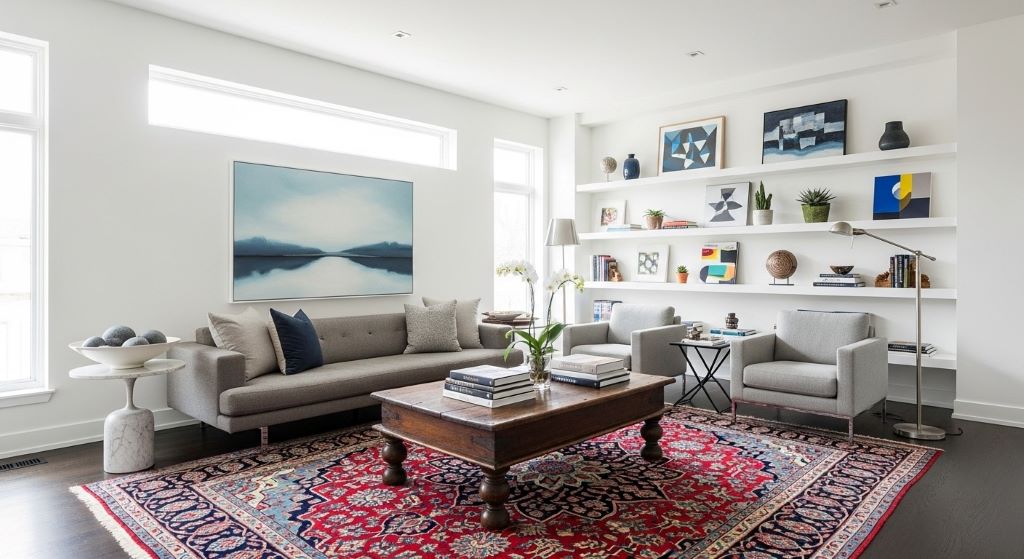
Modern home design continues to evolve. However, many homeowners still cherish traditional architectural features. Blending these classic elements with contemporary Olvion house design creates a unique and timeless living space. This approach honors the past while embracing the future.
Understanding this balance can transform your home into something truly special. Let’s explore how you can achieve this harmonious blend.
Understanding Olvion House Design Principles
Olvion house design emphasizes clean lines and functional spaces. This modern approach focuses on simplicity and efficiency. Additionally, it prioritizes natural light and open floor plans.
The style typically features minimalist aesthetics. Large windows and neutral color palettes are common elements. Furthermore, Olvion design values sustainability and eco-friendly materials.
These principles create homes that feel spacious and contemporary. However, they can sometimes feel cold without personal touches. Therefore, incorporating traditional elements adds warmth and character.
Why Blend Traditional and Modern Styles
Combining old and new creates visual interest. Your home becomes a reflection of both heritage and innovation. Moreover, this approach prevents your space from feeling too sterile or impersonal.
Traditional elements bring a sense of history and comfort. They connect us to architectural craftsmanship of the past. Meanwhile, modern design provides the functionality we need today.
This fusion also increases your home’s market appeal. Buyers often appreciate homes with unique character. Additionally, blending styles allows for greater creative expression in your design choices.
Selecting the Right Traditional Elements
Not every traditional feature works with modern design. Therefore, careful selection is essential. Start by identifying elements that complement clean, contemporary lines.
Classic crown molding can add elegance without overwhelming a space. Wainscoting provides texture while maintaining simplicity. Similarly, traditional hardwood flooring bridges both design worlds beautifully.
Consider incorporating vintage light fixtures or antique furniture pieces. These items serve as focal points within modern rooms. However, use them sparingly to avoid cluttering your space.
Architectural details like arched doorways or coffered ceilings work well too. They add dimension and interest to otherwise simple rooms. Just ensure these features don’t conflict with your home’s overall aesthetic.
Incorporating Traditional Materials in Modern Spaces
Materials play a crucial role in blending design styles. Natural stone, brick, and wood bring traditional warmth to contemporary homes. These materials have been used for centuries in construction.
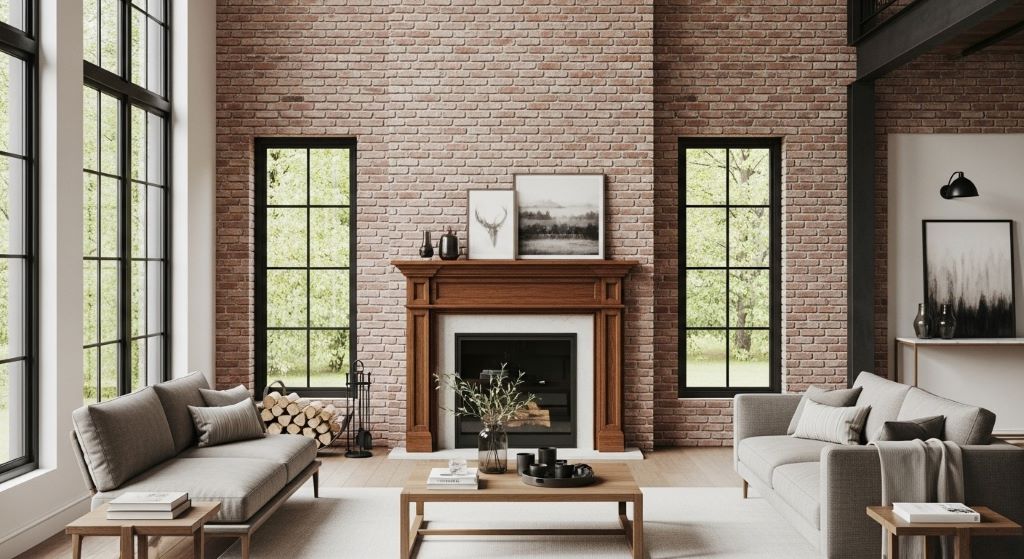
Exposed brick walls create stunning contrast in minimalist spaces. They add texture and visual depth. Meanwhile, stone fireplaces serve as dramatic centerpieces in modern living rooms.
Wood beams can soften the stark lines of Olvion design. Consider using reclaimed timber for an authentic feel. This choice also supports sustainable building practices.
Additionally, traditional materials like marble or granite work beautifully in modern kitchens. They provide durability while adding timeless elegance. Mix these with contemporary cabinetry for the perfect balance.
Color Palettes That Bridge Both Worlds
Color selection significantly impacts your design’s success. Neutral tones form the foundation of most Olvion house designs. However, traditional color schemes can add richness and depth.
Start with a modern neutral base like white, gray, or beige. Then introduce traditional accent colors through furnishings and decor. Deep blues, warm browns, and muted greens work particularly well.
Consider using traditional paint techniques like limewashing or color blocking. These methods add character without compromising modern aesthetics. Furthermore, they create subtle visual interest on walls.
Metallic finishes bridge the gap between old and new effectively. Brass and bronze fixtures evoke traditional elegance. Meanwhile, they complement contemporary design when used thoughtfully.
According to Architectural Digest, successful mixing requires understanding color theory and proportion. This knowledge helps you create cohesive spaces that feel intentional rather than accidental.
Furniture Selection and Placement Strategies
Furniture choices make or break your blended design approach. Mix modern and traditional pieces with careful consideration. Balance is key to creating a harmonious environment.
A contemporary sofa can pair beautifully with antique side tables. This contrast creates visual interest while maintaining functionality. Similarly, modern dining chairs work well with traditional wooden tables.
Avoid overcrowding rooms with too many statement pieces. Each traditional element should have space to shine. Therefore, adopt a “less is more” philosophy when decorating.
Consider the scale and proportion of your furniture carefully. Large traditional pieces can overwhelm modern spaces. Conversely, delicate antiques might get lost in expansive contemporary rooms.
Arrange furniture to facilitate conversation and movement. This approach honors traditional living patterns while maintaining modern openness. Additionally, it ensures your space remains practical for daily use.
Lighting Techniques for Blended Spaces
Lighting transforms how we experience interior spaces. Olvion design emphasizes natural light through large windows and skylights. However, traditional lighting fixtures add character and warmth.
Layer your lighting for maximum impact and functionality. Combine ambient, task, and accent lighting throughout your home. This technique works for both traditional and modern interiors.
Install vintage chandeliers in entryways or dining rooms as focal points. These fixtures add elegance without compromising your modern aesthetic. Meanwhile, use contemporary recessed lighting for general illumination.
Table lamps and floor lamps offer opportunities for traditional touches. Choose pieces with classic shapes but simple lines. This selection maintains visual cohesion while adding variety.
Consider dimmer switches for all lighting fixtures. They allow you to adjust ambiance according to time and mood. Furthermore, this modern convenience enhances traditional lighting’s versatility.
Textiles and Soft Furnishings
Fabrics soften modern spaces while introducing traditional patterns and textures. Layering textiles creates depth and comfort in minimalist rooms. Therefore, don’t underestimate their transformative power.
Traditional patterns like damask, toile, or paisley work in moderation. Use them on throw pillows, curtains, or upholstered chairs. However, balance patterned pieces with solid, neutral fabrics.
Natural fiber textiles connect both design worlds beautifully. Linen, cotton, and wool offer timeless appeal and modern sustainability. Additionally, they add tactile interest to smooth contemporary surfaces.
Area rugs define spaces while adding warmth underfoot. Traditional oriental or Persian rugs look stunning on modern hardwood floors. They introduce color, pattern, and historical significance to contemporary rooms.
Window treatments deserve special attention in blended designs. Simple Roman shades in luxurious fabrics work well. Alternatively, classic curtains with clean hardware maintain both traditional and modern sensibilities.
Architectural Details That Make a Difference
Thoughtful architectural details elevate your blended design approach. These features become permanent parts of your home’s character. Therefore, invest in quality craftsmanship and timeless designs.
Built-in bookshelves combine traditional library aesthetics with modern functionality. Paint them in contemporary colors to bridge both styles. Similarly, window seats offer classic charm with practical modern uses.
Ceiling treatments provide opportunities for traditional expression. Coffered or tray ceilings add architectural interest to simple rooms. However, keep designs clean-lined rather than overly ornate.
Door and window casings significantly impact your interior’s overall feel. Traditional trim styles can be simplified for modern appeal. Choose wider, flatter profiles that reference classical proportions without excessive detail.
Consider how moldings transition between rooms with different design emphases. Consistent trim throughout creates unity while allowing style variations. This approach maintains flow while celebrating both aesthetics.
Creating Focal Points with Statement Pieces
Every room benefits from a carefully chosen focal point. These statement pieces draw the eye and anchor your design. Furthermore, they provide opportunities to showcase your personal style.
A traditional fireplace mantel can serve as your room’s centerpiece. Surround it with modern furnishings for striking contrast. Alternatively, install a contemporary fireplace with traditional stone surround.
Antique mirrors create stunning focal points on modern walls. Their ornate frames add visual weight and historical character. Meanwhile, they reflect light and expand perceived space.
Consider featuring one major traditional piece per room. This could be an heirloom dresser, vintage chandelier, or classic armchair. Allow this piece to shine without competition from other traditional elements.
Art serves as an excellent bridge between design styles. Traditional paintings look beautiful on modern white walls. Conversely, contemporary art adds freshness to rooms with traditional architecture.
Outdoor Spaces and Landscaping Considerations
Your home’s exterior deserves the same thoughtful blending approach. Outdoor spaces extend your living area and showcase your design philosophy. Therefore, maintain consistency between interior and exterior aesthetics.
Traditional landscaping elements like formal gardens or stone pathways complement Olvion architecture. They soften modern lines while adding established beauty. Additionally, mature trees and classic plantings create timeless appeal.
Consider mixing traditional outdoor furniture with modern accessories. Teak benches paired with contemporary cushions work beautifully. Similarly, classic planters filled with modern succulents create interesting contrasts.
Lighting transforms outdoor spaces after dark. Traditional lantern-style fixtures suit most architectural styles. However, choose designs with clean lines that reference rather than replicate historical styles.
Outdoor living areas benefit from the same design principles as interiors. Mix materials, layer textures, and balance old with new. This approach creates cohesive transitions from inside to outside.
According to Houzz’s guide on mixing design styles, creating outdoor transition zones helps unite different architectural elements. These spaces buffer between pure traditional and pure modern areas.
Maintaining Balance and Avoiding Common Pitfalls
Successful blending requires restraint and careful planning. Too many competing elements create visual chaos. Therefore, establish clear guidelines before making design decisions.
Follow the 80/20 rule when mixing styles. Let one approach dominate while the other provides accents. This creates cohesion while maintaining interest and variety.
Avoid mixing too many different traditional periods or styles. Combining Victorian, Colonial, and Art Deco elements creates confusion. Instead, choose one traditional influence and execute it consistently.
Scale matters tremendously in blended interiors. Oversized traditional furniture overwhelms modern spaces. Conversely, delicate pieces disappear in expansive contemporary rooms.
Don’t feel pressured to blend every room equally. Some spaces can lean more traditional while others embrace modernism. This variation creates interest while maintaining overall home cohesion.
Trust your instincts but also seek professional guidance when needed. Interior designers understand proportions, color theory, and spatial relationships. Their expertise prevents costly mistakes and ensures successful outcomes.
Conclusion
Blending traditional elements with Olvion house design creates homes with soul and substance. This approach honors architectural heritage while embracing contemporary living. Moreover, it results in unique spaces that reflect your personal style and values.
Success requires careful selection, thoughtful placement, and balanced proportions. Consider how materials, colors, furnishings, and architectural details work together. Additionally, maintain consistency while allowing room-by-room variations that create interest.
Remember that your home should evolve with your tastes and needs. Start with a strong foundation and add traditional elements gradually. This measured approach ensures cohesion while preventing overwhelming spaces with conflicting styles.
Ultimately, the best design choices reflect your lifestyle and aesthetic preferences. Trust yourself while learning from established design principles. Your blended home will become a timeless sanctuary that grows more beautiful with age.
Frequently Asked Questions
What percentage of traditional elements should I include in a modern home?
The ideal ratio is approximately 20-30% traditional elements with 70-80% modern design. This balance maintains contemporary functionality while adding character. However, adjust these proportions based on your personal preferences and specific spaces.
Can I mix different traditional styles with Olvion design?
It’s best to choose one traditional influence and execute it consistently throughout your home. Mixing multiple traditional periods creates visual confusion. Select elements from one era that complement your modern foundation for cohesive results.
Which rooms work best for blending traditional and modern styles?
Living rooms, dining rooms, and bedrooms offer excellent opportunities for blending styles. These spaces benefit from both modern functionality and traditional warmth. Kitchens and bathrooms often work better with predominantly modern designs due to practical considerations.
How do I prevent my blended design from looking outdated?
Focus on timeless traditional elements rather than trendy interpretations. Choose quality materials and classic proportions that transcend specific eras. Additionally, regularly update accessories and textiles to keep spaces feeling fresh and current.
Should I hire a professional designer for blending styles?
While not essential, professional designers bring valuable expertise to complex projects. They understand proportions, color theory, and spatial relationships that ensure successful outcomes. Consider consulting a designer initially, then implementing changes yourself to control costs.
Related Topics:
Eco-Friendly Lattice Fence Materials
How to Make Compost Tea for Blooming Annuals