
How to Choose Gym Bags with Shoe Compartments for Better Hygiene
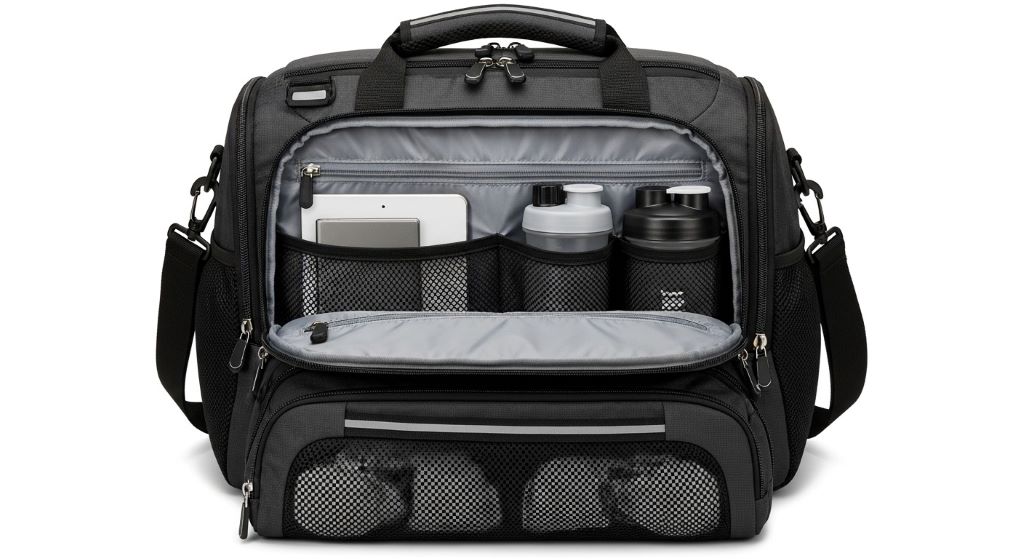
Keeping your workout gear fresh and organized can feel like a constant battle. After an intense training session, your sweaty shoes mix with clean clothes, towels touch dirty surfaces, and unpleasant odors spread throughout your entire bag. This common scenario affects countless fitness enthusiasts who struggle to maintain proper hygiene standards while traveling to and from the gym.
The solution lies in selecting the right bag design. Modern fitness bags offer specialized compartments that keep footwear isolated from other belongings. These thoughtful features transform how you store and transport your athletic equipment. By understanding what makes certain bags superior for maintaining cleanliness, you can make an informed purchase that protects your health and extends the life of your gear.
Why Shoe Compartments Matter for Gym Hygiene
Athletic footwear harbors millions of bacteria after each workout session. When you place worn sneakers directly next to clean clothing, those microorganisms transfer easily. Research shows that gym shoes can contain harmful bacteria including E. coli and staphylococcus. Additionally, moisture from sweaty shoes creates an ideal breeding ground for mold and mildew.
A separate shoe pocket bag prevents these hygiene issues effectively. The isolated space keeps contaminants away from items you’ll use next, such as fresh shirts or face towels. Furthermore, dedicated compartments allow air to circulate around footwear, reducing moisture buildup. This separation not only protects your health but also prevents your entire bag from developing persistent odors.
Beyond bacteria concerns, proper storage preserves your belongings. Clean gym clothes last longer when they remain untouched by dirty soles. Electronics like phones and headphones stay safer when separated from damp, soiled shoes. Therefore, investing in a bag with proper compartmentalization represents both a hygiene upgrade and a practical storage solution.
Essential Features of Ventilated Gym Bags
Air circulation stands as the most critical factor when selecting fitness storage. Without proper ventilation, moisture becomes trapped inside your bag, creating perfect conditions for bacterial growth. A ventilated gym bag incorporates mesh panels, breathable fabrics, or strategically placed vents that allow fresh air to flow through compartments.
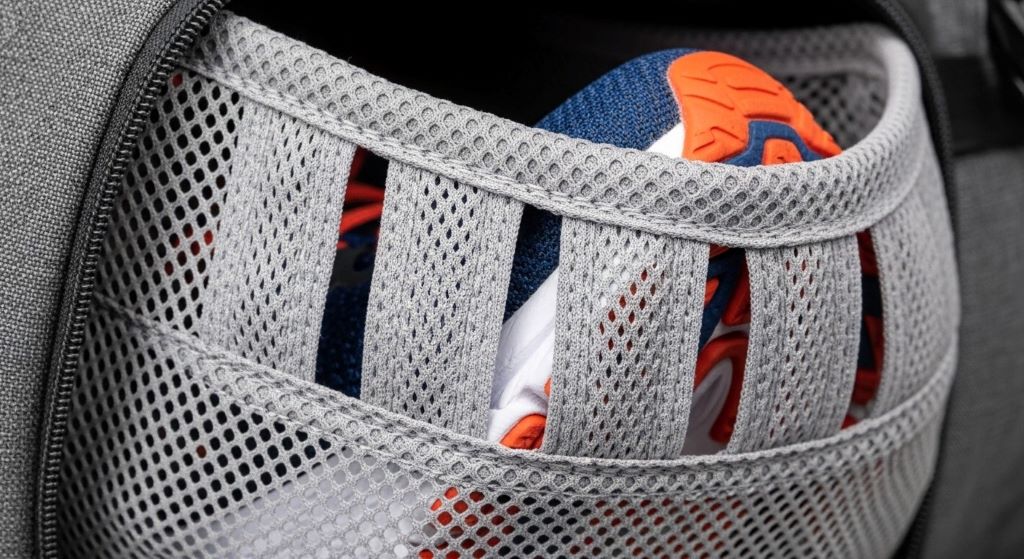
Look for bags with mesh construction in shoe areas specifically. These porous materials permit constant airflow while still containing your footwear securely. Some designs feature perforated panels on multiple sides, maximizing air exchange from various angles. This continuous circulation helps shoes dry between workouts, dramatically reducing odor development.
Material selection plays an equally important role in ventilation effectiveness. Synthetic fabrics like polyester and nylon typically offer better moisture-wicking properties than natural materials. These textiles pull dampness away from contents and release it into the surrounding environment. However, not all synthetic fabrics perform equally, so examine product descriptions for specific moisture-management claims.
Ventilation extends beyond just the shoe compartment. Consider bags with breathable panels throughout the main storage area as well. This comprehensive approach ensures your entire collection of workout gear benefits from air circulation. Wet towels, damp workout clothes, and sweaty accessories all dry faster when surrounded by breathable materials.
Size and Capacity Considerations
Selecting the appropriate bag size requires honest assessment of your typical gym routine. Someone who works out during lunch breaks needs different capacity than an athlete training twice daily. Start by listing everything you regularly bring: shoes, change of clothes, toiletries, water bottle, snacks, and any specialized equipment.
Shoe compartments themselves vary significantly in dimensions. Measure your largest pair of athletic shoes before shopping. Some bags accommodate only standard sneakers, while others fit basketball shoes, cross-trainers, or work boots comfortably. Remember that bulky winter shoes require more space than lightweight summer trainers.
Main compartment size should balance current needs with potential future requirements. If you might add swimming gear, yoga mats, or boxing gloves to your routine, choose a bag with expandable capacity. Conversely, oversized bags encourage overpacking and become unnecessarily heavy. Therefore, finding the sweet spot between adequate space and practical portability matters greatly.
Consider your transportation method as well. Bags carried on public transit need to fit comfortably without bumping other passengers. Those stored in car trunks can be larger but should still fit your vehicle’s storage area. Additionally, check whether your gym provides lockers and measure their interior dimensions to ensure your bag fits inside properly.
Compartment Layout and Organization
Effective organization systems transform how quickly you access needed items. Multiple separated sections prevent the frustrating search through tangled contents. Beyond the essential shoe compartment, quality bags include dedicated spaces for various belongings.
Wet and dry separation proves particularly valuable for swimmers or those who shower at the gym. Waterproof pockets keep damp items isolated, preventing moisture from reaching electronics or dry clothes. Some designs feature removable wet bags that can be washed separately, maintaining overall bag cleanliness.
Small item organization prevents lost keys, phones, or gym cards. Interior zippered pockets secure valuables safely. External quick-access compartments allow you to grab frequently needed items without opening the main section. This thoughtful design saves time and reduces security risks in crowded gym environments.
Think about your typical routine when evaluating layouts. Someone who brings laptops for post-workout work sessions needs padded electronics sleeves. Athletes carrying supplements benefit from insulated pockets that maintain product temperatures. Parents juggling childcare might appreciate external bottle holders. Match compartment features to your specific lifestyle demands.
Material Durability and Maintenance
Gym bags endure harsh conditions regularly. They encounter dirty floors, rough locker surfaces, and occasional outdoor elements. Consequently, material strength directly impacts how long your investment lasts. High-denier nylon and reinforced polyester withstand daily wear better than lighter-weight fabrics.
Pay attention to stitching quality and reinforcement at stress points. Handles, shoulder straps, and zipper areas receive the most strain during use. Double or triple stitching in these locations prevents premature failure. Metal hardware generally outlasts plastic components, though quality plastics can perform adequately with proper care.
Water resistance protects contents during unexpected weather or accidental spills. Many bags feature water-repellent coatings that bead moisture away from surfaces. However, truly waterproof construction requires sealed seams and specialized fabrics. Determine your exposure level to wet conditions when deciding how much water protection you need.
Maintenance requirements vary considerably between materials. Some bags can be machine washed, while others require spot cleaning only. Removable, washable liners simplify sanitation significantly. Regular cleaning prevents odor accumulation and extends bag lifespan, so prioritize designs that make hygiene maintenance straightforward.
Odor Control Technologies
Advanced bags incorporate special treatments that actively combat smell development. Antimicrobial fabrics contain silver ions or other compounds that inhibit bacterial growth. These treatments reduce odor at its source rather than simply masking unpleasant smells. While effectiveness varies between products, quality antimicrobial treatments provide noticeable benefits.
Activated charcoal filters represent another odor-fighting innovation. Some bags include replaceable charcoal packets in shoe compartments that absorb moisture and neutralize smells. These natural deodorizers work continuously without requiring sprays or chemicals. Replace packets periodically according to manufacturer recommendations for best results.
Removable and washable components offer the simplest odor prevention method. Bags with detachable shoe compartments allow thorough cleaning between uses. Interior linings that can be removed and laundered maintain freshness more effectively than permanently attached materials. This modularity gives you greater control over cleanliness.
Remember that even the best odor-control features work optimally with proper habits. Never leave damp shoes or wet clothes in your bag for extended periods. Air out your bag completely between gym visits when possible. These simple practices complement technological features to keep your gear smelling fresh.
Portability and Comfort Features
How you carry your bag impacts both convenience and physical health. Poorly designed straps cause shoulder pain, back strain, and general discomfort. Since you might carry a loaded bag several times weekly, ergonomic features deserve careful consideration.
Padded shoulder straps distribute weight more evenly across your body. Wider straps prevent cutting into shoulders when bags are heavy. Adjustable strap lengths ensure proper fit regardless of your height or build. Some designs offer removable straps, allowing you to switch between shoulder carrying and hand holding.
Convertible carrying options provide maximum versatility. Bags that function as backpacks, duffels, and shoulder bags adapt to different situations. Backpack mode works best for cycling or walking longer distances. Duffel style suits car transport or short carries. Having multiple options prevents you from purchasing separate bags for different scenarios.
Grab handles need sufficient padding and strength for comfortable carrying. Reinforced handles prevent tearing even when bags are fully loaded. Some designs feature dual handles that allow two-handed carrying for better weight distribution. Test handle comfort before purchasing when possible, as this seemingly minor detail significantly affects user experience.
Price Range and Value Assessment
Gym bags span enormous price ranges, from budget options under twenty dollars to premium designs exceeding two hundred dollars. However, higher prices don’t automatically guarantee superior quality. Understanding what justifies different price points helps you find genuine value.
Budget bags often sacrifice durability and specialized features. They may lack proper ventilation, use lower-quality zippers, or employ thin materials that wear quickly. For occasional gym-goers, these limitations might prove acceptable. However, frequent users typically find budget options require replacement within months, ultimately costing more over time.
Mid-range bags typically offer the best value for regular fitness enthusiasts. These products balance quality construction with reasonable pricing. Expect decent ventilation, durable materials, and functional compartmentalization without paying for premium branding. Many excellent bags fall within the fifty to one hundred dollar range.
Premium bags justify higher costs through superior materials, innovative features, and brand reputation. Designer fitness bags might include genuine leather accents, lifetime warranties, or cutting-edge odor-control systems. Professional athletes or those who value fashion alongside function may find these investments worthwhile. However, most people achieve excellent results with well-chosen mid-range options.
Special Features Worth Considering
Modern gym bags offer numerous additional features beyond basic storage. Insulated pockets maintain beverage temperatures for hours. Some designs include built-in USB charging ports for electronics. Others feature reflective strips that improve visibility during early morning or evening commutes.
Shoe compartments themselves come with various enhancements. Separate shoe pocket bag designs sometimes include removable shoe bags that can be used independently. Ventilated gym bag models might feature expandable shoe sections that accommodate multiple pairs. Consider whether these extras align with your needs or represent unnecessary complexity.
Security features protect valuable belongings in public spaces. Lockable zippers deter theft in gym lockers. Hidden pockets conceal wallets, keys, or phones from casual observation. For those who frequent busy facilities or travel with expensive gear, these security enhancements provide peace of mind.
Sustainability-conscious consumers can find bags made from recycled materials or produced through ethical manufacturing processes. While environmental features don’t directly affect functionality, they allow alignment between purchases and personal values. Many quality brands now offer eco-friendly options without compromising performance.
Testing and Reviews
Before finalizing your purchase, research customer experiences thoroughly. Online reviews reveal real-world performance issues that product descriptions might overlook. Pay particular attention to comments about durability, ventilation effectiveness, and actual capacity compared to advertised specifications.
Look for reviews from people with similar usage patterns. A bag that works perfectly for someone attending yoga classes twice weekly might fail for a CrossFit athlete training daily. Filter reviews to find perspectives matching your intended use case. Additionally, note how manufacturers respond to negative reviews, as this indicates customer service quality.
If possible, examine bags in person before buying. Feel material thickness, test zipper smoothness, and assess overall construction quality. Try on bags with weight inside to evaluate comfort accurately. Many sporting goods stores allow you to load display models with items to simulate actual use.
Consider warranty coverage as part of your evaluation. Longer warranties signal manufacturer confidence in product durability. Understand what the warranty covers and doesn’t cover. Some protect against manufacturing defects but exclude damage from normal wear. This protection can prove valuable for more expensive purchases.
Making Your Final Decision
After researching features, reading reviews, and identifying your specific needs, create a shortlist of three to five candidates. Compare them directly across the factors most important to your situation. Rank priorities like ventilation quality, organizational features, durability, and price.
Don’t rush the decision. A well-chosen bag serves you reliably for years, while a hasty purchase leads to frustration and replacement costs. Sleep on your choice, revisit product pages, and ensure you’ve considered all relevant factors. The extra time spent researching pays dividends through increased satisfaction.
Remember that personal preferences matter significantly. Some people prioritize aesthetics and want bags that look professional outside the gym. Others care only about functionality and durability. Neither approach is wrong. Choose based on what makes you excited to use your bag consistently.
Once you’ve made your purchase, commit to proper maintenance habits. Clean your bag regularly, air it out between uses, and address any wear issues promptly. Even the highest-quality bag requires care to perform optimally throughout its lifespan. These simple practices maximize your investment value.
Conclusion
Selecting a gym bag with dedicated shoe storage transforms your fitness routine by maintaining hygiene standards and protecting your belongings. The ideal bag combines effective ventilation, durable construction, thoughtful organization, and comfortable portability. By prioritizing features like antimicrobial materials, adequate compartment sizing, and proper airflow systems, you create a healthier environment for your gear.
Remember that the best bag matches your specific lifestyle and workout patterns. Consider how frequently you exercise, what equipment you carry, and how you transport your belongings. Whether you choose a budget-friendly option or invest in premium features, ensure your selection includes proper shoe isolation and ventilation. These fundamental elements prevent bacteria growth, eliminate odors, and extend the life of your athletic equipment.
Taking time to research thoroughly and evaluate your needs carefully results in a purchase that serves you well for years. Your gym bag becomes a reliable partner in your fitness journey, supporting your health goals through proper hygiene maintenance and practical organization.
Frequently Asked Questions
How often should I clean my gym bag with a shoe compartment?
Clean your gym bag at least once monthly for regular use, or every two weeks if you work out daily. Wipe down the shoe compartment after each use with disinfectant wipes. Deep clean by hand washing or machine washing (if manufacturer permits) to remove bacteria buildup and prevent persistent odors from developing.
Can I use the shoe compartment for other items besides footwear?
Yes, shoe compartments work excellently for storing other items you want isolated, such as dirty laundry, wet swimsuits, or soiled towels. The ventilation and separation features benefit any items that might contaminate clean belongings. However, avoid storing food or clean clothes in compartments previously used for shoes without thorough cleaning first.
Are mesh shoe compartments more effective than solid fabric ones?
Mesh compartments provide superior ventilation, allowing shoes to dry faster and reducing odor development significantly. However, mesh may not contain small debris as effectively as solid fabric. The best designs combine mesh panels for airflow with durable fabric reinforcement at stress points, offering both ventilation and structural integrity.
What size shoe compartment do I need for basketball or work boots?
Measure your largest shoes before purchasing. Basketball shoes and work boots typically require compartments at least 14 inches long and 7 inches wide. Look for expandable or oversized shoe pockets specifically designed for larger footwear. Some bags list maximum shoe size compatibility in product specifications.
Do antimicrobial treatments in gym bags really prevent odors?
Quality antimicrobial treatments reduce bacterial growth that causes odors, though they work best combined with proper bag maintenance. These treatments are not permanent and may diminish over time with washing. They effectively supplement good hygiene practices like airing out your bag and removing damp items promptly, rather than replacing these habits entirely.
Related Topics:
Why Golf Bags Have Insulated Cooler Pockets