How to Choose the Right Pillow for a 2-Year-Old Child
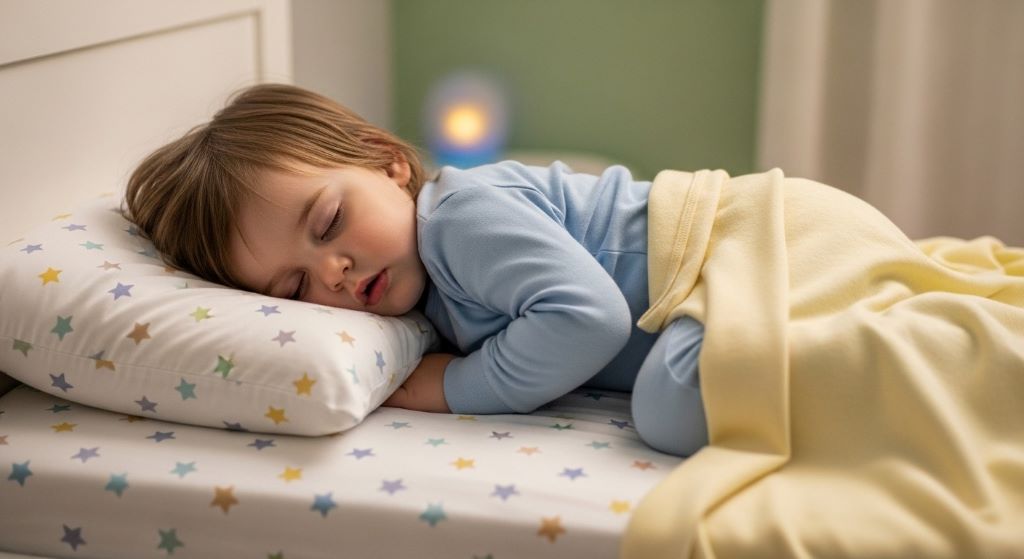
Choosing the perfect pillow for your 2-year-old can feel overwhelming. Parents often wonder whether their toddler even needs one at this age. Additionally, concerns about safety, comfort, and proper development make this decision more complex than simply picking a soft cushion. Understanding what to look for ensures your little one sleeps soundly while supporting healthy growth.
Most children transition from cribs to toddler beds around age two. This milestone brings new questions about sleep accessories. However, not every toddler requires a pillow immediately. Some sleep comfortably without one for several more months. Therefore, recognizing the signs that your child is ready becomes the first step in this process.
Understanding When Your Toddler Needs a Pillow
Young children develop differently, so timing varies from one child to another. Generally, most toddlers show readiness between 18 months and 3 years old. Watch for specific behaviors that indicate your child might benefit from added head support during sleep.
Does your toddler bunch up blankets under their head? This common behavior suggests they seek elevation naturally. Similarly, children who frequently shift positions to find comfort may appreciate proper support. Moreover, if your child has transitioned from a crib mattress to a regular bed, the different sleeping surface might make a pillow more appropriate.
Pediatricians typically recommend waiting until at least 18 months before introducing any pillow. Babies and very young toddlers face suffocation risks with pillows in their sleep space. Therefore, patience ensures safety while your child grows ready for this addition to their sleep routine.
Key Features of Safe Toddler Pillows
Safety remains the top priority when selecting sleep products for young children. A toddler neck support pillow differs significantly from adult versions in several important ways. Understanding these differences helps parents make informed choices that protect their little ones.
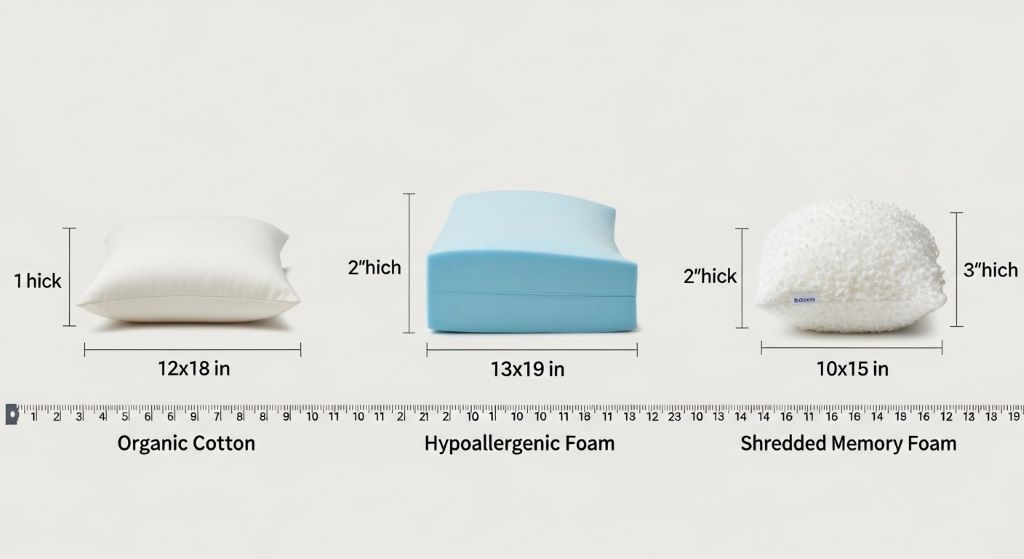
First, size matters tremendously. Toddler pillows should measure smaller than standard adult pillows, typically around 13 by 18 inches. This compact size prevents the pillow from overwhelming your child’s small frame. Furthermore, the right dimensions ensure the pillow fits properly on toddler beds without creating gaps or uncomfortable angles.
Thickness presents another crucial consideration. Unlike adult pillows that often measure several inches thick, toddler options should remain relatively flat. A thickness of 2 to 3 inches usually works best. Consequently, this moderate height provides gentle elevation without pushing the head forward unnaturally or straining developing neck muscles.
Firmness levels require careful attention as well. Many parents mistakenly assume softer always means more comfortable. However, overly soft pillows can pose suffocation hazards for young children. Instead, look for pillows with medium firmness that maintain their shape while still feeling comfortable.
Materials and Filling Options
The materials inside and covering a pillow significantly impact both safety and comfort. Various filling options exist, each with distinct advantages and potential drawbacks. Therefore, understanding these differences helps you select the best match for your child’s needs.
Polyester fiberfill represents one of the most common and affordable options. These synthetic fills resist clumping, wash easily, and dry quickly. Additionally, polyester doesn’t trigger allergies as frequently as natural materials. However, some polyester pillows may flatten over time, requiring replacement sooner than other types.
Memory foam provides excellent support and maintains its shape well. This material contours to your child’s head and neck, offering customized comfort. Moreover, memory foam pillows often last longer than fiberfill alternatives. Nevertheless, some memory foam can retain heat, potentially making sleep uncomfortable in warmer months.
Natural fills like cotton, wool, or buckwheat hulls appeal to parents seeking organic options. These materials breathe exceptionally well and regulate temperature effectively. Furthermore, they avoid synthetic chemicals that concern some families. On the other hand, natural fills may require more maintenance and can sometimes harbor dust mites if not properly cared for.
The Importance of Proper Neck Alignment
Supporting your toddler’s developing spine and neck remains essential for healthy growth. Poor sleep positions or inadequate support can contribute to discomfort and potential developmental concerns. Therefore, choosing a toddler neck support pillow that promotes proper alignment makes a real difference.
When lying down, your child’s head should rest in a neutral position. This means the neck forms a straight line with the spine rather than bending upward or downward. Consequently, the right pillow height maintains this alignment throughout the night, whether your toddler sleeps on their back or side.
Young children’s bodies grow rapidly during these early years. Bones, muscles, and connective tissues all develop quickly. Additionally, habits formed now can influence posture and comfort later in life. Providing appropriate support during sleep helps establish healthy patterns from an early age.
Watch how your child looks while sleeping on their new pillow. The head shouldn’t tilt too far forward, pushing the chin toward the chest. Similarly, excessive backward tilting creates strain as well. Moreover, shoulders should rest on the mattress rather than the pillow itself, ensuring the pillow supports only the head and neck.
Hypoallergenic and Breathable Considerations
Many toddlers experience allergies or sensitive skin, making material choice even more important. A comprehensive toddler bedding guide always emphasizes selecting hypoallergenic options when possible. These specialized pillows help minimize reactions while promoting better sleep quality.
Hypoallergenic pillows resist common allergens like dust mites, mold, and mildew. Look for products specifically labeled as hypoallergenic or resistant to these irritants. Furthermore, some pillows feature antimicrobial treatments that actively prevent allergen buildup over time.
Breathability affects both comfort and hygiene. Pillows that allow air circulation help regulate temperature throughout the night. Additionally, good airflow reduces moisture accumulation, which can lead to mold growth or unpleasant odors. Therefore, breathable materials contribute to both comfort and longevity.
Pillow covers play an equally important role in maintaining cleanliness. Choose covers made from tightly woven fabrics that prevent allergens from penetrating while still allowing air movement. Cotton covers often strike this balance well. Moreover, selecting pillows with removable, machine-washable covers makes regular cleaning much easier.
Washability and Maintenance
Toddlers bring unique challenges to keeping bedding clean. Spills, accidents, and general messiness mean pillows require frequent washing. Therefore, selecting products designed for easy maintenance saves time and frustration while ensuring a hygienic sleep environment.
Before purchasing any pillow, check the care instructions carefully. The best options feature both removable covers and machine-washable fills. This dual washability ensures thorough cleaning when needed. However, some fills require special care or cannot get wet at all, limiting how well you can maintain hygiene.
Establishing a regular cleaning schedule helps maintain freshness. Wash pillowcases weekly along with other bedding. Additionally, clean the pillow itself monthly or whenever spills occur. Many toddler pillows dry quickly, especially those with synthetic fills, making frequent washing more practical.
Consider purchasing two pillows if your budget allows. Having a backup means you can rotate them during washing. Furthermore, this approach extends the life of both pillows since each experiences less wear. Moreover, having a spare proves invaluable when accidents happen at inconvenient times.
Certifications and Safety Standards
Verifying that products meet safety standards provides peace of mind. Various organizations test and certify children’s products, including bedding items. Therefore, looking for these certifications helps ensure you choose safe, quality options for your toddler.
CertiPUR-US certification applies to foam products, confirming they meet strict standards for content, emissions, and durability. Pillows with this certification contain no harmful chemicals like formaldehyde or heavy metals. Additionally, certified foams emit minimal volatile organic compounds, improving air quality in your child’s room.
OEKO-TEX Standard 100 certification covers textiles, including pillow covers and some fills. Products bearing this label have been tested for hundreds of harmful substances. Furthermore, this certification considers every component, from fabric to dyes to accessories.
GREENGUARD Gold certification indicates products meet stringent chemical emissions standards. Items with this certification contribute to healthier indoor air quality. Moreover, this certification specifically considers the needs of sensitive populations, including children.
Transitioning Your Toddler to Using a Pillow
Introducing a new sleep element requires patience and consistency. Some toddlers embrace pillows immediately, while others need time to adjust. Therefore, approaching this transition thoughtfully increases the chances of success.
Start by placing the pillow on the bed during naptime rather than overnight sleep. This shorter period allows your child to experiment without committing to all-night use. Additionally, daytime introduction lets you monitor how your toddler interacts with the pillow initially.
Avoid forcing the issue if your child resists or removes the pillow repeatedly. Some toddlers simply prefer sleeping without head elevation. However, you can try again in a few weeks or months when they might be more receptive.
Make the pillow appealing by involving your child in selection. Let them choose a pillowcase featuring favorite characters or colors. Furthermore, talking about being a “big kid” who uses a pillow like parents can create positive associations.
Budget Considerations Without Compromising Safety
Quality toddler pillows range significantly in price. While budget matters for most families, certain compromises prove unwise when it comes to children’s products. Therefore, finding the balance between affordability and safety requires careful consideration.
Expect to spend between fifteen and forty dollars for a quality toddler pillow. Higher prices sometimes reflect superior materials or certifications. However, expensive doesn’t always mean better. Additionally, some mid-range options perform excellently while remaining budget-friendly.
Avoid extremely cheap pillows from unknown manufacturers. These products may not meet safety standards or could contain questionable materials. Furthermore, they often wear out quickly, ultimately costing more through frequent replacements.
Consider the pillow an investment in your child’s health and sleep quality. Better rest affects behavior, development, and overall wellbeing. Moreover, a durable pillow that lasts several years proves more economical than repeatedly buying cheaper alternatives.
Signs You Need to Replace the Pillow
Even quality pillows don’t last forever. Knowing when to replace your toddler’s pillow ensures continued comfort and support. Therefore, watching for specific signs helps you determine the right time for an upgrade.
Visible wear represents an obvious indicator. Look for tears, permanent stains, or compressed areas that won’t fluff back up. Additionally, lumpy or uneven filling distribution suggests the pillow has exceeded its useful life.
Persistent odors that don’t disappear after washing indicate it’s time for replacement. These smells may signal mold growth or bacteria buildup deep within the fill. Furthermore, continuing to use a pillow in this condition could affect your child’s health.
Most toddler pillows should be replaced every one to two years. However, this timeline varies based on quality and use. Moreover, children who drool heavily or experience frequent accidents may need replacements more often.
Creating a Complete Sleep Environment
A toddler bedding guide extends beyond just pillows to encompass the entire sleep space. Creating an optimal environment involves considering multiple factors that work together. Therefore, thinking holistically about your child’s bedroom promotes the best possible rest.
Mattress quality affects comfort as much as pillow choice. Ensure your toddler’s mattress provides appropriate support for their growing body. Additionally, using a waterproof mattress protector safeguards against accidents while maintaining comfort.
Room temperature plays a crucial role in sleep quality. Most children sleep best in rooms between 65 and 70 degrees Fahrenheit. Furthermore, proper temperature prevents overheating, which can disrupt sleep and pose safety risks.
Light and noise control help create conditions conducive to restful sleep. Consider blackout curtains to eliminate early morning light. Moreover, white noise machines can mask household sounds that might wake your toddler.
Bedding materials beyond the pillow deserve attention as well. Choose breathable sheets made from natural fibers like cotton. Additionally, select appropriate blanket weight for the season to prevent overheating or chilling.
Common Mistakes to Avoid
Understanding what not to do proves as important as knowing best practices. Many parents make similar mistakes when selecting toddler pillows. Therefore, learning from these common errors helps you make better choices.
Using adult pillows represents a frequent mistake. These pillows are simply too large and thick for toddlers. Consequently, they can cause neck strain and uncomfortable sleeping positions. Furthermore, oversized pillows may even pose suffocation risks.
Introducing a pillow too early creates unnecessary danger. Patience ensures your child reaches appropriate developmental readiness. Additionally, waiting eliminates risks associated with pillows in cribs or very young toddlers’ beds.
Neglecting to consider your child’s sleeping position leads to poor pillow choices. Side sleepers, back sleepers, and combination sleepers each benefit from slightly different pillow characteristics. Therefore, observing how your toddler naturally sleeps informs better decisions.
Forgetting about regular replacement means using pillows long past their prime. Old pillows harbor allergens and lose supportive properties. Moreover, they can develop hygiene issues that affect health and sleep quality.
Conclusion
Selecting the right pillow for your 2-year-old involves balancing safety, comfort, and developmental needs. Remember that not every toddler requires a pillow immediately, and waiting until clear signs of readiness appear ensures the safest approach. When choosing a toddler neck support pillow, prioritize appropriate size, thickness, and firmness levels that differ significantly from adult options.
Material selection matters greatly, with considerations including hypoallergenic properties, breathability, and ease of cleaning. Look for certifications that verify safety standards and confirm products contain no harmful substances. Additionally, creating a complete sleep environment that extends beyond just the pillow promotes better rest and healthy development.
Avoid common mistakes like using adult pillows or introducing them too early. Instead, observe your child’s individual needs and preferences while maintaining focus on safety. Regular maintenance and timely replacement keep pillows fresh and supportive throughout their useful life.
Ultimately, the perfect pillow supports your toddler’s growing body while providing comfort that encourages restful sleep. Taking time to research and select thoughtfully pays dividends in better sleep quality, improved behavior, and healthy physical development. Your attention to these details demonstrates care for your child’s wellbeing during these crucial early years.
Frequently Asked Questions
What age should I introduce a pillow to my toddler?
Most experts recommend waiting until at least 18 months to 2 years before introducing a pillow. However, every child develops differently. Look for signs like bunching blankets under their head or transitioning to a toddler bed. Some children may not need or want a pillow until age 3 or older. Safety should always take priority over rushing this milestone.
How thick should a toddler pillow be?
A toddler pillow should measure approximately 2 to 3 inches thick, significantly thinner than adult pillows. This moderate height provides gentle support without pushing the head too far forward or straining the neck. Overly thick pillows can compromise spinal alignment and create discomfort for young children whose bodies are still developing.
Can my toddler use a regular pillow?
No, toddlers should not use regular adult pillows. Standard pillows are too large, thick, and soft for young children. They can cause neck strain, poor spinal alignment, and potentially pose suffocation risks. Always choose pillows specifically designed for toddlers that meet appropriate size and safety standards.
How often should I wash my toddler’s pillow?
Wash pillowcases weekly along with other bedding. Clean the pillow itself at least monthly or immediately after spills and accidents. Choose pillows with removable, machine-washable covers and washable fills to maintain proper hygiene. Regular cleaning prevents allergen buildup and keeps the sleep environment fresh and healthy.
What filling is safest for toddler pillows?
Polyester fiberfill and quality memory foam are both safe, popular choices. Hypoallergenic fills work best for children with allergies or sensitive skin. Ensure any filling maintains medium firmness and doesn’t compress completely. Avoid overly soft fills that pose suffocation risks. Look for certifications like CertiPUR-US for foam products to ensure safety standards are met.
Related Topics:
How to Wash Down Alternative Pillow Clumping Fix: Easy Steps to Keep Your Pillows Fluffy and Fresh
The Hidden Link Between Pillow Firmness and Shoulder Impingement in Side Sleepers