How to Choose a Tape Measure Based on Blade Length and Accuracy

Selecting the right tape measure might seem straightforward, but this essential tool comes in numerous variations. Whether you’re a professional contractor or a weekend DIY enthusiast, understanding blade length and accuracy will help you make an informed decision. This guide explores everything you need to know about choosing the perfect tape measure for your projects.
Why Blade Length Matters
The blade length determines how far you can measure without assistance. Longer blades allow you to tackle bigger jobs independently. However, carrying a 35-foot tape measure for small household tasks creates unnecessary bulk. Therefore, matching the blade length to your typical projects makes practical sense.
Most homeowners find that a 25-foot model handles everyday tasks comfortably. This length works well for measuring rooms, furniture placement, and basic home improvements. Contractors often prefer 30-foot or 35-foot options because they frequently measure larger spaces. Meanwhile, compact 12-foot or 16-foot versions fit perfectly in toolkits for quick measurements.
Consider your workspace too. Tight spaces benefit from shorter blades that are easier to maneuver. Conversely, open construction sites demand longer reach to minimize repositioning. The right choice depends on your specific circumstances.
Understanding Accuracy Standards
Accuracy separates professional-grade tape measures from budget options. Most quality models offer accuracy within 1/16 inch over their entire length. Some premium versions achieve even tighter tolerances. This precision matters significantly for finish carpentry, cabinetry, and detailed woodworking.
Manufacturing standards classify accuracy into different classes. Class I represents the highest precision, suitable for professional applications. Class II offers slightly relaxed tolerances that still serve most purposes well. Class III provides basic accuracy appropriate for rough measurements and general use.
Temperature affects accuracy too. Metal blades expand in heat and contract in cold. Professional models account for these variations through special coatings and materials. Additionally, the hook at the blade’s end should move slightly to compensate for inside versus outside measurements. This floating mechanism ensures consistent readings regardless of measurement type.
Different Tape Measure Types Explained
Understanding various tape measure types helps you identify the best option for your needs. Each design serves specific purposes and offers unique advantages.
Pocket tape measures represent the most common type. These compact tools feature retractable blades housed in plastic or metal cases. They’re portable, affordable, and versatile enough for countless applications. Most DIY projects and professional jobs rely on this style.
Long tape measures, sometimes called surveyor’s tapes, extend from 50 feet to 300 feet or more. These models use fabric or fiberglass blades rather than metal. They’re essential for property measurement, landscaping, and large-scale construction layout. However, they lack the rigidity needed for shorter measurements.
Laser tape measures combine traditional measuring with modern technology. They use light beams to calculate distances instantly. These digital tools excel at measuring large rooms or inaccessible areas. Nevertheless, they require batteries and cost more than conventional options.
Digital tape measures display measurements on electronic screens. Some models store readings, perform calculations, and switch between metric and imperial units. They reduce reading errors and speed up documentation. Still, traditional models remain popular for their simplicity and reliability.
Blade Width and Standout Distance
Blade width influences how far the tape extends before bending or breaking. This characteristic, called standout, determines whether you need assistance for longer measurements. Wider blades achieve greater standout distances.
A one-inch-wide blade typically stands out around 7 to 10 feet. This capability allows solo measurements of standard room dimensions. Narrower blades, usually three-quarters of an inch, stand out only 6 to 8 feet. They’re lighter and more compact but require help for longer spans.
Professional models sometimes feature 1.25-inch widths. These robust blades stand out 12 feet or more. The extra rigidity proves valuable on construction sites where workers often measure alone. However, the increased bulk makes them less suitable for everyday carry.
Consider your typical measuring scenarios. Frequent overhead measurements benefit from excellent standout. Conversely, mostly measuring materials on workbenches requires less blade rigidity. Match the width to your actual needs rather than simply choosing the widest option.
Coating and Durability Features
Blade coatings protect against wear and improve visibility. Nylon-coated blades resist scratches and maintain clear markings longer. Some manufacturers apply special treatments that reduce glare under bright lights. These features extend the tool’s lifespan and enhance usability.
Markings should be easy to read at a glance. High-contrast printing in black and red stands out clearly. Fractional markings every sixteenth of an inch suit precision work. Some blades include stud markings at 16-inch intervals, helping framers locate wall studs quickly.
The case material affects durability and comfort. Rubberized housings provide better grip and absorb impact from drops. Metal cases offer superior protection but feel heavier and colder. Quality models incorporate both materials strategically for optimal performance.
Look for reinforced corners and shock-absorbing bumpers. These design elements protect critical components during rough handling. Additionally, check the belt clip’s strength and position. A secure clip prevents accidental losses while keeping the tool accessible.
Blade Lock Mechanisms
The blade lock determines how easily you can hold measurements in place. Slide locks offer smooth operation but sometimes slip under tension. Toggle locks provide firmer hold but require more effort to engage. Button locks combine convenience with reliability.
Automatic locks engage when you extend the blade and release with a button press. This design speeds up workflow significantly. Manual locks require deliberate action to secure the blade. They prevent accidental retraction but slow down the measuring process.
Test the lock mechanism before purchasing. It should engage firmly without excessive force. The release should be smooth and predictable. A sticky or temperamental lock frustrates users and wastes time.
Some advanced models feature both auto-lock and manual override. This versatility accommodates different measuring styles and preferences. However, added complexity can introduce potential failure points. Weigh the convenience against reliability concerns.
Reading the Blade Length Guide
When selecting blade length, consider your most frequent applications. A blade length guide helps match capabilities to requirements.
For apartment dwellers and small-space workers, 12 to 16 feet handles most tasks. These compact sizes measure furniture, closets, and small rooms easily. They fit comfortably in pockets or small tool bags.
Homeowners managing typical houses find 25 feet ideal. This length measures standard rooms, ceiling heights, and outdoor spaces without assistance. It balances portability with functionality perfectly for residential projects.
Contractors and builders typically choose 30 to 35 feet. These lengths accommodate room diagonals, large spaces, and exterior measurements. The extra reach eliminates constant repositioning on job sites.
Specialized applications may require 50 feet or more. Landscaping, property surveys, and large commercial projects benefit from extended reach. However, these models sacrifice portability for measuring capacity.
Hook Design and End Fittings
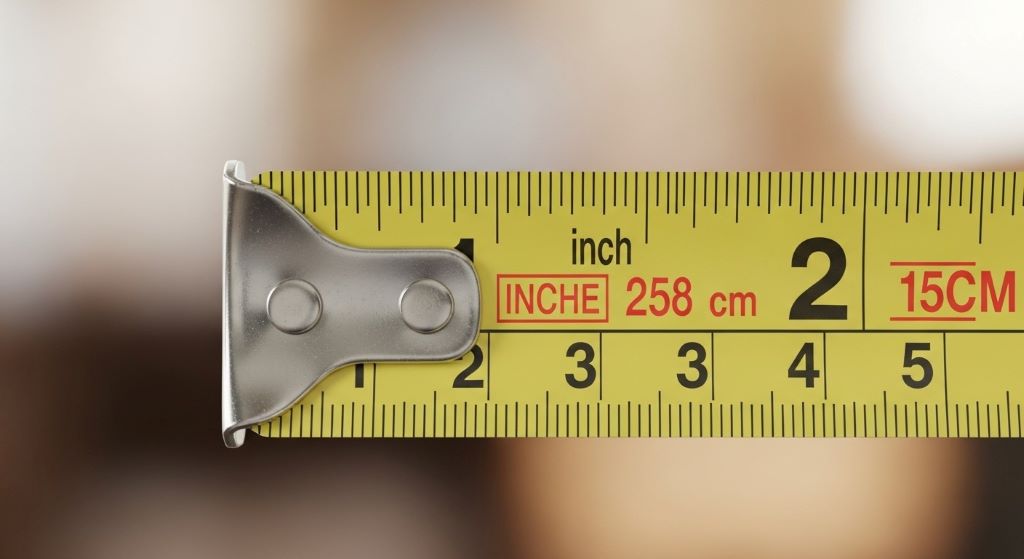
The hook at the blade’s end serves multiple purposes. It catches on edges for pull measurements and provides a reference point for push measurements. The hook should move slightly to account for its own thickness.
Quality hooks feature rivets rather than simple screws. Riveted connections withstand more abuse and last longer. Check that the hook moves freely but without excessive play. Too much movement indicates poor quality or wear.
Some hooks include magnets that attach to metal surfaces. This feature proves invaluable when working alone with metal studs or appliances. The magnet should be strong enough to support the tape’s weight reliably.
Reinforced hooks resist bending from repeated catches on rough edges. Look for thicker metal and protective coatings. Bent hooks compromise accuracy and make measurements difficult.
Special Features Worth Considering
Modern tape measures offer various enhancements beyond basic functionality. Fractional-to-decimal conversion charts printed on the case help with calculations. These references eliminate the need for separate conversion tools.
Multiple measurement scales accommodate different trades. Metric and imperial markings on the same blade suit international projects. Some models include specialized scales for specific applications like pipe measurement or roof pitch.
Built-in pencil holders keep marking tools handy. Wire guides help route the blade around obstacles. These conveniences streamline workflow and reduce fumbling for additional tools.
Self-marking tape measures incorporate mechanisms that leave marks automatically. While innovative, these features add complexity and potential failure points. Evaluate whether the convenience justifies the added cost and maintenance.
Maintaining Your Tape Measure
Proper care extends your tape measure’s lifespan significantly. Keep the blade clean by wiping it after use. Dirt and debris cause premature wear and make markings harder to read.
Store the tool in a dry location to prevent rust. Moisture damages both the blade and internal mechanisms. If the tape gets wet, extend it fully to dry before retracting.
Avoid retracting the blade at full speed. Letting it snap back damages the spring mechanism and can injure fingers. Control the retraction speed to protect both yourself and the tool.
Periodically check the hook’s accuracy. Measure something with a known dimension to verify readings. If the hook has loosened or bent, many models allow adjustment or replacement.
Making Your Final Decision
Choosing the right tape measure requires balancing multiple factors. Start by identifying your primary use cases. Professional contractors need different features than occasional DIYers.
Budget considerations matter, but don’t sacrifice essential quality for minor savings. A reliable tape measure lasts years and prevents costly mistakes. Investing in quality pays dividends through accuracy and durability.
Read reviews from users in similar situations. Real-world feedback reveals performance aspects that specifications don’t capture. Pay attention to comments about longevity and daily usability.
Handle potential options before buying if possible. The feel of the case, smoothness of blade extension, and clarity of markings matter more than specifications suggest. Personal preference plays a significant role in tool satisfaction.
Conclusion
Selecting the appropriate tape measure involves understanding blade length, accuracy requirements, and your specific applications. The right blade length balances portability with measuring capacity for your typical projects. Accuracy standards ensure reliable measurements for your precision requirements. Understanding different tape measure types and using a blade length guide helps you navigate the available options confidently.
Consider standout distance, coating durability, and lock mechanisms when evaluating models. Special features can enhance convenience but shouldn’t compromise basic functionality. Proper maintenance extends your investment’s lifespan significantly.
Whether you need a compact 16-foot model for household tasks or a professional 35-foot tape for construction work, matching the tool to your needs ensures satisfaction. Take time to evaluate your requirements, test options when possible, and invest in quality that serves you reliably for years to come.
Frequently Asked Questions
What is the most common tape measure length for home use?
A 25-foot tape measure serves most homeowners well. This length handles room measurements, furniture placement, and typical home improvement projects without being too bulky to store or carry.
How accurate should my tape measure be?
For general DIY work, accuracy within 1/16 inch over the blade’s length suffices. Professional finish work, cabinetry, and precision woodworking require tighter tolerances, ideally Class I accuracy standards.
Why does the metal hook on my tape measure move?
The hook moves intentionally to compensate for its own thickness. When hooking over an edge, it extends outward. When pushing against a surface, it compresses. This ensures accurate inside and outside measurements.
Can I replace a damaged tape measure blade?
Some professional-grade models allow blade replacement, but most consumer versions are sealed units. Replacement costs often approach a new tape measure’s price, making replacement more economical than repair.
What’s the difference between a 1-inch and 3/4-inch blade width?
Wider blades stand out farther before bending, allowing longer solo measurements. A 1-inch blade typically extends 7 to 10 feet independently, while a 3/4-inch blade manages 6 to 8 feet.
Related Topics:
Milwaukee M18 Fuel 1/4″ Impact Driver Review – Is It Worth the Hype?
WiFi Signal Loss in Garage Opener Installation Fix