How to Pick the Right Fishing Chair for Serious Anglers
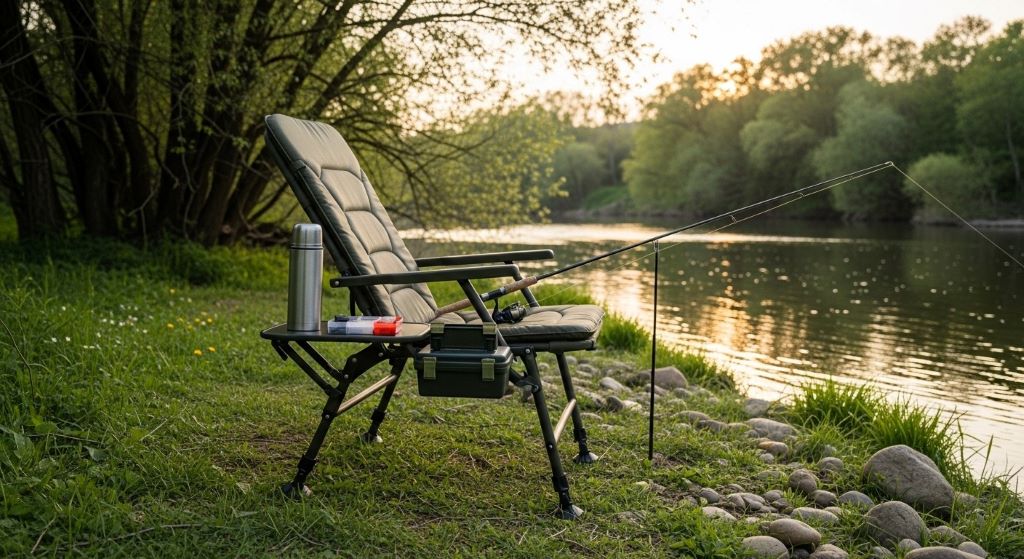
Spending hours waiting for fish to bite requires more than just patience and skill. Your physical comfort directly impacts your ability to stay alert, maintain focus, and enjoy the experience. Many anglers overlook the importance of a quality chair, settling for whatever’s convenient or cheap. However, serious fishermen understand that the right seating can make the difference between a successful day and an uncomfortable ordeal.
The market offers countless options, from basic folding stools to elaborate reclining systems with multiple features. Navigating these choices can feel overwhelming, especially when you’re unsure what features actually matter. This comprehensive guide will help you understand exactly what to look for when selecting a chair that matches your fishing style and needs.
Whether you fish from the shore, pier, or boat, choosing appropriate seating affects your stamina, concentration, and overall success. Let’s explore the essential factors that separate mediocre chairs from exceptional ones designed for anglers who take their hobby seriously.
Understanding Your Fishing Environment
Before examining specific chair features, you need to consider where and how you fish. Different environments demand different seating solutions. Your ideal chair depends heavily on your typical fishing location and style.
Shore fishing presents unique challenges. You might encounter sand, mud, rocks, or uneven terrain. Your chair needs stability on these surfaces while remaining portable enough to carry from your vehicle. Additionally, you may need to reposition throughout the day as fish move or conditions change.
Pier fishing offers more stable surfaces but often involves longer sessions in one spot. Comfort becomes paramount when you’re settled for hours. You also need to consider the space available on crowded piers where oversized chairs might annoy other anglers.
Boat fishing requires compact, lightweight options that won’t consume precious deck space. Storage becomes a priority, along with the ability to secure your chair during travel. Marine environments also demand materials that resist corrosion from salt water and spray.
Ice fishing demands chairs that perform in extreme cold. Your seating needs insulation from frozen surfaces and materials that won’t become brittle in freezing temperatures. Compact designs work best for ice shelters with limited space.
Essential Comfort Features
Fishing seat comfort goes far beyond simple padding. Multiple design elements work together to provide the support needed during extended sessions. Understanding these features helps you identify chairs that will actually keep you comfortable hour after hour.
Seat padding varies dramatically in quality and thickness. Basic foam compresses quickly, leaving you sitting on hard frame components after a few hours. High-density foam maintains its cushioning throughout long sessions. Memory foam molds to your body, distributing pressure evenly. However, memory foam can retain heat, which may be uncomfortable in warm weather.
Backrest design affects your posture and reduces fatigue. A supportive backrest lets you relax between casts while maintaining good posture. Look for backrests that provide lumbar support and adjust to multiple angles. Some anglers prefer high-back designs for full support, while others want low-back options that allow freedom of movement.
Armrests provide a place to rest while watching your line. They reduce shoulder and neck strain by supporting your arms during long waits. Adjustable or removable armrests offer flexibility for different fishing techniques. Consider whether armrests will interfere with your casting motion or rod handling.
Seat height influences your fishing effectiveness and comfort. Higher seats make it easier to stand up and cast, reducing strain on your knees and back. However, very high seats can feel unstable on uneven ground. Adjustable height mechanisms let you customize based on terrain and fishing style.
Seat width accommodates different body types and allows for extra clothing in cold weather. Narrow seats save space and weight but may feel cramped during long sessions. Wider seats provide more comfort but become bulkier to transport.
Frame Construction and Durability
The frame is your chair’s foundation. It determines weight capacity, longevity, and overall stability. Serious anglers need frames that withstand regular use in challenging conditions without failing at critical moments.
Aluminum frames offer an excellent strength-to-weight ratio. They resist corrosion, making them ideal for saltwater environments. Quality aluminum frames can support significant weight while remaining relatively lightweight for transport. However, cheaper aluminum frames may bend or crack under stress.
Steel frames provide maximum strength and stability. They handle heavy loads without flexing and stand firm on uneven terrain. The downside is weight. Steel chairs are noticeably heavier to carry, though this extra weight contributes to stability. Look for powder-coated or galvanized steel to prevent rust.
Frame design affects both stability and packability. Four-leg designs offer maximum stability on flat surfaces. Tripod or pod-style bases work better on uneven terrain, as they adapt to slopes and bumps. Some frames fold flat for easy transport, while others disassemble into components.
Weight capacity ratings matter more than many anglers realize. Don’t just barely meet your weight. Choose chairs rated for significantly more than you weigh to ensure longevity and safety. Factor in wet clothing, gear you might place on the chair, and the dynamic forces from standing and sitting repeatedly.
Reinforced stress points prevent failure where most chairs break. Check joints, pivot points, and where the seat attaches to the frame. Quality chairs use gussets, double-wall construction, or additional bracing in these critical areas.
Portability and Storage Solutions
Even the most comfortable chair becomes impractical if it’s too difficult to transport. Serious anglers often walk considerable distances to reach productive spots. Therefore, portability features deserve careful consideration.
Folded dimensions determine how easily you can transport and store your chair. Some chairs fold completely flat, making them easy to slide into vehicle trunks or storage spaces. Others fold into bulkier shapes that require more room. Measure your available storage before purchasing.
Carrying systems make transportation far easier. Shoulder straps let you carry the chair hands-free, leaving your hands available for rods and tackle. Backpack-style straps distribute weight across both shoulders for longer hikes. Handle grips work well for short distances but become uncomfortable on extended walks.
Weight is always a tradeoff with features and comfort. Ultralight chairs sacrifice some comfort and durability for easier transport. Heavier chairs provide better comfort and stability but tire you out during long walks. Consider your typical distance from parking to fishing spot when weighing this factor.
Included carrying cases protect your chair during transport and storage. Quality cases have padding in key areas and durable zippers. Some integrate directly into the chair design, eliminating the need for separate bags. Others are sold separately, giving you the option to add protection as needed.
Weather and Water Resistance
Fishing chairs face harsh conditions. Morning dew, sudden rain, splashing waves, and muddy banks all test your chair’s materials. Choosing weather-resistant construction extends your chair’s life and maintains comfort in less-than-ideal conditions.
Fabric selection affects both comfort and durability. Polyester dries quickly and resists mildew, making it excellent for damp environments. Canvas offers natural breathability but takes longer to dry. Mesh sections provide ventilation in hot weather but offer less padding and support.
Water-resistant treatments prevent fabrics from becoming soaked. However, they wear off over time and require reapplication. Some chairs use inherently water-resistant materials like coated nylon that maintain their properties longer.
Drainage features matter when fishing in wet conditions or if your chair gets caught in rain. Mesh seats allow water to drain through rather than pooling. Drain holes in seat pans serve the same purpose on cushioned chairs.
Corrosion-resistant components are essential for saltwater fishing. Stainless steel or plastic hardware prevents rust that weakens your chair over time. Check zippers, screws, and adjustment mechanisms to ensure they’re protected against corrosion.
Quick-drying properties become important when you can’t avoid getting your chair wet. Chairs that dry within hours prevent the musty smell and potential mildew that develops in chairs that stay damp for days.
Additional Features Worth Considering
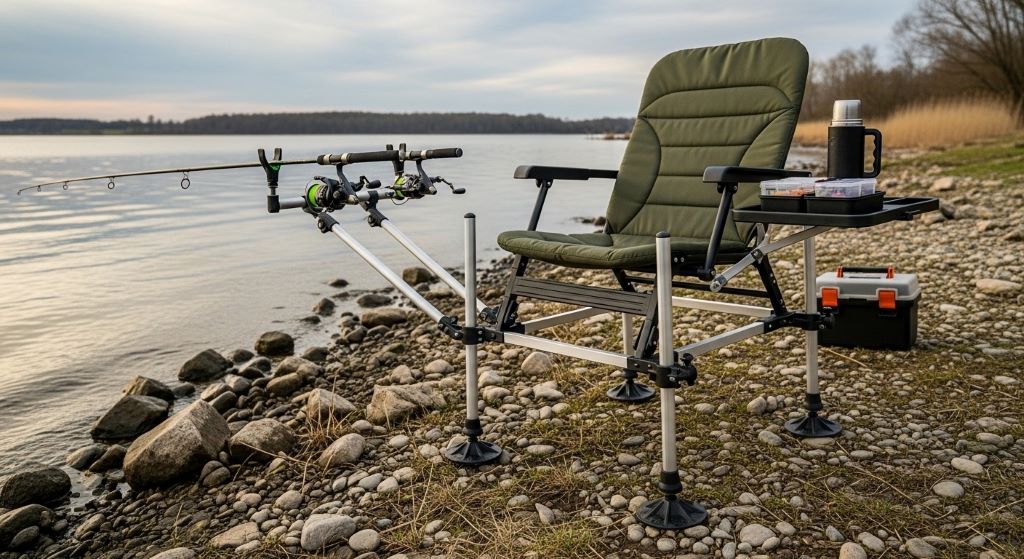
Beyond basic comfort and portability, several additional features can significantly enhance your fishing experience. Not every angler needs every feature, but understanding your options helps you choose a bank fishing chair that perfectly matches your style.
Side tables or cup holders keep essential items within easy reach. You can rest your coffee, store terminal tackle, or keep your phone accessible without setting items on the ground. Built-in coolers maintain cold drinks and keep bait fresh. However, each feature adds weight and bulk.
Rod holders integrated into your chair free up your hands while keeping rods secure and accessible. Multiple holders let you manage several rods simultaneously, perfect for anglers who fish with multiple lines. Consider the holder positions and whether they’ll interfere with your casting or movement.
Storage pockets organize small items like pliers, line cutters, and leader material. Well-designed pocket systems keep frequently used items accessible without requiring you to dig through tackle boxes. Mesh pockets let you see contents at a glance, while zippered compartments secure valuable items.
Reclining mechanisms allow you to adjust your position throughout the day. Multiple angle positions let you sit upright while actively fishing or recline during quiet periods. Locking mechanisms should hold firmly in each position without slipping under your weight.
Swivel bases let you rotate to follow fish movement or adjust your casting angle without repositioning the entire chair. This feature proves particularly useful on piers or boats where moving the chair isn’t practical. However, swivels add complexity and potential failure points.
Budget Considerations and Value
Quality fishing chairs range from under thirty dollars to several hundred. Understanding what you get at different price points helps you invest wisely without overspending on features you don’t need.
Entry-level chairs typically use basic materials and minimal features. They fold simply, offer basic padding, and use lighter-duty frames. These chairs work fine for occasional anglers or those fishing in easy-access locations. However, they often lack durability for regular use in challenging conditions.
Mid-range options provide significantly better materials and construction. You’ll find better padding, stronger frames, and useful features like adjustable legs or multiple pockets. This range offers the best value for most serious anglers who fish regularly but don’t need professional-grade equipment.
Premium chairs deliver exceptional comfort, durability, and features. They use advanced materials, sophisticated adjustment systems, and thoughtful design details. Professional guides and tournament anglers benefit from these investments, as do dedicated hobbyists who fish multiple times weekly.
Consider cost per use rather than just the purchase price. A chair you use fifty times per year justifies a higher investment than one used five times annually. Calculate the approximate cost per fishing trip over the chair’s expected lifespan.
Warranty coverage indicates manufacturer confidence in their product. Longer warranties suggest better quality and durability. Read warranty terms carefully to understand what’s covered and for how long. Some companies offer lifetime warranties on frames but limited coverage on fabric components.
Specialized Chairs for Specific Techniques
Different fishing techniques benefit from specialized chair designs. While versatile chairs work for most situations, dedicated designs optimize comfort and functionality for particular approaches.
Carp fishing chairs feature maximum comfort for marathon sessions lasting days. They often include reclining capabilities, extensive storage, and robust construction. These chairs are heavier and bulkier but excel for their intended purpose of long-term stationary fishing.
Feeder fishing demands chairs that support active, upright posture. Lower backrests allow freedom of movement for frequent casting and reeling. Lightweight designs facilitate repositioning as you search for productive spots.
Float fishing from banks benefits from highly portable chairs that pack small. You might move dozens of times during a session, so minimal weight and quick setup become priorities. Basic comfort suffices for the shorter periods you spend in each location.
Competition fishing requires chairs that meet specific regulations while maximizing efficiency. Tournament anglers need quick access to tackle, stable platforms for precise presentations, and designs that don’t slow them down during critical moments.
Testing Before You Buy
Whenever possible, physically test chairs before purchasing. Online reviews and specifications provide valuable information, but nothing replaces actually sitting in a chair and testing its features.
Visit outdoor retailers with extensive fishing departments. Quality stores display floor models you can sit in and adjust. Spend several minutes in each chair you’re considering. Your initial impression often differs from how the chair feels after five or ten minutes.
Bring gear to the store if possible. Wear the type of clothing you’d wear fishing. Simulate reaching for items, standing up and sitting down, and other movements you’d make while fishing. This realistic testing reveals comfort and functionality issues you might miss during a quick sit.
Check adjustment mechanisms while testing. They should operate smoothly without requiring excessive force. Locking systems should hold firmly without slipping. Test these features multiple times, as mechanisms that feel solid initially sometimes loosen with repeated use.
Read reviews from anglers who fish in similar conditions. Online forums, video reviews, and retail websites provide real-world feedback about long-term durability and performance. Pay particular attention to common complaints or recurring problems.
Ask experienced anglers about their chairs. Fellow fishermen often provide honest opinions about what works and what doesn’t. Local fishing clubs or online communities can offer valuable recommendations based on regional conditions.
Maintenance and Care
Proper maintenance extends your chair’s life and maintains its comfort and functionality. Developing simple care habits prevents premature wear and keeps your investment performing well for years.
Clean your chair after each trip, especially when fishing in saltwater or muddy conditions. Rinse with fresh water to remove salt, sand, and dirt. Use mild soap for stubborn stains. Avoid harsh chemicals that might damage fabrics or coatings.
Dry your chair completely before storage. Folding or storing a damp chair promotes mildew growth and can damage fabrics. Set it up in a well-ventilated area until completely dry. This practice prevents that musty smell and maintains fabric integrity.
Lubricate moving parts periodically. Adjustment mechanisms, hinges, and locking systems benefit from occasional lubrication. Use silicone spray or similar lubricants that won’t attract dirt. This maintenance keeps adjustments operating smoothly.
Inspect for damage regularly. Check fabric for tears, examine frame welds or joints, and test adjustment mechanisms. Small problems caught early can often be repaired inexpensively. Ignored damage typically worsens and may eventually render the chair unusable.
Store properly during off-seasons. Keep chairs in dry locations away from extreme temperatures. Avoid storing them compressed or folded for months, as this can damage padding and create permanent creases in fabrics.
Making Your Final Decision
With all this information, you’re ready to make an informed choice. Prioritize features based on your specific fishing style and conditions. Not every feature matters equally to every angler.
List your must-have features versus nice-to-have options. Must-haves might include specific weight capacity, portability requirements, or comfort features essential for your physical needs. Nice-to-have features enhance convenience but aren’t deal-breakers if absent.
Set a realistic budget based on how often you fish. Regular anglers benefit from investing more in quality construction and comfort. Occasional anglers can select perfectly adequate chairs at lower price points without sacrificing too much.
Consider buying from retailers with good return policies. Even with careful research, a chair might not feel right during actual fishing conditions. Return policies give you the option to exchange for a better fit if your first choice disappoints.
Think long-term about your fishing habits. If you’re getting more serious about fishing, invest in a quality chair that supports this growth. Buying a better chair initially often proves cheaper than upgrading repeatedly as your standards increase.
Conclusion
Selecting the right fishing chair significantly impacts your comfort, stamina, and success on the water. Serious anglers recognize that fishing seat comfort and a quality bank fishing chair are investments in their fishing experience, not mere accessories. The perfect chair balances portability with stability, durability with weight, and features with simplicity.
Consider your specific fishing environment, techniques, and physical needs when evaluating options. Understand that the most expensive chair isn’t necessarily the best choice for your situation, just as the cheapest option rarely delivers satisfactory long-term performance. Focus on features that genuinely enhance your fishing rather than accumulating unnecessary bells and whistles.
Quality construction, appropriate comfort features, and weather-resistant materials form the foundation of any good fishing chair. Additional features like storage pockets, rod holders, and adjustment systems add value when they align with your fishing style. However, they become burdensome weight if you don’t actually use them.
Take time to research, test when possible, and invest in a chair that will serve you well for many seasons. Your back, legs, and overall fishing enjoyment will thank you for choosing wisely.
Frequently Asked Questions
What’s the ideal weight capacity for a fishing chair?
Choose a chair rated for at least 50 pounds more than your body weight. This buffer accounts for wet clothing, gear you might place on the chair, and the dynamic forces created when standing and sitting. Heavier ratings generally indicate stronger construction that lasts longer even under normal use. If you’re a larger angler or plan to use the chair for years, consider chairs rated for 300 pounds or more regardless of your actual weight.
How important is adjustable height for bank fishing?
Adjustable height becomes extremely valuable when fishing from uneven banks or varying terrain. It allows you to achieve a comfortable position regardless of ground slope and helps you maintain better line control at different water levels. Additionally, adjustable height reduces strain on your knees and back when standing up after long sessions. While not absolutely essential, most serious bank anglers consider it one of the most useful features available.
Can I use a regular camping chair for fishing?
Regular camping chairs work for casual fishing but lack features that enhance serious angling. Fishing-specific chairs typically offer better water resistance, more convenient storage for tackle, integrated rod holders, and designs optimized for the postures and movements fishing requires. Camping chairs also tend to position you lower to the ground, making it harder to monitor lines and stand up quickly when fish strike. For occasional trips, camping chairs suffice, but dedicated anglers benefit from purpose-built fishing chairs.
How do I prevent my chair from sinking into soft ground?
Look for chairs with wider leg feet or mud feet designed to distribute weight over larger areas. Some chairs offer attachable foot pads that increase surface area on soft terrain. Alternatively, carry small platforms or discs to place under each leg. These simple solutions prevent sinking in sand, mud, or soft soil. Some advanced chairs feature oversized or curved feet specifically engineered for unstable surfaces.
What’s the difference between a fishing chair and a fishing stool?
Fishing stools are minimalist seats without backrests, designed for maximum portability and quick setup. They work well for mobile fishing where you move frequently and don’t spend long periods in one spot. Fishing chairs provide backrests, better padding, and usually more features, making them ideal for longer sessions where comfort matters more than minimal weight. Stools typically weigh 2 to 5 pounds, while full chairs range from 8 to 20 pounds depending on features and construction.
Related Topics:
How to Select the Best Baitcasting Rod for Bass Fishing in 2026
How to Read Tidal Charts for Surf Fishing