How to Save Space in a Small Nursery With Portable Baby Swings
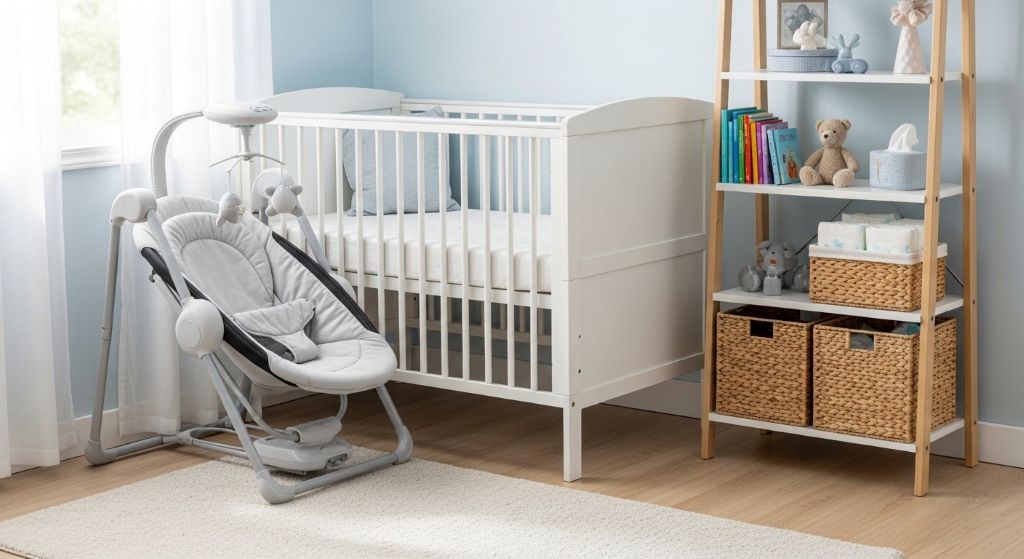
Creating a functional nursery in a limited space presents unique challenges for new parents. Every square foot matters when you’re working with a small room. However, choosing the right furniture and equipment can transform even the tiniest space into a comfortable haven for your baby.
Portable baby swings offer an excellent solution for space-conscious parents. These versatile pieces serve multiple purposes while taking up minimal room. Unlike traditional swings that occupy permanent floor space, portable options can be moved, stored, and adapted to fit your daily needs.
This guide will help you maximize your nursery space by choosing and using portable baby swings effectively. You’ll discover practical strategies for organizing your baby’s room without sacrificing comfort or functionality.
Understanding the Space-Saving Benefits of Portable Swings
Traditional baby swings often come with large frames and fixed positions. They claim valuable floor space that could be used for other essential items. Portable swings, on the other hand, offer flexibility that fixed furniture cannot match.
These compact designs typically feature lightweight frames that you can easily move from room to room. This mobility means the swing doesn’t need to live permanently in the nursery. You can bring it to the living room during the day and return it to the nursery at night.
Many portable swings fold flat for storage. When your baby outgrows the swing or you need extra space for playtime, you can simply fold it up and tuck it away. This feature alone makes them invaluable for small spaces.
Additionally, portable swings often combine multiple functions in one unit. Some models include vibration settings, music players, and removable seats that double as rockers. Having one item that serves several purposes eliminates the need for multiple pieces of equipment.
Choosing the Right Portable Swing for Your Space
Not all portable swings are created equal. Selecting the right one requires considering your specific space limitations and needs. Start by measuring your available floor space carefully. Write down these measurements and bring them when shopping.
Look for swings with adjustable frames. Some models allow you to change the swing’s footprint by adjusting leg positions or collapsing certain features. This adjustability gives you options when rearranging the room or moving the swing to different locations.
Consider the swing’s weight and portability. If you plan to move it frequently between rooms, choose a model you can carry comfortably. Most portable swings weigh between 10 and 20 pounds. Test carrying the display model if possible to ensure it’s manageable.
Check the folding mechanism before purchasing. The process should be straightforward and quick. Complicated folding systems often discourage regular use of the space-saving feature. Look for one-hand folding options if you’ll need to fold it while holding your baby.
Pay attention to the swing’s maximum weight limit and age range. Choosing a model that grows with your baby means you won’t need to purchase a replacement as quickly. Some swings accommodate babies up to 25 or 30 pounds, extending their useful life significantly.
Smart Placement Strategies for Maximum Space Efficiency
Where you position your portable swing matters as much as which model you choose. Strategic placement can make your small nursery feel more spacious and functional.
Consider placing the swing in a corner when in use. Corners often represent underutilized space in small rooms. A swing positioned at an angle in a corner takes up less visual and functional space than one in the middle of the room.
Keep the area around the swing clear of clutter. You need easy access from at least one side to place your baby in and out safely. However, you don’t need clearance on all sides like you would with a traditional swing.
Think about traffic flow through the nursery. The swing shouldn’t block doorways or pathways to the crib or changing table. Place it where you can reach it easily but where it doesn’t impede movement through the room.
If your nursery has limited floor space, consider using the swing primarily in other rooms. Many parents keep the swing in their bedroom at night for easy access during those middle-of-the-night soothing sessions. During the day, it can live in the living room or kitchen where you spend most of your time.
Incorporating Small Nursery Ideas Throughout the Room
Portable baby swings work best as part of a comprehensive space-saving strategy. When you apply smart design principles throughout the nursery, everything functions more efficiently together.
Choose furniture that serves multiple purposes. A changing table with built-in storage eliminates the need for a separate dresser. A crib with drawers underneath provides clothing storage without requiring additional floor space. These choices free up room for your portable swing when you need it.
Use vertical space effectively. Wall-mounted shelves keep supplies organized and accessible without consuming floor space. Hanging organizers on the back of the door store diapers, wipes, and other essentials. Going vertical leaves the floor clear for your swing and movement.
Select a color scheme that makes the room feel larger. Light colors on walls and furniture reflect light and create an open, airy feeling. This doesn’t mean the room must be boring. Add personality through artwork, textiles, and accessories rather than large, dark furniture pieces.
Keep only essential items in the nursery. It’s tempting to fill the space with every baby product available, but restraint is crucial in small spaces. If you don’t use something daily or weekly, find storage for it elsewhere in your home.
Creating a Flexible Layout That Adapts to Your Needs
Your nursery needs will change as your baby grows. Creating a flexible layout from the start makes these transitions easier and maintains functionality in your limited space.
Use furniture with wheels or casters when possible. A rolling cart for supplies, a mobile changing station, or even adding casters to furniture pieces makes rearranging effortless. When you need to use the portable swing, you can quickly shift other items out of the way.
Avoid permanent installations unless absolutely necessary. Mounted shelves are fine, but resist the urge to build custom storage systems or install large, fixed furniture pieces. These permanent fixtures limit your ability to reconfigure the space as your child’s needs evolve.
Plan for growth stages. Your newborn’s needs differ significantly from a mobile infant’s requirements. Think about how you’ll use the space when your baby starts crawling and needs floor play area. A portable swing that folds away becomes even more valuable during this stage.
Document your current layout with photos. When you need to rearrange for different activities or stages, you can refer back to configurations that worked well. This simple step saves time and frustration during transitions.
Maximizing Storage to Keep the Space Functional
Effective storage solutions are essential when working with compact baby products and limited square footage. Proper organization prevents clutter from overwhelming your small nursery.
Use under-crib storage for items you don’t need daily. Seasonal clothing, extra bedding, and backup supplies can all live in bins or drawers beneath the crib. This hidden storage keeps them accessible but out of sight.
Install closet organizers to maximize hanging and shelving space. Double hanging rods allow you to hang more clothing in the same vertical space. Shelf dividers keep folded items neat and prevent piles from toppling over.
Designate a specific spot for the folded swing. When not in use, it needs a home where it’s protected but accessible. A closet shelf, the space beside the dresser, or even under the crib can work well. Having a designated spot ensures you’ll actually fold it away rather than leaving it set up permanently.
Rotate toys and supplies seasonally. You don’t need every toy or clothing item accessible at once. Store out-of-season items elsewhere and swap them as needed. This practice keeps the nursery from feeling cramped and overwhelming.
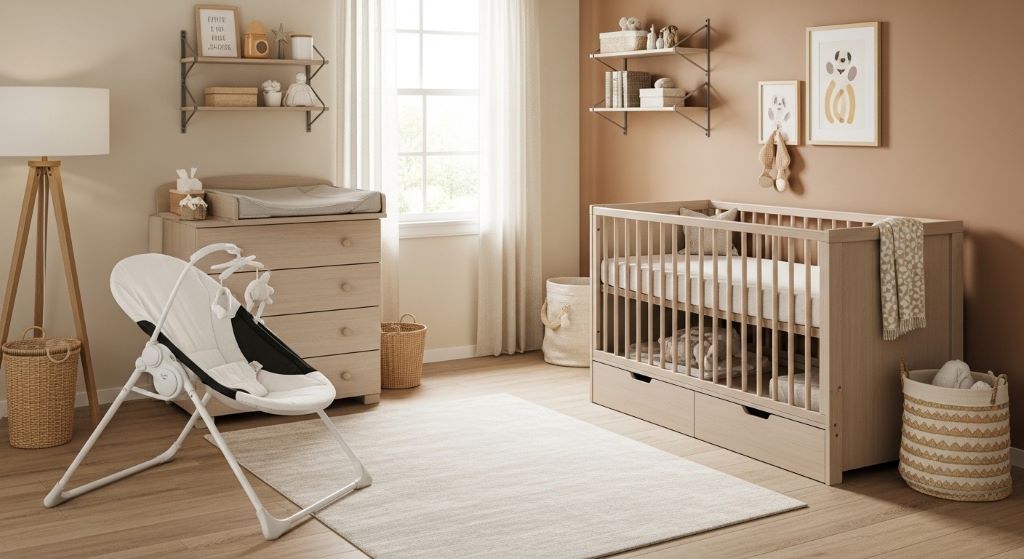
Integrating Foldable Baby Gear Into Your Daily Routine
Owning space-saving equipment only helps if you actually use the features that save space. Building these practices into your daily routine requires some initial effort but quickly becomes automatic.
Fold the swing each morning after the first wake-up. This simple habit immediately opens up floor space for daytime activities. It takes less than a minute but makes the room feel significantly larger throughout the day.
Set up the swing during typical fussy times. Most babies have predictable periods when they need extra soothing. Knowing these patterns allows you to prepare the swing in advance rather than scrambling to set it up while holding a crying baby.
Keep a basket nearby with items you need when using the swing. A pacifier, small blanket, and perhaps a toy can all live in this portable caddy. When you set up the swing, everything you need is immediately at hand.
Involve your partner in the routine. Make sure everyone who cares for the baby knows how to set up and fold down the swing. Consistency in using the space-saving features ensures the system works for your entire household.
Combining Multiple Space-Saving Products Effectively
Portable swings work best when paired with other thoughtfully chosen items. Creating a cohesive collection of space-conscious products maximizes your small nursery’s potential.
Choose a bassinet that also serves as a bedside sleeper. These dual-purpose items attach to your bed and function independently. When your baby moves to the crib, some models convert to toy storage or a reading nook for toddlers.
Select a diaper caddy instead of a traditional changing table. These portable organizers hold all your changing supplies and can move anywhere you need them. Pair it with a changing pad on top of a dresser, and you’ve saved substantial floor space.
Consider a wall-mounted baby monitor instead of one with a standing base. Every surface area matters in a small nursery. Mounting the monitor to the wall keeps your dresser top clear for actual storage and use.
Look for collapsible laundry hampers and toy storage. These items store flat when empty and expand when needed. This flexibility prevents them from taking up permanent space in your already-limited nursery.
Addressing Safety Considerations in Tight Spaces
Space-saving strategies should never compromise your baby’s safety. Understanding how to use portable swings safely in small spaces protects your child while maintaining functionality.
Ensure the swing sits on a level, stable surface every time you set it up. Small rooms sometimes have uneven floors or thick carpeting that can affect stability. Check that all legs are firmly planted before placing your baby in the swing.
Maintain clear space around the swing when it’s in use. Even though the swing itself is compact, you need room for it to swing freely without hitting walls, furniture, or other objects. Measure the swing’s arc and plan accordingly.
Never place the swing on elevated surfaces to save floor space. Tables, beds, or other furniture might seem like solutions for a cramped room, but they create serious fall hazards. The swing must always sit directly on the floor.
Follow the manufacturer’s weight limits and age recommendations strictly. Overloading a portable swing can cause mechanical failure or tipping. These lightweight designs have specific capacity limits for safety reasons.
Inspect the swing regularly for wear and damage. Portable items that are frequently folded and unfolded experience more stress than stationary furniture. Check hinges, fabric, and straps before each use to ensure everything functions properly.
Budget-Friendly Approaches to Small Space Nurseries
Creating an efficient small nursery doesn’t require spending a fortune on premium products. Smart shopping and creative thinking can achieve excellent results within any budget.
Shop secondhand for portable swings and other equipment. Many baby items have short useful lives and are available gently used. Inspect items carefully for safety recalls and damage, but don’t hesitate to buy quality used products.
Borrow items from friends and family when possible. Babies outgrow equipment quickly, and most parents are happy to lend or give away items their children no longer need. This approach is especially practical for items you’ll only use for a few months.
Prioritize versatile products over specialized ones. One good portable swing beats owning three separate soothing devices. Choose items that serve multiple functions and skip single-purpose products whenever possible.
DIY simple solutions where appropriate. You don’t need expensive organizers when baskets and bins from discount stores work perfectly. Save your budget for items where quality and safety are paramount, like the swing itself.
Watch for sales and clearance events. Baby products go on sale regularly, especially during major shopping holidays. Sign up for email lists from baby stores to receive notifications about discounts on items you need.
Planning for Growth and Changing Needs
Your small nursery must evolve as your baby develops. Planning for these changes from the beginning makes transitions smoother and maintains the room’s functionality over time.
Think about how long you’ll use each product. A portable swing typically serves babies from birth to six or nine months. Knowing this timeline helps you plan for what comes next and prevents purchasing items you won’t need long-term.
Consider resale value when making purchases. Quality portable swings retain value better than cheap alternatives. If you plan to sell items as your baby outgrows them, investing in good brands makes financial sense.
Create a transition plan for each stage of development. When your baby stops using the swing, what will take its place? Having a rough idea prevents panic buying or poor decisions when changes happen suddenly.
Stay flexible in your expectations. Every baby develops differently, and your carefully planned timeline might not match reality. Some babies love swings for months; others reject them immediately. Be prepared to adapt your space and strategy as needed.
Making the Most of Vertical and Hidden Spaces
When floor space is limited, looking up and finding hidden spots becomes essential. These often-overlooked areas offer surprising storage and organization opportunities in small nurseries.
Install floating shelves high on the walls for decorative items and occasionally used supplies. These shelves add storage without consuming any floor space. Keep frequently used items at arm’s reach and reserve high shelves for backup inventory or seasonal decorations.
Use the space behind the door strategically. Over-the-door organizers, hooks, and hanging storage systems make this dead space functional. Hang diaper bags, extra blankets, or clothing here to free up dresser and closet room.
Explore options above the crib if safety regulations permit. A high shelf above the crib’s headboard can hold books, pictures, or decorative items. Ensure anything stored here is securely mounted and cannot fall into the crib.
Look for furniture with hidden storage compartments. Ottomans with storage inside, cribs with drawers underneath, and changing tables with multiple shelves all add storage without increasing the furniture’s footprint.
Creating a Calming Environment Despite Space Constraints
A small nursery can still feel peaceful and calming with the right design choices. These considerations help create a soothing space for both you and your baby, even when square footage is limited.
Control lighting carefully. Dimmer switches and blackout curtains help you adjust the room’s ambiance for different activities. Soft lighting makes the small space feel cozy rather than cramped during nighttime care.
Minimize visual clutter through thoughtful organization. Open shelves piled with stuff make any room feel chaotic. Use bins, baskets, and drawer organizers to keep items contained and the visual field clean.
Choose calming colors that you genuinely enjoy. While nursery design trends come and go, you’ll spend many hours in this room. Select colors and patterns that make you feel relaxed and happy.
Add personal touches that make the space feel special. A few meaningful decorations or family photos create warmth without requiring much space. These touches make the room feel intentionally designed rather than simply cramped.
Conclusion
Creating a functional nursery in a small space is entirely achievable with the right approach and equipment. Portable baby swings offer an excellent starting point for space-conscious parents. Their mobility, storage capabilities, and multi-functional features make them ideal for compact living situations.
Success in small nursery design comes from combining smart product choices with strategic organization and layout planning. When you incorporate small nursery ideas throughout the room, use compact baby products wisely, and embrace foldable baby gear, even the smallest spaces can meet all your needs.
Remember that your nursery will evolve as your baby grows. Building flexibility into your design from the start makes these transitions easier. Keep only what you truly need, use vertical space creatively, and maintain clear traffic flow throughout the room.
Most importantly, focus on creating a space that works for your family’s specific needs and lifestyle. Design trends and Pinterest-perfect nurseries are inspiring, but functionality matters most in daily life. A well-organized small nursery that serves your practical needs beats a beautiful but impractical large one every time.
By following these strategies and remaining flexible in your approach, you can create a comfortable, efficient nursery that both you and your baby will love, regardless of its size.
Frequently Asked Questions
What is the smallest space needed for a portable baby swing?
Most portable baby swings require a floor space of approximately 30 by 30 inches when fully set up. However, you should allow an additional 12 inches on the side where the swing arc occurs to ensure safe clearance from walls and furniture. Measure your available space before purchasing to ensure adequate room for safe operation.
Can I use a portable swing in rooms other than the nursery?
Absolutely. The portability of these swings makes them perfect for moving throughout your home. Many parents use them in the living room during daytime hours and move them to the bedroom at night. Just ensure each location provides a level, stable surface and adequate clearance for the swinging motion.
How do I clean and maintain a portable baby swing?
Most portable swings feature removable fabric covers that are machine washable. Remove the fabric according to manufacturer instructions and wash on a gentle cycle. Wipe down the frame with a damp cloth and mild soap. Regularly check all moving parts, straps, and hinges for wear. Perform these checks weekly for frequently used swings.
At what age should I stop using a portable baby swing?
Most babies outgrow portable swings between four and nine months, depending on the specific model’s weight limit and the child’s development. Stop using the swing when your baby reaches the maximum weight limit, can sit up unassisted, or begins attempting to climb out. Always follow the manufacturer’s age and weight recommendations for safety.
Are portable swings as safe as full-sized swings?
When used correctly according to manufacturer instructions, portable swings are just as safe as full-sized models. They must meet the same safety standards. However, ensure you place the swing on a level floor surface, never on elevated furniture. Always use the safety harness, and never leave your baby unattended in the swing.
Related Topics:
Why Is Your Baby Refusing a Bottle After Breastfeeding Exclusively?
Best Baby Lounger Store in New Jersey, NJ: Your Ultimate Guide to Comfort and Safety