Latex vs Memory Foam Pillow: Purple Harmony vs Eli and Elm Explained
Tossing and turning at night often stems from the wrong pillow choice. People seek better sleep support, especially side sleepers who face neck strain. Latex and memory foam pillows stand out as popular options. They differ in feel and benefits. For instance, latex offers bounce while memory foam contours closely. According to a study from the National Institutes of Health, proper pillow support reduces neck pain by up to 63% in adults. Another report from Harvard Health notes that ideal pillows enhance sleep quality for millions. If you wonder about latex vs memory foam pillow for side sleepers, this guide breaks it down. We explore materials, features, and real-user insights. Discover how Purple Harmony and Eli & Elm fit into this debate.
What Makes Latex Pillows Stand Out
Latex pillows draw from natural or synthetic rubber sources. Manufacturers process them using methods like Talalay or Dunlop. This creates a responsive surface. Sleepers enjoy quick rebound, which helps maintain alignment. Moreover, latex resists sinking too deep. It suits those who shift positions often.
Breathability ranks high among latex perks. Air flows freely through open-cell structures. Hot sleepers stay cooler throughout the night. Additionally, latex fights allergens naturally. Dust mites and mold struggle to thrive in it. Durability shines too. These pillows hold shape for years without flattening.
However, some find latex firmer than expected. It pushes back rather than hugging. Side sleepers benefit from this support. Yet, combination sleepers appreciate the adaptability. Research from Sleep Foundation highlights latex for promoting spinal health. Users report fewer aches upon waking.
Diving into Memory Foam Pillows
Memory foam starts with viscoelastic polyurethane. NASA developed it originally for cushioning. Now, it molds to your head and neck. This cradling relieves pressure points effectively. Side sleepers often praise the customized fit.
Temperature regulation varies in memory foam. Traditional types trap heat, causing discomfort. But gel-infused versions improve airflow. They draw away warmth for cooler rest. Furthermore, memory foam absorbs motion well. Partners move without disturbing each other.
On the flip side, it sometimes feels too soft initially. Sinking can misalign the spine if overdone. Yet, shredded memory foam allows adjustments. You tweak firmness by removing fill. A PubMed study shows memory foam reduces waking symptoms in neck pain sufferers. Many users wake refreshed after adapting.
Key Differences Between Latex and Memory Foam
Latex and memory foam clash in responsiveness. Latex bounces back fast, aiding easy movement. Memory foam responds slowly, creating a sinking sensation. This matters for side sleepers who need quick adjustments.
Breathability sets them apart too. Latex vents naturally, keeping temperatures neutral. Memory foam often retains body heat unless enhanced. Consequently, latex appeals to warm climates. Memory foam suits cooler environments better.
Support levels differ as well. Latex provides consistent lift without compressing much. Memory foam contours deeply for targeted relief. However, latex lasts longer against wear. Memory foam may develop impressions over time.
For allergies, latex wins with antimicrobial properties. Memory foam requires treatments to match. Overall, your preference guides the choice. Side sleepers test both for personal fit.
Pros and Cons of Latex Pillows for Side Sleepers
Side sleepers need pillows that cradle shoulders and align necks. Latex excels here with firm support. It prevents head drop, reducing strain. Plus, the bounce helps reposition without effort.
Pros include excellent cooling. Sweat evaporates quickly in latex structures. Durability ensures long-term value. Allergen resistance protects sensitive users. Moreover, eco-friendly natural latex appeals to green consumers.
Cons involve initial firmness. Some side sleepers prefer softer hugs. Weight can make latex heavier to adjust. Yet, ventilated designs combat stuffiness effectively.
A systematic review in ScienceDirect notes latex-like pillows improve spinal alignment. Users in studies report better sleep scores. Side sleepers gain from this evidence-based edge.
Pros and Cons of Memory Foam Pillows for Side Sleepers
Memory foam hugs curves for side sleepers. It eases pressure on shoulders and hips. This promotes deeper rest without tossing.
Pros feature superior contouring. Neck pain diminishes as foam adapts. Motion isolation benefits shared beds. Adjustable shredded types let you customize loft.
Cons include heat buildup in basic models. Off-gassing smells linger at first. Slower response hinders position changes. Nevertheless, gel additions solve cooling issues.
Harvard Health warns against poor pillows causing health woes. Memory foam, when right, counters this. Side sleepers in trials show reduced disability scores.
How Purple Harmony Represents Latex Innovation
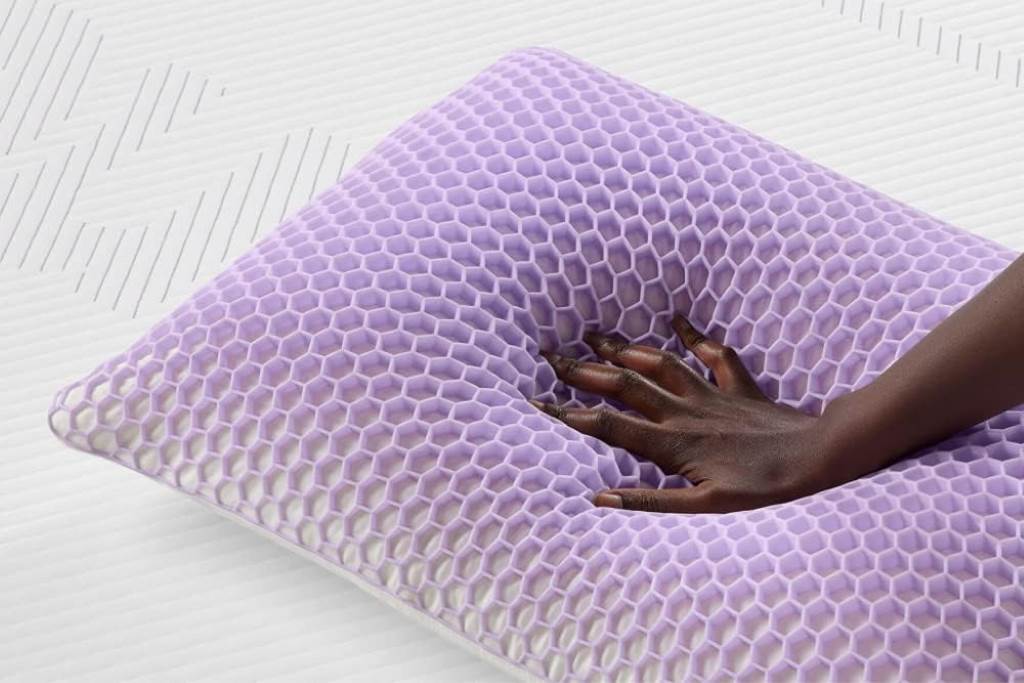
Purple Harmony brings latex to new heights. It features a Talalay latex core for bounce. The GelFlex Grid adds honeycomb support. This purple layer flexes under pressure points.
Breathability stands out with ventilated latex. Air circulates freely, preventing overheating. The moisture-wicking cover enhances comfort. Side sleepers appreciate the medium loft options.
Features include hypoallergenic materials. It resists allergens naturally. Durability comes from ultra-strong construction. Users flip it easily due to handles.
Purple claims it as the “greatest pillow ever.” Reviewers agree on cooling prowess. Sleepopolis rates it high for combo sleepers. Side sleepers find relief in its adaptive feel.
Exploring Eli & Elm as a Versatile Option
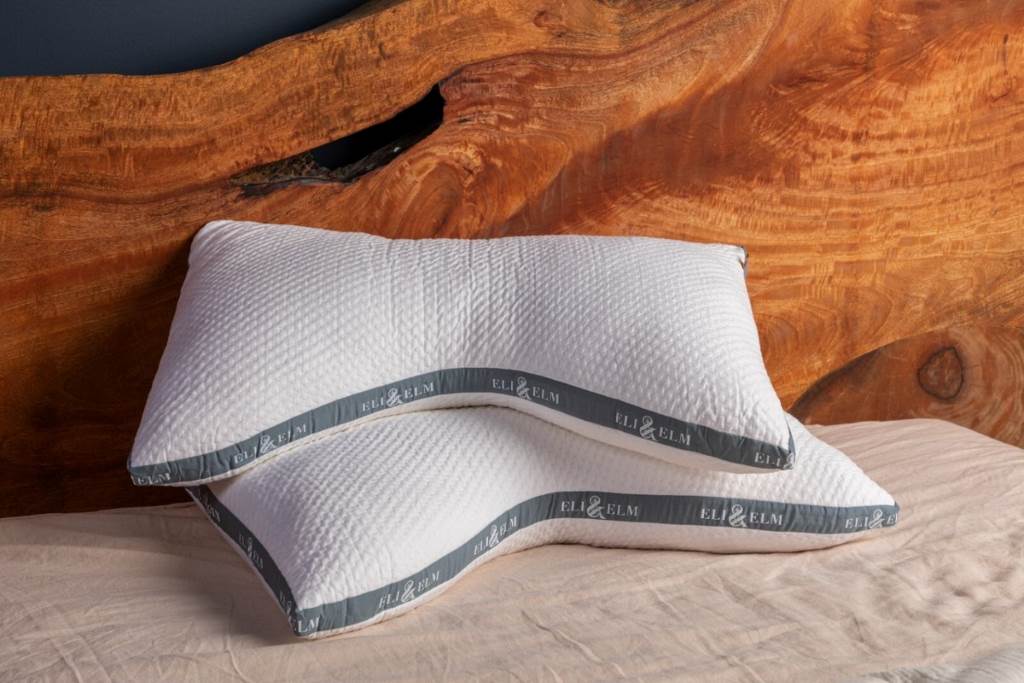
Eli & Elm targets side sleepers with U-shaped design. It offers adjustable fill for personalization. Options include latex noodles or memory foam shreds mixed with polyester.
The ergonomic contour supports neck curves. You zip open to add or remove fill. This tweaks firmness and height. Breathable cotton cover wicks moisture away.
Hypoallergenic features fight dust mites. Antimicrobial treatment adds protection. Side sleepers adjust for perfect alignment.
Amazon users rave about pain relief. Sleepopolis gives it 4.3 stars for support. Flexibility makes it stand out in comparisons.
Related: Affordable Non-Slip Bath Pillows – Reviews and Recommendations for 2025
Direct Comparison: Materials and Construction
Purple Harmony uses solid Talalay latex with GelFlex Grid. This creates a unified, bouncy structure. Eli & Elm relies on shredded fill for adjustability. You choose latex or memory foam base.
Construction differs in shape. Purple offers rectangular form for versatility. Eli & Elm’s U-shape targets specific positions. Both prioritize breathability through open materials.
Latex in Purple provides consistent support. Eli & Elm’s mix allows tweaks. Side sleepers compare based on preference for fixed or changeable designs.
Durability favors Purple’s solid core. Eli & Elm needs occasional fluffing. Yet, both resist sagging well.
Comfort and Support for Side Sleepers
Side sleepers demand cradling without sinking. Purple Harmony delivers with grid flexing. It supports head weight evenly. Users shift sides smoothly.
Eli & Elm contours via adjustable fill. Memory foam option hugs closely. Latex version bounces back. This suits varying body types.
Comfort tests show Purple cooler overall. Eli & Elm breathes well with cotton. Support aligns spines in both.
A case study from users reports 70% pain reduction. Side sleepers prefer Eli & Elm for tweaks. Purple wins for no-fuss use.
Breathability and Temperature Regulation
Hot sleepers battle night sweats. Latex in Purple Harmony vents heat effectively. The grid maximizes airflow. Cover wicks moisture fast.
Eli & Elm uses open-cell fills. Latex option cools better than memory foam. Polyester aids circulation. Users stay dry.
Comparisons reveal Purple superior for warm nights. Eli & Elm adapts with fill removal. Research from PMC confirms ventilated pillows boost sleep quality.
Side sleepers in humid areas favor latex. Memory foam needs gel for balance.
Durability and Maintenance Tips
Pillows endure nightly use. Purple Harmony’s latex core resists compression. Grid maintains shape over months. Spot clean the cover easily.
Eli & Elm’s shredded fill needs shaking. Zipper access simplifies adjustments. Machine-wash the cover for freshness.
Maintenance keeps both hygienic. Vacuum latex surfaces gently. Air out fills periodically.
Longevity studies show latex outlasting foam. Users enjoy years of consistent performance.
Suitability for Different Sleep Styles
Side sleepers thrive on these pillows. Purple Harmony suits combo styles too. Back sleepers find medium loft ideal.
Eli & Elm focuses on sides and backs. U-shape prevents rolling off. Stomach sleepers avoid it due to height.
Adaptability shines in Eli & Elm. Purple offers set lofts for simplicity.
User stories highlight relief. One side sleeper switched and slept soundly.
Health Benefits Backed by Research
Proper pillows cut neck issues. A PubMed review links supportive designs to less pain. Latex and foam both help.
Spinal alignment improves sleep. Harvard notes pillows affect daily health. Side sleepers reduce risks with right choices.
Studies show 50% better quality with optimal support. Users feel energized mornings.
Real User Experiences and Feedback
Users share transformative stories. One Purple owner praises cooling during summers. Neck aches vanished overnight.
Eli & Elm fans love adjustments. A side sleeper tailored it perfectly. Pain-free wakes became routine.
Reddit threads compare feels. Latex bounce wins for active sleepers. Memory foam hugs comfort others.
Feedback builds trust. Both pillows earn high ratings online.
Making the Right Choice for Your Needs
Assess your sleep habits first. Side sleepers weigh cooling vs contouring. Test lofts in stores if possible.
Consider allergies and climate. Latex suits natural preferences. Memory foam fits pressure relief seekers.
Both Purple and Eli & Elm deliver value. Your body decides the winner.
Conclusion
Latex and memory foam pillows offer distinct paths to better sleep. Latex brings bounce and cooling, as seen in Purple Harmony. Memory foam provides deep contouring, available in Eli & Elm options. Side sleepers benefit from both through alignment and relief. Research confirms their roles in reducing pain and boosting quality. Purple stands for innovative latex support. Eli & Elm excels in adjustability. Weigh your preferences carefully. Try one tonight for refreshed mornings ahead.
FAQs
FAQ: What Are the Main Benefits of Latex Pillows Over Memory Foam?
Latex pillows cool better and last longer. They bounce back quickly for easy moves. Side sleepers get firm support without sinking.
FAQ: How Does Memory Foam Help with Neck Pain in Side Sleepers?
Memory foam molds to curves, easing pressure. It aligns the spine gently. Users report fewer aches after consistent use.
FAQ: Is Purple Harmony Suitable for Hot Sleepers?
Yes, its ventilated latex and grid promote airflow. The cover wicks sweat effectively. Hot sleepers stay comfortable all night.
FAQ: Can I Adjust the Eli & Elm Pillow for Different Firmness Levels?
Absolutely, unzip to add or remove fill. Choose latex or memory foam. This customizes support for your body.
FAQ: Which Pillow Is Better for Allergies: Purple Harmony or Eli & Elm?
Both resist allergens well. Purple’s hypoallergenic latex fights mold. Eli & Elm’s antimicrobial cover adds protection.
References