Luxury Texture Mixing Ideas for Basic T-Shirt Outfits
Everyone owns a basic t-shirt and jeans. However, transforming these wardrobe staples into something extraordinary requires skill and creativity. As a New Jersey Stylist, I’ve helped countless clients discover that the secret to elevated everyday style lies in texture mixing. This approach turns simple outfits into sophisticated ensembles without requiring a complete wardrobe overhaul.
Texture mixing creates visual interest and depth in your outfits. Additionally, it adds a luxurious feel to even the most basic pieces. The key is combining different fabric types and finishes to create contrast and dimension. Therefore, your simple t-shirt becomes the perfect canvas for experimentation.
Learning how to glamourise jeans and a t shirt starts with understanding texture combinations. When you pair smooth cotton with rich textures like silk, leather, or cashmere, you instantly elevate your look. Moreover, this technique works for any occasion, from casual weekends to polished office settings.
Understanding Texture Mixing Fundamentals
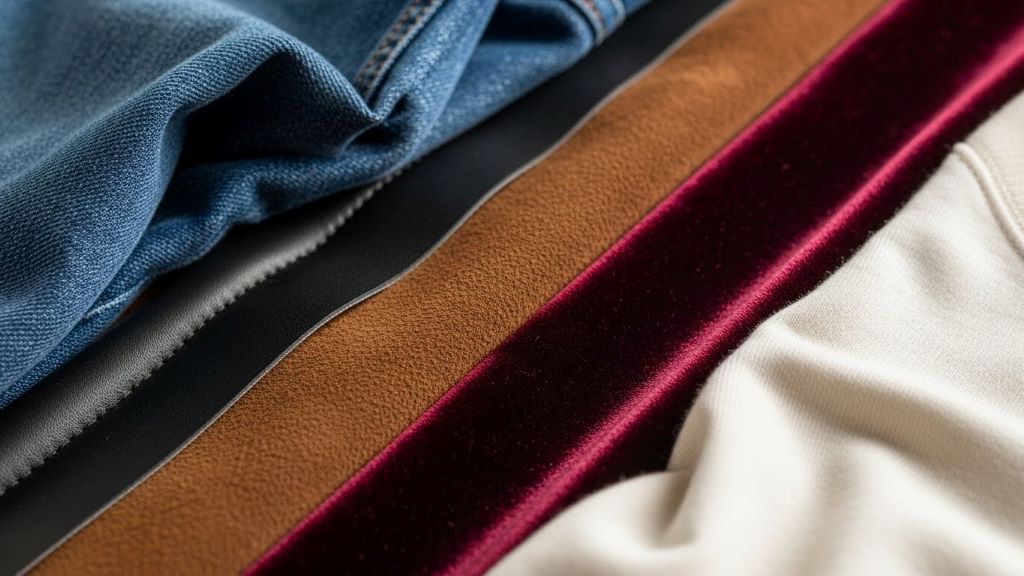
Texture mixing involves combining fabrics with different surface qualities. Smooth fabrics like cotton or silk contrast beautifully with textured materials like tweed or bouclé. Furthermore, shiny surfaces paired with matte finishes create dynamic visual appeal.
Start by identifying the textures you already own. Your basic t-shirt likely has a smooth, matte finish. Consequently, you’ll want to add pieces with contrasting textures. Consider materials like suede, velvet, metallic finishes, or chunky knits.
The rule of three works perfectly for texture mixing. Choose three different textures in one outfit for balanced visual interest. However, don’t feel restricted by this guideline. Sometimes two contrasting textures create enough impact.
Luxurious Outerwear Options
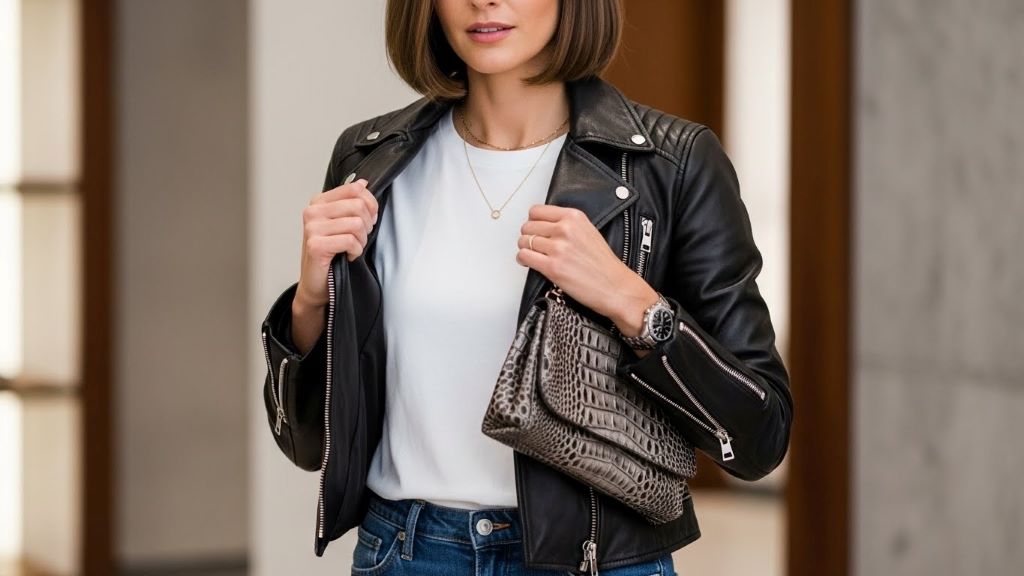
Outerwear provides the easiest way to add texture to your t-shirt outfit. A leather jacket immediately elevates a basic tee and jeans combination. The smooth, supple texture of quality leather creates instant sophistication.
Alternatively, try a velvet blazer for evening occasions. Velvet’s rich pile texture catches light beautifully and adds elegance. Meanwhile, a tweed jacket brings preppy polish to casual outfits.
Faux fur vests or coats add dramatic texture without overwhelming your look. They work particularly well during colder months. Additionally, shearling jackets combine multiple textures in one piece, offering both visual interest and warmth.
For transitional weather, consider silk bombers or satin kimonos. These lightweight pieces introduce subtle sheen that contrasts nicely with cotton t-shirts. Moreover, they drape beautifully, adding movement to your outfit.
Accessorizing with Texture
Accessories offer low-commitment ways to experiment with texture mixing. A chunky cable-knit scarf adds cozy texture while keeping you warm. Similarly, a metallic belt introduces shine against your matte denim.
Handbags provide excellent texture opportunities. A structured leather bag offers smooth sophistication, while a woven basket bag brings organic texture. Furthermore, suede crossbody bags add soft, luxurious appeal.
Shoes dramatically impact your outfit’s texture story. Patent leather boots introduce high shine, while suede ankle boots offer velvety softness. Metallic sneakers bring contemporary edge to casual looks. According to Vogue, mixing high and low textures through accessories creates modern, approachable luxury.
Statement jewelry adds another texture layer. Hammered metal earrings, beaded necklaces, or rope bracelets each contribute unique surface qualities. However, avoid over-accessorizing. Choose two or three key pieces for maximum impact.
Bottom Wear Beyond Basic Denim
While classic jeans work perfectly, exploring different denim textures elevates your outfit further. Raw denim offers stiff, structured texture that softens over time. Conversely, distressed denim brings edgy, lived-in appeal.
Coated jeans mimic leather’s sleek finish without the maintenance. They add instant glamour to simple t-shirts. Meanwhile, corduroy pants introduce subtle ribbed texture that feels both vintage and current.
Leather or faux leather pants create bold texture contrast. They transform basic tees into statement outfits suitable for evening events. Additionally, satin or silk pants bring fluid, luxurious drape that elevates casual tops.
For warmer weather, linen pants offer crisp, natural texture. Their slight crinkle adds relaxed sophistication. Similarly, textured midi skirts in materials like jacquard or brocade pair surprisingly well with casual tees.
Layering for Texture Depth
Layering multiplies your texture mixing opportunities. Start with your basic t-shirt as the foundation. Then add a cashmere cardigan for soft, luxurious warmth. The contrast between cotton and cashmere feels expensive.
Try wearing a slip dress over your t-shirt for unexpected elegance. The silky texture against cotton creates interesting juxtaposition. Furthermore, this combination works for both day and evening occasions.
Vests add texture without bulk. A quilted vest introduces dimensional padding, while a knit vest brings cozy texture. Meanwhile, a suede vest adds Western-inspired sophistication.
Long cardigans in chunky knits create dramatic vertical lines while adding substantial texture. They work particularly well with fitted t-shirts and skinny jeans. Therefore, they balance proportions while introducing visual interest.
Seasonal Texture Considerations
Different seasons call for different texture combinations. Spring welcomes lighter textures like linen, cotton voile, and silk. These materials feel fresh against basic tees while maintaining comfort.
Summer texture mixing focuses on lightweight materials. Crochet coverups, raffia accessories, and canvas sneakers add interest without overheating. Additionally, chambray shirts tied over t-shirts introduce subtle texture variation.
Fall embraces richer textures. Suede, corduroy, wool, and cashmere all shine during autumn months. Layer these materials over your t-shirts for sophisticated seasonal style. Moreover, mixing matte and shiny textures creates beautiful fall color depth.
Winter allows for maximum texture experimentation. Combine faux fur, leather, chunky knits, and velvet for luxurious cold-weather outfits. These substantial textures provide both warmth and style. However, balance heavy textures with your simple t-shirt to avoid overwhelming your frame.
Color Coordination with Texture
Color plays an important role in texture mixing success. Monochromatic schemes let textures shine without color competition. For example, all-black outfits with varied textures look incredibly sophisticated.
Neutral color palettes work beautifully for texture-focused styling. Beige, cream, gray, and brown allow different materials to create visual interest. Furthermore, neutrals feel timeless and versatile.
However, don’t shy away from color when texture mixing. Jewel tones in luxurious fabrics like velvet or silk look stunning. Meanwhile, metallic textures in gold, silver, or bronze add glamorous pops without traditional color.
Consider your t-shirt color when choosing textured pieces. White tees provide blank canvases for bold texture combinations. Black tees create sleek bases for statement textures. Colored tees work best with complementary or neutral textured additions.
Investment Pieces Worth Considering
Certain textured pieces deserve investment. A quality leather jacket becomes a lifetime staple that elevates countless t-shirt outfits. Similarly, a cashmere sweater or cardigan provides luxurious texture for years.
Designer handbags in interesting textures like crocodile-embossed leather or woven materials add instant polish. They transform basic outfits into expensive-looking ensembles. Additionally, they hold value over time.
Quality boots in suede or leather provide versatile texture options. They work across seasons and occasions while lasting for years. Therefore, investing in classic styles makes financial sense.
Statement coats in interesting textures like faux fur, mohair, or bouclé make lasting impressions. They become signature pieces that define your personal style. Moreover, they photograph beautifully for social media content.
Styling Tips from Fashion Experts
Fashion professionals consistently recommend starting small with texture mixing. Add one textured piece to your basic outfit first. Once comfortable, gradually incorporate more textures. This approach prevents overwhelming combinations.
Pay attention to proportions when mixing textures. Bulky textures work best in moderation. Balance a chunky knit cardigan with fitted jeans and a slim t-shirt. Conversely, pair fluid textures with more structured pieces.
According to Harper’s Bazaar, mixing high-low textures creates approachable luxury. Pair expensive-looking textures like silk with casual denim. This combination feels modern and effortlessly chic.
Trust your instincts when texture mixing. If a combination feels right, it probably looks right. Fashion rules exist as guidelines, not restrictions. Therefore, personal style should always take priority.
Maintaining Textured Pieces
Different textures require different care approaches. Leather needs conditioning to maintain suppleness. Suede requires protective sprays and specialized cleaning. Meanwhile, velvet often needs professional cleaning to preserve its pile.
Store textured pieces properly to maintain their quality. Hang leather jackets on padded hangers to preserve shape. Fold cashmere sweaters to prevent stretching. Additionally, store suede away from direct sunlight to prevent fading.
Regular maintenance extends the life of textured investments. Brush suede regularly to restore nap. Polish leather to maintain shine. Furthermore, address stains immediately to prevent permanent damage.
Consider professional services for valuable textured pieces. Leather specialists can restore worn jackets. Textile experts can repair delicate fabrics. Therefore, professional care protects your fashion investments.
Conclusion
Texture mixing transforms basic t-shirt and jeans outfits into sophisticated ensembles. By combining different fabrics and finishes, you create visual interest and luxury appeal. Start with one textured piece and gradually build your skills. Consider seasonal appropriateness and color coordination for best results. Investment in quality textured pieces pays dividends through versatility and longevity. Remember, fashion should feel personal and expressive. Therefore, experiment with different textures until you find combinations that reflect your unique style. With these techniques, your basic wardrobe becomes a foundation for endless luxurious possibilities.
Frequently Asked Questions
What textures work best with basic cotton t-shirts?
Leather, suede, silk, cashmere, and velvet all create beautiful contrast with cotton t-shirts. These materials add luxury while maintaining comfort and wearability for everyday outfits.
How many different textures should I mix in one outfit?
Start with two to three different textures for balanced visual interest. This creates depth without overwhelming your look or appearing too busy.
Can I mix textures in summer without overheating?
Yes, choose lightweight textured materials like linen, silk, cotton voile, and crochet. These fabrics add visual interest while remaining breathable and comfortable in warm weather.
Are expensive pieces necessary for texture mixing?
No, affordable options exist for every texture type. Focus on finding quality pieces within your budget. Faux leather, synthetic suede, and acrylic blends offer texture without high costs.
How do I know if my texture combinations work?
Look for contrast between smooth and textured, matte and shiny, or structured and fluid. If the combination feels balanced and intentional, it likely works well.
Related TopicsL: