
Overly Grandiose Gentlemen of the Roaring Twenties
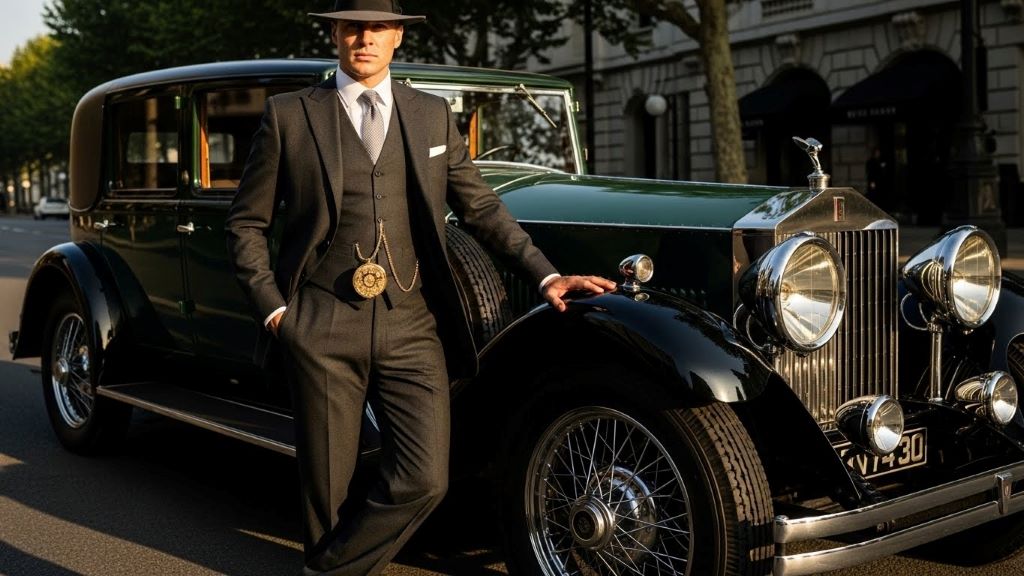
The 1920s was a decade of extraordinary change. Jazz music filled the air, flappers danced the Charleston, and prosperity seemed endless. However, this era also produced a particular type of man who embodied excess and self-importance. These gentlemen carried themselves with unmistakable swagger. Their confidence often bordered on arrogance. The fashion choices and attitudes of these men reflected the exuberant spirit of the times. For those interested in exploring the complete picture of male style during this fascinating period, Blushed Beauty Barla offers comprehensive insights into grooming and fashion trends that defined the decade.
The Roaring Twenties created the perfect environment for showmanship. Economic prosperity gave many men disposable income for the first time. Additionally, they spent it on clothes, cars, and entertainment. The decade celebrated individualism and personal success. Therefore, many men adopted personas that showcased their achievements. Some took this celebration too far, becoming caricatures of success rather than genuine articles.
The Hallmarks of Excessive Pride
The pompous man in the 1920’s was easily recognizable by his appearance and behavior. He wore the finest suits, often custom-tailored from imported fabrics. His wardrobe included multiple pairs of two-tone spectator shoes. Furthermore, he accessorized with gold pocket watches, silk handkerchiefs, and ornate cufflinks. These men believed their clothing announced their status to the world.
Beyond fashion, their demeanor set them apart. They spoke loudly in public spaces, ensuring everyone heard their opinions. Their conversations frequently centered on their business successes or social connections. Moreover, they name-dropped constantly, mentioning acquaintances in high society. Their gestures were theatrical and expansive. They commanded attention in every room they entered.
Fashion as a Status Symbol
Clothing represented more than mere covering during the 1920s. It served as a billboard for one’s social standing. The grandiose gentleman invested heavily in his appearance. He owned suits in various styles and colors. His closet contained morning coats, dinner jackets, and full evening dress. Additionally, he changed outfits multiple times daily depending on his activities.
The details mattered immensely to these men. They insisted on silk linings in their jackets. Their shirts featured French cuffs that required expensive cufflinks. They wore spats over their shoes to protect them from street grime. However, spats also signaled that a man employed servants or drivers. Walking on dirty streets was beneath him. According to fashion historians at The Metropolitan Museum of Art, menswear in the 1920s reached unprecedented levels of refinement and variety.
Hats completed every outfit. The grandiose gentleman owned fedoras, bowlers, and top hats. He matched each hat to specific occasions and times of day. Removing his hat indoors became an opportunity for flourish. He made simple gestures into performances. Everything about his presentation demanded attention.
The Automobile and Masculine Pride
Cars became ultimate status symbols during the Roaring Twenties. The pompous gentleman drove the latest models from prestigious manufacturers. He preferred convertibles that allowed passersby to see him clearly. His vehicle featured leather upholstery, chrome accents, and powerful engines. Furthermore, he discussed his automobile’s specifications at every opportunity.
These men treated their cars as extensions of their personalities. They hired chauffeurs not out of necessity but for appearance. Being driven suggested wealth and importance. Additionally, it freed them from mundane tasks like parking. They arrived at destinations making grand entrances. Their vehicles announced their presence before they stepped out.
Weekend drives became social events. The grandiose gentleman organized motoring parties. He led caravans to country clubs or seaside resorts. His car always led the procession. These excursions provided more opportunities to display his possessions and connections.
Social Clubs and Exclusivity
Membership in exclusive clubs defined social status. The pompous man belonged to multiple organizations. He joined country clubs, yacht clubs, and gentlemen’s clubs downtown. However, membership alone was insufficient. He needed leadership positions to satisfy his ego. Therefore, he campaigned vigorously for committee appointments and officer roles.
These men used club memberships as weapons of social hierarchy. They discussed their clubs constantly in conversations. They mentioned fellow members who were prominent businessmen or politicians. Moreover, they expressed pity for acquaintances lacking proper club affiliations. Their social circles became increasingly narrow and self-reinforcing.
Club activities provided stages for grandiose behavior. Golf outings became competitions for attention rather than sport. Dinner parties turned into opportunities for boasting. Additionally, these men monopolized conversations with lengthy stories. Their anecdotes always positioned themselves as heroes or important figures.
Business Swagger and Speculation
The stock market boom created many newly wealthy men. Some accumulated fortunes through legitimate business ventures. Others profited from speculation and risky investments. Regardless of their methods, many adopted attitudes of infallibility. They believed their success proved their superiority.
Business conversations became bragging sessions. The pompous man discussed his portfolio at social gatherings. He dropped names of companies he invested in or controlled. Furthermore, he offered unsolicited financial advice to everyone. His confidence knew no bounds. He considered himself an expert on all matters.
These men often overextended themselves financially. They leveraged their holdings to maintain lavish lifestyles. Their homes featured expensive furnishings and artwork. They employed numerous servants. Additionally, they hosted elaborate parties regularly. Appearance mattered more than financial prudence. The facade of success was everything.
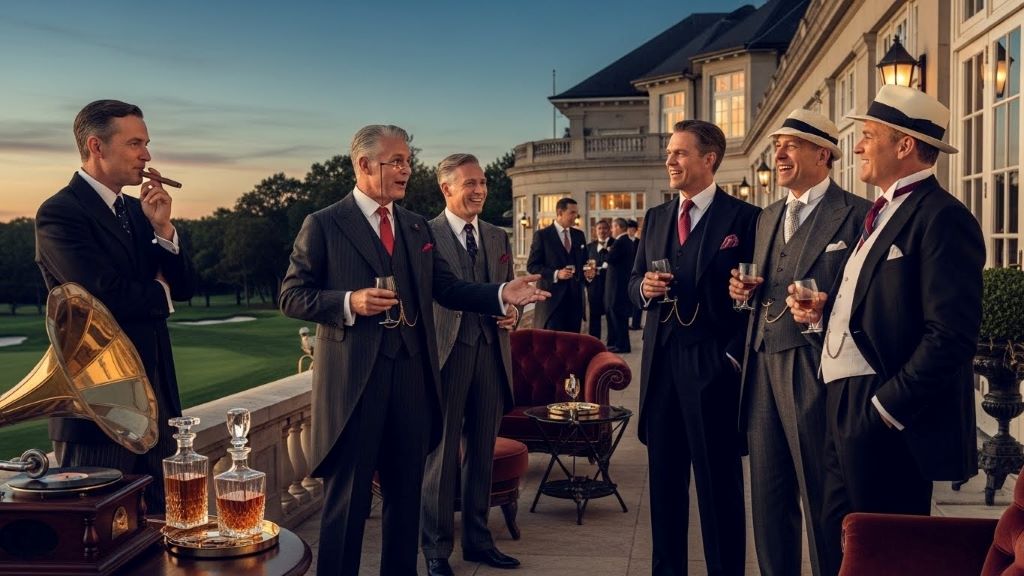
The Jazz Age Nightlife Scene
Prohibition created an underground culture of speakeasies and nightclubs. The grandiose gentleman frequented these establishments regularly. He knew all the exclusive locations and secret passwords. Moreover, he acted as if he owned these spaces. His presence was supposed to elevate any venue.
At nightclubs, these men occupied the best tables. They ordered expensive bootleg liquor conspicuously. Their parties included musicians, actors, and socialites. Additionally, they tipped extravagantly to ensure everyone noticed. Their goal was creating spectacles that people would discuss for days.
Dancing provided another arena for showmanship. The pompous man learned the latest steps. He partnered with the most attractive women. Furthermore, he executed moves with exaggerated flair. Everything became a performance designed to attract attention and admiration.
The Crash and Aftermath
The stock market crash of 1929 devastated many grandiose gentlemen. Their carefully constructed worlds collapsed overnight. Fortunes vanished in days or weeks. The men who had seemed invincible faced bankruptcy and ruin. However, some adapted while others never recovered.
The Great Depression that followed humbled American society. Excess and ostentation became unfashionable. People valued substance over style. The pompous attitudes of the 1920s seemed foolish and tragic. Many former high-flyers disappeared from public life. Those who remained often adopted more modest personas.
Legacy and Cultural Memory
The grandiose gentlemen of the 1920s left lasting impressions. Literature and films immortalized their characteristics. F. Scott Fitzgerald’s characters captured their essence perfectly. Movies depicted their rise and fall as cautionary tales. Additionally, their fashion choices influenced menswear for decades.
Modern audiences view these men with mixed feelings. Their confidence and style seem admirable. However, their arrogance and superficiality appear off-putting. They represent both the glamour and the excess of their era. Their story reminds us that outward appearances can mask inner emptiness.
Conclusion
The overly grandiose gentlemen of the Roaring Twenties embodied their era’s contradictions. They displayed remarkable style, confidence, and ambition. However, their excessive pride and superficial values ultimately proved hollow. The pompous man in the 1920s taught important lessons about authenticity and humility. His rise during prosperity and fall during hardship demonstrated the dangers of building identity on material success alone. Today, we remember these figures as complex symbols of a fascinating and tumultuous decade. Their legacy encourages us to pursue genuine accomplishment rather than mere appearance. The Jazz Age reminds us that true worth comes from character, not clothing or possessions.
Frequently Asked Questions
What characterized a pompous man in the 1920s?
A pompous man in the 1920s was typically characterized by expensive, flashy clothing, loud demeanor, constant name-dropping, and obsession with status symbols like luxury cars and exclusive club memberships. These men displayed excessive pride in their achievements and possessions.
What did wealthy men wear during the Roaring Twenties?
Wealthy men wore custom-tailored suits, two-tone spectator shoes, silk shirts with French cuffs, expensive accessories like gold pocket watches, and various hats including fedoras and bowlers. They changed outfits multiple times daily and invested heavily in their wardrobes.
How did the stock market crash affect pompous 1920s gentlemen?
The 1929 stock market crash devastated many grandiose gentlemen who had built lifestyles on speculation and leverage. Most lost their fortunes quickly, faced bankruptcy, and could no longer maintain their lavish appearances. The subsequent Great Depression made their former attitudes seem foolish.
What role did automobiles play in 1920s masculine status?
Automobiles were ultimate status symbols for 1920s men. Wealthy gentlemen drove the latest luxury models, preferably convertibles, and often employed chauffeurs. Cars provided opportunities for grand entrances and organized social events like motoring parties.
Why were social clubs important to pompous 1920s men?
Exclusive social clubs provided venues for displaying status and making important connections. Pompous men sought memberships in multiple prestigious clubs and campaigned for leadership positions. Club affiliations became markers of social hierarchy and topics of constant conversation.
Related Topics:
What is Chola Makeup? Unveiling the Timeless Beauty Trend