Laundering Tips for Decomposed Oil Residue Smell
Dealing with stubborn odors in clothing can be frustrating. This is especially true when cooking oils or greasy substances have seeped into fabric fibers. Over time, these oils can decompose and create an unpleasant rancid smell that regular washing doesn’t remove. Fortunately, Styline Collection offers expert guidance on tackling even the toughest laundry challenges.
Whether you’ve been working in a kitchen, accidentally spilled cooking oil, or stored clothes improperly, rancid oil odors can seem impossible to eliminate. However, with the right techniques and household products, you can restore your garments to their fresh, clean state. This guide will walk you through proven methods to banish those stubborn smells for good.
Understanding Why Rancid Oil Smells Persist
Oils break down over time through a process called oxidation. When this happens, the fatty acids in the oil decompose and release volatile compounds that create that distinctive sour, musty odor. Additionally, oil molecules bond strongly with fabric fibers, making them resistant to standard detergents. If you’re wondering how to get rancid oil smell out of clothes, understanding this chemical process is the first step toward effective treatment.
Traditional washing machines struggle to remove oil-based stains and odors because water and oil don’t mix well. Therefore, you need specialized techniques that break down the oil before washing. The longer oil sits in fabric, the more difficult it becomes to remove. Acting quickly gives you the best chance of success.
Pre-Treatment Methods That Work
Before throwing your clothes into the washing machine, pre-treatment is essential. Start by identifying all affected areas. Sometimes oil residue isn’t visible but can be detected by smell. Once located, you can target these spots specifically.
Baking soda serves as an excellent odor absorber. Sprinkle it generously over the affected areas and let it sit for several hours or overnight. The powder will absorb both moisture and odor molecules. Afterward, brush off the excess powder before washing.
Another effective method involves white vinegar. Mix equal parts white vinegar and water in a spray bottle. Spray the solution directly onto the smelly areas and allow it to penetrate for 30 minutes. Vinegar breaks down oil molecules and neutralizes odors naturally.
The Power of Dish Soap
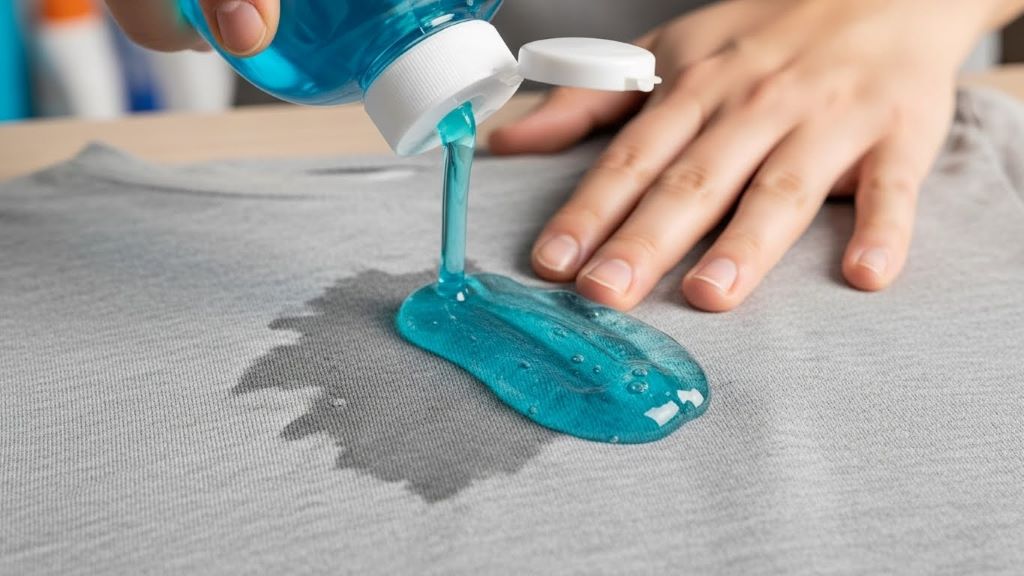
Dish soap is specifically formulated to cut through grease and oil. This makes it perfect for pre-treating oily clothing. Choose a degreasing dish soap for best results. Apply a small amount directly to the affected areas and gently work it into the fabric with your fingers or a soft brush.
Let the dish soap sit for at least 15 minutes. The surfactants in the soap will bind to the oil molecules, making them easier to rinse away. Subsequently, rinse the treated area with warm water before placing the garment in the washing machine.
For heavily soiled items, you might need to repeat this process. Don’t worry if you don’t see immediate results. Persistence pays off when dealing with stubborn oil odors.
Hot Water Washing Techniques
Hot water is your ally in the fight against rancid oil smells. Heat helps break down oil molecules and makes them easier to remove. However, always check the care label first. Some fabrics can shrink or get damaged in hot water.
Add your regular laundry detergent along with a cup of white vinegar to the wash cycle. The vinegar acts as a natural fabric softener while also neutralizing odors. Moreover, it helps prevent any residual oil from re-depositing on your clothes during the wash cycle.
Consider adding a half cup of baking soda to the wash as well. This combination creates a powerful cleaning solution that tackles both stains and smells. According to Consumer Reports, using multiple odor-fighting agents together can significantly improve results.
The Sunshine Solution
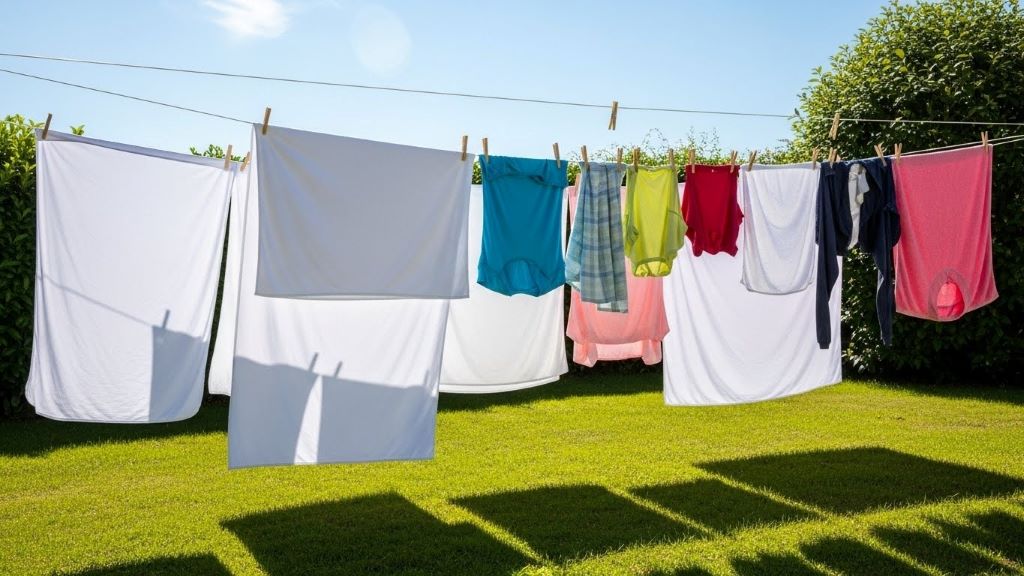
After washing, avoid using the dryer immediately. Instead, hang your clothes outside in direct sunlight. Sunshine is a natural disinfectant and deodorizer. The UV rays help break down any remaining odor-causing compounds.
Fresh air circulation also plays a crucial role in eliminating smells. Even if the weather isn’t perfectly sunny, outdoor drying is preferable to machine drying. The heat from a dryer can actually set remaining oil residues, making the smell permanent.
Leave your clothes hanging for several hours or even a full day. Turn them inside out halfway through to ensure both sides get adequate sun exposure. This method is completely free and environmentally friendly.
Specialized Odor Eliminators
Sometimes home remedies aren’t enough. Commercial odor eliminators designed for laundry can provide extra help. Look for enzyme-based products that specifically target organic compounds like oils and fats.
These products contain beneficial bacteria that literally eat away at oil residues. Follow the package directions carefully for optimal results. Typically, you’ll add the product during the wash cycle or as a pre-soak treatment.
Oxygen-based bleach is another powerful option. Unlike chlorine bleach, oxygen bleach is safe for most fabrics and colors. It works by releasing oxygen molecules that break down stains and odors at a molecular level.
The Freezer Method for Quick Fixes
Here’s an unconventional tip that works surprisingly well. Place the smelly garment in a sealed plastic bag and put it in the freezer overnight. The extreme cold kills odor-causing bacteria and can neutralize smells temporarily.
This method works best as a quick fix before a more thorough cleaning. It won’t remove oil residues but can make clothes wearable in a pinch. Remember to wash the item properly as soon as possible for complete odor removal.
The freezer technique is particularly useful for delicate items that can’t withstand aggressive washing. It provides a gentle way to freshen clothes between proper cleanings.
Prevention Strategies
Preventing rancid oil smells is easier than removing them. Store clothes in cool, dry places with good air circulation. Avoid leaving oily garments in laundry baskets for extended periods. The longer oil sits, the more it decomposes and creates odors.
Wash oil-stained clothes as soon as possible after exposure. Prompt treatment prevents the oil from oxidizing and developing that characteristic rancid smell. Additionally, consider wearing aprons or protective clothing when working with oils and greases.
Proper ventilation in storage areas also helps. Musty, damp environments accelerate oil decomposition. Keep closets and drawers well-aired to maintain freshness in all your garments.
When to Seek Professional Help
Some oil stains and odors are simply too stubborn for home treatment. Professional dry cleaners have access to industrial-strength solvents and specialized equipment. They can handle delicate fabrics that might get damaged by home washing methods.
If you’ve tried multiple techniques without success, professional cleaning might be your best option. Be sure to point out the affected areas and explain what treatments you’ve already attempted. This information helps cleaners choose the most effective approach.
According to Good Housekeeping, professional cleaning is particularly recommended for expensive or sentimental garments. The investment is worthwhile to preserve items you truly value.
Conclusion
Removing rancid oil smells from clothes requires patience and the right approach. Start with pre-treatment methods like baking soda and dish soap. Follow up with hot water washing using vinegar and odor-fighting detergents. Take advantage of natural solutions like sunshine and fresh air whenever possible.
Remember that persistence is key. You might need to repeat treatments several times for heavily affected garments. However, with these proven techniques, even the most stubborn oil odors can be eliminated. Keep your clothes fresh and extend their lifespan by acting quickly and using the right methods for your specific situation.
Frequently Asked Questions
Can I use bleach to remove rancid oil smells from clothes?
Oxygen-based bleach is safe and effective for most fabrics. However, avoid chlorine bleach as it can damage fibers and set oil stains permanently. Always check your garment’s care label before using any bleach product.
How long does it take to completely remove rancid oil odors?
The timeline varies depending on how long the oil has been present and the fabric type. Fresh stains might clear up after one treatment, while older odors may require multiple wash cycles over several days.
Will fabric softener help eliminate oil smells?
Fabric softener can actually make the problem worse. It coats fibers with additional oils that can trap odors. Skip the softener and use white vinegar instead as a natural alternative.
Can dry cleaning remove rancid oil smells better than home washing?
Professional dry cleaning uses powerful solvents that can be more effective than water-based washing. For delicate or valuable items, dry cleaning is often the safest and most effective option.
What’s the best way to store clothes that have been exposed to cooking oils?
Wash oily clothes immediately rather than storing them. If you must store them temporarily, keep them in a well-ventilated area away from other garments to prevent odor transfer.
Related Topics:
How to Install Carpet on Stairs: A Step-by-Step Guide