How to Choose Professional Teacher Handbags for a Polished Look
Teaching is a profession that demands both practicality and professionalism. Your handbag serves as more than just a fashion accessory. It’s a functional tool that carries everything you need throughout your busy school day. Choosing the right bag can elevate your professional image while meeting the unique demands of classroom life.
Many teachers struggle to find bags that balance style with functionality. You need space for lesson plans, personal items, and sometimes even classroom supplies. However, you also want to maintain a polished, professional appearance that commands respect from students, parents, and colleagues alike.
This comprehensive guide will help you navigate the world of professional teacher handbags. We’ll explore essential features, style considerations, and practical tips for selecting a bag that enhances your professional image while serving your daily needs. Whether you’re a new teacher building your wardrobe or a veteran educator looking to refresh your style, you’ll find valuable insights here.
Understanding Your Daily Carrying Needs
Before selecting a handbag, take inventory of what you actually carry each day. Teachers have unique needs that differ significantly from other professionals. Your bag must accommodate a variety of items while remaining manageable throughout a long workday.
Most teachers carry a laptop or tablet for lesson planning and attendance. Additionally, you might have textbooks, grading materials, or student papers. Personal items like your phone, wallet, keys, and cosmetics also need space. Some educators bring lunch, snacks, or a water bottle. Understanding your specific needs helps narrow down appropriate bag styles.
Consider your commute as well. If you walk long distances or take public transportation, weight distribution becomes crucial. A bag that feels fine in the store might become uncomfortable after carrying it for an hour. Think about how you’ll transport the bag and what that means for handle length and strap options.
Your teaching grade level influences your needs too. Elementary teachers often carry more supplies like stickers, hand sanitizer, and small toys for rewards. High school teachers might need less but still require space for multiple class materials. Middle school falls somewhere between these extremes.
Essential Features of Professional Teacher Bags
Certain features separate excellent teacher bags from mediocre ones. Prioritizing these elements ensures you select a bag that serves you well throughout the school year.
Durability stands at the top of the list. Your bag faces daily wear and tear, weather exposure, and constant weight. Look for quality materials like genuine leather, reinforced nylon, or high-grade synthetic fabrics. Check stitching carefully, ensuring seams are tight and reinforced at stress points. Metal hardware typically outlasts plastic components.
Organization capabilities make or break a teacher’s bag. Multiple compartments help you separate work materials from personal items. Look for dedicated laptop sleeves with padding for protection. Exterior pockets provide quick access to frequently used items like your phone or ID badge. Interior organizer sections keep smaller items from disappearing into a black hole at the bottom of your bag.
Size matters, but bigger isn’t always better. Your bag should accommodate your needs without being cumbersome. Consider your frame and height when evaluating size. A bag that overwhelms your silhouette looks unprofessional, while one that’s too small forces you to carry multiple bags.
Water resistance protects your valuable contents from unexpected weather. Many teachers walk between buildings or to parking lots. A water-resistant coating or material shields your laptop, papers, and personal items from rain or accidental spills.
Comfortable carrying options prevent shoulder and back pain. Look for padded straps that distribute weight evenly. Adjustable straps let you customize the fit to your body. Some bags offer multiple carrying options, such as top handles and a shoulder strap, giving you flexibility based on your needs and comfort throughout the day.
Exploring Executive Teacher Totes
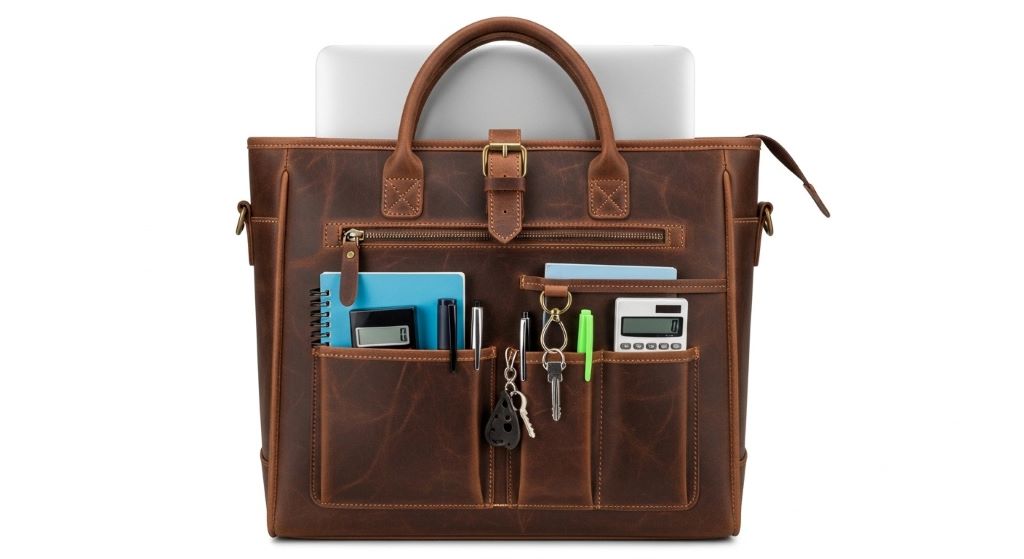
Executive teacher totes represent an excellent choice for educators seeking professional sophistication. These structured bags convey authority and polish while providing ample space for teaching materials.
The defining characteristic of these bags is their structured shape. Unlike soft, slouchy bags, they maintain their form whether empty or full. This structured quality creates a more professional appearance and protects contents better. The rigid structure also makes items easier to locate and access.
These totes typically feature a rectangular or square base with straight sides. The proportions create generous interior space without appearing bulky. Many include a flat bottom that lets the bag stand upright on your desk or the floor. This feature proves invaluable when you need quick access to materials during class.
Professional leather totes offer timeless elegance. Black, brown, and navy colors provide versatility that matches any outfit. However, don’t overlook quality synthetic alternatives. Modern materials can mimic leather’s appearance while offering lighter weight and easier maintenance.
The professional aesthetic of structured totes works particularly well for teachers who attend meetings, conferences, or parent-teacher nights. You project competence and organization before saying a word. This visual impression helps establish credibility with parents and administrators.
When shopping for this style, ensure the handles are long enough to carry comfortably on your shoulder. Short handles that only fit in your hand become tiring quickly. The bag should also include a closure mechanism. Zip-top closures provide the most security, though magnetic snaps offer easier access.
Embracing Minimalist Work Bags
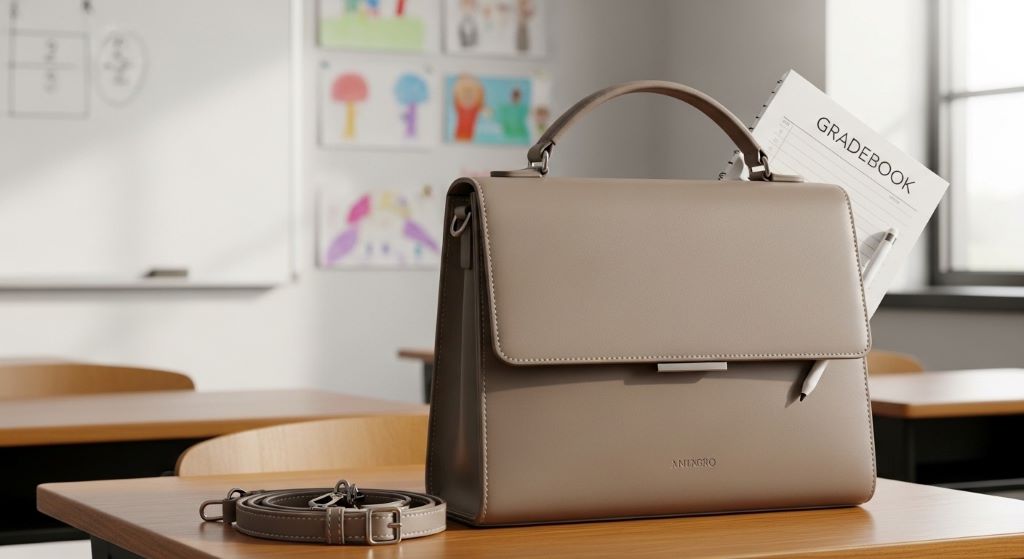
Minimalist work bags appeal to teachers who prefer clean lines and understated elegance. This style prioritizes simplicity without sacrificing functionality.
The minimalist aesthetic focuses on essential elements while eliminating unnecessary details. You won’t find excessive hardware, decorative stitching, or multiple exterior pockets. Instead, these bags feature smooth surfaces, simple shapes, and refined details. The result is a sophisticated look that never appears dated or trendy.
Color choices in minimalist designs typically stick to neutrals. Black, gray, tan, and navy dominate this category. These versatile shades coordinate effortlessly with professional attire. The neutral palette also means your bag remains appropriate regardless of seasonal fashion trends.
Despite their simple exterior, well-designed minimalist bags include thoughtful interior organization. Look for bags with interior pockets that provide structure without external visibility. This hidden organization maintains the clean aesthetic while keeping your items accessible and orderly.
Minimalist bags work especially well for teachers with a cohesive, streamlined wardrobe. If you favor classic pieces and neutral colors in your clothing, this bag style complements that aesthetic beautifully. The understated design also works across various professional settings, from classroom to conferences.
Quality construction becomes particularly important with minimalist designs. Without decorative elements to distract the eye, any flaws in materials or construction become obvious. Invest in the best quality you can afford. The clean design highlights craftsmanship, making a well-made minimalist bag a worthwhile long-term investment.
Selecting Office-Ready Purses
Office-ready purses bridge the gap between everyday handbags and professional work bags. These versatile options work beautifully for teachers who want something more refined than a casual bag but prefer a traditional handbag style over a tote.
These purses typically feature a more compact design than totes. However, they still provide adequate space for teacher essentials. Look for medium to large sizes that can accommodate a tablet or small laptop along with personal items. The size should feel substantial enough for work while remaining sophisticated.
Structure plays an important role in office-appropriate purses. Semi-structured designs offer the best of both worlds. They hold their shape well enough to look polished but have some flexibility for fitting items. This middle ground prevents the stiffness that can make fully structured bags uncomfortable while avoiding the unprofessional slouch of completely unstructured designs.
Hardware and details should lean toward subtle elegance. Avoid anything too flashy or ornate. Simple metal fixtures in gold, silver, or bronze work well. Minimal branding keeps the focus on the overall design rather than a prominent logo.
Consider bags with convertible straps. Some purses include both a shorter handle for carrying by hand and a longer strap for shoulder or crossbody wear. This versatility proves valuable throughout a teaching day. You might prefer carrying it by hand when greeting parents but want hands-free capability during lunch duty.
The closure type affects both functionality and appearance. Zip closures offer maximum security for valuables. Magnetic closures provide easy access while maintaining a clean look. Flap closures with hidden magnets combine security with sophisticated styling.
Matching Your Bag to Your Teaching Style
Your personal teaching style should influence your bag choice. Different teaching environments and approaches call for different accessories.
Traditional educators working in formal school settings benefit from classic designs. Structured leather bags in neutral colors project authority and experience. These timeless pieces signal professionalism and respect for institutional norms. If your school maintains a conservative dress code, your bag should align with that environment.
Creative teachers in more relaxed settings have broader options. You might choose bags in unusual colors or with interesting textures. However, even creative choices should maintain professionalism. A unique cognac leather bag with interesting hardware can express personality while remaining workplace-appropriate.
Elementary teachers often need more carrying capacity. You’re juggling classroom supplies, reward items, and materials for multiple subjects. Larger totes or bags with exterior pockets for quick access serve these needs well. Durability becomes extra important since you’re likely carrying more weight.
Secondary teachers can often use slightly smaller bags. With students using lockers and carrying more responsibility for materials, you need less. However, you still require space for technology, grading materials, and personal items. Medium-sized structured bags or professional purses often work perfectly.
Special education teachers and support staff might need even more carrying capacity. If you move between classrooms or work with multiple students throughout the day, a well-organized large bag becomes essential. Look for styles with numerous compartments to keep different students’ materials separate.
Color Selection and Wardrobe Coordination
Choosing the right color ensures your bag complements your existing wardrobe while maintaining a professional appearance.
Black remains the most versatile choice. It matches everything and maintains a polished look regardless of seasonal trends. A quality black bag serves you well year after year. However, black can sometimes feel heavy or severe, particularly with lighter spring and summer wardrobes.
Brown and tan offer warmth while remaining neutral. These shades work beautifully with earth tones, jewel tones, and most color palettes. Camel or cognac leather adds sophistication without the starkness of black. These colors often age more gracefully, developing character over time.
Navy provides an excellent alternative to black. It reads as neutral while offering subtle interest. Navy coordinates beautifully with grays, whites, and most colors in a professional wardrobe. This shade works particularly well in spring and summer when black might feel too heavy.
If you want subtle color, consider deep burgundy, forest green, or plum. These rich hues add personality while remaining professional. They work as neutrals with most wardrobes but provide more visual interest than standard black or brown.
Avoid trendy colors that might look dated quickly. While a millennial pink bag might appeal now, it could appear out of place in a year or two. Stick with classics that transcend seasonal trends. Your investment will serve you longer.
Consider owning two bags in different colors if your budget allows. You might have a black bag for formal occasions and a lighter brown for everyday use. This variety prevents boredom while ensuring you always have an appropriate option.
Material Considerations for Longevity
The material you choose significantly impacts your bag’s appearance, durability, and maintenance requirements.
Genuine leather represents the gold standard for professional bags. It develops character over time, often looking better with age. Full-grain leather offers the highest quality, showing natural variations that make each bag unique. Top-grain leather provides excellent quality at a slightly lower price point. Leather resists water reasonably well and can be repaired if damaged.
However, quality leather bags require investment. Additionally, they need regular maintenance with leather conditioner to prevent drying and cracking. The weight can also be considerable, something to consider if you carry heavy materials daily.
Vegan leather has improved dramatically in recent years. High-quality synthetic materials can closely mimic leather’s appearance while offering lighter weight and easier care. Modern vegan leather resists water better than genuine leather and requires minimal maintenance. Price points vary widely, so research brands carefully to find durable options.
Nylon provides excellent durability and water resistance. While less formal than leather, high-quality nylon bags can still look professional. This material works particularly well for teachers who face harsh weather or need something extremely lightweight. Look for ballistic nylon or similar heavy-duty versions rather than thin, cheap nylon that appears casual.
Canvas offers another durable, lightweight option. Coated or waxed canvas provides water resistance while maintaining a sophisticated appearance. Canvas bags often cost less than leather while still looking polished. However, they typically show wear more quickly and can be difficult to clean.
Mixed material bags combine different fabrics strategically. You might find nylon bodies with leather trim, offering the best features of both materials. These combinations can reduce weight and cost while maintaining a professional appearance through leather details.
Investment Considerations and Budget Planning
Teacher bags represent an investment in your professional image. However, budgets vary, and smart shopping can help you maximize value regardless of price point.
Determine what you can reasonably spend before shopping. Quality bags range from under one hundred dollars to several hundred or more. Setting a budget prevents impulse purchases and helps focus your search. Remember that a higher initial investment often means longer lifespan, potentially saving money long-term.
Consider cost per use when evaluating price. A two-hundred-dollar bag used daily for three years costs about 18 cents per use. That same calculation makes expensive bags more reasonable when you consider their durability and daily utility.
End-of-season sales offer excellent opportunities for savings. Many retailers discount bags significantly in January and July. Shopping off-season requires patience but can yield substantial savings. Last year’s colors or styles function just as well as current season offerings.
Department store rewards programs and credit cards provide discounts and points. If you shop strategically, these programs can reduce costs significantly. However, only use store credit cards if you pay the balance immediately to avoid interest charges.
Consider pre-owned designer bags for luxury options at lower prices. Authenticated resale platforms offer genuine designer bags at fraction of original prices. Many teachers successfully find excellent quality bags this way. Inspect photos carefully and read seller reviews before purchasing.
Quality matters more than brand names. Unknown brands sometimes offer excellent construction at lower prices than famous designers. Examine stitching, hardware, and materials regardless of the label. A well-made bag from a lesser-known company often outperforms a poorly constructed designer piece.
Maintenance and Care for Longevity
Proper maintenance extends your bag’s life significantly. Regular care keeps it looking professional and functioning well.
Empty and clean your bag weekly. Crumbs, dirt, and debris accumulate quickly. Turn the bag upside down and shake out loose items. Use a soft brush or lint roller on the interior. This simple habit prevents buildup that can damage lining and attract pests.
Treat leather bags with conditioner every few months. This prevents drying and cracking while maintaining suppleness. Use products specifically designed for your leather type. Apply conditioner sparingly with a soft cloth, allowing it to absorb completely before using the bag.
Protect your bag from water when possible. While many bags offer some water resistance, prolonged exposure damages materials. If your bag gets wet, dry it immediately with a clean towel. Stuff it with newspaper to maintain shape while drying. Never apply direct heat, which can warp or crack materials.
Store your bag properly when not in use. Fill it with tissue paper or bubble wrap to maintain shape. Keep it in a dust bag away from direct sunlight, which can fade colors. Avoid plastic bags, which trap moisture and encourage mildew growth.
Address stains and damage promptly. The longer you wait, the harder removal becomes. Use appropriate cleaning products for your bag’s material. Test any cleaner on an inconspicuous spot first. For valuable bags or stubborn stains, consider professional cleaning.
Rotate between bags if you own multiple options. This practice reduces wear on any single bag, extending the life of your entire collection. Even rotating between two bags significantly increases longevity compared to using one bag exclusively.
Building a Capsule Collection
Rather than buying multiple bags, consider building a small, versatile collection that meets all your needs.
Start with one excellent neutral bag that works with everything. This foundation piece should be your highest quality purchase. Black or brown leather in a classic style provides maximum versatility. Use this bag for important meetings, formal events, and everyday professional wear.
Add a second bag in a different style or color for variety. If your first bag is a structured tote, consider a sleek purse for your second. Alternatively, choose the same style in a different color. This gives you options without requiring extensive investment.
Consider a lightweight casual option for less formal days or summer months. Canvas or nylon bags work well for field trips, outdoor activities, or casual Fridays. This bag doesn’t need the same formal polish as your primary professional bags but should still look put-together.
Include a small evening bag if you attend social events. Teachers often have evening obligations like award ceremonies or fundraisers. A small clutch or crossbody in black or metallic works for these occasions. This specialized bag doesn’t need work functionality but should complement professional attire.
Keep your collection manageable. Three to four bags cover most situations without creating clutter or waste. Quality over quantity ensures each piece serves you well and justifies its space in your closet.
Conclusion
Selecting the right professional handbag enhances your teaching career in multiple ways. The perfect bag combines functionality with polished style, supporting your daily needs while projecting professionalism. Whether you prefer executive teacher totes, minimalist work bags, or office-ready purses, prioritizing quality and thoughtful features ensures satisfaction.
Remember that your bag serves as a working tool and professional accessory simultaneously. Evaluate your carrying needs honestly before shopping. Consider essential features like durability, organization, and comfort. Choose materials and colors that align with your wardrobe and teaching environment.
Investment in quality pays dividends through longevity and daily satisfaction. Proper maintenance extends your bag’s life significantly, protecting your investment. Building a small collection of versatile pieces serves you better than accumulating numerous mediocre bags.
Ultimately, the right bag should make your teaching day easier while making you feel confident and professional. Take time to find pieces that truly serve your needs. Your thoughtful selection will support your career and personal style for years to come.
Frequently Asked Questions
What size bag works best for teachers?
Most teachers find medium to large bags most practical. Your bag should accommodate a laptop or tablet, lesson materials, and personal items comfortably. However, avoid bags so large they become cumbersome. Consider your frame size and what you actually carry daily. Elementary teachers typically need more space than secondary teachers due to additional supplies and materials.
Should I choose leather or synthetic materials?
Both options have merits. Genuine leather offers durability and timeless style but requires maintenance and costs more. Quality synthetic materials provide lighter weight, easier care, and better water resistance at lower prices. Consider your budget, maintenance willingness, and values when deciding. Either material can look professional and serve you well with proper selection.
How many professional bags should I own?
Two to three bags typically meet most teachers’ needs. Start with one excellent neutral bag for everyday use and formal occasions. Add a second option in a different color or style for variety. A casual third bag works well for field trips or less formal days. This range provides flexibility without excess.
Can I carry a backpack as a professional teacher?
While backpacks offer excellent functionality, they generally read as less professional than traditional bags. However, some sleek leather or structured backpacks can work in casual school environments. If you choose a backpack, select a refined style in quality materials rather than sporty or student-oriented designs. Consider your school’s culture and administration preferences.
How do I know if a bag is good quality?
Examine several key indicators. Check stitching for evenness and reinforcement at stress points. Test zippers and hardware for smooth operation. Assess material thickness and weight. Quality bags feel substantial without being heavy. Look for finished interior linings rather than raw edges. Research brand reputation and read reviews from other buyers before purchasing.
Related Topics:
Why Golf Bags Have Insulated Cooler Pockets
Brown Corduroy Jacket Outfit Ideas with Denim Skirts