How to Find an Affordable Nursing Pillow That Still Offers Great Support
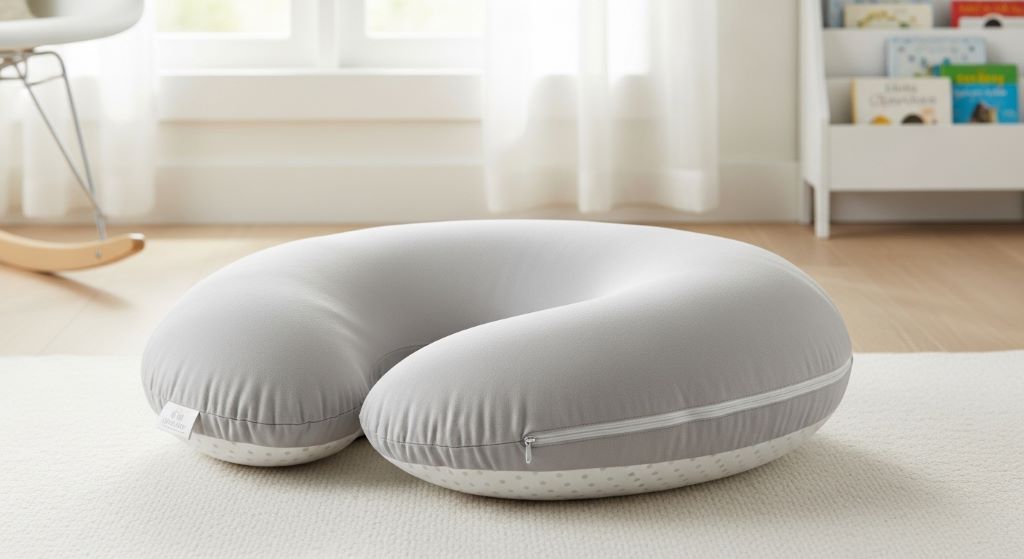
Becoming a new parent brings countless joys and challenges. Among the many items on your baby registry, a nursing pillow stands out as one of the most frequently used products during those early months. However, quality infant care products can quickly strain your budget. The good news is that you don’t need to spend a fortune to find a supportive, comfortable nursing pillow.
Many parents assume that lower-priced options mean poor quality or inadequate support. This misconception leads them to overspend on products that may not actually suit their needs better than more affordable alternatives. Understanding what makes a nursing pillow effective helps you identify budget-friendly options that deliver excellent performance.
This guide will walk you through everything you need to know about finding a cheap breastfeeding pillow without sacrificing comfort or functionality. You’ll learn which features truly matter, where to find the best deals, and how to evaluate quality regardless of price point.
Understanding What Makes a Nursing Pillow Worth Buying
Before diving into budget options, it’s essential to understand what separates a helpful nursing pillow from one that sits unused in your closet. Not every expensive pillow is worth the investment, and not every affordable option falls short.
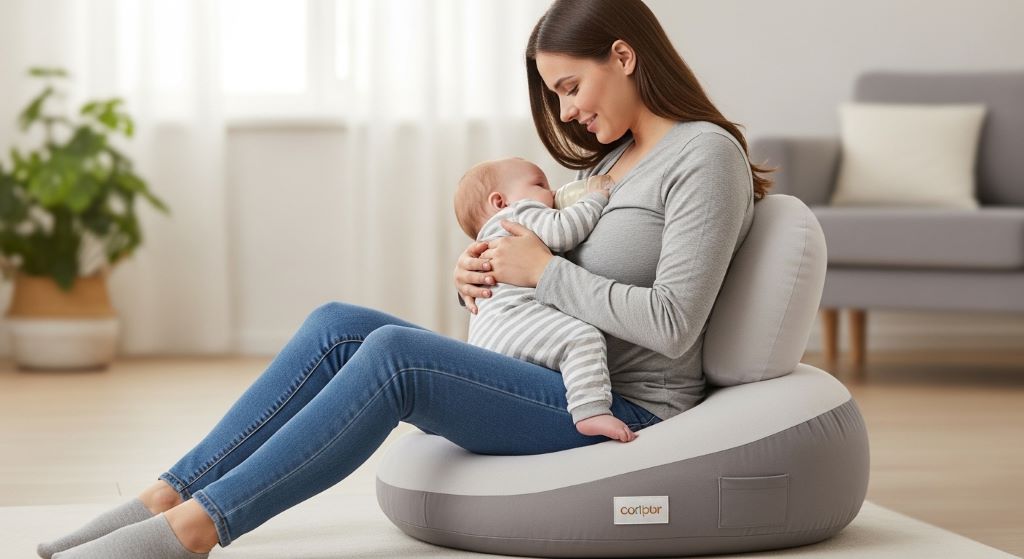
A good nursing pillow elevates your baby to the correct height for comfortable feeding. This positioning reduces strain on your back, shoulders, and arms during those frequent and sometimes lengthy feeding sessions. Without proper elevation, you’ll find yourself hunching over, which quickly leads to discomfort and pain.
The pillow should maintain its shape throughout the feeding session. Pillows that flatten or shift position force you to constantly readjust, defeating their primary purpose. Firm filling provides better support than soft, cushy materials that compress under your baby’s weight.
Versatility extends the value of any nursing pillow. Beyond feeding, many parents use these pillows for tummy time, propping up sitting babies, and even as back support during pregnancy. A pillow that serves multiple purposes offers better value regardless of its initial cost.
Easy cleaning is non-negotiable with baby products. Spit-up, milk spills, and diaper accidents happen regularly. Removable, washable covers save you time and keep your pillow hygienic without requiring replacement.
Key Features That Don’t Break the Bank
When shopping for a budget feeding cushion, certain features provide the most value for your money. Focusing on these essential elements helps you avoid paying extra for unnecessary additions.
Adequate thickness makes a significant difference in positioning. A pillow should be thick enough to bring your baby to breast height without requiring you to lean forward or lift your arms uncomfortably. Generally, four to six inches of loft provides sufficient elevation for most body types.
Firm fill material maintains support better than soft stuffing. While plush pillows feel luxurious initially, they compress quickly and lose effectiveness. Polyester fiber fill, foam chunks, or polystyrene beads offer good support at reasonable prices. Each material has advantages, so consider your priorities when choosing.
A secure strap or tie system keeps the pillow in place around your waist. This feature prevents the pillow from sliding during feeding, which is especially helpful when you’re managing a squirmy baby. Simple ties work just as well as elaborate buckle systems and cost less to manufacture.
Removable covers simplify cleaning tremendously. Even basic pillows can include this feature without adding significant cost. Look for covers with zippers rather than those sewn permanently to the filling. Machine-washable fabric saves time and ensures proper hygiene.
Appropriate size and shape accommodate different feeding positions. C-shaped pillows work well for traditional cradle holds, while flatter designs might suit side-lying positions better. Consider how you plan to feed before selecting a specific shape.
Where to Find the Best Deals
Knowing where to shop makes as much difference as knowing what to buy. Different retailers offer varying price points for similar products, and timing your purchase strategically can lead to significant savings.
Online marketplaces often provide lower prices than brick-and-mortar baby stores. The reduced overhead costs allow online retailers to offer competitive pricing. Additionally, customer reviews on these platforms help you gauge real-world performance before purchasing.
Secondhand options can slash costs dramatically. Many parents sell gently used nursing pillows after their babies outgrow them. Facebook Marketplace, local parent groups, and consignment shops are excellent sources. However, inspect used pillows carefully for stains, odors, or flattened filling before buying.
Store brands frequently match name-brand quality at lower prices. Major retailers often contract with the same manufacturers that produce expensive brands. These products feature similar designs and materials but cost less because you’re not paying for brand recognition.
Sales and clearance events happen regularly at baby stores. End-of-season sales, holiday promotions, and clearance sections yield excellent deals. Sign up for email newsletters from baby retailers to receive notifications about upcoming sales.
Generic versions of popular designs offer similar functionality. Once a nursing pillow style becomes popular, multiple manufacturers create their own interpretations. These alternatives often cost significantly less while providing comparable support and features.
Materials That Offer Quality Without Premium Prices
The materials used in nursing pillows directly impact both cost and performance. Understanding these materials helps you make informed decisions about where to invest and where to save.
Cotton covers provide comfort and breathability at reasonable prices. While organic cotton commands premium prices, standard cotton blends work perfectly well for most families. Cotton washes easily and feels soft against your skin and your baby’s delicate head.
Polyester filling keeps costs down while maintaining decent support. This synthetic material resists clumping, dries quickly, and handles frequent washing well. Although some parents prefer natural fillings, polyester performs admirably for most nursing needs.
Polystyrene beads, similar to those in bean bags, create moldable support. These tiny spheres shift to conform to your body shape while still maintaining overall structure. Pillows with bead filling typically cost less than those with specialized foam yet provide excellent customization.
Foam chunks or shredded foam balance support and affordability. This filling maintains shape better than polyester fiber while costing less than solid foam inserts. The individual pieces allow some give and adjustment while preventing the pillow from going completely flat.
Jersey knit fabric offers a budget-friendly alternative to premium textiles. This stretchy, soft material feels comfortable and costs less than specialty fabrics. It also tends to be more forgiving if your baby has sensitive skin, as it’s commonly used in baby clothing.
Evaluating Quality at Lower Price Points
Just because a nursing pillow costs less doesn’t mean it’s poorly made. Learning to assess quality helps you separate truly inferior products from hidden gems.
Check seam construction carefully. Even inexpensive pillows should have straight, secure stitching without loose threads or gaps. Run your fingers along all seams to ensure they’re well-constructed. Poor seams indicate corners cut during manufacturing that may lead to splitting or filling escape.
Test the filling density by pressing firmly on the pillow. It should resist compression and bounce back relatively quickly. If your hand sinks deep into the pillow and it stays compressed, it won’t provide adequate support during feeding.
Examine zipper quality on removable covers. The zipper should glide smoothly and feel sturdy. Cheap, flimsy zippers break easily and may render the cover unusable. A well-constructed zipper suggests attention to quality even in affordable products.
Read customer reviews focusing on long-term performance. Recent reviews from parents who’ve used the pillow for several months provide more valuable information than initial impressions. Look for comments about durability, washing resilience, and whether the pillow maintains its shape over time.
Verify return policies before purchasing. Reputable sellers stand behind their products even at lower price points. A good return policy gives you recourse if the pillow doesn’t meet expectations, reducing your financial risk.
DIY and Customization Options
Creating or modifying a nursing pillow yourself can dramatically reduce costs while allowing perfect customization. These approaches require minimal sewing skills and can result in products that match or exceed commercial options.
Converting a standard bed pillow offers the simplest DIY approach. Firm bed pillows can be wrapped with fabric or towels to create the right shape and size. While not as elegant as purpose-made options, this solution costs almost nothing and works surprisingly well.
Making a simple nursing pillow requires basic sewing skills and inexpensive materials. Fabric stores carry suitable materials at reasonable prices, and numerous free patterns are available online. Choosing your own filling lets you control firmness and support level precisely.
Adding a DIY cover to an inexpensive pillow personalizes and protects it. If you find a cheap breastfeeding pillow with good filling but an unappealing cover, making your own cover costs very little. This approach gives you exactly the fabric, color, and style you want while maintaining the budget price point.
Modifying existing pillows to better suit your needs extends their usefulness. Adding ties, adjusting filling quantity, or combining two smaller pillows can transform inadequate cushions into effective nursing supports. A little creativity turns limitations into customized solutions.
Repurposing pregnancy pillows after giving birth eliminates the need for a separate purchase. Many pregnancy support pillows work reasonably well for nursing with minor adjustments. This dual-purpose use maximizes value from items you may already own.
Smart Shopping Strategies
Beyond finding good products, employing strategic shopping techniques helps you get the best possible prices on quality nursing pillows.
Compare prices across multiple retailers before buying. The same pillow often appears at different prices on various websites. Taking ten minutes to price check can save you 20 to 50 percent on identical products.
Use price tracking tools and apps to monitor costs over time. These free services alert you when prices drop on items you’re watching. Patience combined with price tracking often results in significant savings.
Bundle purchases to reduce shipping costs or qualify for discounts. Many retailers offer free shipping above certain thresholds or discounts on multiple items. Coordinating purchases with other parents can help everyone reach these beneficial levels.
Join baby product exchange groups in your community. These groups operate on barter, trade, or deeply discounted sale principles. Members often offer barely used items at fraction of retail prices because they’re simply clearing space.
Consider refurbished or overstock items from reputable sellers. Products returned unused or leftover stock from previous seasons often sell at steep discounts. These items are brand new but cost less because they’re not the current version or were returned for cosmetic reasons unrelated to function.
When to Spend More and When to Save
Not all budget choices make sense for every family. Understanding when to invest more and when affordable options suffice helps you allocate your baby budget wisely.
Spend more if you have specific physical needs. Parents with back problems, recovering from C-sections, or nursing twins may benefit from specialized pillows designed for their situations. These targeted solutions often cost more but provide necessary support that generic options can’t match.
Save money if this is temporary equipment. Babies grow quickly, and nursing pillows typically see heavy use for only six to twelve months. If you plan to use it primarily for feeding and not other purposes, an affordable option makes financial sense.
Invest more for multiple children. If you plan to have more babies, a higher-quality pillow that lasts through multiple children costs less per child than replacing cheap ones each time. Durability becomes worth paying for when extended use is anticipated.
Choose budget options if you’re unsure about preferences. First-time parents often don’t know which nursing position they’ll prefer or whether they’ll even use a pillow regularly. Starting with an affordable option reduces financial risk while you discover what works for you.
Spend extra for specific features you know you need. If previous experience taught you that certain characteristics are essential for your comfort, prioritizing those features justifies higher costs. Personal needs always outweigh general advice.
Alternative Solutions to Traditional Nursing Pillows
Sometimes the best budget feeding cushion isn’t technically a nursing pillow at all. Creative alternatives provide similar support at even lower costs.
Regular bed pillows stacked strategically can create effective nursing support. Firm pillows from around your house cost nothing extra and work reasonably well. Experiment with different configurations to find what provides the right height and support.
Rolled blankets or towels offer adjustable, free support. These flexible options let you customize thickness and firmness exactly to your needs. Although they shift more easily than purpose-made pillows, they cost absolutely nothing.
Couch armrests combined with small pillows create comfortable feeding stations. Many parents discover that their couch corner with added cushioning works better than any nursing pillow. This realization can save the entire cost of purchasing specialized equipment.
Baby loungers double as feeding supports in certain positions. If you already own a baby lounger for other purposes, experimenting with it during feeding might eliminate the need for a separate nursing pillow entirely.
Boppy-style pillows marketed for play time cost less than those labeled for nursing. The exact same shape and structure often appears under different product names at different price points. The “play pillow” version provides identical function at lower cost.
Long-Term Value and Multi-Purpose Use
Maximizing your nursing pillow’s usefulness beyond feeding sessions increases its overall value, making even modest investments worthwhile.
Tummy time support helps babies develop neck and shoulder strength. Positioning your baby chest-down on the nursing pillow makes tummy time more comfortable and engaging. This secondary use extends the pillow’s relevance well beyond the breastfeeding phase.
Sitting support for older babies provides safety as they learn balance. Surrounding a sitting baby with a C-shaped nursing pillow cushions inevitable tumbles. This protective barrier lets babies practice sitting skills with reduced injury risk.
Toddler seating for reading or quiet time repurposes the pillow as your child grows. Many toddlers enjoy sitting in the supportive curve while looking at books or watching shows. This extended use means the pillow remains useful for years rather than months.
Adult back support during TV watching or reading gives parents benefit too. After your baby outgrows nursing, the pillow can support your lower back while relaxing. This final phase of use ensures nothing goes to waste.
Travel sleeping aid for young children provides familiar comfort away from home. The pillow can serve as a portable sleeping surface or comfort item during trips. Its familiar shape and smell help children feel secure in new environments.
Red Flags to Avoid Even in Budget Options
While affordable nursing pillows can be excellent, certain warning signs indicate products that aren’t worth any price.
Extremely low prices compared to similar products often signal quality problems. If one pillow costs half what comparable options do, investigate why. Manufacturing shortcuts or inferior materials may explain the dramatic price difference.
Lack of product information or specifications suggests unreliable sellers. Legitimate products include details about dimensions, materials, and care instructions. Vague descriptions or missing information indicate potential problems.
Overwhelmingly negative reviews mentioning the same issues repeatedly reveal genuine problems. One or two bad reviews happen with any product, but patterns of complaints about filling, construction, or durability warrant serious concern.
No return policy or prohibitive return conditions trap you with unsuitable products. Even budget purchases should come with reasonable return options. Sellers confident in their products don’t fear returns.
Strong chemical odors indicate potentially harmful materials. While some new fabric smell is normal, strong or persistent chemical odors suggest unsafe materials or treatments. Your baby will spend hours with their face near this pillow, so safety matters more than savings.
Conclusion
Finding an affordable nursing pillow that provides excellent support is entirely possible with the right approach. Understanding essential features helps you distinguish between valuable characteristics and unnecessary extras that inflate prices. A budget feeding cushion can serve you just as well as premium options when you focus on firmness, appropriate thickness, and washable covers.
Smart shopping strategies, including comparing prices, shopping secondhand, and timing purchases around sales, significantly reduce costs without sacrificing quality. Additionally, DIY modifications and creative alternatives to traditional nursing pillows offer even more savings while meeting your specific needs perfectly.
Remember that the most expensive option isn’t always the best choice for your situation. Evaluate your individual needs, intended usage duration, and physical requirements when selecting a nursing pillow. Many parents find that moderately priced or budget options perform beautifully throughout their breastfeeding journey.
The key is approaching your purchase thoughtfully rather than assuming price equals quality. By applying the knowledge from this guide, you can confidently select a nursing pillow that supports both your baby and your budget, allowing you to focus on what truly matters: bonding with your little one during those precious feeding moments.
Frequently Asked Questions
How much should I expect to spend on a good nursing pillow?
Quality nursing pillows are available across a wide price range, from fifteen to seventy dollars or more. However, you don’t need to spend at the top of this range to find adequate support. Many excellent options fall between twenty and forty dollars. Focus on features like firm filling, washable covers, and good reviews rather than price alone. The right pillow for you depends on your specific needs rather than cost.
Can I use a regular pillow instead of buying a nursing pillow?
Yes, many parents successfully use regular firm bed pillows for nursing support. Stack or arrange household pillows to achieve the right height for comfortable feeding. While less convenient than a shaped nursing pillow that stays in place, this free alternative works perfectly well for some families. Try this approach before purchasing to see if it meets your needs.
How can I tell if a cheap nursing pillow will last?
Check customer reviews focusing on long-term use, typically three months or more. Look for comments about filling maintaining shape, covers holding up to washing, and seams staying intact. Examine the pillow’s construction yourself, testing firmness and checking seam quality. Even affordable pillows should feel substantial and well-made. A good return policy also protects you if durability proves inadequate.
Are expensive nursing pillows worth the extra money?
Not necessarily. While some premium features justify higher prices for specific needs, most parents find that mid-range or budget options work wonderfully. Expensive pillows often cost more due to brand recognition, organic materials, or designer fabrics rather than superior support. Unless you have particular requirements like twin nursing or medical conditions requiring specialized support, affordable options typically perform excellently.
When is the best time to buy a nursing pillow?
Purchase your nursing pillow during your third trimester, ideally two to four weeks before your due date. This timing lets you practice positioning and ensure the pillow works for your body before baby arrives. However, you can also wait until after birth since many parents don’t use nursing pillows immediately. Shopping during major sales events like Black Friday or Amazon Prime Day can yield significant savings on baby products.
Related Topics:
Dual-Layer Elevation Pillows vs. Basic Wedges: Which Wins for Snoring Relief?
Pregnancy Pillows That Relieve Back Pain Effectively: Your Guide to Better Sleep