
How to Buy Surf Water Shoes for Women: Beginner’s Guide
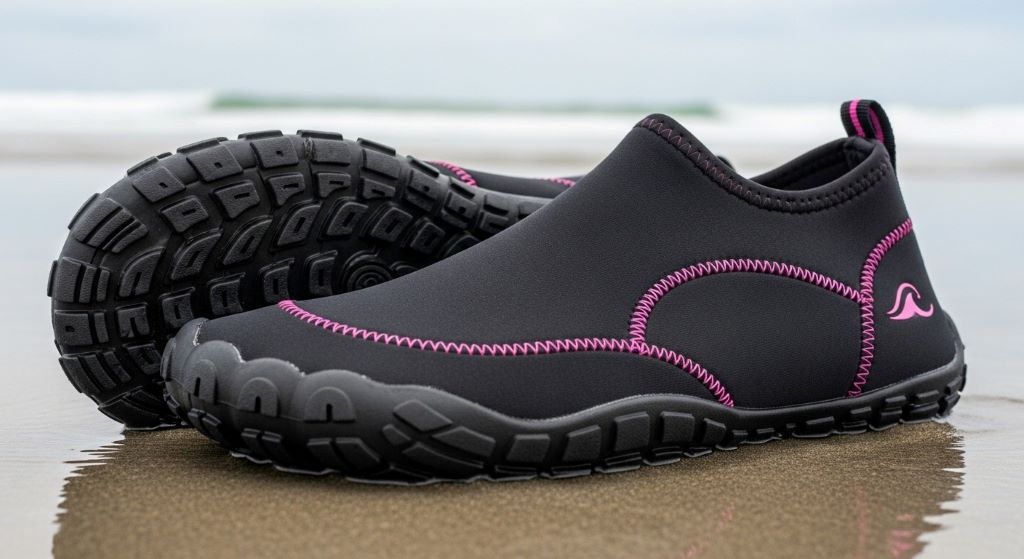
Starting your surfing journey involves more than just choosing the right board and wetsuit. Your feet need protection too, and that’s where quality water shoes come into play. Many beginner surfers overlook this essential piece of equipment, but proper footwear can make a significant difference in your comfort, safety, and overall surfing experience.
The ocean environment presents unique challenges for your feet. Sharp rocks, coral reefs, hot sand, and sea urchins are just some of the hazards you’ll encounter. Additionally, water shoes provide extra grip on your board and protect against jellyfish stings and other marine threats. This comprehensive guide will walk you through everything you need to know about selecting the perfect pair of water shoes for surfing.
Whether you’re catching your first waves or looking to upgrade your current gear, understanding what makes quality surf water shoes will help you make an informed decision. Let’s explore the key factors that separate excellent surf footwear from unsuitable options.
Understanding Why You Need Water Shoes for Surfing
Many beginners wonder if water shoes are truly necessary for surfing. The answer depends on where you surf and your personal preferences. However, most experienced surfers agree that having a good pair provides valuable benefits that outweigh any drawbacks.
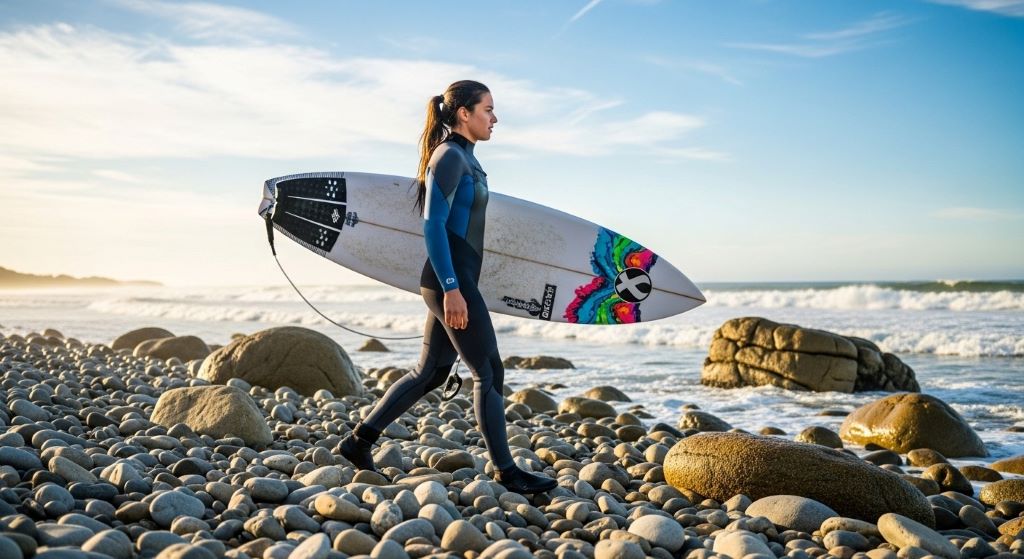
Rocky beaches and reef breaks make water shoes almost mandatory. Walking across sharp surfaces to reach the water can injure your feet before you even start surfing. Once you’re in the water, standing on rocks or coral while waiting for waves poses similar risks. Water shoes create a protective barrier between your skin and these hazards.
Temperature considerations also play a role. Cold water can quickly numb your feet, reducing your ability to feel and control your board. Neoprene water shoes provide insulation that keeps your feet warmer during extended sessions. Conversely, in tropical locations, hot sand can burn the soles of your feet, making the walk to the water uncomfortable.
Traction becomes another important factor. Waxed surfboards can be slippery, and maintaining proper foot placement is crucial for balance and maneuverability. Quality water shoes with grippy soles help you stay connected to your board, especially as a beginner still developing muscle memory and balance.
Furthermore, marine life poses various threats in different locations. Stingrays, sea urchins, sharp shells, and jellyfish can all cause painful injuries. While water shoes won’t protect against all marine hazards, they provide a valuable layer of defense against many common threats.
Key Features to Look for in Surf Water Shoes
Not all water shoes are created equal, and surf-specific footwear differs from general beach shoes or water aerobics footwear. Understanding the essential features helps you identify shoes that will actually enhance your surfing rather than hinder it.
The sole thickness needs careful consideration. You want enough protection from sharp objects without losing the board feel that’s crucial for surfing. Generally, a sole between three and five millimeters thick strikes the right balance. Thicker soles protect better but reduce sensitivity, while thinner soles offer better board feel but less protection.
Flexibility matters tremendously for surfing. Your feet need to bend and move naturally as you pop up, turn, and maintain balance. Stiff shoes restrict movement and make surfing more difficult. Look for shoes that flex easily at the ball of your foot, allowing natural movement while still providing structure and support.
Drainage systems prevent water from pooling inside your shoes. Good surf water shoes have strategically placed holes or mesh panels that allow water to flow out quickly. Waterlogged shoes become heavy and uncomfortable, plus they can affect your balance on the board.
The closure system affects how securely the shoes stay on your feet. Velcro straps, elastic laces, and zipper systems all have advantages and disadvantages. The best closure system holds the shoe firmly on your foot without creating pressure points or requiring constant adjustment.
Material composition influences both performance and durability. Neoprene provides warmth and flexibility, making it popular for surf water shoes. Mesh sections improve breathability and drainage. Rubber components offer durability and protection. The best shoes combine materials strategically to optimize each feature.
Sizing and Fit Considerations
Getting the right size is more complicated with water shoes than regular footwear. These shoes need to fit snugly without being uncomfortably tight, and they behave differently when wet than when dry.
Water shoes should fit like a second skin. Too much space inside the shoe allows sand and debris to enter, causing irritation. Excess room also reduces board feel and can create blisters from your foot sliding around. However, shoes that are too tight restrict circulation and become painful during long sessions.
Try shoes on with the socks you plan to wear surfing, if any. Some surfers prefer wearing thin neoprene socks under their water shoes for additional warmth, while others go barefoot. This choice affects the size you need.
Consider how neoprene behaves when wet. Neoprene water shoes typically stretch slightly when saturated. If shoes feel perfectly fitted when dry, they might become loose after spending time in the water. Many experienced surfers recommend choosing water shoes that feel slightly snug when dry.
Walk around the store before purchasing. Your toes shouldn’t curl or press against the front of the shoe. Your heel should sit securely without lifting when you walk. Bend your foot and simulate surfing movements to ensure the shoes flex appropriately.
Different brands fit differently, so don’t assume your regular shoe size will work across all manufacturers. Some brands run small, while others run large. Read reviews from other customers to learn about sizing tendencies for specific models.
Different Types of Surf Water Shoes
Several styles of water shoes work for surfing, each with distinct advantages and ideal use cases. Understanding these differences helps you choose the right type for your specific needs and surfing conditions.
Booties are the most common choice for serious surfers. These pull-on shoes extend above your ankle, providing maximum coverage and protection. They typically feature thicker neoprene for warmth, making them ideal for cold water surfing. The higher cut prevents debris from entering easily, though they can feel restrictive if you’re not accustomed to them.
Low-cut water shoes resemble athletic shoes in style. They stop below the ankle, offering more freedom of movement and a less restrictive feel. These work well in warm water conditions where insulation isn’t a priority. They’re also popular among beginners who find full booties overwhelming at first.
Split-toe designs feature a separate compartment for your big toe, similar to tabi socks. This design can improve balance and board feel since your big toe moves independently. Some surfers swear by split-toe shoes, while others find them uncomfortable. They’re worth trying if you struggle with balance or want maximum board connection.
Minimalist water shoes prioritize flexibility and board feel over protection. These ultra-thin options provide basic coverage against cuts and scrapes while maintaining excellent sensitivity. They work best for experienced surfers on sandy beaches where significant protection isn’t necessary.
Hybrid designs combine features from different styles. You might find low-cut shoes with bootie-like neoprene thickness or split-toe designs with high ankle coverage. These options let you customize your footwear to match your specific preferences and conditions.
Material Options and Their Benefits
The materials used in surf water shoes significantly impact their performance, durability, and suitability for different conditions. Knowing the properties of common materials helps you make better choices based on your surf footwear tips needs.
Neoprene dominates surf water shoe construction for good reasons. This synthetic rubber provides excellent insulation, keeping your feet warm in cold water. It’s flexible when wet, allowing natural foot movement. Neoprene also dries relatively quickly and maintains its properties through repeated exposure to saltwater and sun.
Thickness variations in neoprene affect warmth and flexibility. Three-millimeter neoprene offers moderate insulation with good flexibility. Five-millimeter neoprene provides more warmth but reduces board feel slightly. Seven-millimeter neoprene is for very cold conditions but feels quite stiff. Choose thickness based on the water temperatures where you’ll surf.
Mesh panels improve ventilation and drainage. Strategic mesh placement allows water to escape quickly without compromising structure or protection. However, mesh areas offer less insulation and protection than solid neoprene, so they’re better suited for warm water surfing.
Rubber soles provide the actual interface between your feet and the board. Different rubber compounds offer varying levels of grip, durability, and flexibility. Softer rubber grips better but wears faster. Harder rubber lasts longer but may not stick as well to your board. Many quality shoes use multi-density rubber to balance these factors.
Reinforced toe and heel caps add durability in high-wear areas. These reinforcements protect against abrasion from rocks and extend the life of your shoes. Look for seamless or glued reinforcements rather than stitched ones, as stitching can create pressure points.
Grip and Traction Features
How well your water shoes grip your surfboard directly impacts your performance and confidence. Understanding what creates good traction helps you evaluate different options effectively.
Sole patterns affect grip significantly. Small, closely spaced lugs or dimples typically provide better traction on a waxed board than large, widely spaced treads. Some manufacturers design specific patterns optimized for surfing, while others use general water sport patterns that may not perform as well.
Rubber softness influences traction. Softer rubber compounds conform to the board surface better, creating more contact points and improving grip. However, softer rubber also wears down faster, especially on rough surfaces. Consider how often you’ll walk on rocks or pavement in your water shoes.
Some advanced women’s surf accessories include special grip technology. Certain brands incorporate sticky rubber compounds similar to those used in climbing shoes. Others use suction cup-like features that create additional grip on smooth surfaces. These technologies can enhance performance but typically increase cost.
Testing grip before buying can be challenging in a store. If possible, stand on a smooth surface and twist your foot. Quality surf soles should resist sliding without feeling sticky or grabby. The grip should feel secure but still allow your foot to pivot when needed.
Remember that even the grippiest shoes work differently than bare feet or surf wax alone. There’s an adjustment period as you learn how your shoes interact with your board. Don’t judge performance based solely on your first session in new water shoes.
Durability and Quality Indicators
Investing in quality water shoes saves money long-term and ensures reliable performance when you need it. Learning to recognize quality construction helps you avoid poorly made shoes that fall apart quickly.
Seam construction reveals much about overall quality. Glued and blind-stitched seams provide better water resistance and durability than simple stitching. Look for flat seams that won’t create pressure points or chafe your skin. External stitching is more prone to fraying and catching on things.
Sole attachment method affects longevity significantly. Molded or vulcanized soles that are bonded to the upper as a single piece outlast glued-on soles that can separate over time. Check that the sole attaches firmly with no gaps or loose areas, even in new shoes.
Material thickness throughout the shoe indicates quality. Thin, flimsy neoprene or mesh won’t withstand the rigors of regular surfing. Quality shoes feel substantial without being overly heavy or bulky. Pay attention to areas prone to wear like the toe box and heel.
Hardware quality matters for shoes with zippers, velcro, or buckles. Plastic components should feel sturdy, not brittle. Metal zippers should be corrosion-resistant, ideally stainless steel or coated brass. Velcro should be securely attached and feature strong hooks and loops.
Brand reputation provides guidance, though it shouldn’t be your only consideration. Established surf brands typically use better materials and construction methods than generic manufacturers. However, newer specialized brands sometimes offer excellent quality at competitive prices. Read reviews and seek recommendations from other surfers.
Color and Style Choices
While performance should drive your decision, aesthetics matter too. Fortunately, modern surf water shoes come in numerous colors and styles that let you express your personality while meeting functional needs.
Darker colors show less discoloration from algae and sand over time. Black, navy, and dark gray water shoes maintain their appearance better than light colors. However, dark shoes also absorb more heat, which can make them uncomfortably hot in sunny conditions before you enter the water.
Bright colors improve visibility in the water, which can be a safety consideration. If you’re surfing in crowded conditions or areas with boat traffic, brightly colored footwear helps others see you more easily. Neon colors also make it easier to spot your shoes if they come off.
Pattern and design options have expanded significantly in recent years. Many manufacturers offer women-specific designs with more varied aesthetic choices than the basic black bootie. From floral prints to geometric patterns, you can find water shoes that match your personal style.
However, remember that aesthetics shouldn’t override functionality. A beautiful shoe that doesn’t fit properly or lacks essential features will disappoint you quickly. Use style as a tiebreaker between equally functional options rather than the primary selection criterion.
Some surfers prefer matching their water shoes to other gear like wetsuits or rash guards for a coordinated look. Others intentionally choose contrasting colors. There’s no right or wrong approach as long as the shoes meet your functional requirements.
Breaking In and Initial Use
New water shoes often feel different than they will after several uses. Understanding how to properly break them in ensures the best long-term fit and performance.
Wear your new shoes around the house before taking them surfing. This allows the materials to begin conforming to your feet without the distraction of waves and ocean currents. Walk around for 20 to 30 minutes, flexing your feet and simulating surfing movements.
Wet the shoes and wear them briefly in the shower or bathtub. This helps the neoprene begin stretching and shows you how they’ll fit in actual use. Neoprene behaves differently when saturated, so this preview helps you identify potential fit issues before your first surf session.
Start with shorter sessions when you first wear new water shoes surfing. Even well-fitted shoes can cause minor irritation until they fully break in. Limiting initial use prevents blisters and gives you a chance to adjust to how the shoes affect your surfing.
Pay attention to hot spots or pressure points during early use. Minor discomfort often resolves as shoes break in, but significant pain indicates a fit problem that won’t improve with time. Address these issues quickly, either by adjusting the shoes or exchanging them if needed.
Clean and dry your shoes properly after each use, especially during the break-in period. Salt, sand, and bacteria can damage materials and cause odors. Rinse thoroughly with fresh water, squeeze out excess moisture, and dry away from direct heat or sunlight.
Care and Maintenance
Proper care extends the life of your surf water shoes significantly. These simple maintenance steps protect your investment and ensure your shoes remain comfortable and functional.
Rinse your shoes with fresh water after every surf session. Salt and sand act as abrasives that break down materials over time. A quick rinse removes these damaging elements and takes less than a minute. Pay special attention to drainage holes and seams where debris accumulates.
Dry your shoes properly between uses. Turn them inside out when possible to promote airflow. Avoid direct sunlight, which degrades neoprene and rubber over time. Don’t use artificial heat sources like radiators or dryers, as excessive heat can cause materials to crack or shrink.
Store shoes in a cool, dry location with good ventilation. Keeping them in a sealed bag or enclosed space promotes mold and mildew growth. A mesh bag or open shelf works well, allowing air circulation while protecting from dust and pests.
Inspect your shoes regularly for damage. Small tears in neoprene can often be repaired with neoprene glue before they become major problems. Loose sole edges can be re-glued. Addressing minor issues promptly prevents them from becoming irreparable.
Deep clean your shoes periodically to prevent odor buildup. A solution of water and mild soap or specialized wetsuit shampoo works well. Soak for 15 to 20 minutes, then rinse thoroughly. Some surfers add a small amount of vinegar to the rinse water to neutralize odors.
Budget Considerations and Value
Surf water shoes range from budget-friendly options under thirty dollars to premium models costing over a hundred dollars. Understanding what you get at different price points helps you make a smart investment.
Budget shoes generally provide basic protection and adequate performance for occasional use. They typically use thinner materials, simpler construction, and may lack advanced features. For beginners surfing a few times per month in moderate conditions, budget shoes often suffice.
Mid-range options offer better quality materials, improved construction, and enhanced features. These shoes typically last longer and perform better than budget models. For surfers who hit the waves weekly or face challenging conditions, mid-range shoes provide excellent value.
Premium water shoes incorporate advanced materials, specialized grip technology, and superior construction. They’re designed for serious surfers who demand maximum performance and durability. The higher price reflects research, development, and quality that benefit experienced surfers most.
Consider cost per use rather than just the purchase price. A hundred-dollar pair that lasts three years costs less per surf session than a thirty-dollar pair you replace every season. Factor in your surfing frequency and intensity when determining your budget.
Sales and off-season pricing can make premium shoes more affordable. Many retailers discount water shoes during fall and winter months when demand drops. Last year’s colors or styles often go on sale when new models arrive, offering significant savings without sacrificing quality.
Where to Buy and What to Avoid
Choosing where to purchase your surf water shoes affects both price and your ability to ensure proper fit. Different shopping venues offer various advantages and potential drawbacks.
Specialty surf shops provide expert advice and the opportunity to try multiple brands and styles. Staff members often surf themselves and can offer valuable insights based on local conditions. You’ll pay slightly more than online prices, but the personalized service and immediate availability can justify the difference.
Sporting goods stores carry water shoes but may lack surf-specific knowledge. Selection tends toward more general water sport shoes rather than options optimized for surfing. However, they’re convenient if you need shoes quickly or want to see products in person without visiting a specialty shop.
Online retailers offer the widest selection and often the best prices. However, sizing can be challenging without trying shoes on first. Read customer reviews carefully, paying attention to comments about sizing and quality. Choose retailers with generous return policies in case the shoes don’t fit properly.
Second-hand purchases carry significant risks with water shoes. Used neoprene loses elasticity and support. Previous owners may have stretched the shoes to fit differently than they would fit you. Additionally, hygiene concerns make used water shoes generally inadvisable despite potential cost savings.
Avoid extremely cheap shoes from unknown manufacturers. These often use poor-quality materials that break down quickly or provide inadequate protection. The money you save upfront will be wasted when the shoes fall apart after a few uses or fail to protect your feet adequately.
Conclusion
Selecting the right surf water shoes enhances your safety, comfort, and performance in the water. By considering factors like sole thickness, flexibility, materials, and fit, you can find shoes that meet your specific needs as a beginner surfer. Remember that quality surf footwear tips emphasize protection without sacrificing board feel, while proper women’s surf accessories enhance rather than hinder your surfing experience.
Take time to research different brands and styles, read reviews from other surfers, and try on multiple options if possible. The ideal water shoes balance protection, grip, comfort, and durability while fitting within your budget. Don’t rush this decision, as the right footwear will serve you well for many sessions to come.
Proper care and maintenance extend the life of your investment significantly. Rinsing after each use, drying properly, and storing correctly will keep your shoes performing at their best. As you gain experience and your surfing progresses, you’ll develop clearer preferences about features that matter most to you.
Starting your surfing journey with proper footwear sets you up for success. Your feet are your foundation on the board, and protecting them while maintaining sensitivity and control is essential. With the right water shoes, you can focus on catching waves and improving your skills rather than worrying about foot injuries or discomfort.
Frequently Asked Questions
Do I really need special water shoes for surfing, or will any water shoes work?
While general water shoes provide some protection, surf-specific shoes offer features that significantly improve your surfing experience. Surf water shoes have thinner, more flexible soles that maintain board feel while still protecting against hazards. They’re designed to grip waxed boards better and typically drain faster than general water shoes. For occasional beach walking, any water shoe works fine, but for actual surfing, specialized footwear makes a noticeable difference in performance and comfort.
How tight should surf water shoes fit?
Surf water shoes should fit snugly without causing pain or restricting circulation. They should feel slightly tighter than regular shoes when dry, as neoprene stretches when wet. Your toes shouldn’t curl or press against the front, and your heel shouldn’t lift when walking. There should be minimal empty space inside the shoe where sand or debris could collect. If you can easily slide your finger between the shoe and your foot, they’re too loose.
Can I wear surf water shoes in cold water, or do I need special booties?
You can wear water shoes in moderately cold water, but very cold conditions require thicker neoprene booties designed specifically for warmth. Water shoes with three-millimeter neoprene work well in water temperatures above 60 degrees Fahrenheit. For colder water, look for five-millimeter or seven-millimeter booties. Some water shoes are designed for warm water only and provide minimal insulation, so check the specifications before using them in cold conditions.
How long do surf water shoes typically last?
With proper care, quality surf water shoes last one to three years depending on usage frequency and conditions. Surfers who use their shoes several times per week in harsh environments like rocky reefs may need replacement annually. Occasional surfers who rinse and dry their shoes properly can expect two to three years of use. Signs that replacement is needed include sole separation, torn neoprene, loss of elasticity, or significant wear on the bottom that reduces grip.
Should I size up or down if I’m between sizes?
If you’re between sizes, the general recommendation is to size down for neoprene water shoes, as they stretch when wet. However, this depends on the specific brand and whether you plan to wear neoprene socks underneath. Read manufacturer sizing guides and customer reviews for the specific model you’re considering. Many brands note whether their shoes run large or small. When possible, order both sizes and return the one that doesn’t fit, as proper fit is crucial for performance and comfort.
Related Topics:
How to Do a “Chop Hop” on a Surfboard
Surfboard Tail Block Damage Repair: A Complete Guide to Restoring Your Board