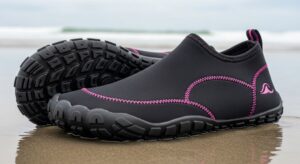
How to Find Lightweight Surf Shoes for Women That Don’t Slow You Down

Surfing demands agility, balance, and connection with your board. The right footwear can make all the difference between catching that perfect wave and missing it entirely. Many women surfers struggle to find shoes that offer protection without compromising their performance in the water. Finding the perfect pair requires understanding what features matter most and how different designs impact your surfing experience.
The ocean environment presents unique challenges that regular athletic shoes simply cannot handle. Sharp rocks, hot sand, sea urchins, and coral reefs threaten your feet during every session. At the same time, bulky or poorly designed footwear can reduce your board feel and slow down your movements. Therefore, selecting the right surf shoes becomes a critical decision for any woman serious about her time in the waves.
Understanding What Makes Surf Shoes Lightweight
Weight matters significantly when you’re paddling out or popping up on your board. Every ounce counts because heavier shoes create drag in the water and tire out your legs faster. Lightweight designs typically use modern synthetic materials rather than traditional rubber compounds. These advanced fabrics dry quickly and resist water absorption, which prevents the shoes from becoming waterlogged and heavy.
The construction method also influences overall weight. Shoes with minimal stitching and seamless designs tend to be lighter than those with multiple layers and complex assemblies. Additionally, manufacturers have developed innovative ways to reduce material usage without sacrificing durability. Some brands use strategically placed reinforcements only in high-wear areas, keeping other sections thin and flexible.
Drainage systems play an essential role in maintaining lightweight performance throughout your session. Properly designed mesh panels and drainage holes allow water to escape quickly. This prevents the shoes from filling up like buckets and weighing you down. Furthermore, breathable materials help your feet stay comfortable during long sessions, reducing fatigue and maintaining performance.
The Importance of Flexibility in Surf Footwear
Your feet need to articulate naturally on the board surface to maintain proper balance and control. Stiff shoes restrict your foot’s natural movement and diminish your ability to feel the board beneath you. This connection, often called board feel, is crucial for making split-second adjustments while riding waves. Flexible sole surf shoes allow your feet to grip and respond to the board’s movements intuitively.
The sole’s flexibility directly impacts how well you can perform maneuvers. When executing turns or cutbacks, your feet need to twist and flex with precision. Rigid footwear forces you to compensate with your ankles and knees, which can lead to poor technique and potential injuries. Conversely, shoes that bend naturally with your foot enable more fluid movements and better wave riding.
Different surfing styles require varying levels of flexibility. Longboarders who walk the board often need highly flexible shoes for cross-stepping and hanging ten. Shortboard surfers might prefer slightly more structure for aggressive turns and aerials. However, regardless of your style, some degree of flexibility remains non-negotiable for maintaining that crucial connection with your board.
Key Features to Look for in Women’s Surf Shoes
Finding the perfect pair requires evaluating several critical characteristics beyond just weight and flexibility. The fit should be snug but not restrictive, with enough room for your toes to spread naturally. Many women find that surf shoes run differently than regular athletic shoes, so trying them on before purchasing is highly recommended.
Traction patterns on the sole significantly affect your performance. Look for designs that provide grip without collecting sand and debris. Shallow, multidirectional treads typically work best because they offer traction while allowing your foot to glide when needed. Deep lugs, common on hiking shoes, can actually hinder performance by catching on the board surface.
Ankle support varies among different models, and your choice depends on personal preference and surfing conditions. Low-cut designs offer maximum flexibility and are popular for warm water surfing. Mid-cut options provide additional protection against ankle rolls on rocky entries. However, higher cuts can restrict movement, so consider your priorities carefully before choosing.
Water temperature should influence your selection as well. Neoprene-lined options provide warmth in cooler conditions but add weight and reduce breathability. For summer surf gear, mesh and quick-dry synthetics work better because they prevent overheating. Some shoes feature removable insoles, allowing you to customize warmth and cushioning based on conditions.
Materials That Make a Difference
Modern surf shoe technology has evolved dramatically over the past decade. Traditional rubber has given way to advanced polymers that offer superior performance characteristics. These materials maintain flexibility across a wide temperature range and resist degradation from saltwater exposure. Additionally, they dry faster and resist the growth of bacteria and odors.
Mesh panels incorporated into strategic areas provide ventilation and drainage. High-quality mesh materials are tear-resistant and maintain their structure even after repeated exposure to sand and saltwater. Some manufacturers use antimicrobial treatments on mesh sections to prevent unpleasant smells from developing. This feature becomes particularly important if you surf frequently or store wet shoes in your car.
The outsole material determines both grip and durability. Non-marking rubber compounds prevent leaving streaks on your board while providing excellent traction. Some brands have developed proprietary rubber formulations that balance softness for grip with durability for longevity. These advanced materials often incorporate recycled content, appealing to environmentally conscious surfers.
Upper materials need to withstand constant flexing, saltwater exposure, and UV radiation. Synthetic leather and engineered textiles offer excellent durability while remaining lightweight. Quick-lacing systems made from corrosion-resistant materials eliminate the frustration of dealing with wet, tangled laces. Furthermore, welded seams instead of stitched ones reduce failure points and prevent water retention.
Sizing and Fit Considerations
Getting the right size in surf shoes differs from sizing regular footwear. These shoes should fit snugly when dry because they will stretch slightly when wet. A too-loose fit allows sand and debris to enter, causing discomfort and blisters. Conversely, shoes that are too tight restrict circulation and can cause cramping during long sessions.
Women often find that surf shoe sizing runs differently across brands. Some companies use men’s sizing as their base, requiring you to size down. Others offer women-specific lasts that account for narrower heels and different arch shapes. Reading reviews from other female surfers can provide valuable insights into how particular models fit.
Consider whether you plan to wear the shoes with or without neoprene socks. If you surf in colder water and wear booties or socks, you may need a half size larger. However, this extra room might feel sloppy in warmer conditions. Some surfers own multiple pairs to accommodate different seasonal conditions and surfing situations.
The toe box shape affects both comfort and performance. A wider toe box allows your toes to spread naturally, improving balance and reducing fatigue. However, an excessively wide toe box can feel clumsy on the board. Test how the shoes feel when you’re in a surfing stance, shifting your weight from rail to rail. The shoes should move with your feet without slipping or pinching.
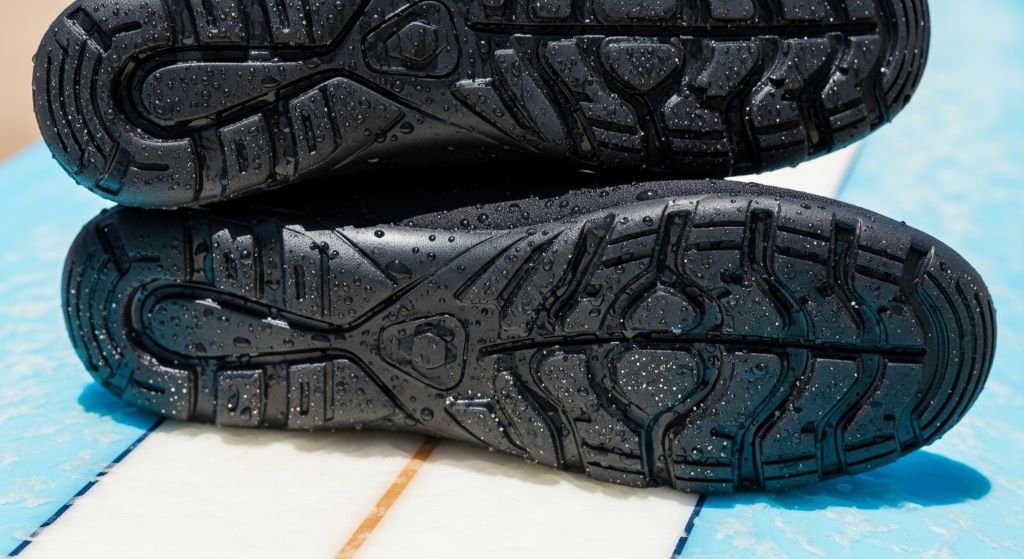
Minimal Surf Footwear Advantages
Minimalist designs have gained popularity among experienced surfers who prioritize board feel above all else. These shoes use the least material possible while still providing protection from hazards. Thin soles allow you to feel subtle changes in board pressure and weight distribution. This enhanced feedback helps you make micro-adjustments that improve your riding.
The reduced material in minimal surf footwear translates directly to less weight and bulk. Your feet move more naturally, almost as if surfing barefoot but with protection from sharp objects. This approach works particularly well in tropical locations with warm water and sandy bottoms. However, minimalist shoes might not provide adequate protection for rocky breaks or cold conditions.
Drainage and drying happen almost instantaneously with minimalist designs. The lack of padding and thick materials means water doesn’t get trapped anywhere. You can jump straight from the ocean to your car without dealing with squishy, waterlogged shoes. Additionally, they pack small for travel, taking up minimal space in your surf bag.
Some surfers worry that minimalist options won’t last as long as more robust designs. While it’s true that ultra-thin materials may wear faster in harsh conditions, many brands have addressed this concern. They use reinforced materials in high-stress areas while keeping other sections minimal. This targeted approach balances durability with the benefits of minimal surf footwear.
Comparing Popular Styles and Designs
Slip-on styles offer convenience and simplicity, allowing you to get in and out quickly. These designs typically feature elastic panels or stretchy uppers that conform to your foot shape. However, they may not provide as secure a fit as laced options, especially during aggressive surfing. Some slip-ons include heel pulls or loops that make them easier to put on when wet.
Lace-up designs provide a more customizable fit, allowing you to adjust tension across different zones of the shoe. Quick-lace systems with toggle closures combine the security of laces with the convenience of slip-ons. These systems use elastic laces that you tighten once and then leave in place. However, you need to ensure the laces and toggles are made from corrosion-resistant materials.
Water shoes designed specifically for surfing differ from general aquatic footwear. Generic water shoes often have thick, cushioned soles that reduce board feel. Surf-specific designs prioritize flexibility and ground contact over cushioning. They also feature specialized tread patterns optimized for board traction rather than wet deck surfaces.
Hybrid designs attempt to serve multiple purposes, functioning as surf shoes, beach shoes, and casual footwear. While versatility has appeal, these multi-purpose designs often compromise on surf-specific features. Dedicated surf shoes typically outperform hybrids in the water, even if they’re less comfortable for walking around town afterward.
Care and Maintenance for Longevity
Proper care extends the life of your surf shoes significantly. Always rinse them thoroughly with fresh water after each session to remove salt, sand, and organic matter. Salt crystals can degrade materials over time and cause premature wear. A quick rinse takes only minutes but prevents months of accumulated damage.
Drying your shoes correctly prevents odor development and material degradation. Never leave them in direct sunlight for extended periods, as UV radiation breaks down synthetic materials and rubber. Instead, dry them in a shaded, well-ventilated area. Stuffing them with newspaper helps absorb moisture and maintain their shape during drying.
Storage location matters more than many surfers realize. Avoid leaving shoes in hot cars, where temperatures can cause materials to warp or delaminate. A cool, dry location away from direct sunlight preserves the materials’ integrity. Some surfers use shoe bags or mesh containers that allow air circulation while protecting the shoes from dust and pests.
Inspect your shoes regularly for signs of wear or damage. Small tears in mesh panels can be repaired with waterproof adhesive before they expand. Checking tread depth helps you determine when the outsole has worn too smooth for safe traction. Addressing minor issues promptly prevents them from becoming major problems that require replacing the entire shoe.
When to Replace Your Surf Shoes
Even well-maintained surf shoes eventually need replacement. Worn-out tread significantly reduces traction on your board and on wet surfaces. If you notice yourself slipping more frequently during sessions, the outsole has likely worn beyond safe levels. Additionally, loss of board feel can indicate that the sole has become too compressed or degraded.
Upper material deterioration presents another clear replacement signal. Tears, holes, or separated seams allow water, sand, and debris to enter the shoe. These openings cause discomfort and can lead to blisters or injuries. Once the upper materials have failed, repair rarely provides a lasting solution.
Changes in fit also indicate that replacement time has arrived. Shoes that have stretched excessively will slip on your feet during critical moments. Conversely, materials that have become stiff and inflexible restrict your movement and reduce performance. Either situation compromises your surfing and potentially your safety.
Consider replacement before complete failure occurs. Having a backup pair ensures you’re never stuck with inadequate footwear during prime surf conditions. Many surfers rotate between two pairs, which extends the life of both by allowing them to dry completely between sessions. This approach costs more initially but often proves more economical long-term.
Budget Considerations and Value
Surf shoes range dramatically in price, from budget options under thirty dollars to premium models exceeding one hundred. Higher prices don’t always guarantee better performance, but they often correlate with durability and advanced features. Consider how frequently you surf when determining your budget. Daily surfers benefit from investing in quality shoes that will withstand intensive use.
Mid-range options typically offer the best value for most recreational surfers. These shoes incorporate good materials and construction without the premium pricing of top-tier brands. They provide adequate performance and durability for weekly surfing sessions. Additionally, they often include features like quick-lacing systems and drainage channels that enhance the surfing experience.
Budget shoes can work for occasional surfers or those just starting out. However, expect to replace them more frequently as materials wear faster. Some budget options sacrifice flexibility or use heavier materials to reduce costs. Evaluate whether the initial savings justify potentially compromising your performance and comfort in the water.
Sales and previous season’s models offer opportunities to access premium shoes at reduced prices. Surf shops often discount last year’s colors or designs when new models arrive. The performance differences between model years are usually minimal, making this an excellent way to get high-quality footwear at mid-range prices. Sign up for email lists from your favorite brands to receive notification of sales.
Environmental Considerations in Surf Footwear
The surf industry has increasingly embraced sustainable practices in recent years. Many brands now offer shoes made partially or entirely from recycled materials. Ocean plastics, recycled rubber, and repurposed textiles reduce the environmental impact of manufacturing. These eco-friendly options perform comparably to traditional materials while supporting ocean conservation efforts.
Durability represents perhaps the most important environmental consideration. Shoes that last longer reduce waste and the resources required for manufacturing replacements. Investing in well-made footwear that survives multiple seasons proves more sustainable than buying cheap shoes that fail quickly. Additionally, proper care and maintenance maximize the lifespan of any pair.
Some manufacturers have implemented take-back programs for worn-out shoes. These programs recycle old footwear into new products or alternative uses like playground surfaces. Participating in these initiatives keeps materials out of landfills and supports circular economy principles. Check whether your preferred brands offer such programs before discarding old shoes.
Packaging waste varies significantly among brands. Some companies have eliminated plastic packaging in favor of recycled cardboard or minimal packaging designs. Others include reusable bags or storage solutions that serve a purpose beyond just shipping protection. These small differences add up when considering the environmental impact of your surf gear purchases.
Real-World Testing and Reviews
Online reviews provide valuable insights into how shoes perform in actual surfing conditions. Look for reviews from surfers in similar environments and conditions to your own. Someone surfing warm water reef breaks will have different experiences than a cold water beach break surfer. Pay attention to comments about sizing, durability, and performance characteristics.
Video reviews often demonstrate how shoes perform during actual surfing sessions. Watching footage of surfers wearing specific models helps you visualize how they might work for your style. Notice whether the reviewer’s foot appears to have good board contact and whether the shoes seem to restrict movement. These visual cues complement written descriptions.
Professional surfer endorsements should be viewed with healthy skepticism. While pros certainly test equipment rigorously, they receive free gear and may have financial incentives to promote certain brands. Amateur surfer reviews often provide more realistic perspectives on how equipment performs for average users. However, professional feedback can highlight performance capabilities under extreme conditions.
Testing shoes yourself before purchasing remains the gold standard. Many surf shops allow you to try shoes and return them if they don’t work out. Take advantage of these policies to test different models in actual surfing conditions. What works for other surfers might not suit your foot shape, surfing style, or local conditions.
Adapting to Different Surf Conditions
Rocky reef breaks demand more protective footwear than sandy beach breaks. Thicker soles and reinforced uppers shield your feet from sharp surfaces and sea urchins. However, you might sacrifice some board feel for this added protection. Many surfers who frequent reef breaks accept this trade-off as necessary for safety.
Cold water surfing requires considering neoprene-lined options or wearing surf socks under your shoes. These additions provide warmth but increase weight and reduce flexibility somewhat. Some surfers prefer thicker-soled shoes in cold water because numbness already reduces board feel. The extra protection matters more when you can’t feel subtle injuries until after your session.
Summer surf gear emphasizes breathability and quick-drying properties. Lightweight mesh construction prevents overheating during long sessions in warm water. Minimal designs work particularly well in tropical conditions where water temperature isn’t a concern. These shoes often serve double duty as beach shoes for walking on hot sand.
Point breaks with long rides favor comfortable shoes that won’t cause hotspots or blisters during extended time on the board. Beach breaks with shorter, more intense rides might prioritize responsiveness over all-day comfort. Match your footwear choice to the typical session length and wave characteristics of your local break.
Common Mistakes to Avoid
Buying shoes based solely on appearance leads many surfers astray. Stylish designs don’t always translate to functional performance in the water. Prioritize features that matter for surfing, such as flexibility and drainage, over aesthetic considerations. You can find attractive shoes that also perform well, but looks should be secondary to function.
Neglecting to break in new shoes before an important surf trip invites discomfort and potential injury. Wear them for several short sessions to identify any pressure points or fit issues. New materials need time to conform to your foot shape. Additionally, breaking them in allows you to make adjustments to lacing or closure systems.
Assuming one pair of shoes will work for all conditions sets you up for disappointment. Different surf environments require different footwear characteristics. Having a warm water pair and a cold water pair ensures you’re always properly equipped. This approach mirrors having different wetsuits for different seasons.
Ignoring manufacturer sizing guides and assuming your regular shoe size will work often results in poor fit. Each brand sizes differently, and surf shoes typically fit differently than street shoes. Take the time to measure your feet and consult size charts. Reading reviews about sizing tendencies for specific models provides additional guidance.
Conclusion
Selecting the right lightweight surf shoes for women involves balancing multiple factors to find your perfect match. Flexible sole surf shoes that allow natural foot movement improve your board connection and overall performance. Minimal surf footwear offers maximum board feel but may require accepting reduced cushioning or warmth. Understanding your specific needs, local conditions, and surfing style guides you toward the best choice.
The ideal shoes protect your feet without compromising your ability to feel and respond to the board beneath you. Modern materials and construction techniques have made it possible to achieve this balance better than ever before. Whether you prioritize weight savings, environmental sustainability, or cold water protection, options exist to meet your requirements.
Investing time in research and trying different models pays dividends in improved comfort and performance. Your feet are your foundation in surfing, and proper footwear enhances every session. Consider multiple factors including fit, materials, construction, and intended use conditions. The right summer surf gear keeps you surfing longer and performing better throughout the season.
Remember that personal preference plays a significant role in what works best for you. What one surfer considers the perfect shoe might not suit another with different foot shape or surfing style. Don’t be afraid to experiment with different designs until you find the combination of features that feels right. Your ideal surf shoes will feel like an extension of your feet, allowing you to focus entirely on riding waves.
Frequently Asked Questions
Can I use regular water shoes for surfing?
While regular water shoes provide some protection, they typically lack the features needed for optimal surfing performance. Most water shoes have thick, cushioned soles that significantly reduce board feel and make precise movements difficult. Surf-specific shoes feature thinner, more flexible soles designed specifically for board traction and feel. Additionally, drainage systems in surf shoes work better for the unique demands of riding waves. If you’re serious about improving your surfing, dedicated surf shoes make a noticeable difference.
How tight should surf shoes fit?
Surf shoes should fit snugly when dry, similar to how climbing shoes fit. They will stretch slightly when wet, so a fit that feels comfortably snug on dry feet typically becomes perfect in the water. You should be able to wiggle your toes, but the shoe shouldn’t slide around your heel. If you can easily pull the heel up while the shoe is laced, they’re too large. Test the fit by standing in a surf stance and shifting your weight to ensure they move with your feet without slipping.
Do I need different surf shoes for cold and warm water?
Having separate pairs for different conditions isn’t absolutely necessary but often improves comfort and performance. Cold water options typically feature neoprene lining or extra insulation, which makes them too warm for summer sessions. Warm water shoes prioritize breathability and quick drainage, offering less protection in cold conditions. If you surf year-round in varying temperatures, investing in two pairs ensures optimal comfort. However, if you primarily surf in consistent conditions, one versatile pair may suffice.
How often should I replace my surf shoes?
Replacement timing depends on usage frequency and care quality. Surfers who hit the water daily might need new shoes every three to six months. Weekend warriors can typically get a full season or longer from a quality pair. Watch for worn tread, torn mesh, separated seams, or loss of flexibility as signs that replacement time has arrived. Don’t wait until complete failure occurs, as worn-out shoes compromise both performance and safety. Proper rinsing and drying after each use significantly extends lifespan.
Are expensive surf shoes worth the investment?
Premium surf shoes often justify their higher cost through superior materials, construction quality, and durability. They typically last significantly longer than budget options and provide better performance throughout their lifespan. However, the best value depends on your surfing frequency and priorities. Daily surfers benefit most from premium shoes that withstand intensive use. Occasional surfers might find mid-range options provide adequate performance at lower cost. Consider cost per session rather than just upfront price when evaluating value.
Related Topics:
How to Do a “Chop Hop” on a Surfboard
Surfboard Tail Block Damage Repair: A Complete Guide to Restoring Your Board