Strawberry Daiquiri vs Piña Colada: Which Frozen Drink Fits Your Taste?
A clear comparison of the strawberry daiquiri and piña colada, covering flavor, sweetness, texture, and food pairings so you can order the right frozen drink.
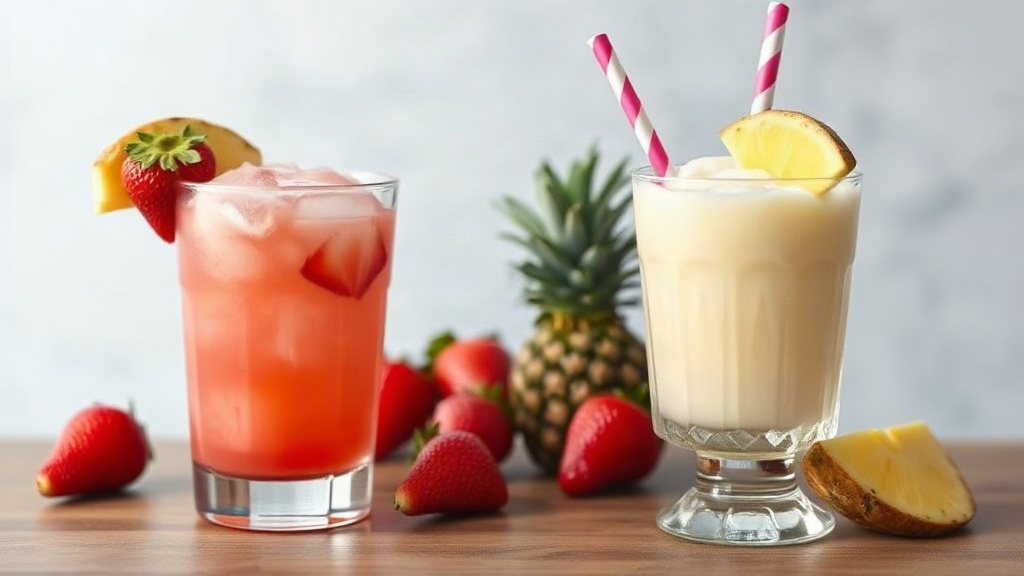
Choosing between a strawberry daiquiri vs piña colada can feel harder than it should, especially when both arrive frosty, pink or pale, and topped with fruit. One is bright and tart, the other creamy and tropical, and the difference shapes everything from the food you order to how many you can comfortably finish. This overview works through flavor, texture, strength, and setting at //miamisignaturedesigns.com/, so you can order with confidence next time you face the blender menu. The choice is simpler than it looks once you know what each drink is built from.
Quick answer: Pick the strawberry daiquiri if you want a tart, light, fruit-forward drink that pairs well with spicy or savory food. Choose the piña colada if you prefer a creamy, sweet, coconut-heavy sip that feels like dessert. Match the texture and sweetness to your mood, and you will rarely order wrong.
What is strawberry daiquiri vs piña colada?
The comparison comes down to two classic blended drinks with very different foundations. A strawberry daiquiri blends white rum, lime juice, sugar, and strawberries with ice until smooth. A piña colada blends rum, pineapple juice, and cream of coconut with ice for a thicker, creamier result. Both are frozen cocktails, yet they behave differently on the palate and at the table.
Base ingredients and flavor profiles
The daiquiri leans on citrus. Lime gives it a sharp edge, and the strawberries supply sweetness plus a little acidity. Well-made versions taste like fresh fruit with a rum backbone. The piña colada leans on coconut and pineapple. Cream of coconut adds richness and sugar, so the drink tastes closer to a tropical smoothie or a soft dessert. If you dislike coconut, the piña colada is off the table immediately.
Texture, strength, and serving style
A daiquiri usually pours thinner because its liquid comes mostly from juice and lime. A piña colada is heavier and clings to the glass. Both typically carry a similar rum pour, but the piña colada’s sweetness can mask the alcohol more effectively. That makes it easy to drink quickly, which is worth keeping in mind. Garnishes differ too: a lime wheel and strawberry versus pineapple wedge and cherry.
Ice level affects both drinks more than most people expect. A watery blend dulls the daiquiri’s tartness and thins the colada’s creaminess, so a properly balanced ratio matters as much as the spirit.
Takeaway: the daiquiri is tart and light; the piña colada is sweet and rich.
Why strawberry daiquiri vs piña colada matters
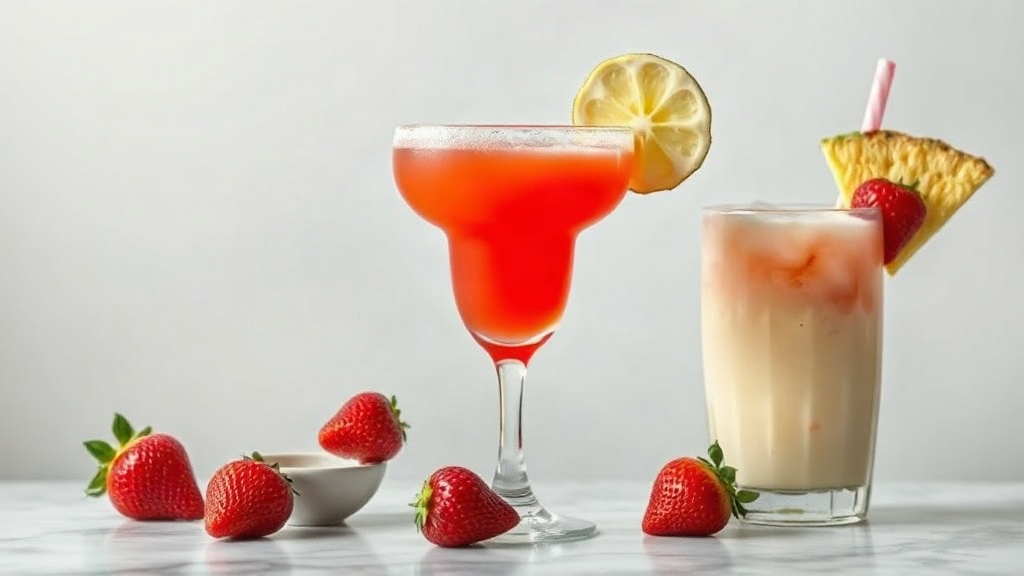
Your pick affects the whole experience, not just the first sip. A heavy coconut drink can overpower a delicate appetizer, while a sharp citrus cocktail may clash with a creamy dessert. Thinking about pairing and pace ahead of time makes the order feel intentional.
Consider the climate and time of day too. A daiquiri’s lighter body suits a warm afternoon when you want something crisp before dinner, while a colada’s richness lands better as a slow evening treat or a standalone indulgence. Pairing the drink to the moment, rather than defaulting to whichever sounds more festive, keeps the strawberry daiquiri vs piña colada decision feeling deliberate and satisfying.
Food pairing and pace
Tart drinks cut through fat and heat. A strawberry daiquiri works nicely with grilled shrimp, tacos, or anything spicy because the lime refreshes the palate. A piña colada suits jerk chicken, coconut-based dishes, or a poolside afternoon when you want something indulgent. Consider how many rounds you plan: the daiquiri’s lighter body makes a second order easier, while the colada’s richness often feels like enough after one.
Mood, setting, and menu fit
Setting shapes satisfaction. A beach bar with a blender running invites the colada, while a lively dinner with friends leans toward the daiquiri. Menus also vary in quality, so ask what goes into each drink. Fresh fruit and real lime juice usually signal a better pour than syrupy mixes. This matters more than the drink category itself.
If a bar uses a premade mix, the daiquiri can taste like candy syrup. A quick question about fresh ingredients tells you a lot about what lands in your glass.
Takeaway: match the drink to your food and mood, not just the color.
Best practices
A few habits make either drink noticeably better. Start with temperature, since frozen cocktails lose their appeal fast. Serve them in a chilled glass and drink them before they separate. If you blend your own, crush the ice thoroughly for a smooth texture rather than a slushy one.
Balance sweetness against acidity. For a daiquiri, taste after blending and add lime if it leans sweet. For a piña colada, a squeeze of lime or a splash of pineapple juice keeps the coconut from dominating. Fresh fruit beats frozen fruit in flavor, though frozen strawberries work fine in a pinch. Simple syrup dissolves more evenly than granulated sugar in a cold blend.
Measure the rum. A heavy pour seems generous but throws off the balance and makes the drink harsh. Standard recipes use roughly two ounces of rum per serving, which keeps the fruit flavors intact. If you are hosting, set up a small blending station so guests can pick their own drink.
Thinking about combinations? A layered mix of the two, sometimes called a Miami Vice cocktail, splits the difference between tart and creamy in a single glass.
Frozen drinks go down quickly on a hot day. Alternate with water, and treat the sweetness as a cue to slow down rather than speed up.
Takeaway: chill, balance, and measure for a drink worth repeating.
Chill your glasses in the freezer for ten minutes before blending, and pre-chill the rum and juices so the ice does less work. Use a high-powered blender and add liquid first, ice last, for a smoother vortex. Taste with a clean spoon, adjust one element at a time, and blend a final short pulse to reincorporate.
Common mistakes to avoid
The most frequent error is ordering by appearance alone. A pink drink is not automatically refreshing, and a creamy one is not automatically indulgent. Read the ingredients or ask before you commit.
Over-blending is another trap. Too much ice waters the drink down; too little leaves it chunky. Blend in short pulses and stop when it turns smooth. Skipping the taste test means you miss an unbalanced mix until it is too late.
Many people also ignore sweetness tolerance. If you rarely drink sweet cocktails, the piña colada may overwhelm you after a few sips, while the daiquiri feels light by comparison. Assume the colada will taste sweeter than you expect, and ask for less cream of coconut if the bar can adjust it.
Do not overlook garnishes or glasses. A warm glass ruins a cold drink quickly, and a garnish left on too long can wilt into the cocktail. Plan to drink within twenty minutes of serving, and keep the glass frosty if you can.
Blended cocktails often carry more sugar than a dessert. If you are watching intake, ask about the mix and consider splitting one drink between two people.
Takeaway: avoid guessing by appearance and always taste before serving.
Watch the ice-to-liquid ratio when blending at home, since a heavy hand with ice dilutes flavor long before the glass empties. Add frozen strawberries instead of extra cubes to keep the daiquiri concentrated. For a piña colada, shake the cream of coconut can before opening, because the solids settle and an unstirred can pours thin and grainy. Finally, resist the urge to pre-blend a large batch hours ahead; the texture breaks down and separates, so blend in smaller rounds as guests arrive.
FAQ
Is a piña colada stronger than a strawberry daiquiri?
Typically they carry similar amounts of rum, so the strength is comparable. The colada tastes less boozy because coconut and pineapple mask the alcohol. Sip both at the same pace and judge by feel, not flavor.
Which drink is sweeter, and by how much?
The piña colada is usually much sweeter due to cream of coconut. A daiquiri balances sugar with lime, so it reads as tart. If you want less sweetness, the daiquiri is the safer order.
What if I do not like coconut but want something creamy?
Skip the colada entirely, since the coconut is central to its identity. A daiquiri with ripe strawberries offers body without the coconut. Ask the bartender about a fruit-forward alternative if you want creaminess.
Which one pairs better with spicy food?
The strawberry daiquiri works better because lime and acidity cool the palate. Coconut sweetness tends to fight with heat rather than calm it. Order the daiquiri alongside wings, tacos, or curry.
Can I make either drink without a blender?
Yes, both can be shaken and served over crushed ice instead. The texture will be looser, but the flavor stays the same. A daiquiri shakes up especially well as a classic on the rocks.
Conclusion
The strawberry daiquiri suits anyone who wants tart, light, and refreshing, while the piña colada rewards a craving for creamy and sweet. Consider your food, your pace, and how much sugar you actually enjoy before ordering. Next time you scan a menu, ask about fresh ingredients and pick the drink that matches the moment. Start with the daiquiri if you are unsure, then try the colada when you want dessert in a glass.