
Arthritis-Friendly Balance Training-Tai Chi vs Yoga
Living with arthritis presents daily challenges that go beyond joint pain. Balance problems and stiffness can make simple movements feel difficult. Many people turn to gentle exercises to manage their symptoms and improve mobility. Both tai chi and yoga offer promising benefits for those dealing with arthritis. These ancient practices focus on slow, controlled movements that can help reduce pain and improve flexibility. Gett In Cool explores how these two popular exercises compare for arthritis management.
Choosing the right exercise program matters when you have arthritis. Your joints need movement, but high-impact activities can cause more harm than good. Tai chi and yoga both provide low-impact options that work for various fitness levels. However, they differ in their approach, movements, and specific benefits. Understanding these differences helps you make an informed choice about which practice suits your needs better.
Research shows that both practices can help improve balance and reduce fall risk in older adults. According to the Arthritis Foundation, gentle exercises like tai chi and yoga can decrease joint pain while building strength. Many people wonder which is better for arthritis, yoga or tai chi, and the answer often depends on individual preferences and physical limitations. Each practice offers unique advantages worth considering.
Understanding Tai Chi for Arthritis
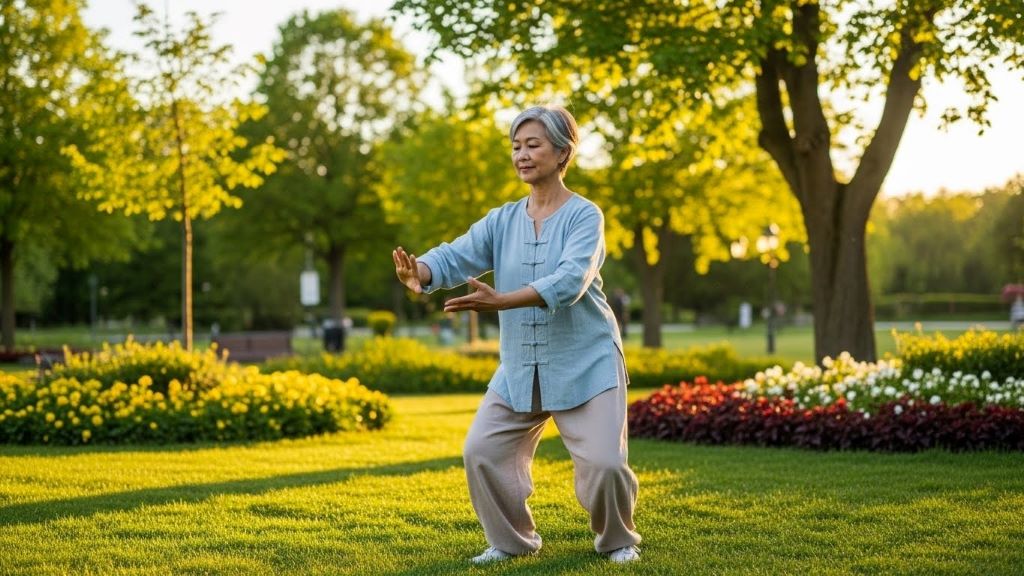
Tai chi originated in ancient China as a martial art. Today, people practice it mainly for health benefits. The exercise involves slow, flowing movements that transition smoothly from one pose to another. Practitioners focus on deep breathing while moving through sequences called forms.
The gentle nature of tai chi makes it particularly suitable for people with arthritis. Movements place minimal stress on joints while improving range of motion. Unlike many exercises, tai chi keeps you constantly moving. This continuous flow helps maintain joint flexibility without sudden jarring motions.
Balance improvement stands out as one of tai chi’s strongest benefits. The practice requires shifting weight from one leg to another while maintaining stability. Over time, this builds leg strength and improves proprioception. These skills translate directly to better balance in daily life, reducing fall risk significantly.
Exploring Yoga for Arthritis Management
Yoga comes from ancient India and encompasses physical postures, breathing exercises, and meditation. Many different styles exist, ranging from gentle to vigorous. For arthritis, gentle styles like Hatha or Yin yoga work best because they emphasize slow movements and longer holds.
Yoga poses stretch and strengthen muscles around affected joints. Holding positions helps build endurance while improving flexibility. The practice also focuses heavily on body awareness, teaching you to recognize and respect your physical limits.
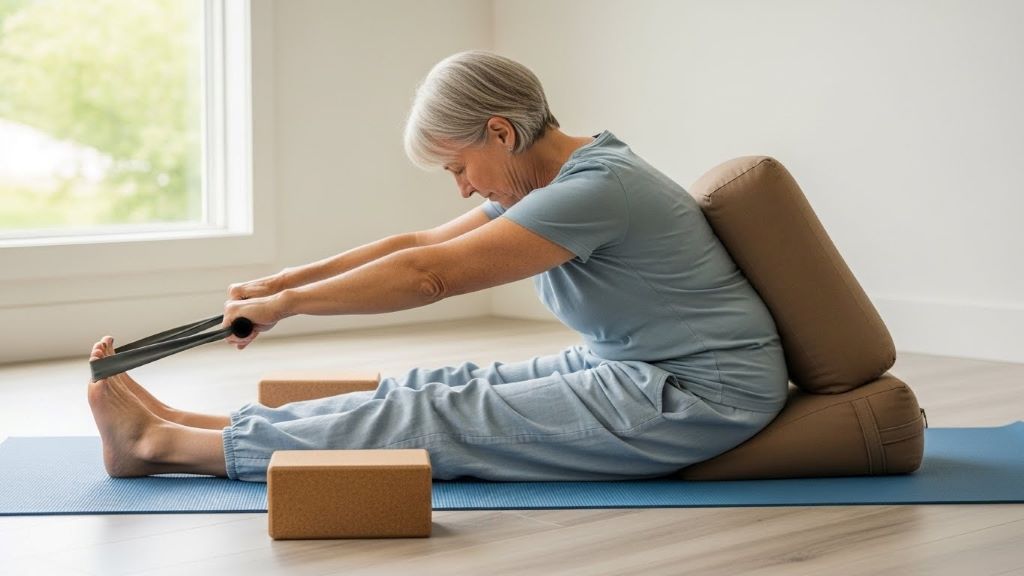
One advantage yoga offers is the variety of modifications available. Instructors can adapt poses using props like blocks, straps, or chairs. This flexibility means people with severe arthritis can still participate safely. Additionally, the meditation and breathing components help manage stress, which often worsens arthritis symptoms.
Comparing Movement Patterns
The way these practices approach movement differs significantly. Tai chi keeps you in constant motion with weight shifts and flowing transitions. You rarely hold static positions for long periods. This continuous movement may feel easier on stiff joints that prefer staying mobile.
Yoga alternates between movement and stillness. You move into a pose, hold it for several breaths, then transition to the next position. These holds build strength and flexibility but might challenge people with severe joint stiffness. However, the pauses allow you to adjust your position and ensure proper alignment.
Both practices emphasize mindful movement and body awareness. They teach you to move deliberately and notice how your body responds. This mindfulness can help you recognize when to push gently and when to ease back, preventing injury.
Balance and Stability Benefits
Balance problems commonly accompany arthritis, especially in older adults. Both tai chi and yoga address this issue effectively. Research published in the Journal of the American Geriatrics Society found that tai chi significantly reduced fall risk in older adults.
Tai chi’s focus on weight shifting builds balance skills directly applicable to walking and daily activities. The practice strengthens stabilizing muscles in the legs and core. Over time, participants develop better control over their movements and increased confidence in their stability.
Yoga also improves balance through poses that challenge stability. Standing poses like Tree Pose or Warrior III require concentration and muscle engagement. These positions strengthen supporting muscles while improving coordination. The benefit extends beyond the mat into everyday activities.
Joint-Specific Considerations
Different types of arthritis affect various joints, and this matters when choosing between practices. Osteoarthritis commonly affects knees, hips, and hands. Rheumatoid arthritis can impact smaller joints including wrists and fingers.
Tai chi generally keeps hands relaxed and movements simple. The focus stays on lower body strength and balance. This makes it excellent for knee and hip arthritis. However, people with severe knee problems might struggle with the constant weight shifting.
Yoga involves more hand and wrist use, especially in poses like Downward Dog or Plank. This could challenge people with hand arthritis. However, modifications exist, and you can use props to reduce pressure on affected joints. The variety of poses means you can work around problem areas more easily.
Social and Mental Health Aspects
Both practices offer mental health benefits that complement their physical advantages. Arthritis often brings frustration, anxiety, and even depression. Exercise that includes mindfulness and meditation addresses these psychological challenges.
Tai chi classes often emphasize community and group practice. Many participants enjoy the social aspect of learning forms together. The meditative quality of the movements helps reduce stress and improve mood. Studies show regular practice can decrease anxiety and enhance overall wellbeing.
Yoga similarly combines physical and mental health benefits. The meditation and breathing exercises specifically target stress reduction. Many yoga studios create supportive communities where practitioners encourage each other. This social connection helps combat isolation that sometimes accompanies chronic conditions.
Accessibility and Getting Started
Finding classes for either practice has become easier in recent years. Community centers, senior centers, and fitness studios frequently offer both tai chi and yoga. Many programs specifically design classes for people with arthritis or limited mobility.
Tai chi requires no special equipment, making it highly accessible. You need only comfortable clothing and flat shoes. Classes often meet in parks or community spaces. The minimal requirements make it easy to try without significant investment.
Yoga might require a mat and potentially some props like blocks or straps. However, many studios provide these items. Beginners can start with gentle classes designed for older adults or people with physical limitations. Online resources also offer guided practices you can do at home.
Making Your Choice
Deciding between tai chi and yoga depends on personal factors. Consider your specific symptoms, joint involvement, and preferences. Some people connect more with tai chi’s flowing movements, while others prefer yoga’s varied poses.
Try both practices if possible before committing to one. Many studios offer trial classes or drop-in rates. Pay attention to how your body feels during and after each practice. The right choice is the one you enjoy enough to practice regularly.
Therefore, consistency matters more than which practice you choose. Regular, gentle exercise brings the most significant benefits for arthritis management. Whether you select tai chi, yoga, or alternate between both, maintaining a routine is key to seeing improvements.
Conclusion
Both tai chi and yoga offer valuable benefits for people managing arthritis. Tai chi excels at improving balance through continuous flowing movements and weight shifts. Yoga provides versatility with numerous modifications and a wide variety of poses. Each practice reduces joint pain, improves flexibility, and enhances mental wellbeing. The best choice depends on your individual needs, preferences, and which joints are most affected. Try both practices to discover which resonates with you. Whichever path you choose, regular practice will help you manage arthritis symptoms more effectively while improving overall quality of life.
Frequently Asked Questions
Can I do tai chi or yoga if I have severe arthritis?
Yes, both practices can be modified for severe arthritis. Start with gentle classes specifically designed for limited mobility. Always inform instructors about your condition so they can suggest appropriate modifications. Begin slowly and listen to your body.
How often should I practice tai chi or yoga for arthritis relief?
Aim for at least two to three sessions per week for noticeable benefits. Consistency matters more than duration. Even 15 to 20 minutes daily can help reduce stiffness and improve joint function over time.
Will tai chi or yoga cure my arthritis?
No, neither practice cures arthritis. However, both can significantly reduce pain, improve mobility, and enhance quality of life. They work as complementary treatments alongside medical care and should not replace prescribed medications or therapies.
Which practice is easier for beginners with arthritis?
This varies by individual, but many find tai chi easier to start because movements flow continuously without holding difficult positions. However, yoga offers more modifications and props for support. Try both to see which feels more comfortable.
Can I practice at home without attending classes?
Yes, many online resources offer guided practices for both tai chi and yoga. However, taking a few beginner classes with a qualified instructor helps ensure proper form and prevents injury. Once you learn the basics, home practice becomes easier and safer.
Related Topics: