
Noise-Free Style: DIY Kitchen Makeover Guide for Open Concept Homes
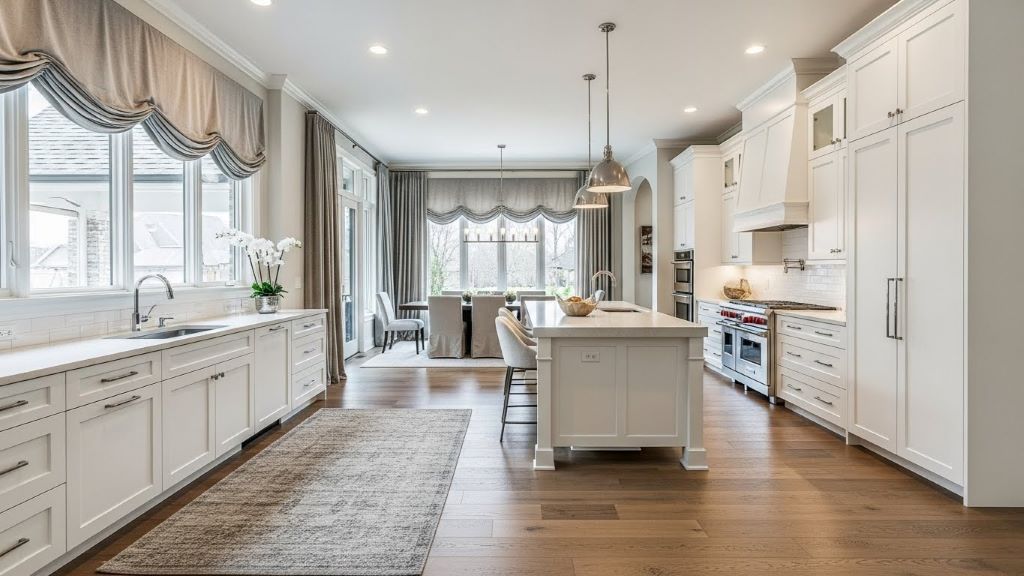
Transforming your kitchen doesn’t have to mean hiring expensive contractors or enduring months of construction chaos. A DIY kitchen makeover combines creativity, practicality, and smart design choices to create a space you’ll love. Whether you’re dealing with an open concept layout or simply want to refresh your cooking space, The Funky Kitchen offers inspiration and guidance for homeowners ready to take on the challenge themselves.
Open concept kitchens have become increasingly popular in modern homes. They create a sense of spaciousness and encourage family interaction. However, they also come with unique challenges, particularly when it comes to noise control. Cooking sounds, appliance hums, and clattering dishes can easily travel throughout your living spaces. Therefore, incorporating soundproofing elements into your kitchen makeover becomes essential for maintaining comfort and functionality.
Many homeowners discover that addressing noise issues while updating their kitchen aesthetics creates the perfect opportunity for a comprehensive renovation. If you’re struggling with excessive kitchen noise in your open floor plan, learning how to soundproof kitchen open concept home DIY solutions can dramatically improve your living environment. Additionally, these modifications often increase your home’s overall value and appeal to potential buyers who prioritize peaceful living spaces.
Planning Your DIY Kitchen Makeover
Before picking up a paintbrush or ordering new cabinets, proper planning sets the foundation for success. Start by assessing your current kitchen’s strengths and weaknesses. Walk through your space with a critical eye, noting which elements work well and which need improvement. Consider traffic flow, storage capacity, lighting quality, and yes, noise levels.
Creating a realistic budget helps prevent overspending and ensures you allocate resources wisely. Research shows that kitchen renovations offer some of the highest returns on investment for homeowners, according to Remodeling Magazine’s Cost vs. Value Report. However, DIY projects typically cost 40-60% less than professional renovations while still delivering impressive results.
Next, develop a timeline that accounts for your skill level and available time. Weekend warriors might spread their makeover across several months, tackling one element at a time. This approach reduces stress and allows you to live in your space while improvements happen gradually. Moreover, phased renovations give you flexibility to adjust plans based on results and changing preferences.
Soundproofing Strategies for Open Concept Kitchens
Noise control deserves special attention in open concept homes where kitchen sounds affect multiple living areas. Fortunately, several DIY-friendly soundproofing techniques exist that don’t require major structural changes or professional acoustical engineers.
Start with soft furnishings and textiles. Area rugs, window treatments, and upholstered seating absorb sound waves that would otherwise bounce off hard surfaces. Kitchen spaces typically feature abundant hard materials like tile, stone, and stainless steel, which reflect rather than absorb sound. Consequently, introducing fabric elements creates acoustic balance.
Cabinet modifications offer another effective soundproofing opportunity. Installing foam tape or rubber bumpers on cabinet doors prevents slamming sounds. Meanwhile, adding acoustic panels inside cabinet boxes reduces the hollow echo that amplifies dish clatter. These simple additions take minutes to install but provide noticeable noise reduction.
Consider your appliance choices carefully. Modern dishwashers, refrigerators, and range hoods now come with decibel ratings clearly marked. Quieter models cost slightly more upfront but deliver long-term comfort benefits. Furthermore, proper appliance installation with vibration-dampening pads minimizes operational noise transfer to floors and walls.
Budget-Friendly Aesthetic Updates
Visual transformation doesn’t require emptying your savings account. Several high-impact, low-cost updates can completely change your kitchen’s appearance and feel.
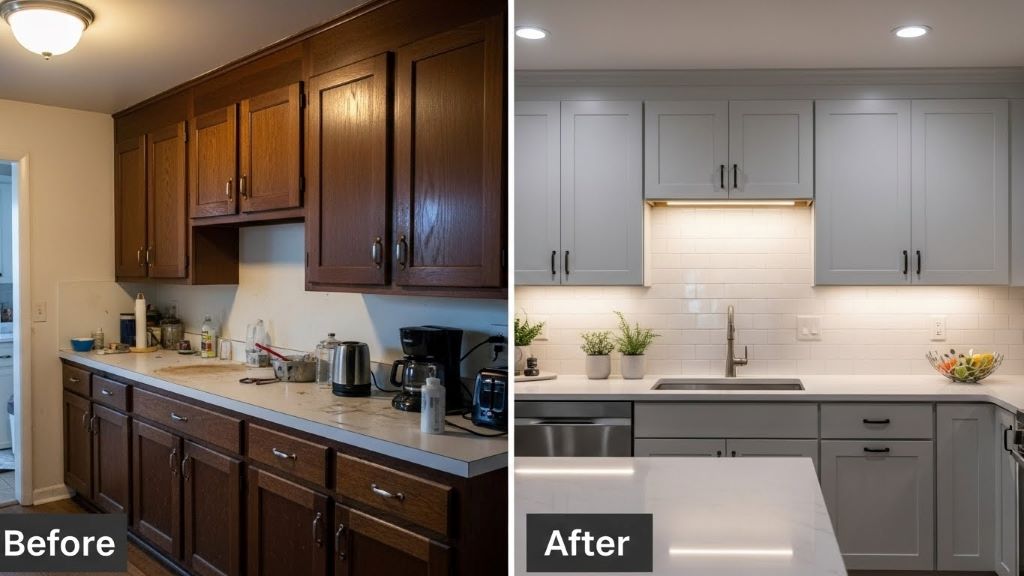
Painting cabinets ranks among the most dramatic yet affordable kitchen updates available. Quality cabinet paint and proper preparation techniques yield professional-looking results for a fraction of replacement costs. Choose colors that complement your home’s overall style while adding personality to your cooking space. Light colors make small kitchens feel more spacious, while bold hues create striking focal points.
Hardware replacement offers instant gratification with minimal investment. Swapping outdated cabinet pulls and drawer handles for contemporary options takes just an afternoon but modernizes your entire kitchen. Select finishes that coordinate with your faucets and light fixtures for a cohesive, intentional look.
Backsplash installation provides both practical protection and visual interest. Peel-and-stick tiles have revolutionized DIY backsplashes, making installation accessible even for beginners. Alternatively, traditional tile work remains achievable for motivated DIYers willing to learn proper techniques. The National Kitchen and Bath Association notes that backsplashes significantly influence overall kitchen aesthetics while protecting walls from moisture and stains.
Lighting upgrades transform kitchen functionality and ambiance. Replace dated fixtures with energy-efficient LED options that provide better illumination while reducing electricity costs. Under-cabinet lighting eliminates shadows on countertops, making food preparation safer and more enjoyable. Additionally, dimmer switches allow you to adjust lighting levels for different activities and times of day.
Maximizing Storage and Organization
Efficient storage solutions make kitchens more functional regardless of size. Begin by decluttering ruthlessly, removing items you rarely use or no longer need. Then, optimize existing storage with affordable organizational tools.
Pull-out shelves convert deep cabinets from black holes into accessible storage. Similarly, lazy Susans maximize corner cabinet utility. Drawer dividers keep utensils, cutlery, and gadgets organized rather than jumbled together. These improvements cost relatively little but dramatically enhance daily kitchen use.
Vertical space often goes underutilized in kitchens. Installing open shelving, pot racks, or magnetic knife strips frees up cabinet and counter space. Furthermore, these additions can serve as decorative elements when styled thoughtfully with attractive dishware and cooking tools.
Consider creating a coffee or beverage station in an underused corner. Dedicated zones for specific activities improve workflow efficiency. Similarly, establishing a meal prep area with cutting boards, knives, and mixing bowls within easy reach streamlines cooking processes.
Flooring and Surface Considerations
Kitchen floors endure tremendous wear from foot traffic, spills, and dropped items. Choosing durable, easy-to-clean materials ensures your makeover maintains its fresh appearance for years.
Luxury vinyl plank flooring has gained popularity for DIY installations due to its realistic wood appearance, waterproof properties, and simple click-together installation. It costs less than hardwood while offering superior moisture resistance crucial for kitchen environments.
Countertop replacement represents a significant expense, but alternatives exist. Countertop painting kits create faux stone or concrete finishes over existing laminate surfaces. While not as durable as genuine stone, these treatments extend countertop life by several years at minimal cost. Butcher block countertops offer another budget-friendly option with warm, natural aesthetics that complement various design styles.
Incorporating Personal Style
Your kitchen should reflect your personality and lifestyle rather than following trends blindly. Select colors, textures, and accessories that resonate with you personally.
Open shelving displays favorite dishes, cookbooks, or collected items that tell your story. Plants bring life and color to kitchen spaces while improving air quality. Fresh herbs in windowsill pots serve both decorative and culinary purposes.
Artwork and decorative elements humanize kitchen spaces often dominated by appliances and storage. However, choose pieces suitable for humid, high-traffic environments. Framed prints behind glass or canvas pieces protected with sealant withstand kitchen conditions better than delicate paper works.
Maintaining Your Newly Renovated Kitchen
Once your DIY makeover completes, establishing maintenance routines preserves your hard work. Regular cleaning prevents buildup that damages surfaces over time. Wipe down cabinets weekly, clean appliances monthly, and deep clean quarterly.
Touch up paint chips promptly before they expand. Tighten loose hardware as soon as you notice wobbling. These small preventive measures extend your renovation’s lifespan significantly.
Document your renovation with before and after photos. These images serve multiple purposes: they showcase your accomplishment, provide reference for future projects, and potentially increase home value by demonstrating improvements to prospective buyers.
Conclusion
DIY kitchen makeovers empower homeowners to create personalized, functional spaces without professional contractor costs. By combining practical improvements like soundproofing with aesthetic updates such as fresh paint and new hardware, you can transform your kitchen into a space that serves your family’s needs while reflecting your personal style. Remember that successful renovations require careful planning, realistic budgeting, and patience throughout the process. Whether you tackle everything at once or spread improvements across several months, each completed project brings you closer to the kitchen of your dreams. Most importantly, don’t let perfection paralyze progress. Even small changes accumulate into significant transformations over time.
Frequently Asked Questions
How much does a typical DIY kitchen makeover cost?
DIY kitchen makeovers typically range from $1,000 to $5,000 depending on the scope of work and materials selected. Painting cabinets, updating hardware, and installing a new backsplash represent the lower end, while adding new countertops, flooring, and appliances increases costs significantly. However, DIY projects generally cost 40-60% less than hiring professional contractors for the same work.
Can I soundproof my open concept kitchen without major construction?
Yes, several effective soundproofing methods require no construction. Adding area rugs, curtains, and upholstered furniture absorbs sound. Installing cabinet door bumpers, choosing quieter appliances, and adding acoustic panels in strategic locations all reduce noise without structural changes. These modifications work together to significantly decrease sound transmission throughout open floor plans.
What kitchen updates provide the best return on investment?
Cabinet painting or refacing, hardware replacement, and modern lighting fixtures offer excellent returns relative to their cost. Minor kitchen remodels typically recoup 70-80% of their cost at resale. However, focus on improvements you’ll enjoy daily rather than purely investment considerations, especially if you plan to stay in your home long-term.
How long does a DIY kitchen makeover typically take?
Timeline varies based on project scope and your available time. A simple cosmetic refresh with painting and new hardware might take one weekend. Comprehensive makeovers including flooring, countertops, and multiple elements often require 4-8 weekends spread across 2-3 months. Working in phases allows you to maintain kitchen functionality throughout the process.
Do I need special skills or tools for a DIY kitchen renovation?
Most kitchen makeover projects require only basic DIY skills and common tools. Cabinet painting needs patience and proper preparation rather than advanced techniques. Peel-and-stick backsplashes install with no special tools. However, certain tasks like electrical work or plumbing modifications may require professional assistance for safety and code compliance. Start with simpler projects to build confidence before attempting more complex installations.
Related Topics:
Choosing the Right Carpet for Apartment: A Buyer’s Guide
DIY Waterproof Glue: The Ultimate Guide