
Why Reef Tanks Turn White in Los Angeles, CA
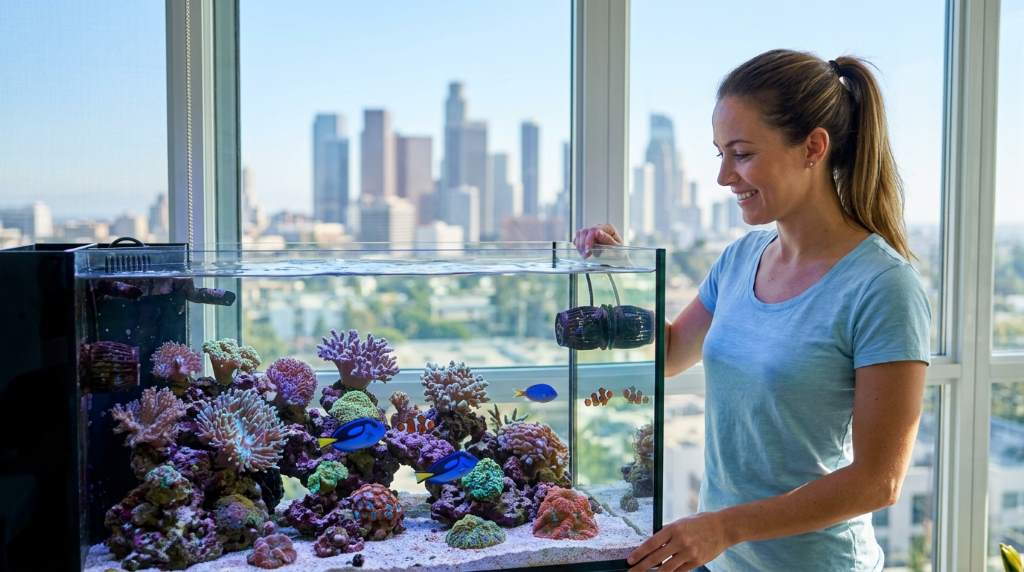
Reef tanks usually turn white because of bacterial blooms, calcium precipitation, microbubbles, or suspended particles. In Los Angeles, local water conditions, seasonal temperature swings, and maintenance mistakes often increase the risk. Understanding the exact cause helps restore water clarity faster and prevents recurring problems.
Many reef hobbyists experience cloudy or white aquarium water at least once during ownership. Studies from aquarium industry surveys suggest that water clarity issues rank among the most common reef tank complaints. If you recently changed substrate, learning how to fix cloudy water after adding sand can help address one frequent cause. However, several other factors may also turn a reef tank white.
Understanding What White Water Really Means
White water does not always indicate the same problem. Therefore, identifying the appearance of the cloudiness matters before taking action.
Some tanks appear milky and opaque throughout the aquarium. Others show a light haze that develops gradually over several days.
Additionally, the source may be biological, chemical, or mechanical. Each category requires a different solution for lasting results.
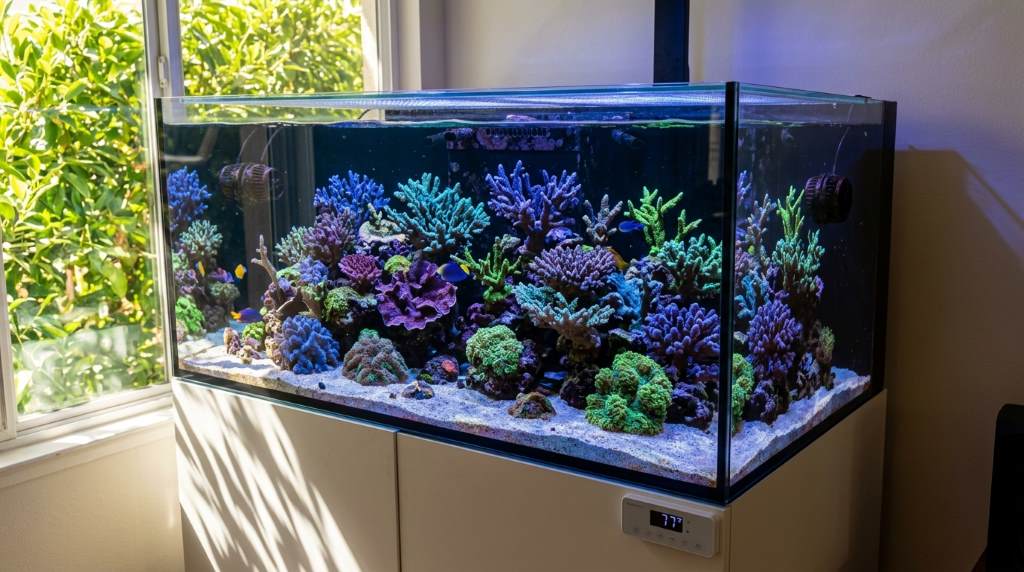
Common Causes of White Reef Tanks
Many reef keepers focus only on filtration issues. However, water chemistry often creates the larger problem.
Tank design also plays a role. Hobbyists exploring a stunning aquarium landscape guide sometimes disturb substrate layers during setup, creating temporary white water conditions.
Bacterial Blooms
Bacterial blooms remain one of the most common reasons reef tanks turn white. They often appear shortly after adding livestock, food, or biological supplements.
When bacterial populations expand rapidly, millions of microscopic organisms remain suspended in the water. As a result, the aquarium develops a milky appearance.
New tanks face this issue more frequently. Nevertheless, mature systems can experience blooms after sudden nutrient increases.
Calcium Precipitation
Calcium precipitation occurs when alkalinity and calcium levels become unbalanced. Consequently, excess minerals form tiny particles throughout the aquarium.
The water may appear bright white rather than gray. Corals can also show stress if chemistry swings dramatically.
Improper dosing practices often trigger this reaction. Therefore, reef keepers should always verify measurements before adding supplements.
Substrate Disturbance
Fine sand particles can remain suspended for hours or even days. This situation commonly happens after tank setup or deep cleaning.
Powerheads and return pumps may keep particles circulating continuously. As a result, the aquarium appears cloudy despite functioning equipment.
Microbubble Accumulation
Tiny air bubbles sometimes resemble cloudy water from a distance. However, close inspection usually reveals countless floating bubbles.
Protein skimmers, return pumps, and plumbing leaks often create this effect. Fortunately, correcting equipment issues usually resolves the problem quickly.
Why Los Angeles Reef Tanks Face Unique Challenges
Los Angeles reef aquariums experience environmental influences that differ from many regions. Consequently, local conditions can contribute to water clarity issues.
Many hobbyists start with purified water. Yet some aquarists occasionally rely on untreated sources that introduce unwanted minerals.
Those researching how to choose floating plants for freshwater systems may not realize reef aquariums demand much tighter water chemistry control.
Hard Water Conditions
Southern California water frequently contains elevated mineral content. Therefore, untreated water can complicate reef maintenance.
High dissolved solids increase the chance of chemical imbalances. Consequently, precipitation events become more likely.
Temperature Fluctuations
Seasonal heat can influence aquarium stability. Moreover, rapid temperature changes sometimes stress beneficial bacteria.
When biological systems become unstable, bacterial blooms may develop. Water clarity often declines shortly afterward.
Urban Airborne Contaminants
Aquariums located near open windows may encounter airborne pollutants. Although uncommon, contaminants can affect water chemistry.
Reef tanks depend on stability. Therefore, even minor environmental changes sometimes trigger unexpected reactions.
How to Diagnose the Exact Cause
Correct diagnosis saves time and prevents unnecessary treatments. Therefore, observation should always come before intervention.
Beginners using a start saltwater aquarium starter kit often benefit from systematic troubleshooting rather than immediate chemical adjustments.
Check Water Parameters
Test core parameters before making changes. Accurate numbers reveal many hidden problems.
- Calcium
- Alkalinity
- Magnesium
- Ammonia
- Nitrite
- Nitrate
- Phosphate
- pH
Unexpected readings frequently identify the root cause. Therefore, reliable testing equipment remains essential.
Observe Water Appearance
Milky water often suggests bacterial activity. Bright white particles usually indicate mineral precipitation.
Meanwhile, visible bubbles point toward equipment issues. Careful observation narrows the possibilities significantly.
Review Recent Changes
Think about recent maintenance activities. Many white water events occur after a specific change.
- Added new livestock
- Changed substrate
- Adjusted dosing schedules
- Installed equipment
- Performed deep cleaning
Recent actions frequently provide valuable clues. Therefore, keeping maintenance records helps future troubleshooting.
How to Fix a White Reef Tank
Solutions depend entirely on the underlying cause. Applying random treatments may worsen the situation.
For Bacterial Blooms
Reduce feeding temporarily and improve oxygen exchange. Additionally, avoid adding unnecessary supplements.
A properly sized UV sterilizer can help reduce suspended bacteria. Water clarity often improves within several days.
For Calcium Precipitation
Stop dosing immediately until test results stabilize. Then adjust supplementation using verified measurements.
Never add large chemical doses rapidly. Instead, make gradual corrections over time.
For Sand Clouding
Allow filtration systems to remove particles naturally. Fine filter socks can accelerate the clearing process.
Avoid stirring the substrate repeatedly. Otherwise, particles continue circulating through the aquarium.
For Microbubbles
Inspect plumbing connections carefully. Small leaks often introduce air into the system.
Check protein skimmer settings as well. Proper adjustment usually eliminates excess bubbles.
Prevention Strategies That Actually Work
Preventing white water remains easier than correcting it. Therefore, consistency should guide every maintenance routine.
Stable reef tanks rarely experience severe cloudiness. Small habits often create the biggest long term benefits.
- Use high quality RO/DI water
- Test parameters regularly
- Dose supplements carefully
- Avoid overfeeding livestock
- Maintain filtration equipment
- Record maintenance activities
- Perform gradual changes
These practices support biological stability and chemical balance. Consequently, water remains clearer and healthier.
When White Water Signals a Serious Problem
Most cloudy water issues are temporary. However, some situations require immediate attention.
Fish gasping at the surface may indicate oxygen depletion. Likewise, coral stress can suggest chemistry problems.
If livestock shows distress, test water immediately. Quick action often prevents larger losses.
Final Thoughts
Reef tanks in Los Angeles turn white most commonly because of bacterial blooms, calcium precipitation, disturbed substrate, or microbubbles. Local water conditions and maintenance practices often influence how frequently these issues occur.
Focus on accurate testing, patient troubleshooting, and stable aquarium management. By identifying the true cause quickly, you can restore crystal clear water and maintain a healthier reef system for years. Start reviewing your water parameters today and address small issues before they become major problems.
FAQ
Why does my reef tank suddenly look milky white?
A bacterial bloom is usually the most common cause of sudden milky white water.
Can calcium supplements make aquarium water white?
Yes, excessive dosing can cause calcium precipitation that creates white cloudy water.
How long does cloudy reef water usually last?
Most cases clear within several hours to a few days after correcting the cause.
Should I perform a water change immediately?
A water change may help, but first identify the exact reason for the cloudiness.
Can fish survive during a bacterial bloom?
Yes, although severe blooms may reduce oxygen levels and stress livestock.