Why Skincare Routines Are Becoming More Ingredient-Conscious
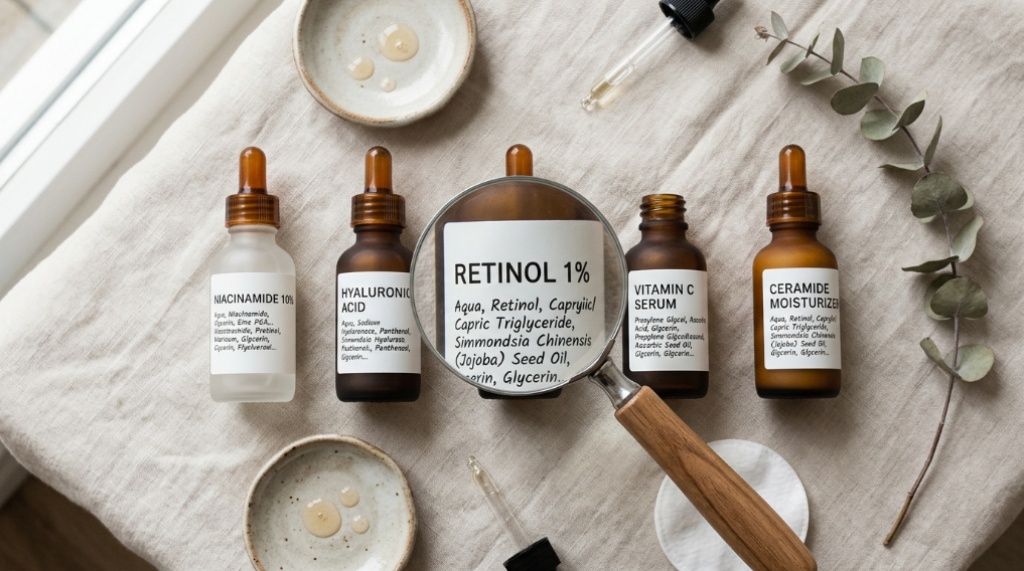
Walk through Midtown in July and your skin faces humidity, pollution, and aggressive air conditioning before lunch. By January, the same commute delivers dry indoor heat and biting wind. City skin rarely gets a stable environment, which is exactly why so many people have stopped buying products by brand name and started reading ingredient lists instead. The shift toward ingredient-conscious routines is practical, not trendy: the same formula that rescues your skin in one season can irritate it in another. That is why choosing the right glycolic acid concentration for city weather has become a genuine decision point rather than a one-size-fits-all purchase, and it is a useful example of how weather, pollution, and formulation strength interact.
Quick Answer
For most city dwellers, a glycolic acid concentration between 5% and 10% works best year-round. Choose the lower end (5–7%) during hot, humid, high-pollution months or if you have sensitive or dry skin. Move toward 8–10% in cooler months when skin is oilier or more resilient. Anything above 10% is best used sparingly, at night, and only with consistent sunscreen use. Frequency matters more than strength: two to three nights a week usually beats daily use of a stronger formula.
Key Takeaways
- Concentration and frequency are separate levers — you can often get better results by lowering strength and keeping consistency than by using a strong formula occasionally.
- Humidity, pollution, and indoor heating all change how your skin tolerates exfoliating acids, so the same product may feel fine in October and harsh in February.
- Glycolic acid is the smallest alpha-hydroxy acid, which is why it penetrates quickly — and why overuse shows up fast as stinging, redness, or flaking.
- A 5–10% range covers most people; higher percentages are not automatically more effective and carry more risk of barrier damage.
- Sunscreen is not optional when using glycolic acid, especially in cities where UV reflects off glass and concrete.
Why Ingredient-Conscious Routines Are Replacing Product Loyalty
For years, skincare marketing centered on promises: brighter skin, smaller pores, fewer fine lines. Ingredient-conscious buyers flipped the question. Instead of asking what a product claims to do, they ask what is inside it, at what percentage, at what pH, and whether the rest of the formula supports or undermines that active.
Three forces drove this change. First, information became accessible — ingredient databases, dermatology content, and community reviews made it easy to compare formulations. Second, product overload created fatigue; people with ten-step routines often saw worse skin than people with three steps, which pushed them to identify what was actually doing the work. Third, environmental stress became harder to ignore. Pollution, seasonal swings, and indoor climate control all affect the skin barrier, and generic “gentle” products stopped being enough.
The result is a more analytical approach: fewer products, better chosen, with concentrations matched to real conditions rather than to marketing tiers.
What Glycolic Acid Actually Does — and Why Concentration Matters

Glycolic acid is an alpha-hydroxy acid (AHA) derived from sugar cane. Its molecule is small enough to penetrate the upper layers of skin, where it loosens the bonds holding dead cells together. That exfoliation improves texture, helps fade surface discoloration, and can make subsequent products absorb more evenly.
Concentration determines how aggressively that happens:
- Under 5%: Mild. Often found in daily toners and cleansers. Good for beginners or reactive skin, but results build slowly.
- 5–10%: The practical middle ground. Effective for texture and dullness with manageable irritation risk when used a few times per week.
- 10–20%: Stronger exfoliation. Better suited to resilient, oily, or congested skin, and usually best limited to a few nights weekly.
- Above 20%: Professional peel territory. Not appropriate for unsupervised at-home use.
pH matters alongside percentage. Glycolic acid needs a sufficiently acidic environment to exfoliate effectively; a formula with a high percentage but a poorly buffered pH may underperform while still irritating skin. Free acid value — the amount of acid actually available to act — is the more accurate measure, though it is rarely printed on labels.
How City Weather Changes the Equation
Skin does not respond to glycolic acid in isolation. It responds to glycolic acid plus whatever the environment is doing to the barrier that day.
Summer: humidity, sweat, and pollution
Hot, humid air increases oil production and sweat, which can make skin feel congested. It also increases how quickly products absorb, so a concentration that felt comfortable in spring may sting in July. Urban pollution adds particulate matter that can contribute to dullness and clogged pores, which is one reason exfoliation feels more necessary in summer — and one reason people overdo it.
In this environment, a 5–7% glycolic acid toner used two nights a week is usually enough. Pair it with a lightweight moisturizer rather than skipping hydration; dehydrated skin in humid weather still needs barrier support.
Winter: dry air, indoor heat, and wind
Cold outdoor air holds less moisture, and indoor heating pulls more from the skin. The barrier is already under strain, so the same 10% formula that worked in August can cause stinging and flaking by December. This is the season to either drop concentration, reduce frequency, or pause glycolic acid entirely and focus on ceramides, humectants, and occlusives.
Shoulder seasons: the adjustment period
Spring and autumn are when most irritation happens, because people keep using summer or winter routines past the point where their skin has changed. A simple rule: if your skin starts stinging during application, step down one concentration tier or reduce to once a week before deciding the ingredient does not work for you.
Choosing a Concentration: A Practical Decision Guide
| Skin situation | Suggested concentration | Typical frequency |
|---|---|---|
| Beginner, sensitive, or dry skin | 5% or lower | Once or twice weekly |
| Normal skin, humid or polluted city | 5–7% | Two nights weekly |
| Oily or congestion-prone skin, cooler months | 8–10% | Two to three nights weekly |
| Resilient skin already accustomed to AHAs | 10% | Up to three nights weekly, monitored |
| Compromised barrier, active irritation, or post-procedure | Pause glycolic acid | Resume at low strength once healed |
These are starting points, not prescriptions. Skin tolerance varies widely, and the honest answer is that the correct concentration is the highest one you can use consistently without irritation — which for many people is lower than they expect, To learn more about protecting your active skincare formulations, check out our guide on how to avoid peptide inactivation after estriol.
Common Mistakes That Undo the Benefits
- Stacking acids. Using glycolic acid alongside salicylic, lactic, or ascorbic acid in the same routine multiplies irritation without multiplying results.
- Increasing strength instead of consistency. A 5% toner used twice weekly for two months typically outperforms a 15% product used sporadically.
- Skipping sunscreen. AHAs increase photosensitivity. In cities, UV reflects off buildings and pavement, so incidental exposure adds up.
- Applying to damp skin. Wet skin absorbs acids faster and more unpredictably. Pat dry first.
- Ignoring the rest of the formula. Alcohol-heavy toners, added fragrance, and essential oils can cause irritation that gets blamed on glycolic acid itself.
- Judging too early. Texture and tone changes take several weeks. Irritation, by contrast, shows up within days — and is the signal that matters most.
When Glycolic Acid Is the Wrong Choice
Glycolic acid is not universally suitable. People with eczema, rosacea, active breakouts with open lesions, or a recently compromised barrier may do better with gentler alternatives such as lactic acid, mandelic acid, or polyhydroxy acids (PHAs), which have larger molecules and penetrate more slowly. Those with darker skin tones should be particularly cautious about over-exfoliation, since inflammation can contribute to post-inflammatory hyperpigmentation.
If you are using prescription retinoids, benzoyl peroxide, or undergoing dermatologic treatment, introduce any AHA only with professional guidance. Combining actives without a plan is one of the most common routes to a damaged barrier.
Frequently Asked Questions
Can I use glycolic acid every day?
Some people can tolerate daily use of a low-concentration formula, but most see better results with two to three applications per week. Daily use of higher concentrations increases the risk of barrier damage, persistent redness, and increased sensitivity without proportional benefit.
Does glycolic acid concentration matter more than pH?
Both matter, and they interact. A 10% formula at an effective pH will exfoliate more than the same percentage at a poorly buffered pH. Since free acid value is rarely disclosed, judge products by how your skin responds rather than by percentage alone.
Should I change my glycolic acid product between summer and winter?
Often, yes. Many people find that dropping from 10% to 5% in winter, or reducing frequency, prevents the dryness and stinging that cold weather and indoor heating trigger. You can return to your usual strength once humidity rises again.
What should I do if glycolic acid stings?
Stop using it immediately. Stinging during application usually indicates a compromised barrier or too high a concentration. Pause all exfoliating acids, focus on gentle cleansing and barrier-repair moisturizers, and restart at a lower strength once skin feels normal for at least a week.
Can glycolic acid help with pollution-related dullness?
It can help by removing the buildup of dead cells that contributes to a dull appearance, but it does not neutralize pollution. A routine that includes antioxidants and thorough but gentle cleansing addresses pollution more directly; glycolic acid supports that routine rather than replacing it.
Is a higher percentage always more effective?
No. Effectiveness depends on consistent use over time, and higher concentrations raise irritation risk. For most people, a mid-range concentration used regularly produces better long-term results than a strong formula used occasionally or abandoned due to irritation.
Conclusion
The ingredient-conscious shift in skincare is really a shift toward matching products to conditions. Glycolic acid works well when its strength and frequency fit your skin, your climate, and the season — and works against you when they do not. Start at 5%, use it two nights a week, and adjust based on how your skin responds rather than on what the label implies. If irritation appears, step down before stepping up. That single habit prevents most of the problems people attribute to the ingredient itself.