Common Apple Tree Diseases and How to Spot Them Early
A practical guide to the most common apple tree diseases and how to catch them early, with simple inspection habits, pruning tips, and mistakes to avoid.
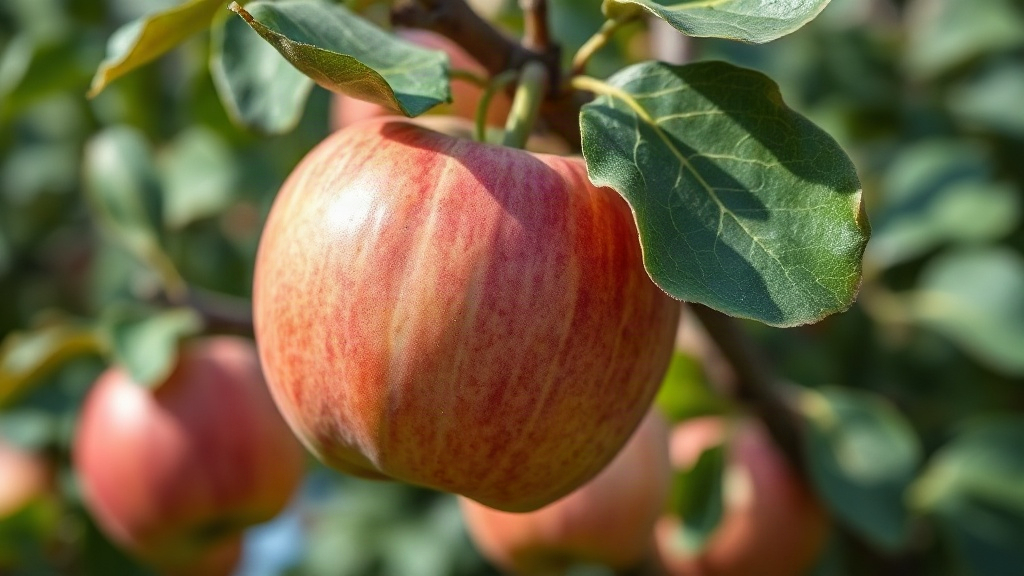
A handful of spotted leaves in July can mean a spoiled harvest in September, which is why common apple tree diseases and how to catch them early are the two things worth learning first. You planted an apple tree, waited a few seasons, and now the leaves look wrong or the fruit is blemished. The good news is that most problems announce themselves weeks before real damage sets in. A little regular inspection, paired with the BeGardenly Gardening Blog habit of checking trees often, turns guesswork into a clear diagnosis.
Quick answer: Learn the four or five diseases that cause most apple problems, then walk your tree weekly from bud break to harvest to catch the first symptoms. Look at leaves, bark, shoots and fruit in that order. Early spotting lets you prune, clean up, or treat before infection spreads, which is far easier than rescuing a tree mid-season.
What is common apple tree diseases and how?
Apple trees carry a small group of recurring diseases that share similar conditions. Most are fungal, and most thrive in wet, humid springs and crowded canopies. Learning these few problems well beats trying to memorize dozens you will never see.
Here are the ones worth knowing first.
Apple scab
Scab is the most widespread apple disease. It shows up as olive-green to dark brown velvety spots on leaves, often along the veins. Infected leaves may yellow and drop early. On fruit, scab forms dark, rough scabby patches that crack as the apple grows. It spreads by spores released during cool, wet spring weather.
Powdery mildew
Look for a white, powdery coating on new shoots and young leaves. Mildew stunted growth and causes leaves to curl or twist. It often appears as a patchy white dusting on the youngest, most tender growth at the tips.
Fire blight
This bacterial disease turns shoot tips black or brown as if scorched by fire, giving the disease its name. Affected shoots bend into a hook shape and look wilted. Fire blight moves fast in warm, humid weather and can be serious, so confirm the diagnosis before acting.
Cedar apple rust and other rusts
Rusts produce bright orange to yellow spots on the upper leaf surface and small spore clusters underneath. They need a second host plant, often a cedar or juniper, to complete their life cycle. You may notice this more in yards with nearby evergreens.
Canker and rot
The bark tells its own story. Sunken, discolored patches on limbs can signal canker, while soft brown fruit rot that spreads in storage points to several rot fungi. Cankers are often the slowest problem to spot because they hide on wood rather than leaves.
[!INSIGHT] Most apple troubles are fungal and weather-driven, and they share one trigger: prolonged leaf wetness. Knowing this helps you recognize risk before symptoms show.
Takeaway: watch leaves, new shoots, bark and fruit separately, because each disease announces itself in a different place.
Why common apple tree diseases and how matters
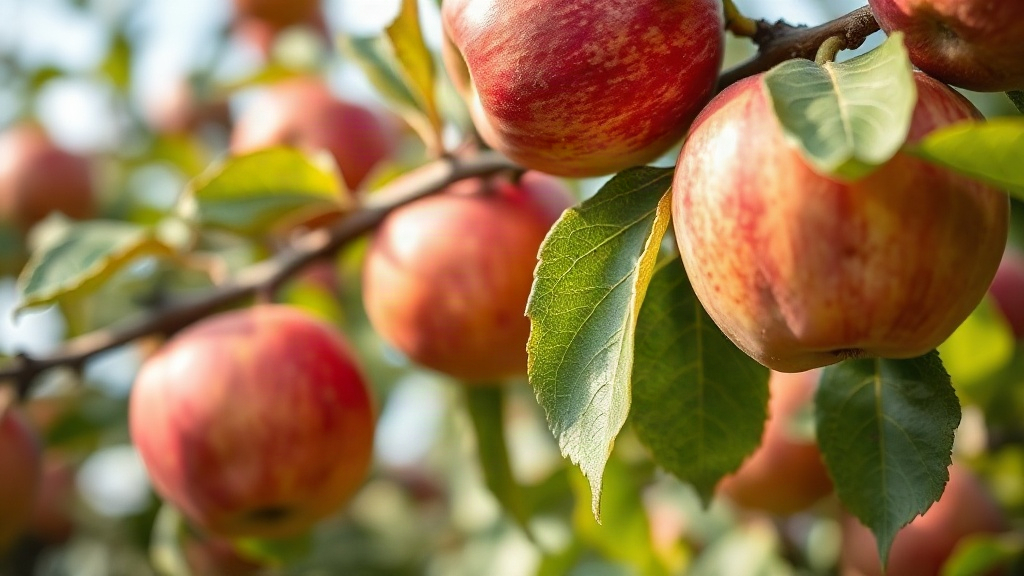
Learning to recognize trouble early pays off across the whole season, not just at harvest. Small interventions cost far less time and effort than large ones. A bit of knowledge goes a long way here.
Consider what early spotting actually buys you:
- Smaller treatment zones. Removing one infected shoot beats removing a limb later.
- Better fruit quality. Scab and rot spread fast; catching spots early protects more of the crop.
- Preserved tree health. Repeated defoliation weakens a tree over several seasons.
- Lower input costs. Fewer sprays and less fungicide go further when you act before problems explode.
Age and history matter too. Older trees with dense, overgrown canopies hold moisture longer, and they often have a history of the same diseases year after year. If you are unsure how established your tree is, understanding apple tree age can guide how aggressively you prune. A young, open tree is easier to manage than a crowded mature one.
There is a trade-off to acknowledge. Some early treatments require patience and repeat visits, and not every spot means serious trouble. A few minor cosmetic blemishes on leaves are common and rarely threaten the crop. The goal is not a spotless tree but a healthy one that ripens fruit you can actually eat.
Takeaway: early detection is mainly a habit, and the time you spend inspecting weekly is the time you save treating later.
Best practices
Good habits prevent more disease than any single product. Start with the basics that keep a canopy dry and the air moving.
Build inspection into your week
Walk the tree once a week from bud break through harvest. Check the shady inner canopy first, since trouble hides there. Ten minutes weekly, from spring to fall, is typically enough to spot changes. Keep a simple note of what you see and when.
Prune for airflow and light
A crowded tree stays wet longer. Thin out crossing and inward-growing branches to open the center. Aim for branches spaced along the trunk rather than clustered at one point. Better airflow helps every fungal problem listed above.
Manage leaf litter and fallen fruit
Fungal spores overwinter in fallen leaves and mummified fruit. Rake and remove debris in late fall, and pick up dropped fruit during the season. This reduces the spore supply returning in spring.
Water at the base, not overhead
Wet foliage invites infection. Water the soil around the root zone and let leaves stay dry. Watering in the morning also gives any moisture time to evaporate.
Choose disease-resistant varieties when planting
If you are starting fresh, look for varieties listed as resistant to scab or rust. This single choice reduces pressure for years. For established trees, focus on the habits above.
[!TIP] Photograph symptoms in good light and note the date. Comparing photos over weeks tells you whether a problem is spreading or stalling.
Takeaway: the best practices are mostly free, and consistency in pruning, cleanup and watering prevents more disease than reacting later.
Common mistakes to avoid
Even careful gardeners slip into a few predictable errors. Recognizing them now saves a season of frustration.
- Treating before diagnosing. A spray aimed at the wrong disease wastes money and may harm beneficial insects. Confirm what you are dealing with first.
- Ignoring the inner canopy. Symptoms often start where air is still and leaves stay wet. Look inside the tree, not just at the outside.
- Leaving fallen leaves and fruit. This is the most common reason scab and rot return each spring. Cleanup interrupts the cycle at its source.
- Over-pruning in one session. Removing too much in a single year stresses the tree and invites sunburn on exposed bark. Spread major pruning over two seasons.
- Spraying during bloom. Avoiding sprays when flowers are open protects pollinating bees. Time treatments around bloom, not through it.
- Assuming resistance means immunity. Resistant varieties get less disease, not none. Keep inspecting.
- Misreading bark damage. Sunscald, winter injury and canker can look similar. Watch how a patch changes over weeks before acting.
[!WARNING] If you suspect fire blight, do not scatter clippings around the yard. Prune well below the affected area and dispose of the material away from the tree.
A final mistake is quitting after one bad year. Many diseases vary with weather, so a wet spring may worsen symptoms while a dry one brings relief. Persistence across seasons is what keeps a tree healthy.
Takeaway: avoid guessing, clean up thoroughly, and space out major pruning so the tree recovers between cuts.
FAQ
How often should I check my apple tree for disease?
Once a week from bud break through harvest is a practical rhythm. Focus on new growth and the inner canopy, where infections usually begin. In wet springs, check twice a week.
Can I treat apple tree diseases without chemicals?
Yes, for many common problems. Pruning, cleaning up debris, improving airflow and watering at the base reduce disease pressure without sprays. Chemical control becomes more useful for severe or recurring cases.
What time of year are apple tree diseases most active?
Most fungal diseases peak in wet, mild spring weather when new growth is tender. Fire blight favors warm, humid spells. Late-season rots build as fruit ripens and stays wet.
How do I tell rust from scab on leaves?
Rust spots are bright orange to yellow and often have powdery spore clusters underneath. Scab spots are darker, olive to brown, and velvety. The color difference is the quickest clue.
Does a few spots mean I should remove the tree?
No. Minor spotting is common and rarely justifies removal. Act on spreading symptoms and repeated fruit loss, and consult a local extension service for serious cases like fire blight.
Conclusion
Spotting common apple tree diseases and how they develop early comes down to a few steady habits. Learn the main culprits, inspect weekly, keep the canopy open, and clean up fallen debris. These simple steps prevent most problems from becoming severe. This week, walk your tree slowly, photograph anything unusual, and note the date; then repeat the inspection each week through the season. Your careful attention now is what earns a healthier tree and cleaner fruit at harvest.