
Mixing Metals in Your Outfit: Gold vs Silver Accessories
A practical guide to mixing metals in your outfit, covering gold versus silver accessories, simple balancing rules, and common mistakes to avoid.
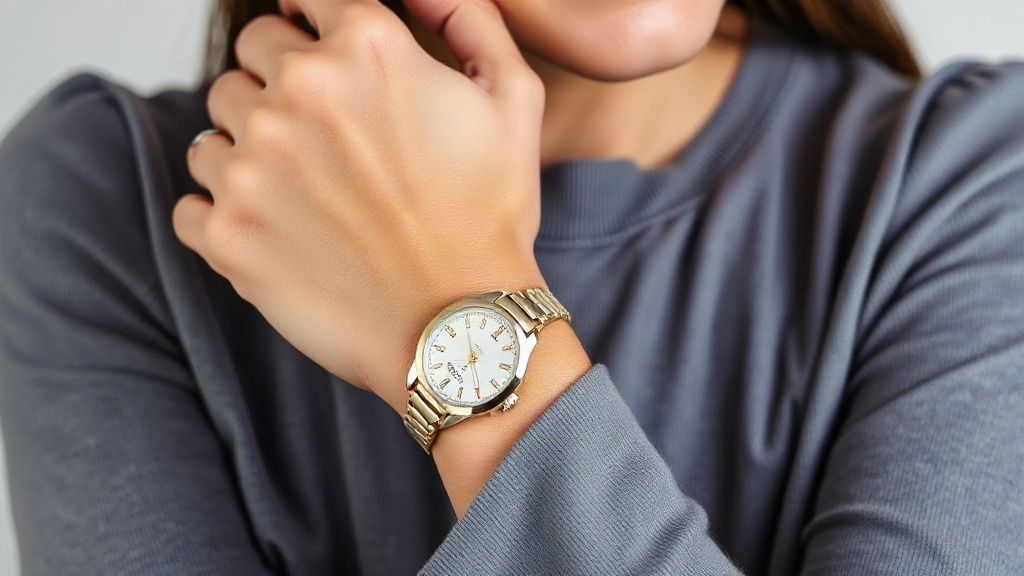
Mixing metals once felt like a fashion rule you could break only at your peril, yet the old “match your jewelry” advice is fading fast. If you have ever stood before a mirror holding a gold necklace and a silver watch, wondering whether they belong together, you are asking a question stylists answer every day. The short version: gold and silver can share an outfit beautifully when you choose a clear approach rather than leaving it to chance. Readers who enjoy practical styling ideas often turn to girlydaily.com for everyday outfit inspiration, and this guide follows the same practical spirit.
Quick answer: Mixing metals works best when you pick one dominant tone and let the other play a supporting role. Balance the two near your face, repeat each metal at least twice, and anchor the look with a neutral outfit color. Done with intention, the combination looks deliberate rather than accidental.
What is mixing metals?
Mixing metals means wearing gold, silver, and sometimes rose gold or bronze pieces in the same outfit at the same time. That can be a gold ring beside a silver bracelet, a two-tone watch, or a necklace that combines both finishes in one design. The term covers jewelry, buckles, buttons, zippers, bag hardware, and even shoe details.
The concept is looser than it sounds. A single piece with mixed elements, such as a chain with alternating gold and silver links, counts as mixing metals. So does a full outfit where your earrings are gold and your belt buckle is silver.
Where metal tones show up in an outfit
Most people think of jewelry first, but metal appears in more places than they realize:
- Jewelry: rings, necklaces, earrings, bracelets, and watch cases
- Hardware: bag clasps, zippers, snaps, and decorative studs
- Buckles and buttons: belt buckles, shoe buckles, and jacket buttons
- Glasses and hair accessories: frame rims, hairpins, and clips
- Watch straps and bands: metal links versus leather with metal fittings
A gold necklace against a silver zipper is a mix, even if you never planned it. That is why the topic deserves a little thought rather than a passing glance.
Why gold and silver read differently
Gold tends to feel warm, rich, and slightly formal. Silver reads cool, crisp, and modern. Those associations are cultural rather than fixed rules, and they shift with styling. On many skin tones, one metal appears to blend more naturally while the other stands out. Neither is better; they simply create different effects.
The undertone connection
Jewelry often looks most harmonious when it echoes your skin’s undertone. Warm undertones usually suit gold, while cool undertones often flatter silver. This is a useful starting point, not a restriction. Many people look excellent in both, especially when the metals are balanced deliberately.
Undertone advice helps you choose a default, but personal preference and the outfit’s colors matter just as much. Treat it as one input among several.
Takeaway: Mixing metals simply means combining gold and silver tones anywhere on your outfit, from earrings to zippers, and it works when the combination looks intentional.
Why mixing metals matters

The payoff is flexibility. A wardrobe with both gold and silver pieces gives you more outfit options from the same clothes. You can wear the same black dress with gold jewelry on Friday and silver on Saturday, and each version reads differently.
Mixing metals also solves a common practical problem. Many people inherit a gold ring, buy a silver watch, and receive rose-gold earrings as gifts. Insisting that everything match would mean leaving some pieces in a drawer. Blending them lets you wear what you own.
It makes getting dressed faster
When you stop treating metals as a strict either-or choice, decision fatigue drops. You reach for the earrings you love and build around them. The metal no longer dictates the plan; it becomes one detail among many.
It suits modern, layered styling
Layered necklaces, stacked rings, and charm bracelets all look more interesting when finishes vary. A stack of thin gold and silver bands catches light differently than a uniform set. The mix adds texture without adding bulk.
It helps hardware and jewelry coexist
Most outfits contain metal you did not choose as jewelry: a bag clasp, a zipper, a watch buckle. If you only wear gold, a silver zipper can feel like a clash. Embracing both tones turns those details into part of the composition instead of an annoyance.
If your bag’s hardware color bothers you, a small change can bring it in line with your jewelry. A DIY handbag makeover can shift silver fittings toward gold, which makes coordinating the rest of your accessories much simpler.
It reflects how people actually dress
Few wardrobes are perfectly coordinated. Engagement rings, heirloom pieces, and gifts rarely arrive in matching finishes. Mixing metals acknowledges that reality and turns it into a style choice rather than a compromise.
Takeaway: Mixing metals matters because it expands your outfit options, makes better use of what you already own, and lets jewelry and hardware work together instead of competing.
Best practices
A few simple habits make gold and silver look deliberate. You do not need new purchases to apply them; most rely on how you arrange what you already have.
Choose a dominant metal
Pick one tone to lead, covering roughly two-thirds of your visible metal. Let the other tone appear once or twice as an accent. A gold necklace, gold earrings, and a silver watch follow this ratio and look balanced.
Balance metals near your face
Your face is the focal point, so the metals around it deserve the most attention. If your earrings are silver and your necklace is gold, try to repeat each tone somewhere else. A silver ring and a gold bracelet can echo them and tie the look together.
Repeat each metal at least twice
A single silver element in an otherwise gold outfit can look like a mistake. Two or more repeats make it read as a choice. This is the simplest fix for almost any mixing problem.
Use a bridge piece
Two-tone jewelry connects gold and silver in one item. A watch with a mixed band, a ring with both finishes, or a necklace with alternating links gives the eye a natural transition between tones.
Match the metal to the outfit’s mood
Shiny gold suits warm colors and richer fabrics. Brushed silver suits cool colors and casual textures. This is not a hard rule, but it helps when you feel uncertain.
Let clothing stay neutral
Black, white, navy, gray, cream, and denim rarely fight with either metal. A neutral base lets the jewelry carry the contrast. Bold prints and bright colors can still work; just keep the metal mix simpler.
Takeaway: Lead with one metal, repeat the accent at least twice, and use a bridge piece when you want the transition to feel smooth.
Common mistakes to avoid
Most mixing problems come from a handful of habits. Fixing them costs nothing and improves the result immediately.
Making the split exactly even
A perfect 50/50 mix often looks unresolved. The eye wants a leader. Shift the ratio toward one metal and the outfit instantly feels calmer.
Ignoring hardware
Jewelry gets all the attention, but bag clasps, zippers, and belt buckles count too. Check them before you leave the house. A silver zipper under a gold necklace is fine when you know it is there and less fine when it surprises you.
Wearing one lonely accent
A single silver earring with an all-gold look can seem accidental. Pair it with something else in silver, even a small ring, and the balance returns.
Overloading on trend pieces
Stacking every bracelet you own in every finish creates visual noise. Choose a few pieces with clear spacing between them. Restraint makes the contrast readable.
Forgetting the outfit’s other colors
Warm earth tones and gold tend to sit well together. Cool pastels and silver often do the same. Neither pairing is mandatory, but checking the clothing colors first prevents clashes.
Treating the rules as absolute
Undertone guidance, metal ratios, and matching advice are tools, not laws. Someone with warm undertones can wear silver beautifully. Someone with cool undertones can wear gold. Confidence and consistency matter more than any single rule.
Indoor lighting can make gold look brassy and silver look dull. Step near a window before deciding whether a combination works.
Takeaway: Avoid even splits, scattered single accents, and ignored hardware; a clear dominant metal and a quick daylight check solve most issues.
FAQ
Can I wear gold and silver jewelry at the same time?
Yes. Choose one metal as the dominant tone and repeat the other at least twice. This keeps the combination from looking accidental.
Which metal should I wear if my skin has warm undertones?
Gold is the common starting point, but it is a preference rather than a requirement. Many people with warm undertones wear silver well, especially in cooler months or with cool-toned clothing.
Does my bag hardware need to match my jewelry?
No. Hardware and jewelry can differ, particularly when the metal mix is balanced elsewhere. If the mismatch bothers you, adjust the bag or repeat the other tone in a ring or bracelet.
Is rose gold part of mixing metals?
Yes. Rose gold sits between yellow gold and silver in warmth, which makes it a natural bridge between the two. It can lead an outfit or serve as the accent.
How many metal tones are too many?
Two tones usually look cleanest. Three can work when one clearly dominates and the others appear sparingly. Beyond that, the look tends to feel busy.
Does mixing metals work for formal events?
It does. Keep the dominant metal consistent across your main pieces, then let the second tone appear in one small detail. A silver clutch with gold earrings can look refined when the rest of the outfit is calm.
Conclusion
Mixing metals is less about strict rules and more about clear intent. Pick a leading tone, repeat the accent, watch your hardware, and check the result in daylight. Those habits cover most situations and cost nothing to apply.
Start with an outfit you already like. Add one piece in the opposite metal, repeat it somewhere small, and see how it feels. Adjust the ratio until the balance looks deliberate, then wear it with confidence.