How to Stop Office Chair Leaning in Seattle, WA
A leaning office chair can reduce comfort, affect posture, and lower daily productivity during long work sessions. Studies suggest that office employees spend nearly 6.5 hours sitting each workday, while poor seating posture increases musculoskeletal discomfort by over 50%. Therefore, learning how to stop office chair leaning in Seattle, WA helps improve comfort and workplace safety. Many chair problems have simple solutions, and this guide explains practical methods that anyone can follow. You can also explore this helpful office chair leaning fix resource when diagnosing common chair issues.
Understand Why an Office Chair Starts Leaning
Most leaning chairs develop problems because important components gradually wear down after regular daily use. Furthermore, identifying the exact cause saves both repair time and replacement costs.
The chair base, gas cylinder, tilt mechanism, or loose hardware often creates an uneven sitting position. While reviewing workplace equipment, improving your Microsoft Office skills also supports better productivity alongside an ergonomic workspace.
Common Causes
- Loose seat plate screws
- Damaged tilt mechanism
- Uneven caster wheels
- Bent chair base
- Faulty gas cylinder
- Worn seat support brackets
Inspect Every Chair Component Carefully
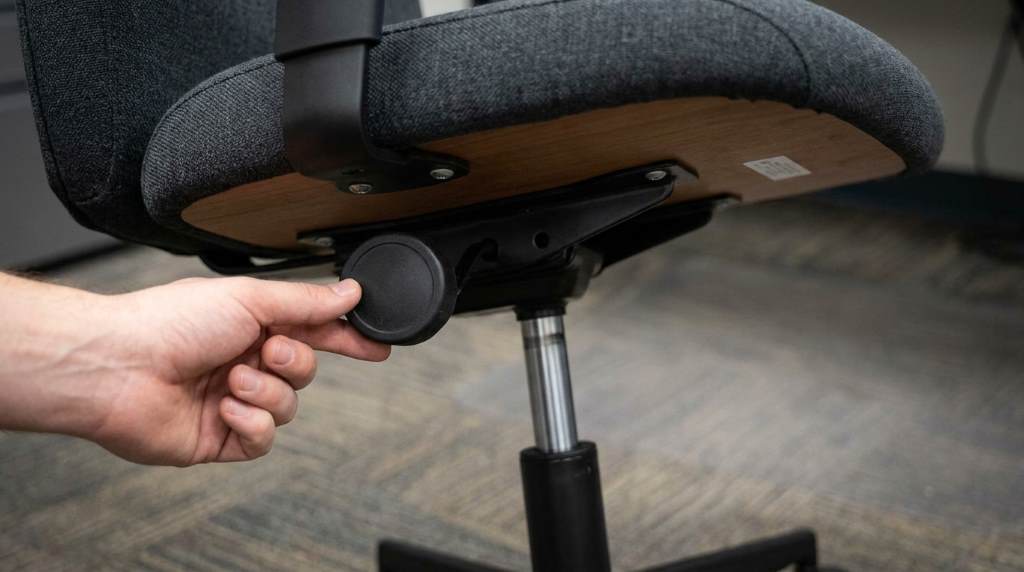
Begin your inspection by placing the chair on a flat surface with adequate lighting available. Next, slowly examine every visible component before tightening or replacing anything.
Check whether all screws remain securely fastened underneath the seat and around the backrest frame. Likewise, inspect every caster because damaged wheels frequently create an uneven sitting angle.
The gas cylinder should remain perfectly vertical without visible bending or wobbling during movement. Additionally, test the tilt tension knob because incorrect adjustment often creates unnecessary leaning.
Maintaining secure office equipment matters throughout every workplace, just like understanding proper office shredder security practices protects sensitive business information.
Tighten Loose Hardware Before Replacing Parts
Loose fasteners create many office chair problems, yet tightening them often restores proper balance immediately. Therefore, always inspect hardware before purchasing expensive replacement components.
Use the correct screwdriver or Allen wrench according to your chair manufacturer’s specifications. Afterwards, tighten every connection evenly without applying excessive force.
Pay close attention to the seat plate because it supports most body weight during daily use. Consequently, even slightly loose bolts may produce noticeable leaning over time.
Adjust the Tilt Mechanism Correctly
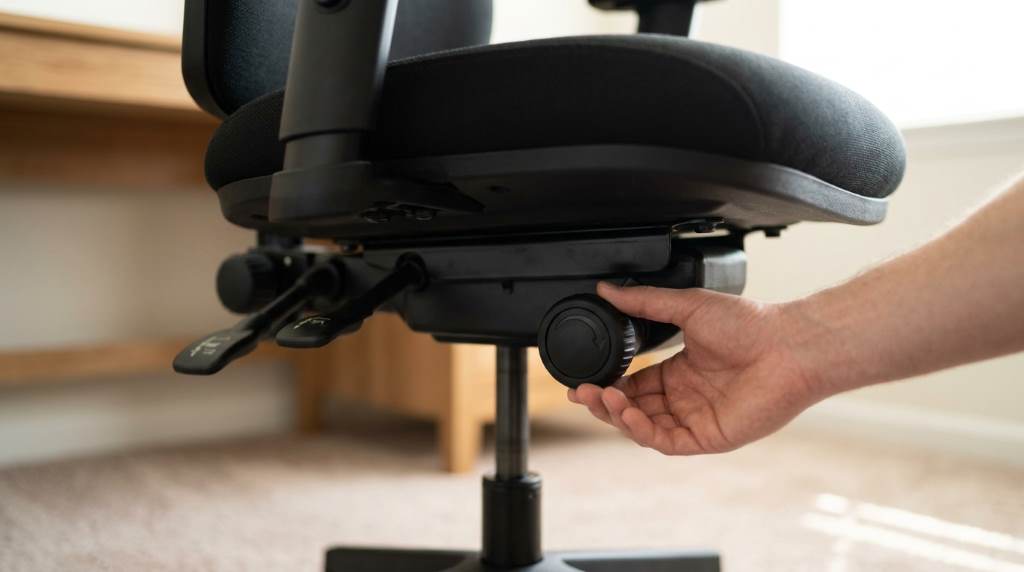
Many office chairs include adjustable tilt settings that influence overall seating balance and stability. Fortunately, correcting these settings usually requires only a few simple adjustments.
Turn the tension knob gradually while testing the chair after every small adjustment. Meanwhile, ensure the tilt lock fully engages before sitting down again.
Businesses creating productive workspaces often combine ergonomic furniture with a budget friendly office projector setup for efficient collaboration.
Signs the Tilt Mechanism Needs Replacement
- Chair tilts unevenly
- Lock no longer holds position
- Metal grinding sounds appear
- Visible cracks exist
- Seat shifts unexpectedly
Replace Worn Casters and the Chair Base
Uneven caster wheels often cause leaning despite every other component working correctly. Therefore, inspect each wheel carefully before replacing larger chair assemblies.
Remove every caster individually and examine the stems for bending or excessive wear. Afterwards, install matching replacement wheels recommended for your chair model.
If the chair base shows cracks or bends, replace it immediately instead of attempting repairs. A damaged base reduces stability and increases accident risks during everyday use.
Know When the Gas Cylinder Causes Leaning
The gas cylinder supports weight while controlling seat height throughout daily office activities. However, internal damage sometimes causes leaning instead of simple sinking.
Look for uneven movement while raising or lowering the chair several times during testing. Likewise, replace the cylinder if height adjustments become inconsistent or unstable.
Purchase compatible replacement cylinders from reputable suppliers to ensure proper fit and reliable performance. Quality components typically last much longer under regular workplace conditions.
Improve Chair Stability Through Proper Maintenance
Regular maintenance prevents small problems from becoming expensive repairs or complete chair replacements. Consequently, monthly inspections help extend furniture lifespan significantly.
Clean dust from caster wheels because accumulated debris restricts smooth movement across flooring surfaces. Additionally, tighten visible hardware every few months before looseness develops further.
Avoid exceeding the manufacturer’s weight limit because excessive pressure accelerates wear throughout the chair structure. Consistent care keeps seating comfortable and dependable for many years.
Prevent Future Office Chair Leaning Problems
Preventive maintenance always costs less than replacing damaged office furniture unexpectedly. Therefore, establish simple inspection habits that require only a few minutes monthly.
Rotate the chair occasionally if one side receives heavier daily use than another. Moreover, place the chair only on level flooring to reduce uneven pressure.
Helpful Prevention Tips
- Inspect bolts monthly
- Clean caster wheels regularly
- Avoid sudden impacts
- Use proper weight limits
- Replace worn components promptly
- Store indoors away from moisture
Conclusion
Learning how to stop office chair leaning in Seattle, WA improves comfort, posture, and workplace efficiency every day. Most problems originate from loose hardware, worn wheels, damaged tilt mechanisms, or failing gas cylinders.
Inspect your chair carefully, perform regular maintenance, and replace worn components whenever necessary. Start fixing your office chair today and enjoy safer, more comfortable work sessions for years ahead.
Frequently Asked Questions
Why does my office chair lean to one side?
Loose hardware, worn wheels, damaged tilt mechanisms, or a faulty base commonly cause leaning.
Can I fix a leaning office chair myself?
Yes, many leaning problems require only basic tools and simple component inspections.
Should I replace the gas cylinder first?
No, inspect screws, wheels, and the tilt mechanism before replacing the gas cylinder.
How often should I inspect my office chair?
Check your chair at least once each month to identify wear before serious problems develop.
When should I replace the entire chair?
Replace the chair when structural damage makes repairs unsafe or financially impractical.