
How to Avoid Peptide Inactivation After Estriol
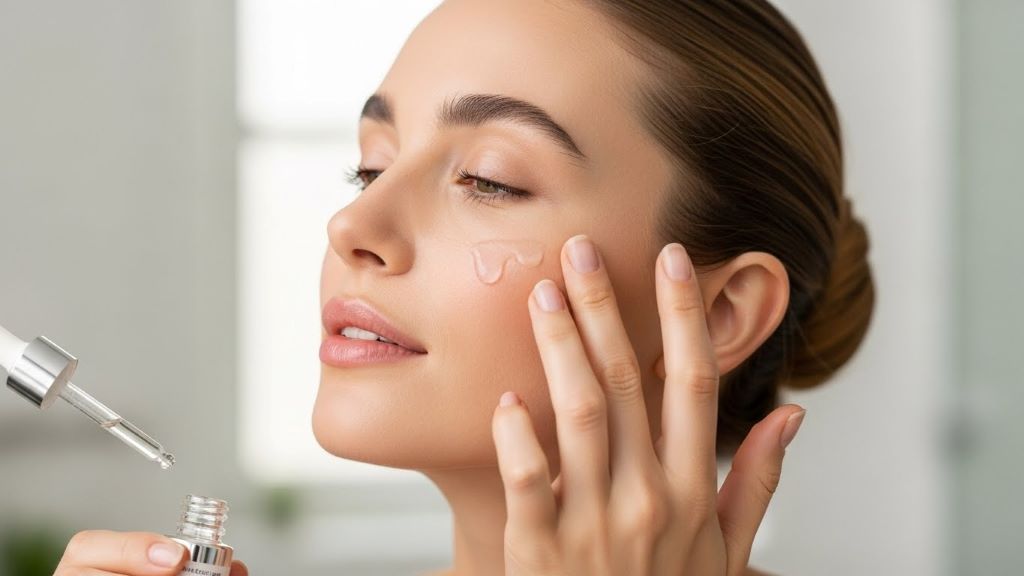
Skincare routines have become increasingly complex. Many people now combine multiple active ingredients to target different concerns. However, mixing certain products can reduce their effectiveness. This guide from Sweet Healthy Living explains how to use estriol and peptides together without compromising results.
Estriol is a gentle form of estrogen used in skincare. It helps improve skin thickness and elasticity. Peptides, on the other hand, are amino acid chains that support collagen production. Both ingredients offer significant anti-aging benefits. Yet, they require careful application to work properly.
Understanding how to layer estriol with peptides in skincare routine is essential for maintaining their potency. Additionally, knowing the science behind ingredient interactions helps you build a more effective regimen. This article breaks down everything you need to know about combining these powerful actives.
Understanding Peptide Inactivation
Peptides are delicate molecules. They can lose their effectiveness when exposed to certain conditions. pH levels, temperature, and incompatible ingredients all play a role. When peptides become inactivated, they cannot deliver the promised benefits.
Estriol can potentially interfere with peptide stability. This happens primarily due to pH differences and formulation conflicts. Therefore, proper layering techniques become crucial. Most peptide serums work best at a neutral to slightly acidic pH. Estriol formulations may have different pH requirements, which creates challenges.
Moreover, timing matters significantly. Applying products too quickly or in the wrong order can diminish results. The skin needs time to absorb each layer properly. Rushing through your routine often leads to product pilling or reduced absorption.
The Science Behind Ingredient Compatibility
Skincare ingredients interact in complex ways. Some combinations enhance effectiveness, while others cancel each other out. According to research from the National Institutes of Health, understanding molecular structures helps predict compatibility. This knowledge guides better product pairing decisions.
Estriol works by binding to estrogen receptors in skin cells. This process stimulates collagen and elastin production. Peptides function differently by signaling cells to produce specific proteins. When both ingredients compete for absorption, neither works optimally.
Furthermore, preservatives and stabilizers in formulations can affect compatibility. These inactive ingredients sometimes cause more problems than the actives themselves. Therefore, checking full ingredient lists helps identify potential conflicts. Simple formulations often work better than complex ones.
Optimal Timing for Application
Wait time between products makes a significant difference. Your skin needs at least 30 seconds to one minute between layers. However, some experts recommend waiting up to five minutes for certain actives. This pause allows proper absorption and prevents ingredient interactions.
Apply estriol and peptides at different times of day when possible. Use estriol in your morning routine and peptides at night. This separation eliminates any risk of inactivation. Additionally, it spreads the benefits throughout the day and night.
If you must use both simultaneously, consider their pH levels carefully. Apply the product with lower pH first, then wait before adding the next layer. This technique minimizes disruption to each product’s effectiveness. Consequently, you maximize the benefits of both ingredients.
Proper Layering Sequence
The correct order of application prevents peptide inactivation. Start with the thinnest consistency and progress to thicker products. This rule applies to most skincare routines. Water-based serums go on before creams and oils.
Cleanse your skin thoroughly before applying any actives. Clean skin absorbs products more effectively. Next, apply a pH-balancing toner if needed. This step prepares your skin for optimal absorption.
Apply your peptide serum first on clean, dry skin. Let it absorb completely before moving forward. Then wait several minutes before applying estriol. Finally, seal everything with a moisturizer appropriate for your skin type. This sequence protects both ingredients and maximizes their benefits.
pH Considerations
pH levels significantly impact ingredient stability. Most peptides remain stable between pH 4 and 7. Estriol formulations vary in pH depending on the product. Checking product pH helps prevent inactivation issues.
Some peptides are more pH-sensitive than others. Copper peptides, for example, work best at slightly acidic levels. Matrixyl peptides tolerate a wider pH range. Therefore, knowing your specific peptide type helps guide application decisions.
Use pH strips to test your products if necessary. This simple step provides valuable information. Additionally, many brands now list pH levels on their websites or packaging. This transparency helps consumers make informed choices.
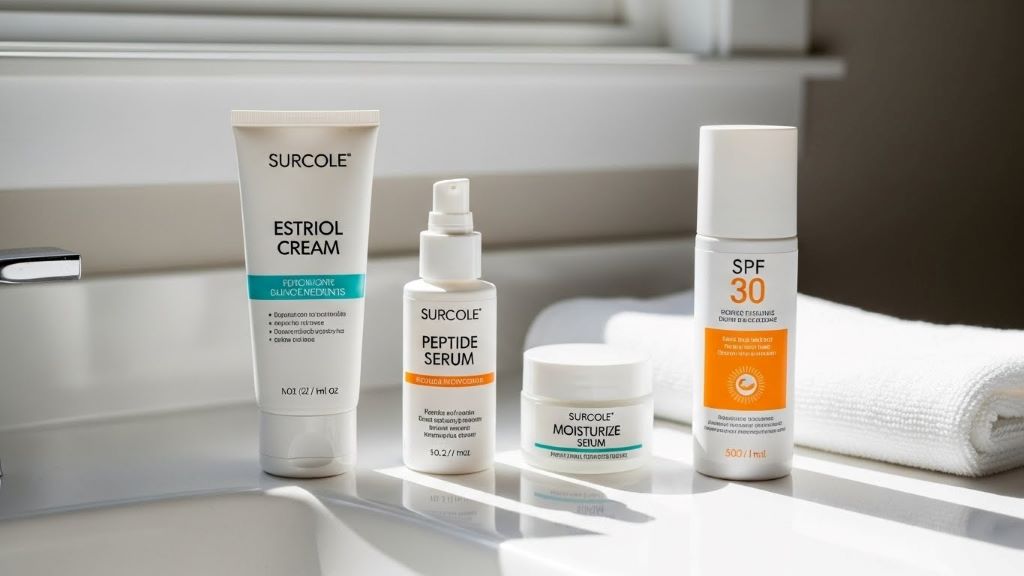
Temperature and Storage Tips
Proper storage extends product effectiveness. Keep peptide serums in cool, dark places away from sunlight. Heat can degrade peptides rapidly. The bathroom cabinet near a hot shower is not ideal.
Refrigeration works well for some peptide products. However, check product instructions first. Some formulations become too thick when cold. Others benefit from consistent cool temperatures.
Never leave products in hot cars or sunny windowsills. Extreme temperatures cause irreversible damage. Moreover, opened products have shorter shelf lives than sealed ones. Mark opening dates on bottles to track freshness.
Signs of Peptide Inactivation
Recognizing inactivated peptides helps you adjust your routine. Changes in product texture or smell indicate problems. Peptide serums should remain relatively thin and odorless. Thick, sticky, or foul-smelling products have likely degraded.
Loss of effectiveness is the most obvious sign. If you stop seeing results after consistent use, inactivation may be the cause. Additionally, skin irritation can increase when products break down. Degraded ingredients sometimes become irritating even if they were gentle initially.
Color changes also signal product degradation. Clear serums turning yellow or brown have oxidized. While oxidation differs from inactivation, it still indicates reduced effectiveness. Therefore, replace products showing these signs.
Building a Compatible Routine
Creating an effective routine requires planning. List all your active ingredients first. Then research potential conflicts between them. This proactive approach prevents wasted time and money.
Consider alternating days for certain actives. Use estriol on some days and peptides on others. This strategy works well for sensitive skin types. It also reduces the risk of irritation from too many actives.
Introduce new products slowly, one at a time. Wait at least two weeks before adding another active ingredient. This patience helps identify which products work for your skin. Furthermore, it makes troubleshooting easier if problems arise.
Professional Guidance and Testing
Consulting a dermatologist provides personalized advice. They can recommend specific products for your skin type and concerns. Additionally, they may suggest patch testing before full application. This precaution identifies sensitivities early.
Professional facials can complement your home routine. Estheticians understand ingredient interactions thoroughly. They can suggest modifications to improve your current regimen. Moreover, professional treatments often use higher concentrations safely.
Regular skin assessments help track progress. Take photos in consistent lighting every few weeks. This documentation shows whether your routine is working. Consequently, you can make informed adjustments as needed.
Maximizing Product Benefits
Use the right amount of product for effectiveness. A pea-sized amount of serum typically suffices for the entire face. More product does not necessarily mean better results. In fact, using too much can overwhelm your skin.
Consistency matters more than perfection. Following your routine daily produces better results than sporadic use. However, listen to your skin’s needs. Take breaks if irritation develops.
Sunscreen is essential when using active ingredients. Both estriol and peptides can increase sun sensitivity. Apply broad-spectrum SPF 30 or higher every morning. Reapply throughout the day as recommended by the American Academy of Dermatology.
Conclusion
Avoiding peptide inactivation after estriol requires understanding and patience. Proper layering, timing, and storage protect your investment in quality skincare. Remember that both estriol and peptides offer powerful anti-aging benefits when used correctly. Separating application times provides the safest approach for maintaining ingredient potency.
Start by evaluating your current routine for potential conflicts. Make adjustments based on pH levels and product consistency. Additionally, give your skin adequate time to absorb each layer. These simple steps ensure you get the maximum benefit from both ingredients.
Building an effective skincare routine takes time and experimentation. However, the results are worth the effort. Your skin will thank you for the careful attention to ingredient compatibility.
Frequently Asked Questions
Can I use estriol and peptides on the same day?
Yes, you can use both on the same day with proper timing. Wait at least 5-10 minutes between applications. Alternatively, apply one in the morning and one at night for best results.
How long does it take to see results from peptides and estriol?
Most people notice improvements within 4-6 weeks of consistent use. However, significant changes typically appear after 12 weeks. Patience and consistency are key to seeing optimal benefits.
Do all peptides have the same pH requirements?
No, different peptides have varying pH sensitivities. Copper peptides prefer acidic environments, while other peptides tolerate neutral pH. Check your specific product information for guidance.
Can I mix estriol and peptide serums together?
Mixing products is not recommended as it may reduce effectiveness. Apply them separately with adequate wait time between. This approach ensures each ingredient works at its optimal capacity.
How should I store peptide serums?
Store peptides in cool, dark places away from heat and sunlight. Some products benefit from refrigeration. Always check product labels for specific storage recommendations.
Related Topics: