How to Make Handmade Eco Gifts for Kids That Feel Special
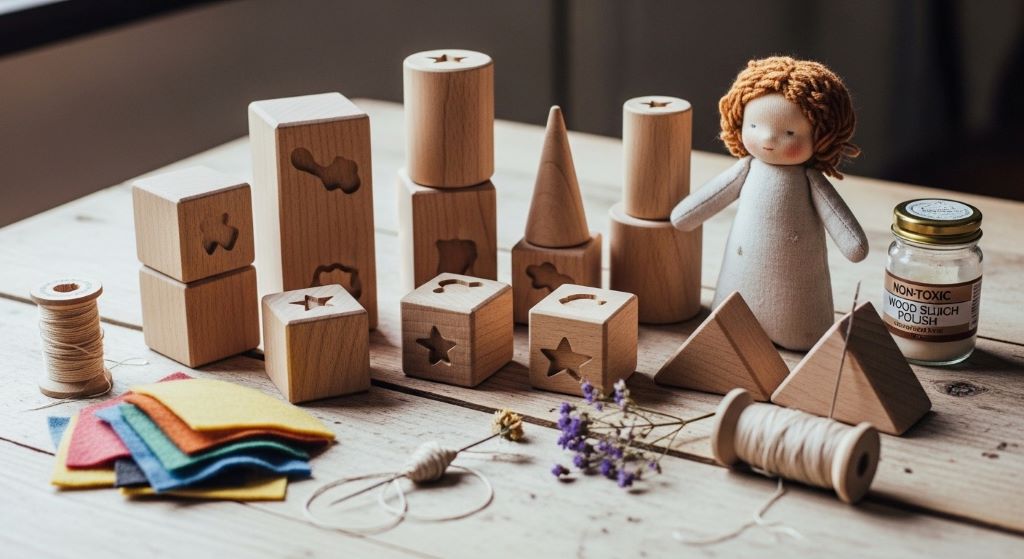
Creating meaningful gifts for children doesn’t require expensive materials or elaborate production. In fact, some of the most cherished presents come from simple, thoughtful handmade items that show you care. When you combine creativity with environmental consciousness, you create something truly special that benefits both the child and the planet.
Handmade gifts carry a warmth that store-bought items often lack. They tell a story, show effort, and demonstrate genuine care. Additionally, choosing eco-friendly materials teaches children valuable lessons about sustainability and resourcefulness. This guide will help you create beautiful, memorable gifts that kids will treasure while keeping environmental impact minimal.
Why Choose Eco-Friendly Materials
The materials you select make a significant difference in both the gift’s environmental footprint and its safety for children. Traditional craft supplies often contain plastics, toxic chemicals, and non-biodegradable components that harm the environment long after the gift loses its appeal.
Natural materials offer a wonderful alternative. Wood, cotton, wool, and plant-based dyes are renewable, biodegradable, and generally safer for curious children who might put things in their mouths. These materials also provide rich textures and authentic qualities that plastic simply cannot replicate.
Furthermore, using recycled or upcycled materials reduces waste while adding character to your creations. Old fabrics, cardboard boxes, and glass jars all have potential for transformation. This approach not only helps the environment but also demonstrates creativity and problem-solving to children.
When sourcing materials, look for local options whenever possible. This reduces transportation emissions and supports your community. Farmers markets, thrift stores, and your own recycling bin are excellent starting points for DIY sustainable gifts.
Creating Soft Toys from Natural Fabrics
Stuffed animals and soft toys remain perennial favorites among children. Making them from organic cotton, linen, or wool felt creates cuddly companions that are both safe and sustainable.
Start with simple shapes if you’re new to sewing. A basic teddy bear, bunny, or simple doll requires just a pattern, fabric, and stuffing. You can find free patterns online or create your own by drawing simple shapes on paper. Natural cotton stuffing or wool roving makes excellent filling that’s both soft and biodegradable.
Consider using fabric scraps from old clothing for a truly zero-waste approach. That worn-out flannel shirt can become a cozy stuffed animal. Children often find these repurposed toys even more special when you tell them the fabric’s story.
Add personality through hand-embroidered faces and details. This extra touch makes each toy unique and avoids the plastic buttons or safety eyes commonly used in commercial toys. Embroidery floss made from cotton comes in countless colors, allowing endless creativity.
For younger children who might be rough with toys, reinforce seams with double stitching. This ensures your handmade creation withstands enthusiastic play. Additionally, pre-wash all fabrics to prevent shrinking after the toy is complete.
Building with Reclaimed Wood
Wooden toys possess a timeless quality that plastic alternatives lack. They’re durable, beautiful, and develop character through years of play. Creating homemade green presents from reclaimed wood makes particularly meaningful gifts that can last generations.
Simple blocks are perfect for beginners. Cut wood into various sizes, sand the edges smooth, and finish with food-safe oil or beeswax. These basic toys encourage creativity and open-ended play. Children can build towers, create patterns, or use their imagination in countless ways.
A wooden puzzle offers slightly more complexity while remaining achievable for most skill levels. Draw a simple picture on a flat piece of wood, then cut it into interlocking pieces using a jigsaw. Sand all edges thoroughly to ensure safety. Natural wood-burning tools can add details without any toxic paints.
Pull toys and push toys delight toddlers learning to walk. A simple wooden animal or vehicle with wheels attached provides hours of entertainment. Use wooden dowels for axles and ensure all parts are securely attached.
Always prioritize safety when working with wood. Sand every surface until silky smooth, eliminating any possibility of splinters. Round all corners and edges. For finishes, choose food-safe options like mineral oil, beeswax, or specially formulated toy-safe wood finishes.
Crafting Natural Art Supplies
Art supplies encourage creativity while often generating significant waste through disposable materials and plastic packaging. Making your own eco-friendly art supplies solves this problem while creating exciting gifts.
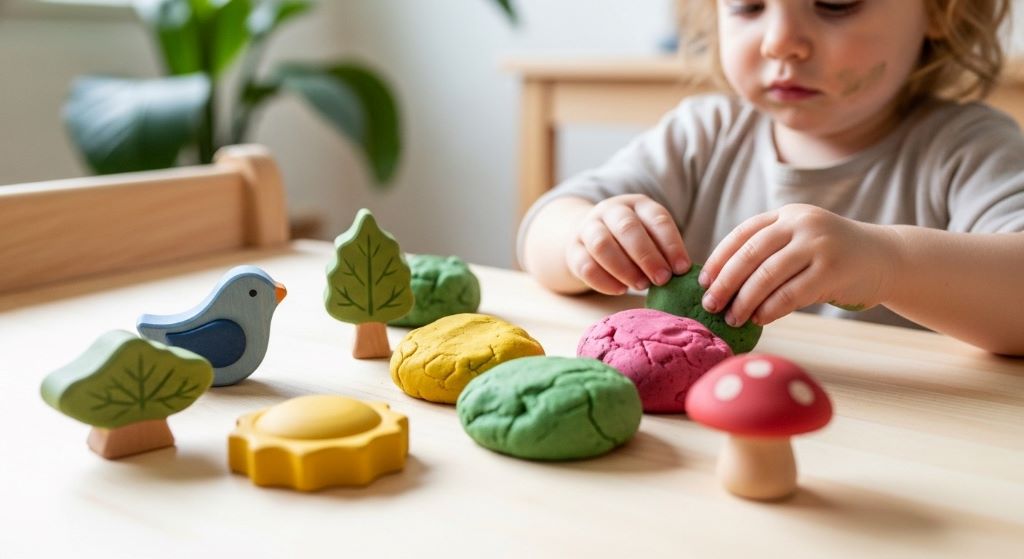
Homemade playdough using flour, salt, water, and natural food coloring provides hours of entertainment. Package it in small glass jars with fabric covers secured by twine. Include a handwritten recipe card so parents can make more batches together with their children.
Natural crayons made from beeswax and plant-based pigments offer a sustainable alternative to petroleum-based crayons. Melt beeswax in a double boiler, add natural colorants, and pour into silicone molds. These crayons produce vibrant colors while remaining completely biodegradable.
Finger paints created from flour, water, salt, and natural dyes allow even the youngest artists to explore safely. Package them in small jars with clear labels. Parents will appreciate knowing exactly what ingredients touch their children’s skin.
Create a complete art kit by combining several supplies in a wooden or cardboard box. Include natural brushes made from plant fibers, recycled paper, and your homemade paints or crayons. This comprehensive gift provides everything needed for creative expression.
Designing Nature-Based Craft Kits
Craft kits make wonderful gifts because they provide both the materials and the experience of creating something new. Focusing on natural materials makes these kits educational as well as entertaining.
A pressed flower kit includes a simple wooden press or heavy books, instructions, and perhaps some flowers to start. This introduces children to botany while creating beautiful artwork they can frame or use in cards. Include archival paper and natural glue for mounting their creations.
Nature weaving kits teach traditional crafts using sustainable materials. Create a simple wooden frame loom from branches or reclaimed wood. Include natural wool yarn in various colors and instructions for basic weaving techniques. This gift provides both a tool and a skill that can last a lifetime.
Rock painting kits using natural paints encourage outdoor exploration. Include several smooth stones, homemade paints, brushes, and inspiration cards showing different designs. Children can hunt for their own rocks, adding an adventure element to the craft.
A seed growing kit teaches responsibility and connects children to their food sources. Package seeds in small paper envelopes, include biodegradable pots, natural soil, and simple instructions. Herbs like basil or flowers like sunflowers grow easily and provide quick gratification.
Making Books and Story Collections
Handmade books create deeply personal gifts that children treasure for years. They combine creativity, storytelling, and often family memories into one meaningful package.
Create a simple picture book using thick cardboard pages covered in natural fabric or recycled paper. Write and illustrate a story specifically for the child, perhaps featuring them as the main character or including their favorite animals and activities. This personalization makes the gift incredibly special.
A nature journal with handmade paper and a wooden cover encourages outdoor exploration and observation. Include instructions for pressing flowers, sketching animals, and recording weather observations. This gift grows with the child as they fill its pages with discoveries.
Memory books documenting a child’s first year or special events become family treasures. Use acid-free paper, natural fabric covers, and vintage photographs or drawings. Leave spaces for future additions, allowing the book to evolve over time.
Binding options range from simple stapled booklets to more complex saddle-stitched or Japanese-bound volumes. Choose the method that matches your skill level and the book’s intended use. Tutorials for various binding techniques are readily available online.
Sewing Practical Items with Love
Practical gifts that children use daily become cherished items, especially when made with care and attention to detail. Sewing projects offer numerous possibilities for DIY sustainable gifts.
A cloth doll with multiple outfits provides hours of imaginative play. Use natural fabrics for the doll’s body and create a small wardrobe from fabric scraps. Children love changing their doll’s clothes and creating stories around different outfits.
Reusable snack bags made from organic cotton with food-safe waterproof lining teach children about reducing waste. Make them in fun patterns and sizes. These practical items replace disposable plastic bags while adding color to lunchboxes.
A child-sized apron encourages participation in cooking and crafts. Choose durable, washable natural fabric and add pockets for holding tools. Personalize it with the child’s name or favorite colors. This gift promotes both independence and family time.
Quiet books for toddlers using felt and various textures provide sensory exploration without batteries or screens. Create pages with buttons to practice fastening, zippers to explore, and shapes to match. Each page offers a new tactile experience while developing fine motor skills.
Creating Outdoor Adventure Gear
Encouraging outdoor play benefits children’s physical health, creativity, and connection to nature. Handmade outdoor gear makes these adventures even more special.
A fabric fort kit using natural canvas or heavy cotton provides endless indoor and outdoor play possibilities. Include wooden dowels for framework and clips for assembly. Children can configure it differently each time they play, fostering creativity and problem-solving.
Nature collection bags with multiple pockets help young explorers organize their treasures. Make them from durable canvas with a comfortable strap. Add a small field guide you’ve created featuring local plants, insects, or rocks.
Kites made from bamboo, tissue paper, and cotton string offer traditional fun using sustainable materials. The simple diamond shape works well for beginners. Flying a kite teaches children about wind, patience, and outdoor play.
A wooden bug house encourages wildlife observation and teaches environmental stewardship. Drill holes of various sizes in a wooden block and add a roof for weather protection. Include an illustrated guide to common beneficial insects that might take up residence.
Personalizing with Natural Dyes and Decorations
Adding personal touches transforms homemade items into truly special gifts. Using natural dyes and decorations maintains the eco-friendly focus while creating unique, beautiful results.
Natural dyes from vegetables, fruits, and plants create soft, earthy colors. Onion skins produce golden yellows, beets create pinks, and avocado pits make beautiful rosy browns. Dyeing fabric or yarn together with children can become part of the gift experience.
Wooden stamps carved from potatoes or carved wooden blocks add patterns to fabric and paper. Create simple designs that children can use to decorate their own items. This interactive element extends the gift’s value beyond the initial presentation.
Hand embroidery adds personal messages, names, or decorative elements to fabric items. Simple stitches like backstitch and satin stitch are easy to learn and create professional-looking results. Consider embroidering the child’s name, birth date, or a special message.
Natural decorations like dried flowers, pinecones, and seed pods can embellish gift packaging or the items themselves. These elements add beauty while remaining completely biodegradable. They also connect the gift to the natural world.
Packaging Your Gifts Sustainably
The presentation matters, but it shouldn’t undermine your eco-friendly efforts. Sustainable packaging completes the homemade green presents concept while reducing waste.
Fabric wrapping using the Japanese furoshiki technique creates beautiful, reusable gift wrap. The fabric itself becomes part of the gift. Choose natural cotton or linen in patterns that suit the recipient. Include instructions for rewrapping future gifts.
Recycled paper and cardboard boxes decorated with natural elements look charming and thoughtful. Use stamps, dried flowers, or children’s artwork to personalize packaging. Brown kraft paper tied with cotton twine and sprigs of herbs or evergreen creates an elegant, rustic look.
Reusable containers like baskets, wooden boxes, or fabric bags serve double duty as both packaging and additional gift items. These containers can store toys, art supplies, or treasures long after the original gift is unwrapped.
Avoid plastic ribbons and synthetic decorations. Instead, use natural jute twine, cotton ribbon, or strips of fabric. These materials decompose naturally and often look more beautiful than their plastic counterparts.
Teaching Sustainability Through Gift-Giving
The gifts you create offer opportunities to teach children about environmental responsibility and the value of handmade items. These lessons often prove as valuable as the gifts themselves.
Include a card explaining the sustainable materials used and why they matter. Keep the language age-appropriate but honest about environmental challenges and solutions. Children appreciate being treated as capable of understanding important issues.
Share the process of making the gift when possible. If appropriate, invite the child to help create something for someone else. This hands-on experience teaches skills while demonstrating the time and care that goes into handmade items.
Encourage children to care for and repair their handmade items rather than discarding them when damage occurs. Include simple repair instructions with appropriate gifts. This teaches resourcefulness and respect for possessions.
Discuss how choosing eco-friendly gifts helps protect animals, plants, and natural spaces that children care about. Making these connections helps children understand their role in environmental stewardship.
Building Your Skills Over Time
Creating handmade gifts becomes easier and more rewarding with practice. Start simple and gradually attempt more complex projects as your confidence grows.
Keep a notebook of ideas, materials sources, and lessons learned from each project. This resource becomes invaluable when planning future gifts. Note which projects children particularly enjoyed and which materials worked best.
Join online communities or local groups focused on sustainable crafting. These connections provide inspiration, troubleshooting help, and encouragement. Many experienced crafters generously share patterns, techniques, and advice.
Invest in quality tools gradually. Good scissors, needles, and other basic supplies make projects more enjoyable and produce better results. However, don’t let limited tools prevent you from starting. Many beautiful gifts can be created with minimal equipment.
Remember that imperfections add character to handmade items. Children rarely notice small mistakes and often treasure the unique qualities that distinguish their special gift from mass-produced alternatives.
Conclusion
Creating handmade eco-friendly gifts for children combines creativity, sustainability, and genuine care into meaningful presents that stand apart from commercial alternatives. Whether you choose to sew soft toys from natural fabrics, build wooden playthings, craft art supplies, or design nature-based activity kits, your effort demonstrates love while teaching important environmental values.
The beauty of DIY sustainable gifts lies not just in the finished product but in the entire process. Using natural and recycled materials reduces environmental impact while creating safer, more unique items. Homemade green presents carry stories, memories, and personal touches that children recognize and appreciate.
Starting simple and building skills over time allows anyone to create special gifts regardless of previous crafting experience. The key is choosing projects that match your abilities while challenging you to grow. Each gift you create teaches you something new and brings joy to a child’s life.
Beyond the immediate happiness of receiving a gift, these handmade items teach children about sustainability, creativity, and the value of thoughtful giving. They learn that special doesn’t mean expensive and that caring for the environment can be part of everyday choices. These lessons last far longer than any toy.
By choosing to make eco-friendly gifts, you’re investing time rather than just money. That investment shows children they’re worth your effort and attention. In a world of instant purchases and disposable products, this message resonates powerfully and creates lasting memories.
Frequently Asked Questions
How much time should I expect to spend making an eco-friendly gift?
The time commitment varies widely depending on the project’s complexity and your skill level. Simple items like homemade playdough or basic wooden blocks might take one to two hours, while more elaborate projects like sewn dolls with wardrobes or complex wooden toys could require several days of work. Plan ahead and start simple if you’re new to crafting. The time invested adds to the gift’s special quality.
Where can I find sustainable materials for children’s gifts?
Sustainable materials are often closer than you think. Thrift stores offer fabrics, buttons, and other notions at low prices. Hardware stores sell untreated wood suitable for toys. Natural food stores often carry beeswax, natural dyes, and organic fabrics. Additionally, your own home likely contains recyclable materials like cardboard, glass jars, and fabric scraps perfect for upcycling into gifts.
Are handmade toys safe for young children?
Handmade toys can be extremely safe when created thoughtfully. Avoid small parts that could pose choking hazards for children under three. Sand wooden items thoroughly to prevent splinters. Use natural, non-toxic finishes and dyes. Ensure all parts are securely attached. For fabric items, reinforce seams and avoid buttons or embellishments that could come loose. When in doubt, research age-appropriate safety guidelines for specific toy types.
What if I’m not naturally crafty or creative?
Everyone starts somewhere, and many handmade gift projects require minimal skill. Begin with simple projects like playdough, basic blocks, or no-sew fabric items. Follow clear tutorials step by step rather than creating original designs initially. Your effort and care matter more to children than perfect execution. Additionally, many simple projects produce beautiful results that children genuinely love.
How can I make handmade gifts feel as exciting as store-bought toys?
Presentation matters significantly. Create anticipation through thoughtful packaging using natural materials. Include a personal card explaining what makes the gift special. If appropriate, reveal how you made it or why you chose it for that particular child. Consider adding an experience component, like crafting materials the child can use to create their own items. Children often treasure handmade gifts precisely because they’re unique and made specifically for them.
Related Topics:
Gift Ideas for Kids Who Like to Draw: Encouraging Creativity and Imagination
Romantic Surprise Ideas for a Non-Materialistic Person