
Starbucks Employee Micro-Advocacy Tactics
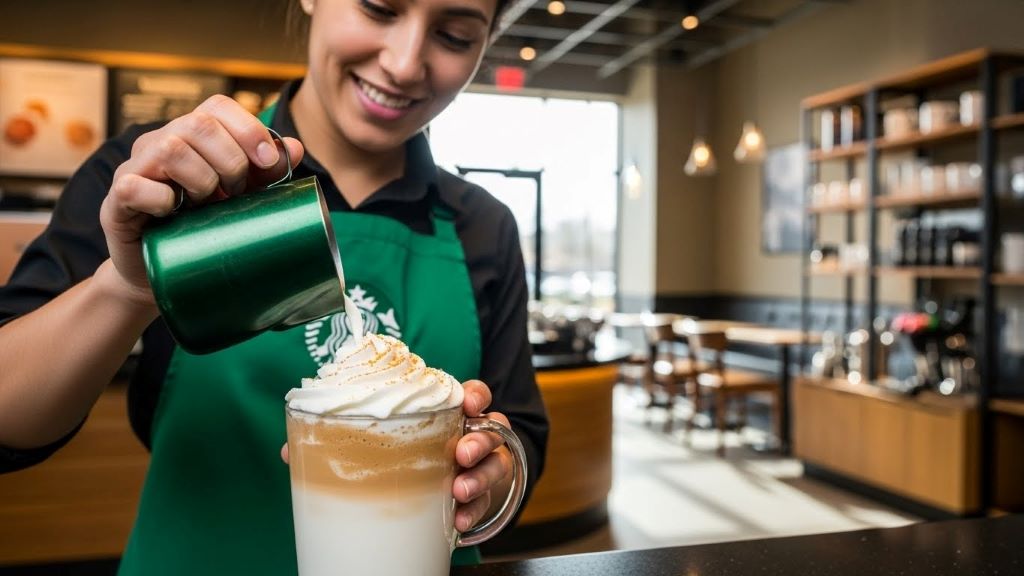
Starbucks has built one of the most recognizable brands in the world. However, its success goes beyond coffee quality and store ambiance. The company leverages its workforce as powerful brand ambassadors through strategic employee engagement. Press Permit highlights how modern businesses transform their teams into authentic advocates who naturally share positive experiences with their networks.
Understanding Micro-Advocacy at Starbucks
Micro-advocacy involves small, consistent actions employees take to support their employer’s brand. These actions differ from traditional marketing campaigns because they feel genuine and personal. At Starbucks, baristas don’t just serve coffee. They create experiences worth sharing. When employees post about new menu items or share behind-the-scenes moments, they engage in micro-advocacy. Additionally, these efforts amplify reach without appearing forced or scripted.
The employee advocacy Starbucks approach focuses on empowering partners to become storytellers. This strategy recognizes that customers trust real people more than corporate messaging. Therefore, Starbucks invests heavily in creating shareable moments that employees want to broadcast organically. The company understands that authentic advocacy cannot be manufactured. It must be cultivated through positive workplace culture.
Creating Instagram-Worthy Moments
Starbucks designs its spaces and products with social sharing in mind. Every seasonal drink launch becomes a visual spectacle. The pink drinks, unicorn frappuccinos, and holiday cups generate massive social media buzz. Employees naturally photograph these items and share them online. Furthermore, the company encourages this behavior by celebrating creative posts from partners.
Store designs also facilitate micro-advocacy. Many locations feature unique architectural elements or local artwork. These features create photo opportunities that employees enjoy sharing. The green aprons themselves have become iconic symbols that partners wear with pride beyond work hours. This visibility extends brand presence into communities organically.
Leveraging Employee Benefits as Advocacy Fuel
Starbucks offers comprehensive benefits that distinguish it from competitors. According to Forbes, the company provides healthcare coverage, stock options, and tuition reimbursement to eligible employees. These benefits create genuine goodwill that translates into authentic advocacy. Partners who receive college tuition support often share their gratitude publicly. Moreover, these personal success stories resonate more powerfully than any advertisement could.
The company’s commitment to partner welfare demonstrates values that employees want to associate with publicly. When Starbucks announces new initiatives supporting mental health or parental leave, partners amplify these messages through their networks. This amplification occurs naturally because employees feel proud of their employer’s policies.
Training Partners as Brand Storytellers
Starbucks invests significantly in partner training programs. These sessions teach more than coffee preparation techniques. They instill brand values and create emotional connections to the company mission. Training emphasizes the impact each partner has on customer experiences. Consequently, employees understand their role in the larger brand narrative.
The company encourages partners to share their career journeys. Many employees started as baristas and advanced into corporate leadership positions. These progression stories inspire others and showcase organizational opportunities. Additionally, Starbucks creates platforms where partners can tell their stories through internal communications and external campaigns.
Seasonal Campaigns and Limited-Time Offers
Limited-time products create urgency that drives social sharing. When Starbucks launches pumpkin spice lattes each fall, employees become early adopters and promoters. They taste new items before public release and build anticipation through their posts. This insider access makes partners feel valued while generating organic marketing momentum.
Seasonal campaigns also provide conversation starters between employees and customers. Partners can recommend favorites and explain new offerings with genuine enthusiasm. These interactions feel personal rather than transactional. Therefore, customers remember these moments and share them with their own networks.
Mobile App Integration and Gamification
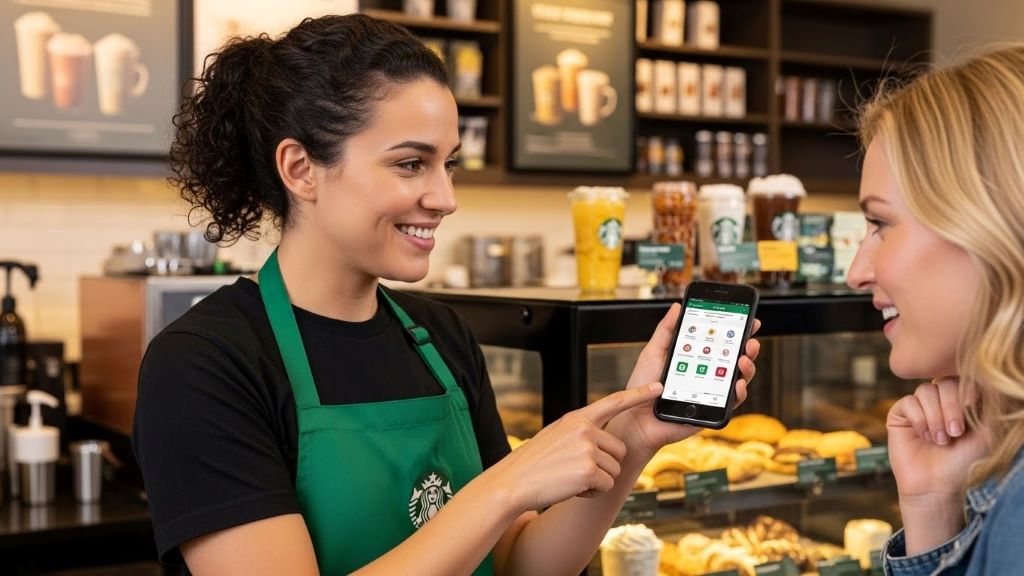
The Starbucks mobile app transforms employees into digital advocates. Partners who use the app for their own purchases often demonstrate its features to customers. They explain rewards programs, mobile ordering, and customization options. This peer-to-peer education builds app adoption more effectively than traditional advertising.
Gamification elements within the app also encourage sharing. When partners earn rewards or reach new membership tiers, they often post about these achievements. The app’s social features allow users to send drinks to friends, creating viral moments that employees participate in enthusiastically.
Community Involvement and Local Partnerships
Starbucks emphasizes community engagement at the store level. Many locations partner with local organizations for charity events or neighborhood initiatives. Employees who participate in these activities naturally share their involvement on social media. Furthermore, community service aligns with personal values, making advocacy feel authentic rather than obligatory.
The company supports partner volunteerism through paid service hours. This benefit enables employees to contribute to causes they care about while representing Starbucks. When partners post about volunteering experiences, they associate positive community impact with their employer brand.
User-Generated Content Strategies
Starbucks actively features partner-created content across official channels. The company reshares employee posts on corporate social media accounts, giving partners recognition and expanded reach. This practice validates employee advocacy efforts and encourages continued participation. Additionally, featured partners often experience increased engagement on their personal accounts.
The brand maintains hashtags that partners use to connect their content with broader campaigns. These hashtags create searchable archives of employee-generated content that potential customers browse. The volume and variety of partner posts demonstrate authentic enthusiasm that paid advertising cannot replicate.
Recognition Programs That Drive Sharing
Employee recognition programs at Starbucks celebrate outstanding service and contributions. When partners receive awards or acknowledgments, they typically share these honors publicly. Recognition creates emotional investment in the brand and motivates others to pursue similar achievements. Moreover, peer recognition programs allow partners to celebrate each other, fostering collaborative culture.
The company profiles exceptional partners in newsletters and social media features. These spotlights showcase individual stories while reinforcing company values. Featured employees gain visibility that often extends beyond their immediate networks as colleagues and friends amplify their recognition.
Addressing Challenges and Maintaining Authenticity
While micro-advocacy offers significant benefits, maintaining authenticity presents challenges. Employees must feel genuine enthusiasm rather than pressure to promote the brand. Starbucks navigates this by focusing on culture and experience rather than mandating specific advocacy behaviors. The company recognizes that forced participation undermines credibility.
Labor relations and workplace concerns can also impact advocacy efforts. When employees feel dissatisfied with working conditions or policies, their authentic voices may share critical perspectives. Starbucks addresses this by maintaining open communication channels and responding to partner feedback. Authentic advocacy requires addressing legitimate concerns rather than suppressing them.
Measuring Micro-Advocacy Impact
Quantifying micro-advocacy success requires tracking multiple metrics. Social media engagement rates, hashtag usage, and content reach provide measurable indicators. However, the most valuable outcomes often appear in brand sentiment and customer acquisition attributed to employee recommendations. Starbucks monitors these signals to understand advocacy program effectiveness.
The company also surveys partners about their willingness to recommend Starbucks as an employer. High employee Net Promoter Scores correlate with increased external advocacy. Therefore, internal satisfaction metrics serve as leading indicators for advocacy success.
Future Directions for Employee Advocacy
As social media platforms evolve, micro-advocacy tactics must adapt. Video content and short-form storytelling formats offer new opportunities for partner engagement. Starbucks continues exploring emerging platforms where employees naturally congregate. The company tests new features that enhance sharing capabilities while respecting partner autonomy.
Artificial intelligence and content creation tools may also influence future advocacy strategies. However, maintaining human authenticity remains paramount. Technology should enhance rather than replace genuine employee voices. Starbucks balances innovation with the personal connections that make micro-advocacy effective.
Conclusion
Starbucks demonstrates that employee advocacy extends beyond formal programs and structured campaigns. Micro-advocacy tactics succeed when companies create environments where partners naturally want to share positive experiences. By investing in benefits, culture, training, and recognition, Starbucks cultivates authentic brand ambassadors. These partners amplify marketing reach while building credibility that traditional advertising cannot achieve. The company’s approach offers valuable lessons for organizations seeking to harness employee voices strategically. Ultimately, successful micro-advocacy requires respecting employee autonomy while fostering genuine pride in the workplace.
Frequently Asked Questions
What is employee micro-advocacy at Starbucks?
Employee micro-advocacy refers to small, authentic actions Starbucks partners take to promote the brand through their personal networks. These include sharing photos of drinks, discussing benefits with friends, or posting about positive workplace experiences on social media without formal requirements to do so.
How does Starbucks encourage employees to become brand advocates?
Starbucks fosters advocacy through comprehensive benefits, inclusive culture, recognition programs, and creating shareable moments. The company provides partners with experiences worth discussing naturally rather than mandating promotional activities. This approach builds genuine enthusiasm that translates into organic advocacy.
Do Starbucks employees get paid for social media posts about the company?
No, Starbucks does not typically pay partners specifically for social media posts. Advocacy happens organically when employees feel positive about their workplace and want to share experiences. The company may feature partner content on official channels but does not require or compensate routine social sharing.
What makes Starbucks employee advocacy different from traditional marketing?
Traditional marketing uses paid advertisements and corporate messaging. Employee advocacy relies on authentic personal recommendations from real partners. These genuine endorsements from trusted individuals typically influence purchasing decisions more effectively than conventional advertising because they feel personal and credible.
Can employee advocacy backfire for companies like Starbucks?
Yes, if employees feel dissatisfied or pressured to promote the brand inauthentically. Negative workplace experiences can lead partners to share critical perspectives publicly. Successful advocacy requires addressing legitimate employee concerns and maintaining positive workplace culture rather than simply encouraging promotional content.
Related Topics: