How to Pick a Battery Powered Wetsuit for Long Cold Water Sessions
Cold water surfing, diving, and water sports offer unique thrills that warm-water enthusiasts never experience. However, the biggest challenge facing cold water athletes is maintaining body temperature during extended sessions. Traditional wetsuits help, but they have limitations when water temperatures drop significantly or sessions extend beyond an hour or two.
Battery powered wetsuits have revolutionized cold water activities by providing active heating that keeps you warm regardless of how long you stay in the water. These innovative suits use heating elements powered by rechargeable batteries to maintain your core temperature. Choosing the right one requires understanding several key factors that impact performance, comfort, and safety.
This comprehensive guide will walk you through everything you need to know about selecting a battery powered wetsuit that meets your specific needs. Whether you’re a dedicated surfer, a passionate diver, or simply someone who loves spending time in cold water, understanding these selection criteria will help you make an informed decision.
Understanding How Battery Powered Wetsuits Work
Before diving into selection criteria, it’s helpful to understand the technology behind these suits. Battery powered wetsuits combine traditional neoprene insulation with active heating systems that generate warmth using electrical elements.
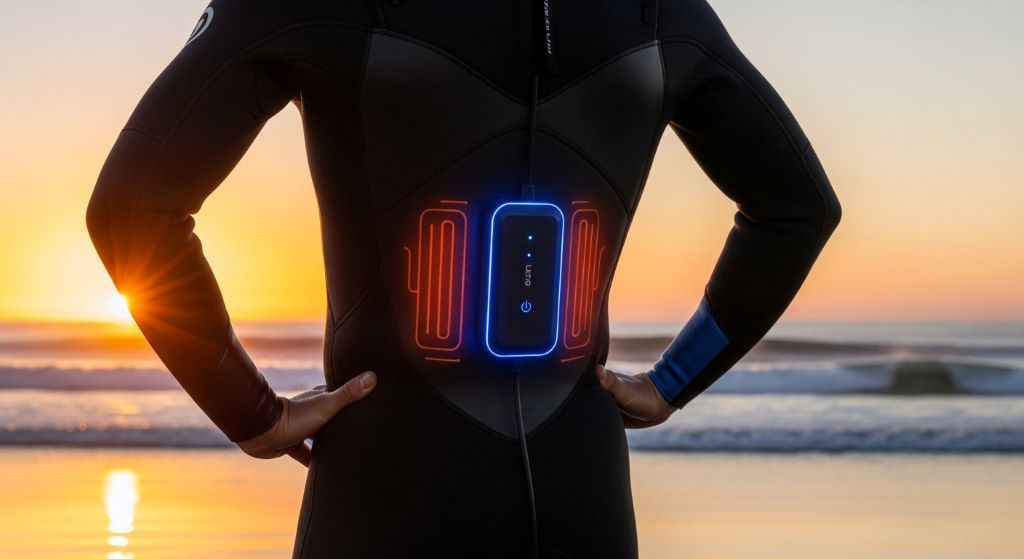
The heating elements are typically thin, flexible wires or carbon fiber panels embedded within the neoprene material. These elements are strategically placed in areas where your body loses heat most rapidly, such as your core, lower back, and chest. When activated, they generate controlled heat that radiates through the surrounding neoprene.
Power comes from rechargeable batteries, usually lithium-ion packs that attach to the suit via waterproof connectors. These batteries vary in capacity, weight, and runtime depending on the model and manufacturer. Most systems allow you to control temperature settings, letting you adjust heat output based on conditions and personal preference.
The neoprene itself still provides passive insulation, just like traditional wetsuits. The heating system supplements this insulation, making it possible to stay comfortable in temperatures that would otherwise cut your session short. This combination of passive and active heating creates a more versatile solution than either technology alone could provide.
Determining Your Temperature and Duration Needs
The first step in choosing a rechargeable wetsuit involves honestly assessing the conditions you’ll face and how long you typically spend in the water. These factors directly influence which features and specifications matter most for your situation.
Water temperature plays the primary role in determining heating requirements. If you’re surfing in 55-degree water, your needs differ significantly from someone diving in 40-degree conditions. Colder water requires more heating capacity and better insulation to maintain comfort.
Session duration matters just as much as temperature. A surfer who spends two hours in the water has different battery requirements than a diver planning four-hour excursions. Longer sessions demand larger battery capacity or the ability to swap batteries mid-session.
Activity level also affects your heating needs. High-intensity activities like surfing generate body heat through exertion, potentially reducing the heating power you need. Conversely, activities with periods of low movement, such as waiting for waves or conducting underwater research, require more consistent heating to maintain warmth.
Consider the worst conditions you’ll encounter rather than typical conditions. Having extra heating capacity gives you a safety margin and ensures comfort even on the coldest days. It’s better to have heating power you don’t always need than to be stuck shivering during an important session.
Evaluating Surf Wetsuit Battery Life and Capacity
Battery performance determines how long your heated neoprene suit can keep you warm. Understanding battery specifications helps you choose a system that won’t leave you cold halfway through your session.
Battery capacity is measured in watt-hours or milliamp-hours. Higher numbers mean more stored energy and longer runtime. However, actual runtime depends on multiple factors including heat setting, water temperature, and suit efficiency. A 100-watt-hour battery might provide four hours on low heat or two hours on maximum heat.
Most manufacturers provide runtime estimates for different temperature settings. Take these estimates as general guidelines rather than guarantees. Real-world performance often differs based on individual factors like your metabolism, activity level, and specific water conditions.
Battery placement affects both comfort and functionality. Some systems use a single battery pack, while others distribute multiple smaller batteries around the suit. Single packs are easier to manage but can feel bulky. Multiple batteries distribute weight better but add complexity to the charging process.
Swappable batteries offer significant advantages for extended sessions. If you can quickly replace a depleted battery with a charged one, you’re not limited by a single battery’s capacity. This feature is particularly valuable for professionals or dedicated enthusiasts who spend many hours in the water.
Charging time matters when you have back-to-back sessions or limited time between uses. Some batteries charge fully in two hours, while others need four to six hours. Quick-charge capability can be worth paying extra for if you frequently need fast turnaround times.
Assessing Heating Zone Coverage and Distribution
Where the suit provides heat is just as important as how much heat it generates. Different heating zone configurations suit different activities and personal preferences.
Core heating targets your chest and upper back, the areas most critical for maintaining overall body temperature. When your core stays warm, your body doesn’t restrict blood flow to extremities as aggressively. This approach maximizes the warming effect while using minimal battery power.
Extended coverage adds heating to areas like the lower back, kidneys, and sometimes thighs. These additional zones provide more comprehensive warmth but consume more power. For very cold conditions or low-activity sessions, this extra coverage can make the difference between comfort and misery.
Some advanced suits offer zone control, letting you activate or deactivate different heating areas independently. This flexibility allows you to customize heating based on conditions and conserve battery when full coverage isn’t necessary.
Heat distribution quality varies between manufacturers. Look for systems that provide even warmth without creating hot spots or cold gaps. Reviews from actual users often reveal whether a suit heats uniformly or has problematic areas where heating is insufficient or excessive.
Considering Suit Thickness and Insulation Quality
The neoprene itself remains crucial even in a heated suit. Better insulation reduces the heating load on your battery system, extending runtime and improving overall warmth.
Suit thickness typically ranges from 3mm to 7mm for cold water use. Thicker neoprene provides better passive insulation but reduces flexibility. Finding the right balance depends on your activity and the water temperature you face.
Neoprene quality varies significantly between manufacturers. High-grade neoprene maintains flexibility in cold temperatures, resists compression over time, and provides better insulation per millimeter of thickness. Cheaper neoprene may be just as thick but offers inferior thermal protection.
Seam construction affects both warmth and durability. Glued and blind-stitched seams minimize water entry better than simple stitched seams. Taped seams add another layer of water resistance. For heated suits, waterproof seams are particularly important because they protect the electrical components from water intrusion.
Panel design influences flexibility and comfort. Suits with more panels generally conform better to body shape and allow easier movement. However, more panels mean more seams, which can potentially allow more water entry if not properly constructed.
Examining Durability and Waterproofing
Battery powered wetsuits face unique durability challenges compared to traditional suits. The electrical components must withstand saltwater exposure, pressure changes, and physical stress while maintaining reliable operation.
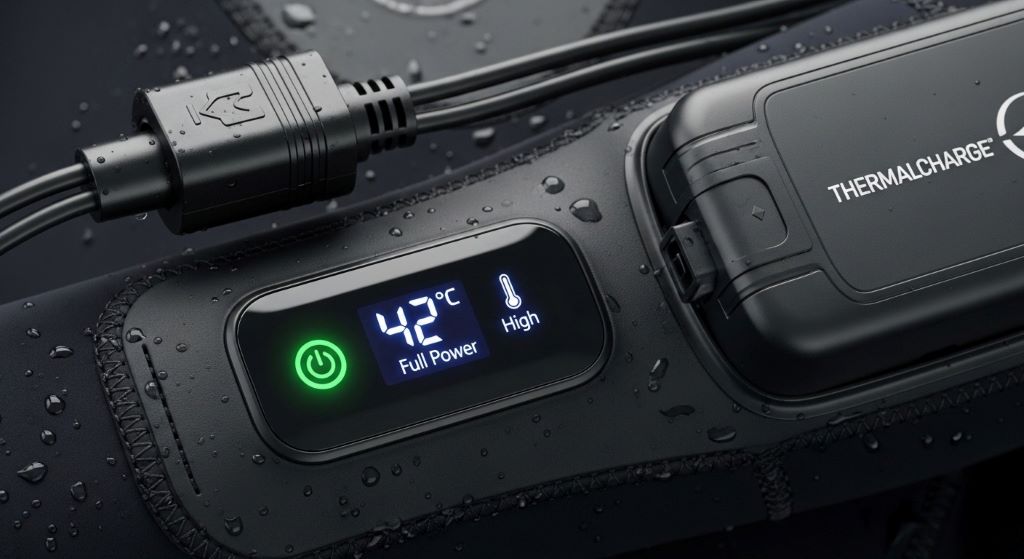
Connection points represent potential failure points. Look for systems with robust, waterproof connectors that seal completely when engaged. These connectors should be easy to attach and detach but secure enough that they won’t accidentally separate during use.
Cable routing affects both durability and comfort. Internal cables should be well-protected and positioned where they won’t create pressure points or interfere with movement. Reinforced cable channels help prevent damage from bending and flexing.
Battery housing must be completely waterproof and impact-resistant. The best designs use hard cases with multiple sealing layers. Battery pockets or attachment systems should hold the battery securely without allowing it to shift or bounce during active use.
Additionally, the heating elements themselves need protection. Quality suits encapsulate heating wires or panels in ways that prevent damage from the suit being folded, compressed, or stretched during normal use and storage.
Manufacturer warranties indicate confidence in durability. Look for companies that offer at least one year of coverage and have clear policies about what’s covered. Strong customer support becomes crucial if you encounter problems with the electrical system.
Evaluating Fit and Mobility
A heated suit must fit properly to function effectively. Poor fit compromises both thermal performance and freedom of movement.
Sizing varies between manufacturers, so don’t assume your size in one brand translates directly to another. Consult size charts carefully and measure yourself according to the manufacturer’s specifications. When between sizes, consider how snug you want the fit and whether you’ll wear additional layers underneath.
The suit should fit snugly without restricting breathing or movement. Too loose, and water will flush through excessively, reducing insulation and heating efficiency. Too tight, and you’ll fatigue quickly from restricted movement and breathing.
Flexibility in critical areas like shoulders, arms, and knees directly affects performance in your chosen activity. Surfers need maximum shoulder mobility for paddling. Divers require good overall flexibility for efficient swimming. Try to assess flexibility in the specific movements your sport requires.
Entry systems vary from back zips to chest zips to zipperless designs. Each has advantages and disadvantages regarding ease of entry, water sealing, and flexibility. Battery powered suits often use specific entry designs that accommodate the electrical connections, which may limit your options.
Understanding Control Systems and User Interface
How you interact with your suit’s heating system affects convenience and functionality during use.
Control placement should allow easy access while wearing the suit. Some systems put controls on the chest, others on the sleeve. Consider whether you’ll be able to reach and operate controls while in the water and potentially wearing gloves.
Interface simplicity matters when you’re cold, wet, and focused on your activity. Complicated controls with multiple buttons and settings can be frustrating to use in real-world conditions. The best systems offer intuitive operation with clear feedback about current settings.
Temperature settings typically range from low to high, with some suits offering three to five distinct levels. More options provide finer control but can also create decision fatigue. Determine whether you prefer simplicity or granular control.
Some advanced systems include smartphone connectivity, allowing you to adjust settings via an app. While this adds convenience in some situations, it also introduces potential connectivity issues and requires keeping your phone in a waterproof case.
Battery level indicators help you manage power consumption during your session. LED displays or simple light indicators let you monitor remaining capacity and adjust heat settings to extend runtime if needed.
Comparing Cost and Value Considerations
Battery powered wetsuits represent a significant investment. Understanding what drives cost helps you determine which features justify higher prices.
Entry-level heated suits typically cost between 400 and 700 dollars. These suits offer basic heating functionality with smaller batteries and simpler control systems. They work well for occasional use in moderately cold water.
Mid-range options running 700 to 1,200 dollars provide better battery life, more heating zones, and superior neoprene quality. These suits suit regular users who need reliable performance for extended sessions.
Premium suits exceeding 1,200 dollars offer maximum battery capacity, advanced features like zone control and smartphone connectivity, and the highest quality materials and construction. Professional users and dedicated enthusiasts who spend many hours weekly in cold water find value at this level.
Replacement battery costs matter for long-term ownership. Some manufacturers charge 200 to 400 dollars for replacement batteries. If you need multiple batteries for long sessions or frequent use, factor this ongoing cost into your decision.
Maintenance requirements affect total cost of ownership. Some suits need special care or professional servicing to maintain electrical components. Others use more user-friendly systems that require only basic maintenance.
Researching Brands and Reading Reviews
Not all battery powered wetsuit manufacturers have equal experience or reputation. Researching brands helps you avoid problematic products and find reliable options.
Established wetsuit manufacturers entering the heated suit market bring material expertise but may have less experience with electrical systems. Conversely, companies specializing in heated gear understand the technology but might have less wetsuit construction experience. The best manufacturers excel at both.
User reviews provide insights that specifications can’t convey. Look for patterns in reviews rather than focusing on individual experiences. If multiple users report similar problems or praise specific features, that feedback likely reflects real product characteristics.
Professional reviews and tests offer more systematic evaluations. Publications and websites dedicated to water sports often conduct thorough testing that reveals performance under controlled conditions. These reviews can highlight differences that aren’t obvious from manufacturer claims.
Return policies and trial periods reduce purchase risk. Some companies allow you to test the suit for a period and return it if it doesn’t meet your needs. This option is particularly valuable for such a significant investment.
Planning for Maintenance and Care
Proper maintenance extends your suit’s lifespan and ensures reliable performance. Battery powered suits require more care than traditional wetsuits.
Rinsing after each use removes salt, sand, and contaminants that can damage both neoprene and electrical components. Use fresh water and pay special attention to connection points where salt buildup can cause corrosion.
Drying properly prevents mildew and material degradation. Hang the suit in a shaded, well-ventilated area away from direct sunlight. Never use heat sources like dryers or radiators, which can damage both neoprene and electrical components.
Battery care directly affects performance and longevity. Follow manufacturer guidelines for charging, storage, and maintenance. Most lithium batteries last longer when stored at partial charge rather than fully charged or depleted.
Periodic inspections help catch problems early. Check seams, connection points, and cables for wear or damage. Address small issues promptly before they become major failures.
Storage conditions matter, especially during off-seasons. Store the suit flat or hanging in a cool, dry place. Remove batteries and store them separately according to manufacturer recommendations.
Conclusion
Selecting the right battery powered wetsuit requires careful consideration of multiple factors. Start by honestly assessing your needs regarding water temperature, session duration, and activity type. These factors determine the heating capacity and surf wetsuit battery life you require.
Evaluate the quality of both the heating system and the neoprene construction. The best heated neoprene suit combines reliable electrical components with high-quality insulation and construction. Don’t sacrifice one for the other.
Consider practical aspects like fit, control systems, and maintenance requirements. A suit with impressive specifications won’t serve you well if it’s uncomfortable, difficult to use, or requires excessive upkeep.
Balance cost against value by thinking about long-term use rather than just purchase price. A more expensive suit that lasts five years and performs reliably costs less per session than a cheaper option that fails after one season.
Research thoroughly before buying. Read reviews, compare specifications, and consider trying suits if possible. This investment deserves careful thought and investigation.
With the right battery powered wetsuit, you can extend your cold water sessions comfortably and safely. The technology has matured to the point where these suits offer reliable performance that genuinely enhances your time in the water. By following the guidance in this article, you’ll be well-equipped to choose a suit that meets your specific needs and provides years of warmth and enjoyment.
Frequently Asked Questions
How long does a typical battery last in a heated wetsuit?
Battery life varies based on capacity, heat settings, and conditions. Most rechargeable wetsuit batteries provide two to four hours on medium settings. Lower heat settings can extend runtime to six hours or more, while maximum heat might limit use to 90 minutes. Always check manufacturer specifications for your specific model and carry a spare battery for extended sessions.
Can I travel with a battery powered wetsuit on an airplane?
You can travel with heated wetsuits, but battery regulations apply. Lithium batteries must typically go in carry-on luggage, not checked bags. Check your airline’s specific policies regarding battery capacity limits, as some larger batteries may require special approval. The wetsuit itself can be checked or carried on without issues.
How do I know what size battery I need?
Choose battery size based on your typical session length and water temperature. For two-hour sessions in moderately cold water, a 75-100 watt-hour battery usually suffices. Four-hour sessions or very cold water require 150-200 watt-hour capacity. Consider your heat setting preferences too, as using high heat consistently demands larger batteries.
Are heated wetsuits safe to use in saltwater?
Yes, quality heated wetsuits are designed specifically for saltwater use. Manufacturers use waterproof sealing and corrosion-resistant materials for all electrical components. However, proper maintenance is essential. Rinse the suit thoroughly after each use to prevent salt buildup that could eventually compromise seals and connections.
Do heated wetsuits require special storage?
Heated wetsuits need similar storage to regular wetsuits with a few additions. Store the suit flat or hanging in a cool, dry area away from direct sunlight. Remove the battery and store it separately at room temperature with a partial charge (around 50-70 percent). Avoid folding the suit in ways that stress electrical cables or heating elements.
Related Topics:
Vintage-Inspired Skateboards: A Buyer’s Guide for 2025
Seaskin Wetsuit Leak Troubleshooting Guide