How to Use Portable Golf Practice Mats for Practice Anywhere
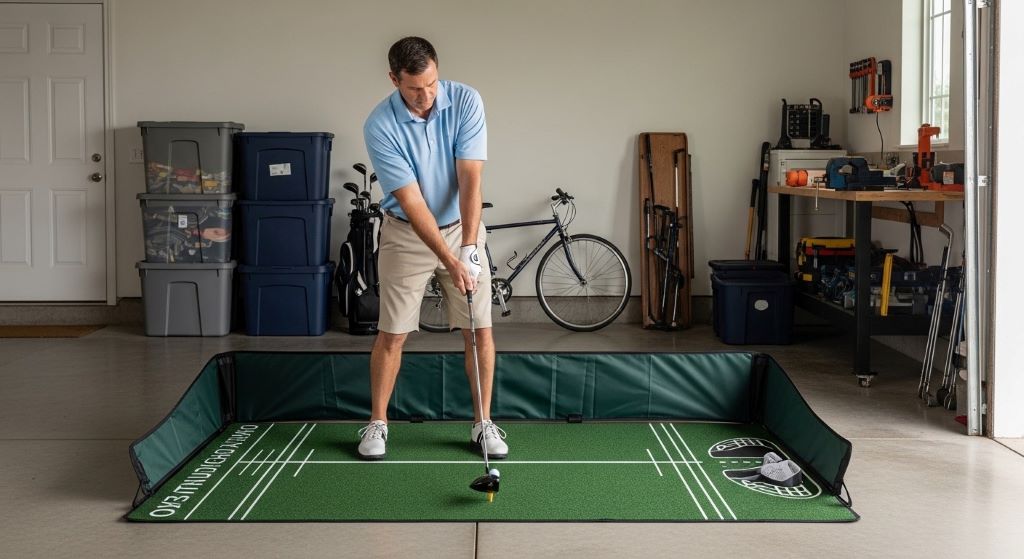
Golf enthusiasts understand that consistent practice is the foundation of improvement. However, getting to the golf course or driving range isn’t always feasible. Weather conditions, busy schedules, and location constraints often interfere with regular training sessions. Fortunately, portable practice solutions have revolutionized how golfers maintain their skills, allowing them to work on their game virtually anywhere.
These innovative training tools have become essential equipment for serious players who refuse to let circumstances interrupt their development. Whether you’re at home, in the office, or traveling for business, maintaining your swing mechanics has never been more convenient. The flexibility these products offer enables golfers to transform any space into a personal training facility.
Understanding Portable Golf Practice Solutions
Portable practice equipment has evolved significantly over recent years. Modern designs incorporate advanced materials that replicate the feel of natural turf while remaining durable enough for repeated use. These training surfaces come in various sizes and configurations, each designed to meet specific practice needs and spatial requirements.
The construction typically features multiple layers that absorb impact and provide realistic feedback. Premium options include shock-absorbing foam bases that protect floors and joints while delivering an authentic striking experience. Additionally, many models incorporate alignment guides and target markers to help golfers develop consistent setup positions.
Benefits of Practicing with Portable Equipment
Training with portable equipment offers numerous advantages beyond simple convenience. First and foremost, accessibility increases dramatically when you can practice at home. This eliminates travel time and allows for spontaneous practice sessions whenever inspiration strikes. Furthermore, the ability to practice in controlled environments means weather never becomes an obstacle.
Cost savings represent another significant benefit. Instead of paying range fees multiple times weekly, investing in quality portable equipment provides unlimited practice opportunities. Moreover, privacy allows golfers to experiment with swing changes without feeling self-conscious about technique adjustments.
Consistency in practice routines improves dramatically when equipment is readily available. Short, frequent sessions often prove more effective than infrequent lengthy practices. Therefore, having equipment accessible encourages regular engagement with skill development.
Choosing the Right Portable Practice Mat
Selecting appropriate equipment requires considering several important factors. Size matters significantly, especially when space is limited. Measure your available area carefully before purchasing to ensure proper fit. Remember that you’ll need clearance for your full swing motion, not just the mat’s footprint.
Material quality directly impacts durability and performance. Look for products featuring reinforced nylon or polypropylene grass fibers that withstand thousands of strikes. The backing should be rubber or foam-based to prevent slipping and protect underlying surfaces.
Portability features vary considerably between models. Some foldable golf mats include carrying handles and compact storage designs, making transportation effortless. Weight becomes crucial if you plan to move equipment frequently between locations. Lighter options sacrifice some stability, while heavier versions provide superior performance but reduced mobility.
Setting Up Your Practice Space
Creating an effective practice environment requires thoughtful planning. Indoor setups demand adequate ceiling height and clearance from walls, furniture, and breakable objects. Measure your swing arc with the longest club you’ll use to determine minimum space requirements. Safety should always be the primary concern when establishing any practice area.
Outdoor setups offer more flexibility but present different challenges. Ensure the ground is level to prevent the mat from shifting during use. Consider adding a protective net to contain balls and prevent property damage or injury. Furthermore, verify that local regulations permit outdoor practice activities in your area.
Proper mat positioning enhances practice effectiveness. Place the equipment where natural light or adequate artificial lighting illuminates the target area. Additionally, position mirrors nearby to monitor swing mechanics and body positions during practice sessions.
Essential Techniques for Effective Practice
Maximizing practice sessions requires more than simply hitting balls. Begin each session with specific goals rather than mindlessly swinging. Focus on particular aspects of your game, whether it’s ball striking, alignment, or tempo development. Structured practice yields superior results compared to random ball beating.
Start with short irons to establish rhythm and confidence before progressing to longer clubs. This approach builds proper sequencing and prevents developing compensations that often occur when struggling with difficult clubs. Moreover, warming up properly reduces injury risk and prepares muscles for athletic movements.
Incorporate variety into practice routines to maintain engagement and address different skills. Alternate between full swings, half swings, and pitch shots. Additionally, practice various lies by placing the ball on different sections of the mat surface. This simulation helps prepare for on-course situations.
Maintaining Your Equipment
Proper maintenance extends equipment lifespan and ensures consistent performance. Regular cleaning removes dirt, grass clippings, and debris that accumulate during use. Brush the surface weekly with a stiff-bristled brush to restore fiber orientation and appearance.
Deep cleaning should occur monthly or as needed depending on usage frequency. Use mild soap and water to remove stubborn stains and buildup. Avoid harsh chemicals that might degrade synthetic fibers or backing materials. After washing, allow complete drying before storage to prevent mold and mildew development.
Storage practices significantly impact durability. When using foldable golf mats, ensure they’re completely dry before folding to prevent creasing and fiber damage. Store equipment in climate-controlled environments away from direct sunlight, which can fade colors and weaken materials over time.
Maximizing Practice When Traveling
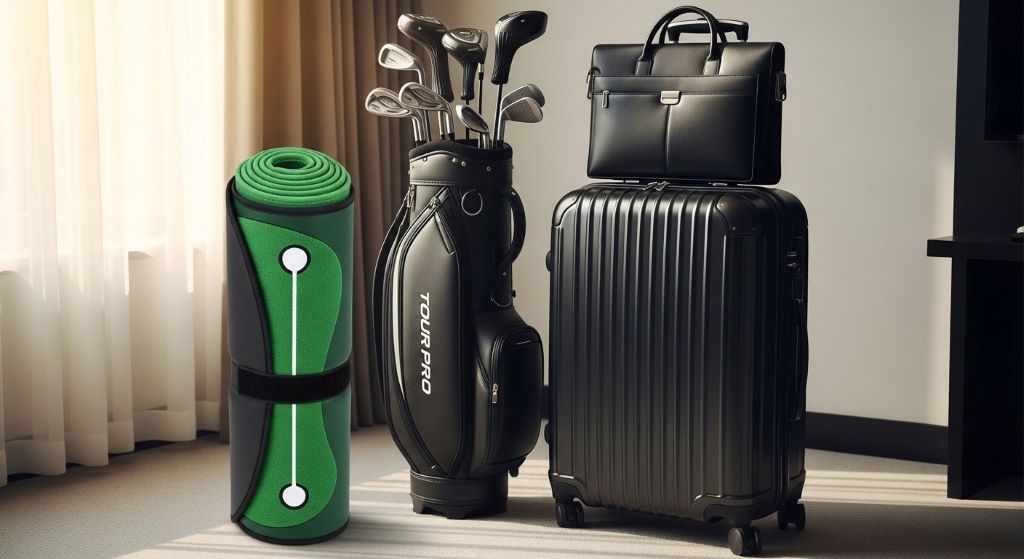
Business trips and vacations needn’t interrupt training routines. A travel golf mat provides the perfect solution for maintaining muscle memory and swing fundamentals while away from home. These compact options fit easily in luggage and require minimal setup time.
Hotel rooms can become temporary practice facilities with proper planning. Check ceiling heights before attempting full swings, and consider using foam or lightweight practice balls to prevent damage. Furthermore, early morning or late evening sessions minimize noise concerns for neighboring guests.
Research local regulations regarding outdoor practice in parks or public spaces. Some communities welcome such activities while others prohibit them. Respecting local rules ensures positive experiences and avoids potential conflicts or fines.
Integrating Technology with Practice
Modern technology enhances portable practice effectiveness significantly. Smartphone applications can record swings for later analysis, helping identify flaws and track improvement over time. Additionally, launch monitors compatible with indoor use provide detailed data about ball flight, club speed, and impact quality.
Video analysis represents perhaps the most valuable technological tool for self-improvement. Position cameras at appropriate angles to capture swing plane, body rotation, and club positions throughout the motion. Comparing footage against professional swings reveals discrepancies and guides correction efforts.
Virtual reality systems and golf simulators have become increasingly affordable and accessible. These technologies transform simple mat practice into immersive experiences complete with realistic course play. However, they require additional investment beyond basic portable equipment.
Common Mistakes to Avoid
Many golfers make predictable errors when practicing with portable equipment. Hitting too many balls without purpose wastes time and reinforces bad habits. Quality always trumps quantity in effective practice. Focus on making each swing count rather than achieving high repetition numbers.
Neglecting short game practice represents another common oversight. While full swing work is important, dedicating time to chipping and pitching yields significant on-course improvement. Use the mat for approach shots and delicate touch development, not just power hitting.
Failing to simulate course conditions limits practice transfer to actual play. Vary your targets, practice different shot shapes, and create mental scenarios that replicate on-course pressure. This mental engagement prepares you for real situations better than mechanical repetition.
Building a Complete Home Practice Setup
Creating a comprehensive training environment involves more than just a hitting surface. Consider adding a practice net to contain shots and enable full-effort swings without concern for ball retrieval. Nets range from simple pop-up designs to permanent installations with ball return systems.
Impact screens combined with projectors transform practice into entertainment while providing valuable feedback. These systems display virtual courses and calculate shot results based on ball impact data. Furthermore, they allow year-round play regardless of weather conditions.
Training aids complement mat practice by addressing specific swing elements. Alignment sticks, impact bags, and tempo trainers help isolate particular movements and develop proper mechanics. However, avoid overcomplicating practice with too many gadgets simultaneously.
Practice Routines for Different Skill Levels
Beginners should focus on fundamental movements rather than ball striking results. Work on grip, posture, and alignment before worrying about distance or accuracy. Additionally, consider taking lessons from a qualified instructor to establish proper foundations before extensive self-practice.
Intermediate players benefit from targeted practice addressing specific weaknesses. Identify problem areas through on-course play, then design drills that improve those aspects. For example, if approach shots consistently miss right, practice controlling club face orientation through impact.
Advanced golfers require sophisticated practice regimens that maintain strengths while refining subtle elements. Incorporate pressure situations into practice by setting performance goals and consequences. Furthermore, periodically revisit fundamentals to prevent gradual degradation of core mechanics.
Weather-Proof Your Golf Game
Inclement weather often disrupts training schedules for golfers relying solely on outdoor facilities. Portable practice solutions eliminate this obstacle completely. Rain, snow, extreme heat, or cold no longer prevent skill maintenance when you can practice indoors comfortably.
Seasonal transitions challenge golfers in regions with harsh winters. Muscle memory deteriorates during extended layoffs, requiring significant time to regain previous form. Consistent indoor practice throughout off-seasons maintains sharpness and enables immediate performance when courses reopen.
Cost Considerations and Value
Initial investment in quality portable equipment might seem substantial, but calculating long-term value reveals significant savings. Compare the cost against annual range fees, considering how many practice sessions you typically complete. Most serious golfers recoup their investment within months through eliminated range expenses.
Durability directly affects cost-effectiveness. Cheaper options might require replacement after limited use, ultimately costing more than premium products that last years. Research user reviews and manufacturer warranties before purchasing to ensure reliable performance over time.
Conclusion
Portable practice equipment has revolutionized golf training by removing traditional barriers to consistent skill development. The convenience of practicing anywhere, combined with cost savings and weather independence, makes these tools invaluable for serious players. Whether you choose foldable golf mats for home use or a travel golf mat for business trips, the investment pays dividends through improved performance and maintained sharpness year-round.
Success requires more than simply owning equipment, however. Thoughtful practice planning, proper technique focus, and consistent engagement determine actual improvement. By following the guidelines outlined above, golfers at any skill level can transform convenient practice sessions into meaningful performance gains. The freedom to practice anywhere removes excuses and places improvement entirely within your control.
Frequently Asked Questions
What size portable golf mat do I need for full swing practice?
For full swing practice, select a mat at least 4 feet by 5 feet to accommodate your stance and follow-through. Smaller mats work for short game practice, but full swings require adequate space to prevent striking outside the practice surface and damaging floors or clubs.
Can portable golf mats damage my clubs?
Quality mats with proper construction should not damage clubs when used correctly. However, cheap mats with hard backing or inadequate cushioning can cause excessive vibration and potential club damage. Always choose mats specifically designed for golf practice with appropriate shock absorption.
How do I prevent my practice mat from sliding during use?
Most quality mats feature non-slip rubber backing, but additional security can be achieved by placing the mat on carpet or using rubber grip pads underneath. Some golfers use double-sided tape on hard surfaces, though this may leave residue. Heavier mats naturally resist movement better than lightweight versions.
Are foldable practice mats as durable as non-folding options?
Modern foldable golf mats use reinforced materials at fold points to prevent premature wear. While folding does create stress points, quality products are engineered to withstand thousands of folds without performance degradation. Proper storage and handling extend lifespan significantly regardless of design type.
Can I use real golf balls on portable practice mats?
Yes, most portable mats are designed for use with real golf balls. However, indoor practice often works better with foam or limited-flight balls to prevent damage and simplify ball retrieval. Real balls provide more accurate feedback but require adequate space and safety measures like practice nets.
Related Topics:
Mental Checklist for Attempting a Difficult Golf Trick Shot
Best Surfboard Wax Remover Hacks to Keep Your Board Fresh