Complete Guide: Choosing the Right Skateboard for Kids: Sangde Easy Way 31”
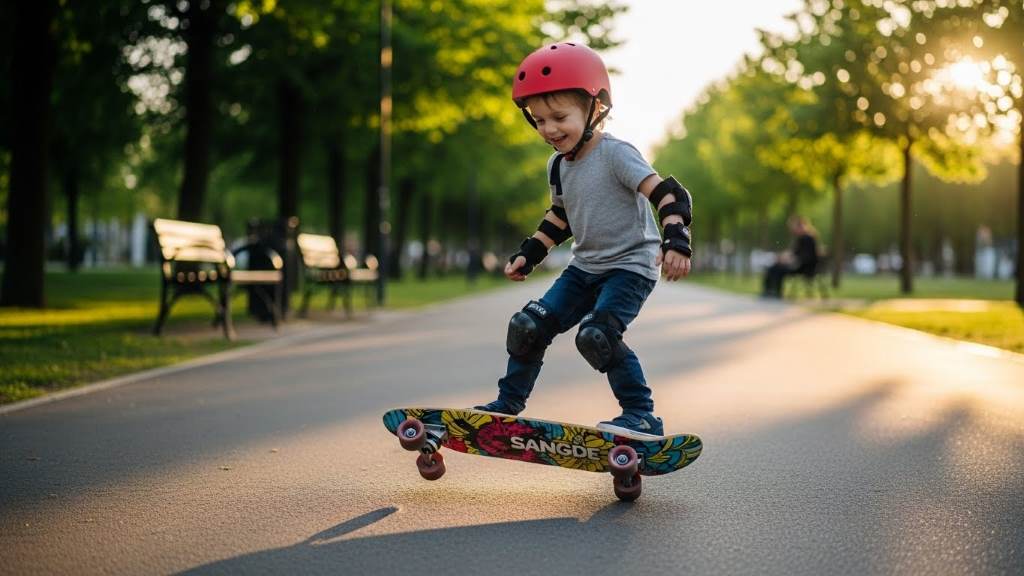
Parents often search for the perfect way to get their children active outdoors. Skateboarding builds confidence, improves coordination, and creates lasting memories. However, many hesitate because injuries concern them. This skateboard guide for parents helps navigate options safely. For instance, explore the Sangde Easy Way 31” Cruiser. Moreover, studies from the World Health Organization show that unintentional injuries rank as a leading cause of death and disability in children, yet proper equipment and supervision prevent most issues. In addition, road traffic injuries lead deaths for kids aged 5-29, highlighting why safe, controlled skating matters.
Children discover joy in gliding down sidewalks or mastering balance. Yet, the wrong board frustrates them quickly. This guide covers everything from sizes to safety, with practical skateboard recommendations for kids. Consequently, you empower your child to thrive.
Why Skateboarding Benefits Kids
Skateboarding offers more than fun. It promotes physical health and mental growth.
First, riders develop balance and coordination naturally. Every push strengthens core muscles. Additionally, they enhance agility through turns.
Next, perseverance builds as children practice tricks. Falling teaches resilience. Furthermore, success boosts self-esteem immensely.
Socially, skate parks connect kids with peers. They share tips and encourage each other. Thus, friendships form easily.
Research supports these gains. Active play reduces obesity risks. Therefore, skateboarding contributes to healthier lifestyles.
Many parents notice improved focus in school too. The sport demands concentration. As a result, children carry that discipline elsewhere.
Understanding Skateboard Types for Children
Different boards suit various styles. Beginners need forgiving options.
Traditional street skateboards feature popsicle shapes. They enable tricks but demand skill.
Cruisers prioritize smooth rides. Longer decks provide stability. Hence, they excel for neighborhood cruising.
Longboards offer maximum stability. They suit commuting or downhill. However, portability decreases.
Mini-cruisers combine compactness with ease. Kids carry them effortlessly.
For young riders, cruisers often win. The Sangde Easy Way 31” falls here. Its design supports learning without overwhelm.
Consider your child’s goals. Cruising builds basics. Tricks come later.
Key Factors in Selecting a Skateboard
Several elements determine the right fit. Focus on these for safety and enjoyment.
Deck Size and Width
Size affects control hugely.
Experts recommend guidelines by age and height:
- Ages 5-7 (under 4′ tall): 6.5-7.0 inch width, 28-29 inch length
- Ages 8-12 (4′-5′ tall): 7.25-7.75 inch width, 29-31 inch length
- Ages 13+ (over 5′ tall): 7.75+ inch width, 31+ inch length
Wider decks stabilize beginners. Narrower ones maneuver better for tricks.
The Sangde Easy Way 31” measures 31 inches long and 8.5 inches wide. This setup aids balance for ages 8-16.
Materials and Build Quality
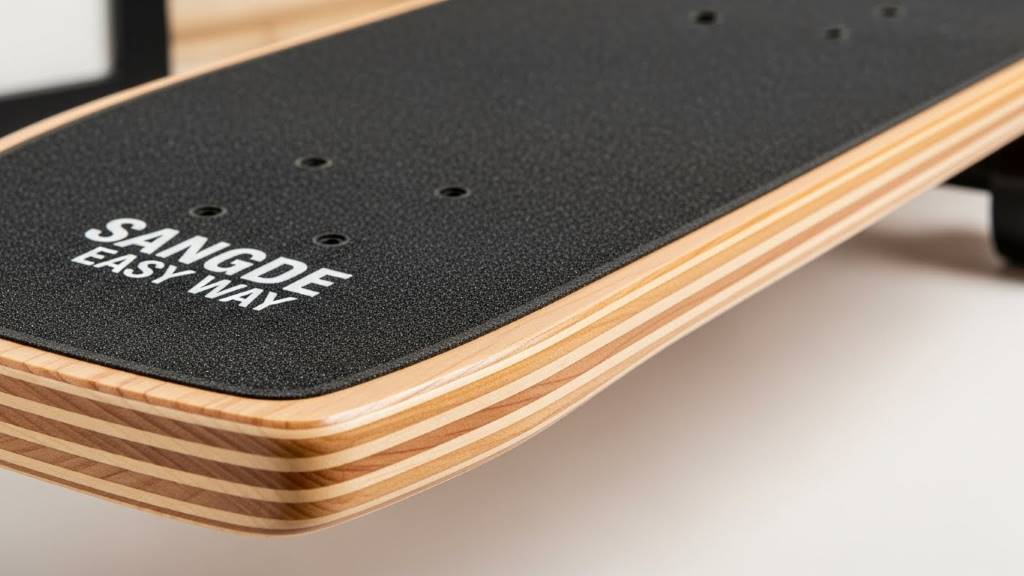
Decks use maple wood mostly. 7-ply construction balances strength and flex.
Trucks hold wheels. Aluminum provides durability.
Wheels vary in hardness. Softer ones (78-87A) absorb bumps. Harder roll faster on smooth surfaces.
Bearings influence speed. ABEC-7 ratings ensure smoothness.
Grip tape prevents slips. Quality versions last longer.
Wheelbase and Concave
Longer wheelbases enhance stability. Shorter allow quick turns.
Mild concave helps foot placement. Steep aids tricks but challenges new riders.
Spotlight: Sangde Easy Way 31” Cruiser
This board stands out in skateboard recommendations for kids.
The 7-ply maple deck delivers flexibility and toughness. It withstands daily use.
At 31 inches, it fits growing children perfectly. The 8.5-inch width lowers the center of gravity.
54mm wheels handle cracks smoothly. ABEC-7 bearings provide reliable rolls.
Pre-assembled arrival means instant riding. No tools needed.
Slightly curved nose and tail introduce basic tricks gently.
Stability shines here. Beginners gain confidence fast.
It supports up to 220 pounds. Thus, it grows with your child.
Many reviews praise its beginner-friendliness. Kids progress quickly.
Essential Safety Gear and Practices
Safety comes first always.
Helmets protect brains. Choose multi-sport certified ones. Fit snugly.
Wrist guards prevent fractures. Elbow and knee pads cushion falls.
Supervise children under 10 closely. Start in safe areas.
Teach falling techniques. Crouch low. Extend arms safely.
Avoid streets and traffic. Use parks or driveways.
Never skate in wet conditions. Slips increase dramatically.
Check gear regularly. Replace worn items.
The American Academy of Pediatrics advises no skateboarding under age 5. Ages 6-10 need adult oversight.
Proper gear reduces severe injuries significantly.
Teaching Your Child to Skate Safely
Start slow and build skills.
Find flat, smooth surfaces first. Empty lots work well.
Demonstrate basic stance. Feet positioned over trucks.
Practice pushing gently. One foot on board, other propels.
Balance drills help. Stand still initially.
Turning involves leaning. Explain body weight shifts.
Stopping uses foot drag or tail scrape.
Encourage practice sessions. Short and frequent yield best results.
Celebrate small wins. Motivation stays high.
Join them sometimes. Bonding strengthens.
Maintenance Tips for Longevity
Care extends board life.
Clean bearings periodically. Remove debris.
Tighten trucks as needed. Loose for turning, tight for stability.
Replace grip tape when worn.
Store indoors. Avoid extreme heat or moisture.
Inspect for cracks. Address issues early.
Wheels wear evenly with rotation.
Simple upkeep saves money. Kids learn responsibility too.
Related:
Vintage-Inspired Skateboards: A Buyer’s Guide for 2025
Conclusion
Choosing the right skateboard opens adventure doors for your child. Focus on size, stability, and safety. The Sangde Easy Way 31” exemplifies excellent beginner options. It combines durability with forgiving design.
Prioritize protective gear and supervision. Watch your child flourish in balance, confidence, and joy.
Start today. Pick a board that matches their age and enthusiasm. Roll into fun memories together.
FAQs
What age should kids start skateboarding?
Children begin around age 6-8 safely. Younger ones lack coordination. Always supervise beginners.
How do I know if a skateboard fits my child?
They stand comfortably with feet on trucks. Board reaches knee to mid-thigh height. Test balance easily.
Are cruiser skateboards good for kids learning tricks?
Cruisers emphasize stability first. They allow basic maneuvers. Transition to street boards for advanced tricks later.
Why is helmet use crucial for skateboarding?
Head injuries cause most severe cases. Helmets reduce risk dramatically. Make it non-negotiable.
Can kids outgrow a 31-inch skateboard quickly?
Quality 31-inch boards suit ages 8-16. They provide growth room. Monitor comfort annually.
References
- World Health Organization. (2023). Road traffic injuries fact sheet. https://www.who.int/news-room/fact-sheets/detail/road-traffic-injuries
- American Academy of Pediatrics. Skateboarding safety guidelines. https://www.healthychildren.org/English/safety-prevention/at-play/Pages/Skateboard-Safety.aspx
- Safe Kids Worldwide. Skating and skateboarding safety tips. https://www.safekids.org/tip/skating-and-skateboarding-safety-tips
- Skateboard Trends. Sangde Easy Way 31” Cruiser review. https://skateboardtrends.com/buying-guide/sangde-easy-way-31-cruiser/