
The NYC That Shaped Cinematic City Mythology
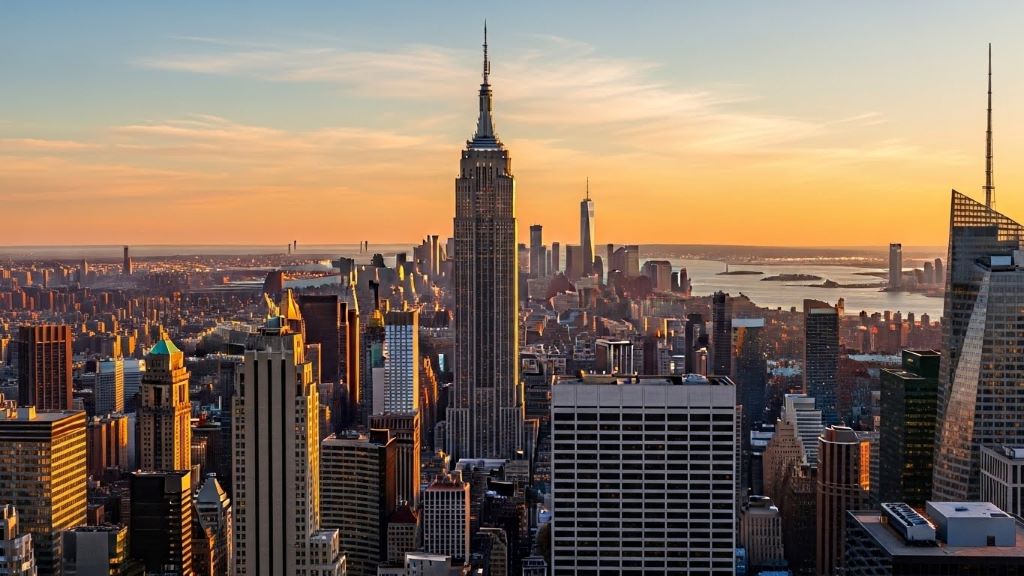
New York City has been the backdrop for countless films throughout cinema history. From towering skyscrapers to bustling streets, the city has become more than just a location. It represents dreams, danger, and everything in between. This urban landscape has defined how audiences worldwide imagine city life on screen. For those interested in the city’s cultural impact, New York Big Event offers comprehensive insights into the Big Apple’s evolving identity.
No other metropolis has influenced film quite like New York. The city’s unique architecture and energy have created a visual language that filmmakers continue to use today. Directors have turned its neighborhoods into characters themselves. Meanwhile, its skyline has become shorthand for ambition and possibility. These elements have established New York as the ultimate cinematic city.
The relationship between New York and cinema runs deep. The NYC that shaped architectural and cultural trends also revolutionized how cities appear on film. This transformation began in the early days of cinema and continues to evolve today.
The Birth of Urban Cinema
Early filmmakers recognized New York’s visual potential immediately. The city offered dramatic contrasts between wealth and poverty. Its vertical architecture created striking compositions. Additionally, the constant motion of people and vehicles added kinetic energy to every frame.
Silent films of the 1920s showcased New York’s growing skyline. Buildings like the Woolworth Building became instant icons. Directors used these structures to communicate scale and modernity. Therefore, audiences began associating cities with progress and excitement.
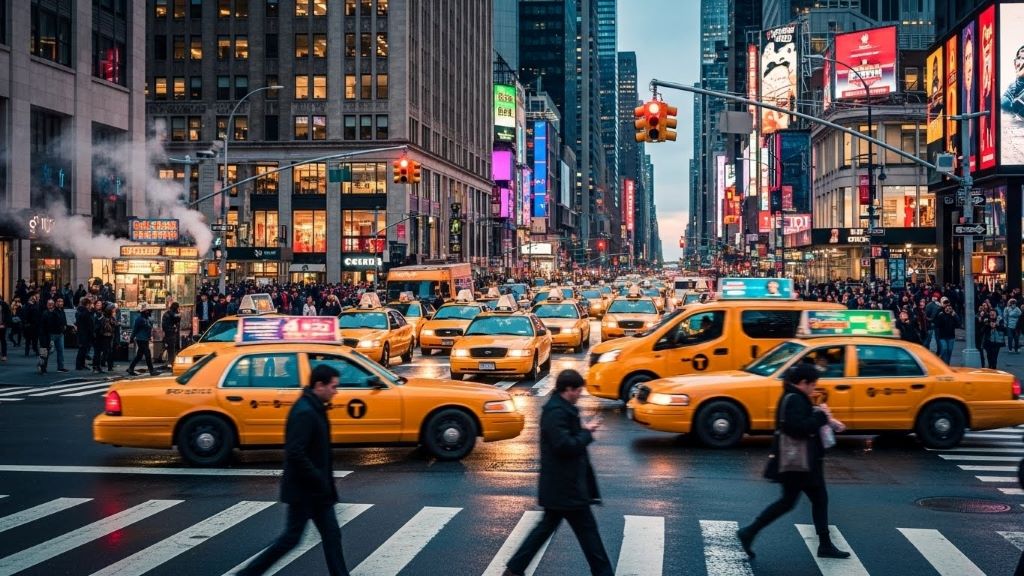
The arrival of sound changed everything. Suddenly, filmmakers could capture the city’s noise and rhythm. Taxi horns, street vendors, and subway rumbles became part of the story. This auditory dimension made the city feel alive in ways previously impossible.
Noir and the Dark City
Film noir emerged in the 1940s with New York as a primary setting. These films presented the city differently than earlier works. Instead of celebrating progress, noir showed urban darkness. Shadows from fire escapes and elevated trains created ominous visuals.
Movies like “The Naked City” used real New York locations extensively. This documentary-style approach felt authentic and gritty. Consequently, audiences saw a city that felt dangerous and unpredictable. The mythology of the urban jungle took hold.
Noir filmmakers used New York’s architecture strategically. Narrow alleys suggested entrapment. High-rise buildings represented isolation despite density. These visual choices influenced how cities would appear in crime films for decades.
The Romantic City Emerges
Romantic comedies of the 1950s and 1960s offered a different vision. Films like “Breakfast at Tiffany’s” presented New York as glamorous and sophisticated. The city became a place where dreams came true. However, this version also felt magical rather than realistic.
Central Park provided a natural escape within the urban environment. Rooftop scenes suggested possibility and freedom. Additionally, iconic locations like the Plaza Hotel became symbols of romance. This softer mythology balanced noir’s darkness.
Woody Allen later perfected the neurotic romantic New York. His films showed the city as intellectual and cultured. Characters discussed art while walking through museums. They had meaningful conversations in cafes. Therefore, New York became the thinking person’s romantic destination.
Action and Spectacle
The 1970s brought grittier action films to New York’s streets. “The French Connection” featured a legendary chase under elevated trains. “Taxi Driver” showed the city’s seedy underbelly without glamorization. These films reflected real urban challenges of that era.
Conversely, the 1980s saw New York in big-budget spectacles. “Ghostbusters” turned landmarks into playgrounds for supernatural adventures. The city could handle anything filmmakers imagined. Its resilience became part of the mythology.
Disaster films regularly destroyed New York to dramatic effect. Giant monsters climbed its buildings. Aliens attacked its streets. Yet the city always represented humanity’s last stand. This recurring theme reinforced New York’s symbolic importance.
The Multicultural Metropolis
Spike Lee’s films revealed New York’s diverse neighborhoods authentically. “Do the Right Thing” showed Brooklyn’s cultural complexity. Different communities coexisted with tension and vitality. This perspective added depth to the city’s cinematic representation.
Other filmmakers followed by exploring specific neighborhoods. The Bronx, Harlem, and Queens each had distinct identities. These films moved beyond Manhattan-centric views. Therefore, the city’s mythology became richer and more accurate.
Immigration stories used New York as a gateway city. Characters arrived seeking opportunities and faced challenges. The city tested them but also offered possibilities. This narrative reflected America’s broader mythology through an urban lens.
The Post-9/11 City
After 2001, filmmakers approached New York differently. The skyline had changed permanently. Some films avoided showing the altered landscape. Others confronted it directly. This shift affected how the city appeared on screen.
Superhero films became major users of New York locations. “Spider-Man” swung between buildings audiences recognized. “The Avengers” defended the city from alien invasion. These films reinforced New York’s status as the world’s most important city.
Television series also embraced New York extensively. Shows filmed on location added authenticity. Viewers became familiar with specific blocks and neighborhoods. Consequently, the line between real and cinematic New York blurred further.
Architectural Icons as Characters
Certain buildings transcend background status in films. The Empire State Building has appeared in countless movies since “King Kong.” Grand Central Terminal hosts dramatic scenes regularly. These structures carry meaning beyond their physical presence.
The Brooklyn Bridge connects Brooklyn to Manhattan literally and cinematically. It represents passage and transformation in many films. Additionally, its Gothic towers create instantly recognizable silhouettes. Filmmakers use it to signal New York immediately.
According to The New York Times, the city’s architecture continues influencing contemporary filmmaking. Modern glass towers present new visual possibilities. However, historic buildings maintain their powerful cinematic appeal.
The Digital City
Technology has transformed how filmmakers use New York. CGI allows impossible camera movements and perspectives. Directors can digitally alter or remove elements. Therefore, they create idealized versions of the city.
However, this raises questions about authenticity. Does a digitally enhanced New York carry the same mythological weight? Many filmmakers still prefer practical locations. The city’s real texture adds something computer graphics cannot replicate.
Streaming platforms have increased New York content production significantly. More stories set in the city reach global audiences. This exposure reinforces and updates the city’s mythology continuously.
Global Influence and Imitation
New York’s cinematic mythology has influenced cities worldwide. Other metropolises try to capture similar energy on screen. However, none match New York’s combination of architecture, diversity, and cultural significance.
Asian cities like Tokyo and Hong Kong developed their own cinematic identities. Yet they often reference New York’s visual language. The vertical city with crowded streets became a universal urban template. Therefore, New York’s influence extends beyond American cinema.
European filmmakers sometimes use their cities to contrast with New York. Paris offers romance through history rather than modernity. London provides tradition versus New York’s constant reinvention. These comparisons highlight New York’s unique mythology.
The City That Never Sleeps
New York’s 24-hour energy makes it ideal for filmmaking. Stories can unfold at any hour believably. Late-night diners, early morning streets, and midnight taxi rides all feel authentic. This temporal flexibility serves countless narratives.
The phrase “the city that never sleeps” captures essential mythology. New York represents constant possibility and perpetual motion. Characters can reinvent themselves because the city itself never stops changing. This dynamic quality translates perfectly to cinema’s motion.
Nighttime New York offers particular visual appeal. Neon lights reflect on wet streets. Windows glow in darkened towers. These images communicate urban vitality that daylight scenes cannot match.
Conclusion
New York City has shaped cinematic mythology more than any other location. Its architecture provides dramatic backdrops. Its diversity offers countless stories. Additionally, its cultural significance makes it immediately recognizable worldwide. From noir shadows to romantic comedy sparkle, the city adapts to any genre. Filmmakers continue discovering new ways to capture its essence. Therefore, New York’s influence on cinema will likely endure for generations. The relationship between this city and film has created a mythology that transcends reality. It represents what cities mean to human imagination.
Frequently Asked Questions
Why is New York City used so often in movies?
New York offers diverse locations within a compact area. Its iconic architecture provides instant visual recognition. Additionally, the city’s film industry infrastructure makes production practical. The city represents universal themes of ambition, diversity, and opportunity that resonate globally.
What was the first major film shot in New York City?
Early films like “What Happened on Twenty-third Street, New York City” from 1901 used the city. However, “The Naked City” in 1948 pioneered extensive location shooting. This approach influenced how filmmakers used real urban environments.
How has New York’s cinematic image changed over time?
The city evolved from a symbol of modernity to noir danger, then romantic possibility. More recently, it represents resilience and diversity. Each era’s films reflect contemporary views of urban life and New York’s changing reality.
Do filmmakers prefer New York over other cities?
Many do because of its visual variety and symbolic weight. However, tax incentives have shifted production to other locations. Despite this, New York maintains unique cinematic appeal that other cities struggle to match.
What neighborhoods appear most frequently in films?
Manhattan, particularly Midtown and Downtown, dominates. However, Brooklyn has gained prominence recently. Queens, the Bronx, and Harlem appear increasingly as filmmakers explore the city’s full diversity.
Related Topics: