How to Choose Budget Mountain Bike Shoes That Last
Mountain biking demands reliable gear that can withstand rough terrain, unpredictable weather, and constant abuse. Your shoes connect you to your bike and the trail, making them one of the most critical pieces of equipment you’ll own. However, quality cycling footwear often comes with a hefty price tag that can discourage beginners and budget-conscious riders.
The good news is that you don’t need to spend a fortune to get durable, functional mountain bike shoes. Understanding what features actually matter and which ones are just marketing hype helps you make smart purchasing decisions. This guide will show you how to find affordable MTB shoes that deliver excellent performance without breaking the bank.
Whether you’re new to mountain biking or simply looking to stretch your gear budget further, learning to evaluate quality construction and essential features ensures you get the best value for your money. Let’s explore how to choose budget-friendly shoes that will last season after season on the trails.
Understanding What Makes Mountain Bike Shoes Different
Mountain bike shoes serve a fundamentally different purpose than regular athletic shoes or road cycling shoes. These differences directly impact durability and performance, making it essential to understand what you’re looking for.
The soles of mountain bike shoes are stiffer than running shoes but more flexible than road cycling shoes. This balance allows efficient power transfer to the pedals while maintaining enough flex for comfortable walking on technical terrain. You’ll often need to hike sections of trails, carry your bike, or navigate rocky paths on foot.
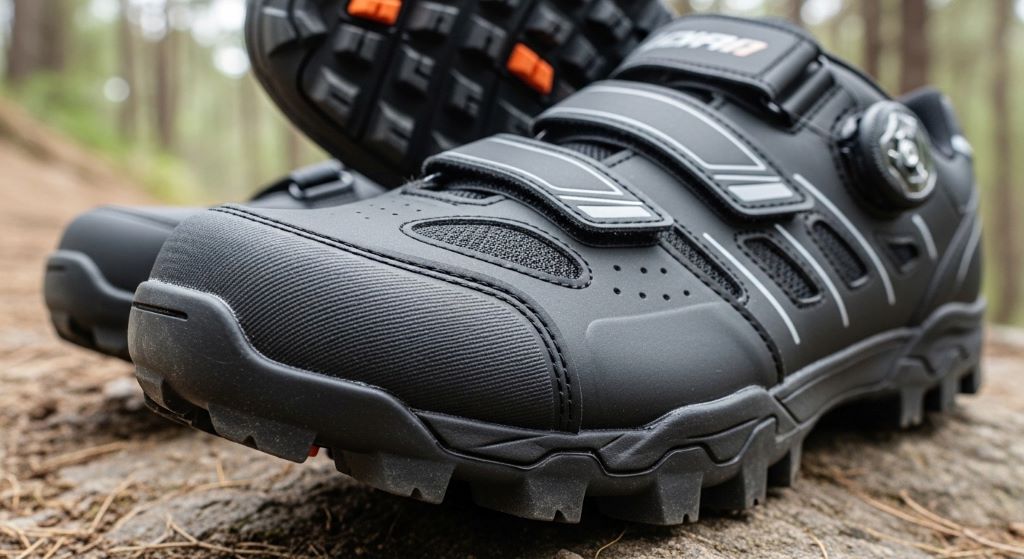
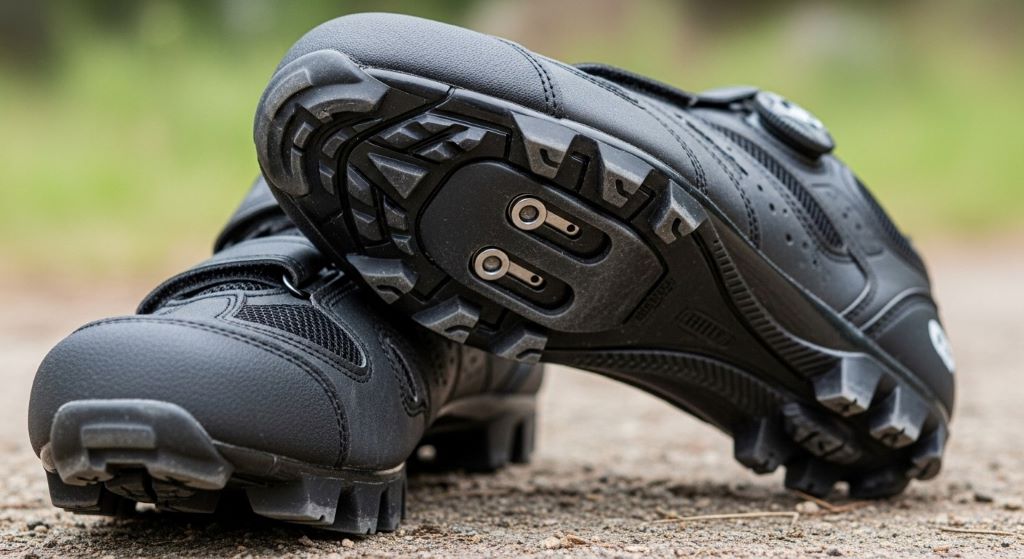
Additionally, mountain bike shoes feature recessed cleat mounting. The cleats sit in indented areas of the sole, allowing the tread to contact the ground when walking. This design protects the cleats from wear and makes hiking much more practical than with road shoes, where cleats protrude and make walking difficult.
Tread patterns on the soles provide grip on various surfaces. When you’re pushing your bike up a steep climb or navigating a muddy section on foot, aggressive tread becomes crucial. Quality tread design separates shoes that last from those that quickly become slippery and dangerous.
Durability in mountain bike shoes comes from reinforced toe boxes, sturdy upper materials, and robust closure systems. Trails throw roots, rocks, and debris at your feet constantly. Shoes must withstand this abuse while maintaining their structure and protective qualities.
Key Features That Affect Longevity
When shopping for budget mountain bike shoes, certain features directly correlate with how long they’ll last. Focusing on these elements helps you distinguish between genuinely good value and false economy.
Upper material quality makes an enormous difference in durability. Synthetic leather and reinforced mesh offer good abrasion resistance while remaining affordable. Look for double or triple-stitched seams, which indicate better construction. These reinforced areas withstand stress better than single-stitched alternatives.
Toe box protection is non-negotiable for trail bike shoes. Rubber toe caps or reinforced synthetic materials shield your toes from rocks and impacts. This protection also extends the shoe’s life by preventing the upper material from tearing or wearing through in high-impact areas.
Closure systems vary widely in durability and functionality. Velcro straps are simple and reliable but can wear out over time. Ratchet buckles offer precise adjustment and typically last longer than velcro. Laces provide excellent adjustability but can catch on branches and may need replacement. BOA dials are convenient and durable, though they’re less common on budget options.
Sole construction determines both performance and longevity. Shoes with replaceable sole components offer better long-term value than those where the entire sole is permanently attached. Even if replacement parts cost extra, they extend the shoe’s usable life significantly.
Water resistance features protect internal components and keep your feet comfortable. While fully waterproof shoes cost more, water-resistant treatments and strategic placement of sealed seams can provide adequate protection in budget models. These features also prevent the materials from breaking down as quickly when exposed to moisture.
Finding the Sweet Spot in Pricing
Budget-friendly doesn’t mean choosing the absolute cheapest option. Understanding price tiers helps you identify where you get the best return on investment for durable mountain bike shoes.
Entry-level shoes typically range from forty to seventy dollars. These often sacrifice some durability features but can still serve beginners well. They usually have basic closure systems, simpler sole construction, and less robust upper materials. However, reputable brands sometimes offer solid entry-level options that provide good value.
Mid-range budget options, from seventy to one hundred twenty dollars, often represent the best value for most riders. Manufacturers in this range typically include better materials, more durable construction, and features that extend the shoe’s lifespan. You’re not paying for premium brand names or professional-level features you probably don’t need.
Sales and previous-season models offer opportunities to get higher-quality shoes at budget prices. Last year’s color schemes or slightly outdated designs function just as well as current models. Shopping end-of-season sales can yield excellent deals on rugged cycling shoes that would normally exceed your budget.
Outlet stores and online retailers often have significant discounts on quality mountain bike shoes. However, ensure you’re buying from authorized dealers to avoid counterfeit products. Fake shoes might look similar but use inferior materials that won’t last.
Consider the cost per ride rather than just the upfront price. Shoes costing eighty dollars that last three seasons provide better value than forty-dollar shoes you replace every year. Factor in durability when comparing prices.
Evaluating Build Quality Before Purchase
Knowing how to assess construction quality helps you avoid poor-value purchases. Several quick checks reveal whether budget shoes are built to last.
Examine the stitching carefully. Thread should be tight and even, with no loose ends or skipped stitches. Check high-stress areas like where the upper attaches to the sole and around the toe box. Quality stitching in these areas indicates attention to detail throughout the shoe.
Flex the sole to assess stiffness and integrity. The shoe should resist bending but not feel like a wooden plank. Check for any separation between sole layers or gaps in the construction. Quality shoes maintain consistent stiffness across the entire sole.
Inspect the closure system for smooth operation. Velcro should have strong grip with no fraying. Buckles should click firmly and release easily. If present, BOA dials should turn smoothly in both directions without slipping.
Press on the toe box to verify protection. There should be noticeable reinforcement that doesn’t collapse easily under pressure. This protection is essential for durability and safety on technical trails.
Check the insole quality. While often overlooked, good insoles improve comfort and can be replaced separately, extending the shoe’s useful life. Removable insoles are preferable as they allow customization and easier drying.
Look for reinforcement in wear-prone areas. The heel counter, ankle collar, and sides of the toe box should have extra material or protection. These details indicate the manufacturer considered real-world use patterns.
Choosing Between Clipless and Flat Pedal Shoes
Your pedal preference significantly impacts which shoes will serve you best. Both clipless and flat pedal shoes have budget options, but their durability considerations differ.
Clipless shoes require compatible cleats that attach to clipless pedals. Budget clipless shoes often have plastic cleat mounts that can wear faster than metal inserts. However, many affordable options still provide adequate durability for recreational riding. The mechanical connection to pedals means the upper material experiences less abrasion than flat pedal shoes.
Flat pedal shoes rely on grippy rubber soles and don’t use cleats. They’re generally more versatile for riders who also walk or hike extensively. The soles take more abuse since they’re in constant contact with pedal pins, making sole durability crucial. Look for thick rubber compounds in high-contact areas.
Clipless shoes typically require less frequent replacement if you don’t walk in them much. The cleats themselves need periodic replacement, but the shoes can last years. Budget clipless options often compromise on walkability rather than pedaling performance.
Flat pedal shoes excel at versatility but may wear faster. The constant grinding against pedal pins gradually wears down the rubber. However, some budget models use surprisingly durable rubber compounds that resist this wear effectively.
Consider your riding style when choosing. Aggressive trail riding with lots of foot-out moments favors durable flat pedal shoes. Cross-country riders who stay clipped in most of the time might find budget clipless shoes perfectly adequate.
Material Selection and Weather Resistance
The materials used in construction directly affect both durability and comfort. Understanding different material options helps you choose shoes that will withstand your local conditions.
Synthetic leather uppers offer excellent durability at lower price points than genuine leather. They resist water better, dry faster, and require less maintenance. Quality synthetic leather can last just as long as real leather in mountain biking applications.
Mesh panels improve breathability but can be vulnerable to damage. Look for reinforced or ripstop mesh in high-exposure areas. Some budget shoes use mesh extensively to reduce costs, but this can compromise longevity on aggressive trails.
Rubber reinforcements in strategic locations protect vulnerable areas without adding excessive weight or cost. Quality budget shoes place rubber guards where you actually need them rather than covering the entire shoe unnecessarily.
Waterproof membranes add cost but can be worth it depending on your climate. However, many riders find water-resistant treatments sufficient for most conditions. Fully waterproof shoes can also trap moisture from sweat, creating different comfort issues.
Sole rubber compounds vary in durability and grip. Softer compounds grip better but wear faster. Harder compounds last longer but may not provide adequate traction. Mid-range hardness offers the best balance for most trail riding.
Consider your local trail conditions when evaluating materials. Dry, dusty trails are less demanding on materials than muddy, wet conditions. Rocky, technical terrain requires more robust toe protection than smooth flow trails.
Sizing and Fit for Long-Term Comfort
Proper fit isn’t just about immediate comfort. It directly affects how long your shoes will last and remain usable. Poor-fitting shoes wear unevenly and cause discomfort that may force premature replacement.
Mountain bike shoes should fit snugly without being tight. Your toes shouldn’t touch the front of the toe box when standing, but they should come close. Shoes that are too large allow excessive movement that causes blisters and accelerates wear on the interior.
Try shoes with the socks you’ll actually wear while riding. Cycling socks are typically thinner than athletic socks, affecting fit significantly. Some riders prefer thicker socks for cold weather riding, which requires planning ahead when sizing.
Walk around in the shoes before purchasing. Mountain biking involves more walking than road cycling, making this test essential. The shoes should feel stable and not cause pressure points anywhere on your feet.
Different brands fit differently even in the same size. Some have narrower or wider toe boxes, different arch support, or varied heel shapes. Don’t assume your usual shoe size will work across all brands.
Consider that shoes may break in slightly but won’t stretch significantly. If they’re uncomfortable in the store, they’ll likely remain uncomfortable. However, very stiff shoes may soften slightly with use, improving comfort without compromising support.
Leave trying-on shoes until later in the day when your feet are slightly swollen. This mimics how your feet will feel during and after rides, giving you a more accurate sense of fit.
Maintenance Practices That Extend Shoe Life
Even the most durable budget shoes need proper care to reach their full lifespan potential. Simple maintenance practices can double or triple how long your shoes last.
Clean your shoes after muddy or wet rides. Dried mud accelerates material breakdown and can damage closure systems. A quick rinse with a hose removes most debris. Use a soft brush for stubborn dirt, avoiding harsh scrubbing that damages materials.
Dry shoes properly between rides. Remove insoles and loosen all closures to allow air circulation. Stuff shoes with newspaper to absorb moisture and help them maintain shape. Never use direct heat sources like radiators or dryers, which can warp materials and separate glue bonds.
Treat synthetic materials with appropriate protectants. Water-resistant sprays designed for outdoor footwear can refresh the water resistance of budget shoes. Apply these treatments periodically, especially before wet seasons.
Inspect cleats and mounting hardware regularly if using clipless shoes. Worn cleats damage the shoe’s mounting points and affect performance. Replace cleats before they become completely worn to protect your investment in the shoes.
Rotate between two pairs if possible. Allowing shoes to fully dry and rest between rides extends their life significantly. This practice is especially valuable if you ride frequently or in wet conditions.
Store shoes in a cool, dry place away from direct sunlight. UV exposure degrades synthetic materials over time. Proper storage maintains materials and prevents premature aging.
Check for small issues before they become big problems. A loose stitch caught early can be repaired easily. Left unaddressed, it can lead to complete separation requiring professional repair or replacement.
When to Repair Versus Replace
Understanding when shoes can be repaired saves money and extends the life of quality budget footwear. However, knowing when replacement is necessary prevents wasting money on shoes beyond saving.
Worn soles on clipless shoes can often be replaced if the upper is still good. Some manufacturers offer resoling services or replacement sole kits. Even if not officially offered, skilled cobblers can sometimes replace mountain bike shoe soles at reasonable cost.
Broken closure systems are usually repairable. Replacement velcro, buckles, or laces cost little and are easy to install. BOA dial systems can sometimes be replaced through the manufacturer’s crash replacement program at reduced cost.
Separated seams can be re-stitched if caught early. A cobbler can reinforce problem areas for minimal cost. This repair works best on shoes with quality upper materials that haven’t deteriorated significantly.
Worn insoles should always be replaced rather than discarding the entire shoe. Aftermarket insoles often improve comfort over original equipment and cost a fraction of new shoes.
However, some damage indicates replacement time. Holes in the toe box that expose your feet to impacts compromise safety. Soles separating from uppers in multiple places or showing extensive cracking won’t hold up even with repairs. Upper materials that have stretched significantly won’t provide adequate support.
Calculate repair costs against replacement costs. If repairs approach half the cost of new shoes, replacement usually makes more sense unless you’re particularly attached to the shoes or they’re otherwise unavailable.
Understanding Warranties and Return Policies
Smart shopping includes understanding the protections available when purchasing budget mountain bike shoes. Warranties and return policies can significantly affect your actual cost of ownership.
Many reputable manufacturers offer warranties against defects even on budget models. These warranties typically cover manufacturing flaws but not normal wear or damage from crashes. Read warranty terms carefully to understand what’s covered and for how long.
Retailers often have more generous return policies than manufacturers. Many offer thirty to ninety-day satisfaction guarantees allowing returns if shoes don’t work out. This protection is invaluable for online purchases where you can’t try shoes before buying.
Keep receipts and original packaging until you’re certain the shoes work for you. Documentation is essential for warranty claims or returns. Take photos of any defects immediately upon discovery.
Register products when manufacturers offer registration. This creates a record of purchase date and ensures you receive information about recalls or safety issues. Some companies offer extended warranties for registered products.
Understand the difference between defects and normal wear. Manufacturers won’t warranty shoes simply because you wore through the sole after a season of riding. However, premature separation of glued components or failed closure systems within the warranty period should be covered.
Buy from authorized dealers to ensure warranty validity. Unauthorized retailers sometimes sell legitimate products, but manufacturers may not honor warranties for products purchased through unofficial channels.
Conclusion
Choosing durable, affordable MTB shoes requires balancing cost against quality construction and essential features. Focus on robust materials in high-wear areas, quality stitching, adequate sole stiffness, and appropriate protection for your riding style. Remember that the cheapest option rarely provides the best value when durability matters.
Evaluate potential purchases carefully by checking construction quality, ensuring proper fit, and understanding what features genuinely contribute to longevity. Whether you choose clipless or flat pedal shoes, prioritize build quality over flashy features you don’t need. Consider previous-season models and sales to get rugged cycling shoes at budget-friendly prices.
Proper maintenance dramatically extends shoe life regardless of initial cost. Clean shoes regularly, dry them properly, and address small repairs before they become major problems. Understanding when repairs make sense versus when replacement is necessary helps you maximize value from your investment.
The right trail bike shoes enhance your riding experience while lasting multiple seasons, proving that budget-friendly doesn’t mean disposable. By applying the knowledge in this guide, you can confidently select mountain bike shoes that deliver excellent performance and durability without straining your budget. Your feet and your wallet will thank you for choosing wisely.
Frequently Asked Questions
How long should budget mountain bike shoes last with regular use?
Quality budget mountain bike shoes should last one to three years with regular recreational riding, depending on riding frequency and terrain difficulty. Riders who bike two to three times weekly can expect around two years from well-maintained shoes. More aggressive riding, frequent wet conditions, or extensive walking in clipless shoes may reduce lifespan. Conversely, casual riders might get four or more years from the same shoes. Proper maintenance significantly extends longevity regardless of riding frequency.
Are expensive mountain bike shoes really that much better than budget options?
Premium shoes offer refinements like lighter weight, superior ventilation, advanced closure systems, and optimized power transfer. However, for recreational and intermediate riders, these differences have minimal practical impact. Budget shoes from reputable brands provide adequate stiffness, durability, and protection for most trail riding. The performance gap narrows considerably in the mid-budget range. Unless you’re racing competitively or riding extremely technical terrain regularly, budget options serve perfectly well.
Can I use clipless mountain bike shoes with flat pedals or vice versa?
Clipless shoes work poorly with flat pedals because the cleat mounting area creates an uneven, unstable platform. The recessed cleat mount doesn’t provide enough surface area for secure contact with flat pedal pins. Conversely, flat pedal shoes won’t attach to clipless pedals without cleats. Some riders use flat pedal shoes with clipless pedals when learning, but this defeats the purpose of clipless systems. Choose shoes matching your pedal type for best performance and safety.
What’s the difference between mountain bike shoes and road cycling shoes?
Mountain bike shoes have recessed cleats allowing normal walking, more flexible soles for hiking technical sections, aggressive tread patterns for grip on trails, and more durable construction to withstand rough conditions. Road shoes have protruding cleats making walking difficult, very stiff soles maximizing power transfer, smooth soles since walking isn’t expected, and lighter construction since they face less abuse. Mountain bike shoes are far more practical for mixed riding and walking.
How tight should mountain bike shoes fit?
Mountain bike shoes should fit snugly without causing pressure points or numbness. Your heel should stay locked in place without lifting during pedaling motions. Toes should nearly touch the front when standing but have slight room when seated on the bike. The shoe should feel secure enough that your foot doesn’t slide around inside, but not so tight that it restricts circulation. Remember that feet swell during long rides, so avoid excessively tight fits.
Related Topics:
Which Image Persuades Young Adults to Wear Bike Helmets
Cyclocross Bike Race with Mountain Bike