
How to Pick the Best Golf Hat for Hot Weather Conditions

Playing golf in hot weather is a test of skill and endurance. The sun beats down hard. Temperatures rise quickly on open fairways. Without the right gear, your game and your health can both suffer. One of the simplest things you can do is choose the right hat.
A great golf hat does more than shade your face. It manages heat, controls sweat, and keeps you focused from the first tee to the eighteenth hole. However, not every hat on the market is built for real summer heat. Therefore, knowing what to look for will save you from a disappointing purchase.
This guide covers everything you need to know. By the end, you will be confident choosing a hat that keeps you cool, comfortable, and performing at your best.
Why Your Golf Hat Matters in Hot Weather
Many golfers underestimate the importance of a good hat. They grab whatever is available and head out without much thought. This approach, however, can lead to real problems.
Direct sun exposure raises your core body temperature. It causes fatigue, reduces concentration, and increases the risk of heat exhaustion. A hat shields your head and face from direct UV rays. It also helps regulate the temperature around your head, which matters more than most people realize.
Additionally, sweat running into your eyes is a genuine distraction on the course. A hat with proper moisture management prevents this from happening. Therefore, choosing a hat specifically designed for hot conditions is a worthwhile investment.
Key Features to Look for in a Hot-Weather Golf Hat
When selecting a golf hat for summer play, several specific features separate a good hat from a great one. Here is what to pay attention to:
Moisture-Wicking Sweatbands
The interior sweatband is one of the most critical components. It sits directly against your forehead and absorbs sweat as you play. A poor-quality sweatband becomes soggy quickly. It then stops absorbing and starts dripping.
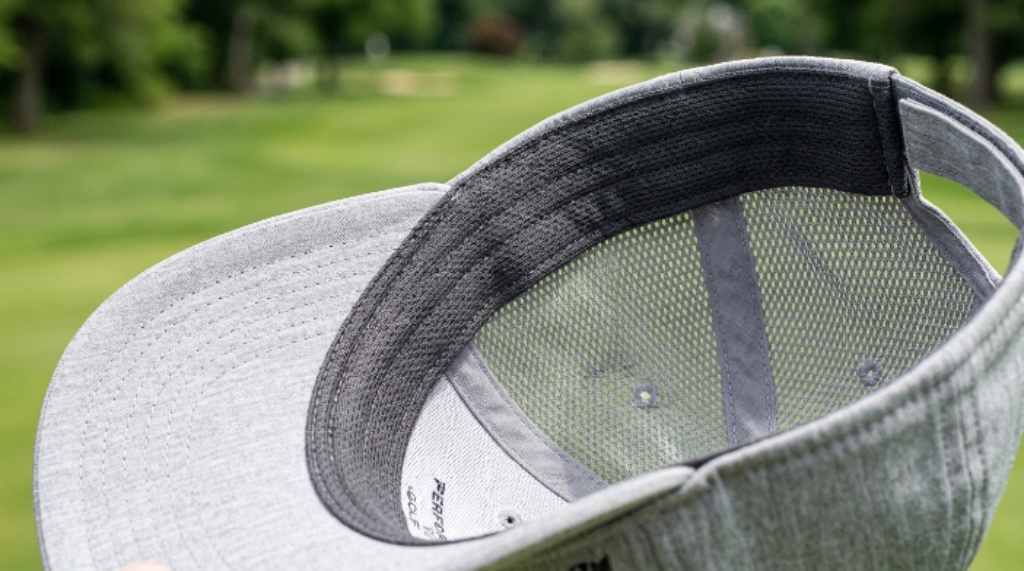
Look for hats that use sweat-wicking hats technology in the sweatband. Fabrics like polyester microfiber and nylon blends draw moisture away from the skin and allow it to evaporate quickly. This keeps the band feeling dry even on the hottest days.
Breathable Fabric and Ventilation
The outer fabric of your hat plays a huge role in airflow. Tightly woven fabrics trap heat. Lighter, open-weave materials allow air to move through. This helps cool your head naturally as you walk the course.
Many performance golf hats now include mesh panels on the sides or back. These panels dramatically increase ventilation. Additionally, some caps feature laser-cut perforations across the crown for even more airflow. Both options work well in hot conditions.
UPF Sun Protection
UV protection is a feature that deserves more attention. A hat that blocks harmful rays reduces your risk of sunburn and long-term skin damage. Look for hats rated UPF 30 or higher. UPF 50+ offers the best protection available.
However, do not assume that any hat offers full UV protection. Color and weave density both affect how much sun gets through. Darker colors and denser weaves generally offer more protection, though this can reduce breathability.
Lightweight Construction
Weight matters when you are wearing a hat for five or more hours. A heavier hat causes tension on the neck and head. It also traps more heat. Look for hats that weigh under three ounces if possible.
Lightweight materials like recycled polyester, spandex blends, and technical nylons are common in quality golf hats. Therefore, check the product weight or material description before buying.
Adjustable Fit
A hat that fits poorly is uncomfortable and unhelpful. It may blow off in wind or press too tightly against your temples. Most modern golf caps include adjustable back straps or fitted sizing options.
Stretch-fit hats with elastane in the band offer a snug yet comfortable feel without pressure points. An adjustable closure gives you more flexibility, especially if you wear your hair differently from day to day.
Types of Golf Hats Suitable for Hot Weather
The style of hat you choose also affects your comfort in the heat. Each type has its advantages and trade-offs.
Classic Baseball-Style Golf Cap
This is the most popular style on golf courses worldwide. It shades the face and eyes effectively. The structured brim keeps its shape in humidity and wind. Additionally, the fitted crown sits low on the head, reducing the amount of direct sun exposure on top.
However, a baseball cap leaves the neck and ears exposed. On particularly sunny days, sunscreen becomes essential on those uncovered areas.
Wide-Brim Sun Hat
For golfers who spend many hours in direct sunlight, a wide-brim hat offers superior coverage. It shades the face, neck, and ears all at once. This makes it an ideal part of your summer golf gear on exposed courses without many trees.
The trade-off is that wide-brim hats can feel bulkier. They may also interfere slightly with peripheral vision on certain shots. Therefore, try one on before committing if possible.
Visor
A visor is brimless on top, which means maximum ventilation for the crown of your head. This makes it one of the coolest options available in terms of temperature regulation. It also works well for players with thicker hair who find full caps too warm.
However, a visor offers no shade for the top of your head. This can be a concern on extremely hot days. Additionally, players with thinning hair may find the exposed crown uncomfortable in direct sun.
Bucket Hat
Bucket hats are making a return to the golf course. They offer all-around brim coverage similar to a wide-brim hat but in a softer, more casual profile. Many modern versions are made from quick-dry, technical fabrics. They fold easily into a bag when not in use.
The Role of Color in Heat Management
Color choice affects how much heat your hat absorbs. Dark colors absorb more sunlight and can make the hat itself feel warmer on top. Light colors reflect more sunlight. Therefore, white, cream, and light grey hats tend to stay cooler in direct sun.
However, many golfers prefer darker hats for style or because they are required by their club dress code. In those cases, prioritizing breathable fabric and ventilation panels becomes even more important.
Top Brands Known for Hot-Weather Golf Hats
Several brands consistently produce high-quality golf hats designed for warm conditions. While personal fit and budget vary, the following names are respected in the industry:
- Titleist: Known for clean designs and solid moisture management in their Tour Performance line.
- Nike Golf: Offers Dri-FIT technology across a wide range of cap styles.
- Callaway: Produces lightweight, ventilated options at accessible price points.
- Under Armour: Their HeatGear fabric is specifically engineered for hot conditions.
- Ping: Offers tour-quality hats with strong sun protection features.
Additionally, several smaller performance apparel brands produce excellent options. Do not overlook them simply because they are less well-known.
How to Care for Your Golf Hat to Keep It Performing
A well-made hat performs well when it is clean. Salt from sweat builds up in the sweatband and outer fabric over time. This causes stiffness, odor, and reduced moisture-wicking ability.
Hand wash your hat with cool water and mild detergent after every few rounds. Avoid putting it in a washing machine with an agitator, as this can distort the brim. Air dry your hat in its natural shape. Do not wring it or leave it crushed in a bag.
Additionally, store your hat somewhere it can hold its shape. A dedicated shelf or hat rack works well. Proper care extends the life of your hat significantly.
Pairing Your Hat with the Rest of Your Summer Golf Gear
A great hat works best as part of a complete approach to heat management. Therefore, think about the rest of your outfit when choosing a hat.
Pair your hat with a moisture-wicking polo shirt and lightweight shorts or trousers. Choose socks designed for warm weather to prevent blisters and overheating. Breathable golf shoes with mesh uppers also make a noticeable difference.
Completing your summer golf gear setup with sunscreen, a cooling towel, and extra water ensures you can stay on the course longer and perform better. Your hat is the crown of that system, literally and figuratively.
Conclusion
Choosing the right golf hat for hot weather is not complicated once you know what to look for. Focus on moisture-wicking sweatbands, breathable and lightweight fabrics, and a style that suits your sun exposure needs.
Consider the type of hat that matches how you play. A baseball cap works for most golfers. However, wide-brim and bucket options offer more coverage when the sun is relentless. Additionally, pay attention to color and UPF rating to maximize protection.
Take care of your hat after every few rounds, and it will take care of you through many seasons. Combine it with the rest of your hot-weather kit for the best results. A cool head keeps a calm game. Therefore, invest a little time in your choice and enjoy every round, no matter how high the temperature climbs.
Frequently Asked Questions
1. What is the best fabric for a golf hat in hot weather?
Polyester microfiber, nylon blends, and technical spandex mixes perform best in the heat. These materials wick moisture away quickly, dry fast, and remain lightweight. Avoid cotton for summer play as it absorbs sweat and stays damp.
2. Do I really need UV protection in a golf hat?
Yes. Golfers spend extended time in direct sunlight, often without any shade. UV exposure over time causes skin damage, sunburn, and increases the risk of skin cancer. A hat with UPF 30 or higher provides meaningful protection. Combined with sunscreen, it significantly reduces your risk.
3. How often should I replace my golf hat?
With proper care, a quality golf hat can last two to three seasons of regular play. Replace it sooner if the sweatband becomes permanently stiff or odorous, the brim loses its shape, or the moisture-wicking properties feel noticeably reduced.
4. Is a visor better than a cap for staying cool?
A visor does offer more ventilation at the crown of your head, which can feel cooler. However, it leaves the top of your head exposed to direct sun. For players with good hair coverage or who use scalp sunscreen, a visor is an excellent choice. For others, a ventilated cap may offer a better balance of shade and airflow.
5. Can I wear a regular sports cap instead of a golf-specific hat?
You can, but golf-specific hats offer advantages that general sports caps do not always include. Golf hats are designed with wider brims for eye protection during swings, sweat-wicking hats construction tailored for extended outdoor play, and styles that meet typical golf course dress codes. If you play regularly, a golf-specific hat is a better long-term choice.
Related Topics:
How to Buy Surf Water Shoes for Women: Beginner’s Guide
How to Find Lightweight Surf Shoes for Women That Don’t Slow You Down