How to Pick the Best Rope Leash for Daily Dog Walking
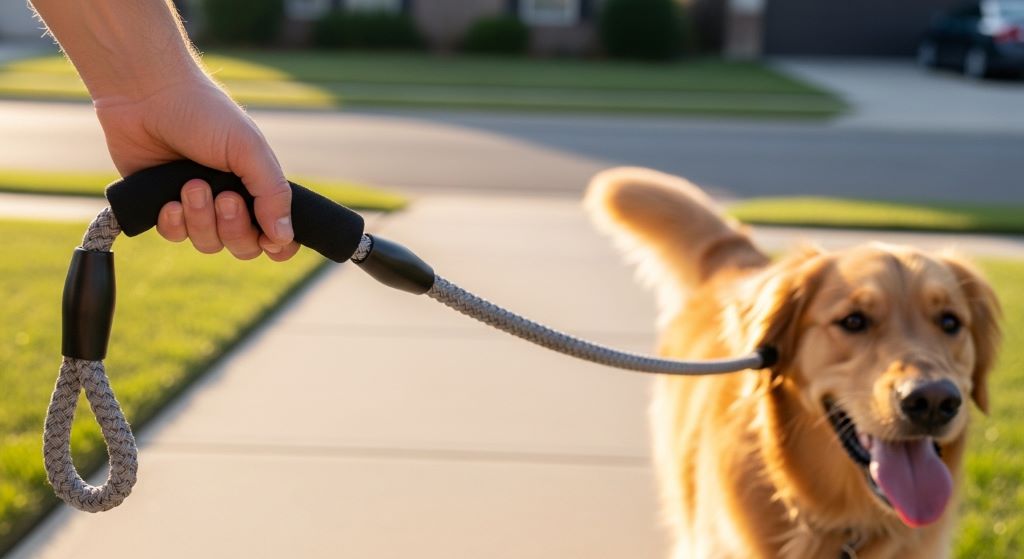
Walking your dog should be an enjoyable experience for both of you. The right leash makes all the difference between a pleasant stroll and a frustrating tug-of-war. Rope leashes have become increasingly popular among dog owners who value durability and comfort. These sturdy options offer unique advantages that traditional flat leashes simply cannot match.
Choosing the perfect leash involves more than just grabbing the first one you see at the pet store. Your dog’s size, behavior, and walking environment all play crucial roles in making the right decision. Additionally, your own comfort and control preferences matter significantly. Understanding these factors helps you make an informed choice that benefits everyone involved.
Understanding Rope Leash Construction and Materials
Rope leashes differ significantly from traditional flat nylon or leather options. The construction method creates a round, cylindrical design that offers distinct advantages. This design distributes pressure more evenly across your hand during walks. Therefore, you experience less discomfort even during extended outings with pulling dogs.
Materials used in rope leash construction vary widely. Climbing rope materials like polypropylene and polyester provide exceptional strength. These materials resist fraying and maintain their integrity even with daily use. Furthermore, they perform well in various weather conditions without degrading quickly.
Marine-grade rope represents another popular choice for quality leashes. This material withstands moisture, salt, and sun exposure exceptionally well. Originally designed for nautical applications, it translates perfectly to dog walking needs. Additionally, marine rope typically features UV-resistant properties that prevent weakening over time.
Natural fiber ropes like cotton offer a softer feel for sensitive hands. However, they require more maintenance and dry slower when wet. Some dog owners prefer this option despite the extra care required. The comfort factor often outweighs the maintenance considerations for daily use.
Braided construction techniques enhance durability and flexibility simultaneously. Quality manufacturers use tight braiding patterns that resist unraveling. Moreover, these patterns create a textured surface that improves grip. This becomes especially important during rainy conditions or when your hands sweat.
Determining the Right Length for Your Walking Needs
Leash length dramatically impacts your walking experience and control level. Standard lengths range from four feet to thirty feet or more. Each length serves different purposes and walking environments. Selecting the appropriate length requires honest assessment of your typical walking scenarios.
Four to six-foot leashes provide maximum control in urban environments. These shorter lengths keep your dog close during sidewalk navigation. Additionally, they help you maintain better awareness of your surroundings. City dwellers often find this length most practical for everyday dog leash use.
Eight to ten-foot leashes offer a balance between control and freedom. Your dog gains extra exploration space while you maintain reasonable control. This length works well in suburban neighborhoods with moderate foot traffic. Furthermore, it allows your dog to investigate interesting scents without wandering dangerously far.
Fifteen to thirty-foot training leads suit open spaces and recall training. Parks and hiking trails become more enjoyable with extended freedom. However, these longer options require skill to manage properly. Inexperienced handlers might struggle with tangling and control issues.
Adjustable rope leashes provide versatility for varying situations. These designs feature multiple attachment points for length customization. You can shorten the leash for busy streets and extend it for open areas. This flexibility makes them excellent all-around choices for diverse walking conditions.
Consider your dog’s training level when selecting length. Well-trained dogs handle longer leashes responsibly. Conversely, dogs still learning proper walking etiquette need shorter restraints. Matching length to training level promotes safety and continued skill development.
Assessing Thickness and Weight Capacity
Rope thickness directly correlates with strength and durability. Thicker ropes generally support larger, stronger dogs more effectively. However, thickness also affects handling comfort and weight. Finding the right balance ensures both safety and comfort during walks.
Small dogs under twenty pounds typically need ropes between one-quarter and three-eighths inch thick. These thinner options provide adequate strength without excess bulk. Additionally, they weigh less, making them comfortable for extended walks. The reduced weight also prevents overwhelming smaller dogs with heavy equipment.
Medium dogs ranging from twenty to sixty pounds benefit from three-eighths to half-inch rope. This thickness offers sufficient strength for moderate pulling forces. Moreover, it remains comfortable to grip for most hand sizes. The increased diameter provides better control without causing hand fatigue.
Large dogs over sixty pounds require half-inch to five-eighths-inch rope minimum. These robust options withstand significant pulling force safely. Furthermore, the extra thickness prevents rope burn during sudden jerks. Large breed owners should never compromise on rope thickness for safety reasons.
Weight ratings provide crucial safety information beyond thickness measurements. Reputable manufacturers list maximum weight capacities clearly. Always choose leashes rated well above your dog’s weight. This safety margin accounts for dynamic forces during pulls and sudden movements.
Consider your own hand size and grip strength when evaluating thickness. Arthritis sufferers or those with smaller hands might struggle with very thick ropes. Conversely, individuals with larger hands find thin ropes uncomfortable and difficult to control. Test different thicknesses before committing to a purchase if possible.
Examining Handle Design and Comfort Features
Handle design significantly impacts your comfort during walks. Poor handle construction causes hand fatigue, blisters, and reduced control. Quality handles incorporate ergonomic principles that enhance the walking experience. Evaluating handle features carefully prevents discomfort and improves safety.
Padded handles provide cushioning that reduces pressure on your palm. Foam, neoprene, and fleece padding materials offer different comfort levels. Foam padding works well for light pullers and short walks. Neoprene provides water resistance and durability for all weather conditions. Fleece offers supreme softness for sensitive hands or extended walking sessions.
Handle size affects grip comfort and control capability. Larger loops accommodate gloved hands during winter walks. Smaller handles suit bare-handed use and provide more precise control. Additionally, consider whether you prefer wrist loops or full-hand grips. Each style offers distinct advantages depending on your holding preferences.
Traffic handles provide an additional short grip near the collar attachment. These secondary handles offer close control during street crossings or crowded situations. Furthermore, they allow quick restraint without shortening the entire leash. Dog owners navigating busy areas find this feature invaluable for safety.
Some rope leashes eliminate traditional handles entirely. Instead, they incorporate hand-spliced loops directly into the rope. This seamless design reduces bulk and potential failure points. However, these minimalist options sacrifice padding for simplicity. They suit experienced handlers comfortable with direct rope contact.
Reflective stitching or materials integrated into handles enhance visibility. Evening and early morning walkers benefit significantly from this safety feature. Additionally, reflective elements help others see you and your dog in low-light conditions. This simple addition can prevent accidents and improve overall walking safety.
Evaluating Hardware Quality and Durability
Hardware components determine overall leash reliability and longevity. Cheap hardware fails unexpectedly, creating dangerous situations. Conversely, quality hardware withstands years of daily use without issues. Understanding hardware considerations helps you identify superior products.
Snap hooks represent the most common attachment method for rope leashes. These spring-loaded clips allow quick attachment and removal. However, quality varies dramatically between manufacturers. Look for heavy-duty snaps made from solid metal rather than hollow construction. The spring mechanism should operate smoothly without sticking or weakness.
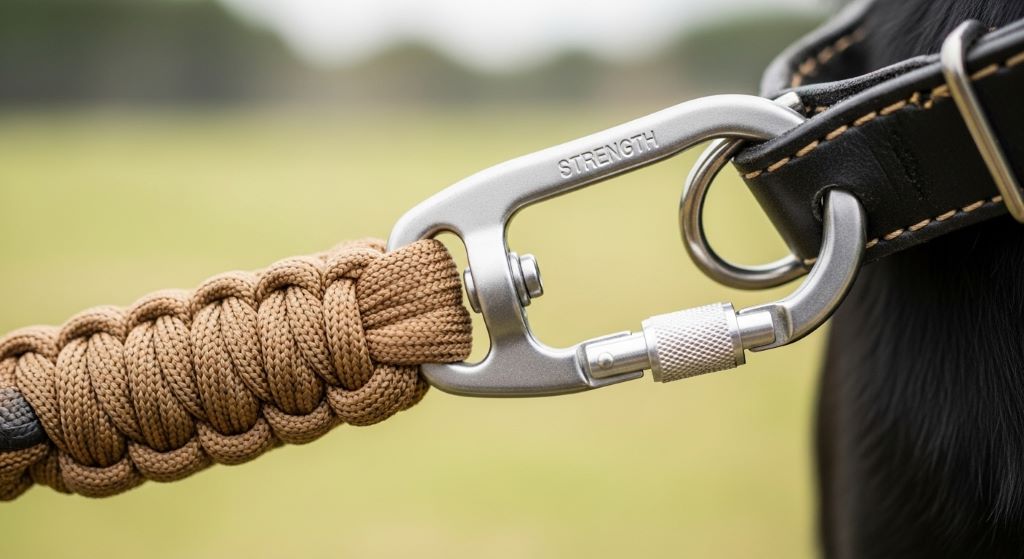
Carabiner-style clips provide enhanced security for strong pullers. These screw-lock or auto-lock designs prevent accidental opening during walks. Mountain climbing hardware inspiration ensures exceptional strength ratings. Additionally, carabiners distribute force more evenly across attachment points. This reduces wear on both the leash and your dog’s collar.
Swivel mechanisms prevent leash twisting during walks. Dogs naturally rotate as they explore their surroundings. Without swivels, rope leashes develop tight twists that weaken the material. Quality ball-bearing swivels operate smoothly and maintain functionality over time. This simple feature significantly extends everyday dog leash lifespan.
Metal composition affects hardware durability and corrosion resistance. Stainless steel offers superior rust resistance in all weather conditions. Brass provides good corrosion resistance with an attractive appearance. Zinc alloy hardware costs less but may corrode faster in humid climates. Consider your local climate when evaluating metal options.
Weight ratings for hardware should match or exceed the rope’s capacity. A strong rope paired with weak hardware creates a failure point. Always verify that all components meet your dog’s size and strength requirements. This comprehensive approach ensures complete system reliability.
Considering Special Features and Additions
Modern rope leashes incorporate various features beyond basic functionality. These additions enhance convenience, safety, and versatility. While not essential, many features provide significant value for specific situations. Evaluating which features match your needs helps justify premium pricing.
Built-in waste bag dispensers attach directly to the leash handle. This convenient feature ensures you always have bags available during walks. Additionally, it eliminates the need for separate carrying pouches or pockets. Dog owners appreciate this all-in-one approach to walk preparation.
Bungee sections absorb shock from sudden pulls or jerks. This elastic portion reduces strain on both human and canine bodies. Furthermore, it can help train dogs to walk more gently. The give-and-take motion discourages hard pulling while maintaining control. Dogs recovering from injuries or elderly handlers particularly benefit from this feature.
Hands-free waist attachments convert standard leashes into running companions. These adapters free your hands for other activities while walking. Joggers and hikers especially value this functionality. However, ensure your dog walks calmly before attempting hands-free use. Poorly behaved dogs can cause falls or injuries with this setup.
Multiple attachment points create versatile configurations for different situations. You can create shorter loops, split leads for two dogs, or makeshift tethers. This adaptability makes single leashes serve multiple purposes effectively. Additionally, it reduces the need for maintaining separate equipment collections.
Personalization options like custom colors and embroidered names add individual flair. While purely aesthetic, these features help identify your leash in group settings. Dog parks and training classes often involve multiple similar leashes. Distinctive personalization prevents mix-ups and adds personality to your walking gear.
Matching Leash Choice to Dog Behavior and Training Level
Your dog’s current behavior significantly influences the best leash choice. Different behavioral profiles require different handling approaches. Selecting a leash that complements your dog’s personality improves walking experiences. Moreover, the right choice can actually support training progress.
Calm, well-trained dogs handle almost any quality rope leash successfully. These dogs walk politely regardless of equipment used. Therefore, you can prioritize comfort and convenience features. Lighter weight options and longer lengths work perfectly for these well-mannered companions.
Excitable pullers need maximum control features for safety and training. Shorter lengths between four and six feet provide better management. Additionally, traffic handles offer emergency control when excitement peaks. Thicker ropes prevent hand injuries from strong, sudden pulls. Consider bungee sections to reduce impact force during training periods.
Reactive dogs require secure hardware and reliable construction. These dogs might lunge at triggers like other animals or strangers. Equipment failure in these moments creates dangerous situations. Double-check all hardware ratings and rope integrity before each walk. Furthermore, practice emergency stops in safe environments regularly.
Puppies benefit from lightweight, flexible options during early training. Heavy equipment overwhelms small bodies and hinders learning. Choose thinner ropes appropriate for their current size. However, remember to upgrade as they grow. Additionally, consider highly visible colors to help others notice your training-in-progress puppy.
Senior dogs appreciate comfortable features that accommodate reduced mobility. Padded handles prevent hand fatigue during slower-paced walks. Lighter overall weight reduces burden on aging handlers. Moreover, shorter lengths help maintain close proximity for stability support. Gentleness becomes the priority over control for these beloved companions.
Understanding Weather Resistance and Maintenance Requirements
Environmental conditions affect rope leash performance and longevity. Different materials respond differently to weather exposure. Understanding these relationships helps you select appropriate options. Additionally, proper maintenance extends equipment life significantly regardless of material choice.
Water resistance varies greatly between rope materials. Synthetic materials like polypropylene dry quickly after rain exposure. Nylon absorbs more water but remains strong when wet. Cotton retains significant moisture and requires thorough drying to prevent mildew. Consider your climate’s typical conditions when making material selections.
UV exposure degrades many rope materials over time. Prolonged sun exposure causes brittleness and color fading. Marine-grade ropes incorporate UV inhibitors that slow this degradation. If you walk primarily in sunny conditions, prioritize UV-resistant options. This consideration becomes especially important in tropical or high-altitude environments.
Freezing temperatures affect rope flexibility and handler comfort. Some materials become stiff in extreme cold, reducing handling ease. Padded handles provide insulation between frozen rope and bare skin. Additionally, certain synthetic materials maintain flexibility better than others in cold weather. Winter walking enthusiasts should test temperature performance before committing.
Salt exposure from beach walks or winter road treatments accelerates corrosion. Rinse rope leashes thoroughly after exposure to salty conditions. This simple maintenance step prevents premature hardware deterioration. Moreover, it removes abrasive particles that degrade rope fibers over time.
Regular cleaning maintains both appearance and functionality. Hand wash rope leashes with mild soap and warm water monthly. Avoid harsh detergents that strip protective coatings from synthetic fibers. Air dry completely before storage to prevent mildew growth. This minimal maintenance routine significantly extends everyday dog leash usable life.
Budget Considerations and Long-Term Value
Rope leash prices span a wide range from budget to premium options. Understanding what drives price differences helps you evaluate value. The cheapest option rarely provides the best long-term value. Conversely, the most expensive leash might include unnecessary features for your needs.
Entry-level rope leashes typically cost between ten and twenty dollars. These basic options provide adequate functionality for occasional use. However, materials and hardware quality may limit lifespan. Light-duty dogs and infrequent walkers find these options perfectly acceptable. They represent reasonable starting points for new dog owners exploring preferences.
Mid-range options between twenty and forty dollars offer better materials and construction. These leashes balance quality with affordability effectively. Most daily walkers find this price range optimal for their needs. Additionally, mid-range options often include useful features without excessive cost. They represent the sweet spot for value-conscious quality seekers.
Premium rope leashes exceed forty dollars and can reach seventy-five dollars or more. Handcrafted options, specialized materials, and advanced features justify higher prices. Serious outdoor enthusiasts and professional trainers often invest in premium equipment. These leashes provide exceptional durability and performance over many years. The initial investment pays off through extended lifespan and superior functionality.
Cost per use provides a better value metric than purchase price alone. A thirty-dollar leash lasting five years costs just six dollars annually. Conversely, a fifteen-dollar leash replaced yearly costs more over time. Calculate expected lifespan based on material quality and your usage patterns. This perspective reveals true value beyond initial sticker shock.
Warranty coverage indicates manufacturer confidence in product quality. Lifetime warranties against defects demonstrate commitment to customer satisfaction. Furthermore, they provide protection against premature failure. While not guaranteeing eternal use, warranties offer peace of mind. Consider warranty terms when comparing similarly priced options from different brands.
Safety Considerations for Different Walking Environments
Walking environments present unique challenges requiring specific leash features. Urban, suburban, and rural settings demand different approaches. Matching your leash to typical environments enhances safety significantly. Additionally, being prepared for various scenarios prevents dangerous situations.
City sidewalks require short leashes for maximum control and awareness. Heavy foot traffic leaves little room for wandering dogs. Four to six-foot lengths keep your dog close during navigation. Moreover, quick-release mechanisms help you react to unexpected situations. Reflective materials become essential for evening walks near traffic.
Suburban neighborhoods allow slightly more freedom with moderate control. Six to eight-foot leashes provide exploration space while maintaining safety. Residential streets have less congestion than city centers. However, surprises like loose dogs or playing children still occur. Versatile features like traffic handles prepare you for quick control when needed.
Rural trails and open spaces suit longer exploration leashes. Eight feet and beyond allow natural investigation while hiking. However, wildlife encounters require immediate recall capability. Training leads up to thirty feet work well in these environments. Always verify local leash law requirements before using extended lengths.
Dog parks often require special considerations or complete leash removal. Some facilities mandate leash use in certain areas while prohibiting them elsewhere. Retractable or adjustable options provide flexibility for these mixed requirements. Additionally, having a shorter option for entering and exiting helps maintain control. Always follow posted rules regarding leash use in public spaces.
Beach walking exposes equipment to harsh sand and salt conditions. Choose materials specifically resistant to these elements. Rinse leashes thoroughly after each beach visit. Furthermore, bright colors help locate dropped leashes in sand. Water-friendly features ensure equipment performs well in wet conditions.
Conclusion
Selecting the best rope leash for daily dog walking involves careful consideration of multiple factors. Material quality, construction method, length, thickness, and hardware all contribute to overall performance. Your dog’s size, behavior, and training level directly influence the ideal choice. Additionally, your typical walking environments and personal comfort preferences matter significantly.
Quality rope leashes offer superior durability and comfort compared to traditional flat alternatives. The round construction distributes pressure evenly, reducing hand fatigue during extended walks. Furthermore, rope materials resist fraying and maintain strength through years of daily use. These advantages justify the investment for serious dog owners.
Weather resistance and maintenance requirements vary between materials and designs. Synthetic options generally require less care than natural fibers. However, all leashes benefit from regular cleaning and proper storage. Simple maintenance routines significantly extend equipment lifespan and performance.
Budget considerations should focus on long-term value rather than initial cost. Mid-range options typically provide the best balance of quality and affordability. Premium leashes justify higher prices through exceptional materials and extended warranties. Calculate cost per use to identify true value beyond purchase price.
Safety remains the paramount concern when choosing any everyday dog leash. Proper length, adequate thickness, and reliable hardware prevent accidents and injuries. Match your equipment to both your dog’s capabilities and your typical walking environments. This thoughtful approach ensures pleasant, safe walks for years to come.
Frequently Asked Questions
How often should I replace my rope leash?
Replace your rope leash when you notice significant wear, fraying, or hardware deterioration. Quality rope leashes typically last three to five years with proper care and daily use. However, heavy pullers or rough conditions may necessitate more frequent replacement. Inspect your leash before each walk for signs of damage. Any compromise in structural integrity warrants immediate replacement for safety.
Can rope leashes work for training puppies?
Yes, rope leashes work excellently for puppy training when properly sized. Choose lightweight options appropriate for your puppy’s current size and weight. The comfortable grip helps you maintain consistent control during training sessions. Additionally, the durability withstands puppy teeth during the chewing phase better than flat nylon. Plan to upgrade sizes as your puppy grows into adulthood.
Are rope leashes better than flat nylon for strong dogs?
Rope leashes generally provide superior comfort and control for strong, pulling dogs. The round construction prevents the cutting sensation that flat nylon creates during pulls. Additionally, rope materials often offer better strength-to-weight ratios. However, both types can work effectively when properly sized. Personal preference and hand comfort should guide your final decision.
How do I prevent my rope leash from getting tangled?
Choose leashes with swivel clips to minimize twisting and tangling. Store your leash loosely coiled rather than tightly wound to prevent permanent kinks. During walks, periodically allow the leash to hang straight and untwist naturally. Additionally, avoid wrapping the leash around your hand multiple times, which creates tangles. Proper handling techniques significantly reduce tangling issues.
Can I use the same rope leash for multiple dogs?
You can use one rope leash for multiple dogs if they walk separately. However, each dog should have appropriately sized equipment for their individual weight and strength. Walking multiple dogs simultaneously requires either separate leashes or specialized multi-dog configurations. Never attach dogs of significantly different sizes to the same standard leash for safety reasons.
Related Topics:
Can Dogs Eat Kiwis: What You Need to Know
When to Euthanize a Dog With Cushing’s Disease