Why Seattle, WA Plant Lovers Are Treating Soil Pests Before They Spread Indoors
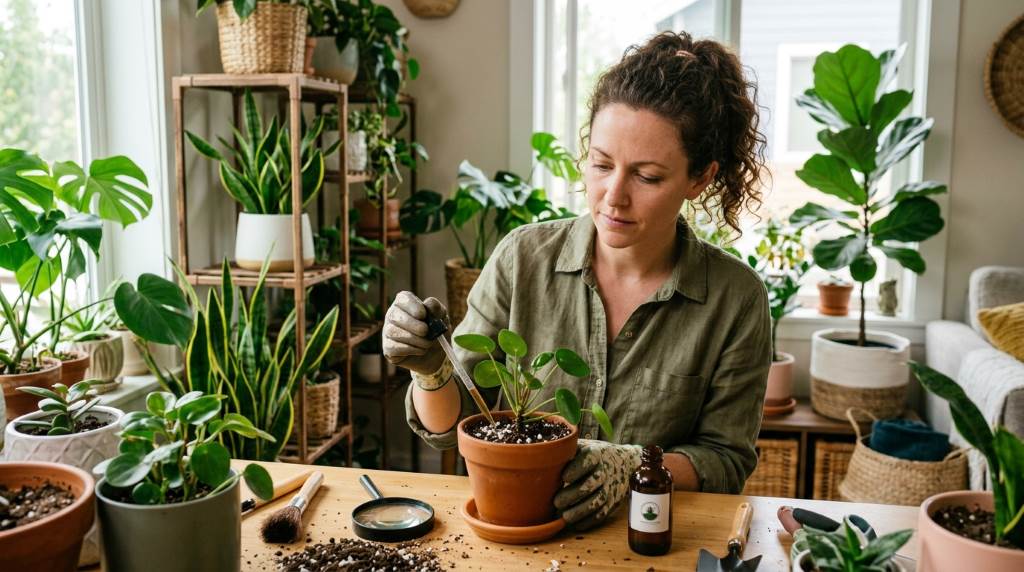
Seattle plant lovers take indoor gardening seriously, and many now focus on stopping soil pests before infestations move inside the home. According to the United States Environmental Protection Agency, indoor pests can spread quickly in damp conditions, especially in regions with high humidity and rainfall. Seattle receives more than 35 inches of rain each year, which creates the perfect environment for moisture-loving pests to thrive. As a result, more homeowners now inspect plant soil regularly and use methods to prevent silverfish in indoor plant soil before the problem grows. Early treatment also protects expensive houseplants and improves indoor air quality.
Why Soil Pests Are Becoming a Bigger Problem in Seattle
Seattle’s mild temperatures and wet climate create ideal conditions for soil pests throughout the year. Many insects stay active longer because winters remain relatively moderate compared to colder states. Additionally, indoor heating during rainy months creates a warm shelter for pests already hiding in plant containers. These conditions allow infestations to spread quickly from one plant to another.
Many plant owners bring outdoor plants inside during colder months, which increases the risk of contamination indoors. Tiny pests often hide deep in moist soil where they remain unnoticed for weeks. Furthermore, store-bought plants sometimes carry eggs or larvae that hatch later inside the home. This hidden activity makes early detection extremely important for Seattle households.
Urban apartments also contribute to the issue because indoor spaces often have limited airflow. Moisture builds up faster in smaller homes, especially near windows and bathrooms where plants usually sit. Consequently, fungus gnats, centipedes, and silverfish thrive in damp corners around potted plants. Plant owners therefore focus on prevention rather than waiting for visible damage.
Common Soil Pests Found in Seattle Homes
Fungus Gnats
Fungus gnats remain one of the most common indoor plant pests in Seattle. These tiny flying insects lay eggs in moist soil and multiply rapidly in humid conditions. Although adult gnats mainly cause annoyance, their larvae feed on plant roots beneath the surface. Over time, damaged roots weaken plant growth and increase disease risks.
Silverfish
Silverfish prefer dark, damp areas and often hide beneath indoor pots or near watering trays. They feed on organic matter and thrive in consistently moist environments. Moreover, Seattle’s rainy climate gives these pests a steady source of humidity throughout the year. Plant owners frequently treat soil early to stop silverfish from spreading into storage areas and bathrooms.
Centipedes
Centipedes commonly appear around overwatered indoor plants because they hunt smaller insects living in damp soil. While centipedes may help reduce some pest populations, many homeowners dislike seeing them indoors. Additionally, their presence usually signals excessive moisture problems in the plant environment. Seattle residents often address soil conditions first to eliminate the root cause.
Root Aphids
Root aphids stay hidden below the soil surface and damage plants slowly over time. These pests feed directly on root systems, reducing nutrient absorption and causing yellow leaves. Since symptoms resemble watering problems, many plant owners overlook infestations at first. Early soil treatment therefore helps prevent long-term plant decline.
How Seattle Weather Encourages Indoor Pest Activity
Seattle experiences extended periods of cloud cover and rain during much of the year. As a result, indoor soil often dries more slowly than it would in sunnier climates. Moist soil creates the perfect breeding ground for insects that prefer humid environments. Therefore, even healthy-looking plants may hide pest populations beneath the surface.
Many residents also keep windows closed during rainy months, which reduces indoor ventilation. Poor airflow traps moisture around plant shelves and corners where humidity levels remain high. Consequently, pests reproduce faster and spread between nearby plants more easily. Plant owners now use fans and proper spacing to improve air circulation indoors.
Seasonal transitions also increase pest movement inside homes. During autumn and winter, outdoor insects search for warm and protected environments. Indoor plant collections offer moisture, shelter, and organic matter that support pest survival. This migration explains why Seattle homeowners often notice infestations after bringing patio plants indoors.
Signs Your Indoor Plant Soil May Have Pests
Early detection helps stop infestations before they spread throughout the home. Many pests stay hidden initially, so plant owners should monitor soil conditions closely each week. Fortunately, several warning signs can reveal a growing problem before serious damage occurs. Consistent observation saves both plants and treatment costs.
Look for these common symptoms around indoor plants:
- Tiny insects flying near soil surfaces
- Yellowing or drooping leaves
- Slow plant growth despite proper care
- White larvae or crawling bugs in soil
- Moldy or sour-smelling potting mix
- Excess moisture that never dries fully
Sticky residue around pots may also indicate hidden pest activity beneath the soil. Furthermore, sudden leaf loss often signals root stress caused by underground insects. Seattle plant owners therefore inspect both leaves and soil regularly for changes. Quick action usually prevents widespread indoor infestations.
Why Early Treatment Matters More Than Ever
Small pest problems often become major infestations within weeks if left untreated. Many insects reproduce rapidly in warm indoor spaces with steady moisture levels. Consequently, one contaminated plant can affect an entire indoor collection very quickly. Early treatment stops this chain reaction before pests spread throughout the home.
Preventive care also protects expensive or rare houseplants from severe root damage. Some collectors in Seattle invest hundreds of dollars into tropical indoor plants that require stable environments. Losing these plants to preventable pests creates unnecessary stress and financial loss. Therefore, proactive soil management has become a common practice among experienced plant owners.
Early action additionally reduces the need for stronger chemical treatments later. Mild infestations often respond well to natural methods like drying soil or replacing potting mix. However, advanced infestations may require repeated pesticide use inside the home. Many Seattle residents prefer prevention because it supports safer indoor living conditions.
Effective Ways Seattle Plant Owners Prevent Soil Pests
Improve Drainage
Proper drainage remains one of the most effective ways to discourage soil pests indoors. Pots without drainage holes trap excess water and create ideal breeding conditions for insects. Therefore, plant owners should always use containers that allow water to escape freely. Adding perlite or bark to potting mixes also improves airflow around roots.
Avoid Overwatering
Overwatering causes many pest problems in Seattle homes because the climate already provides high moisture levels. Plant owners should check soil dryness before watering instead of following fixed schedules. Additionally, different plant species require different moisture levels throughout the year. Allowing soil to dry slightly between watering sessions reduces pest activity significantly.
Use Fresh Potting Soil
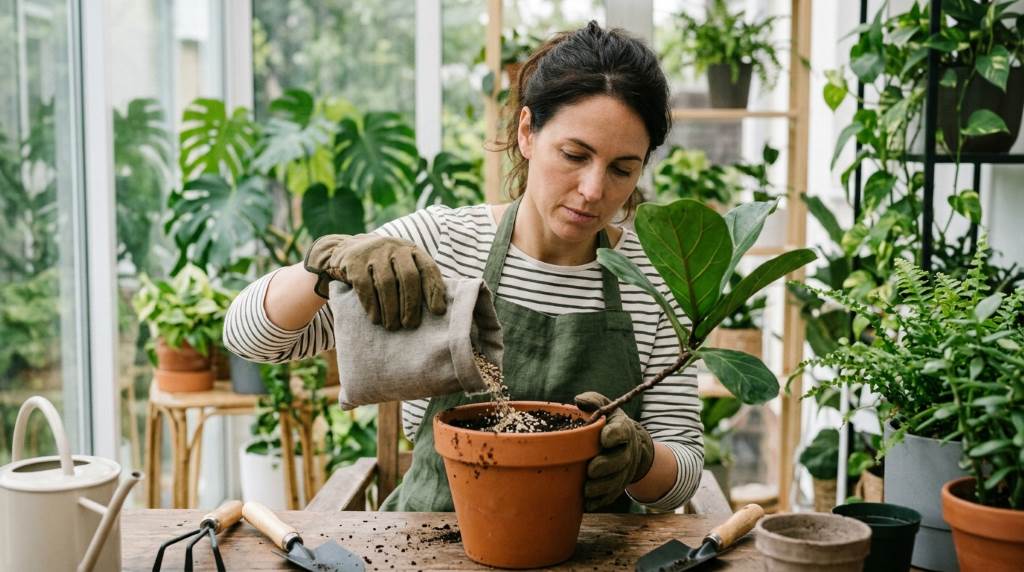
Old or contaminated soil often contains eggs, larvae, or fungal growth that attracts pests. Therefore, experienced plant owners replace potting mix regularly and avoid reusing infested soil. Fresh soil supports healthier roots and lowers the chance of recurring infestations. Many Seattle gardeners also store unused soil in sealed containers to prevent contamination.
Quarantine New Plants
New plants sometimes introduce pests into otherwise healthy indoor collections. Keeping new arrivals separate for at least two weeks allows owners to monitor potential issues safely. During this period, inspect leaves, stems, and soil carefully for insect activity. This simple habit prevents hidden pests from spreading indoors.
Natural Pest Control Methods Seattle Residents Prefer
Many Seattle homeowners prefer natural pest control solutions because they avoid harsh indoor chemicals. Neem oil remains a popular option because it disrupts insect life cycles without damaging most plants. Additionally, diluted hydrogen peroxide solutions help reduce larvae and fungal growth in moist soil. These methods work best when used consistently.
Beneficial nematodes also help control soil-dwelling pests naturally. These microscopic organisms target larvae beneath the soil while remaining harmless to plants and humans. Consequently, many eco-conscious plant owners use them for fungus gnat management indoors. Biological solutions continue gaining popularity throughout Seattle’s gardening community.
Sticky traps offer another practical way to monitor flying insect populations around houseplants. Yellow traps attract adult gnats and reveal infestation levels quickly. Although traps alone rarely solve major problems, they help reduce reproduction rates significantly. Plant owners often combine traps with improved watering habits for better results.
Best Indoor Plant Care Habits for Seattle Homes
Healthy plants resist pest problems more effectively than stressed or weakened plants. Therefore, consistent care routines play a major role in preventing infestations indoors. Seattle residents often adjust their plant care based on seasonal moisture and reduced sunlight levels. Small changes in routine can make a noticeable difference.
Follow these indoor care practices for healthier plants:
- Rotate plants for even light exposure
- Clean leaves regularly to remove dust
- Avoid overcrowding plant shelves
- Empty standing water from trays quickly
- Monitor humidity levels during winter
- Inspect roots during repotting sessions
Using grow lights during darker months also helps reduce excessive soil moisture buildup. Stronger plant growth improves resilience against pests and fungal problems. Additionally, healthy roots recover faster if minor infestations occur. Good plant care therefore works as a long-term prevention strategy.
How Local Plant Shops Are Responding to Pest Concerns
Seattle plant shops now educate customers more actively about indoor soil pest prevention. Many stores inspect incoming inventory carefully before displaying plants for sale. Additionally, staff members often recommend preventive treatments and proper watering techniques during purchases. This education helps reduce infestations across the local plant community.
Some shops also offer pest-resistant soil blends designed for Seattle’s humid conditions. These mixes improve drainage and reduce moisture retention around roots. Consequently, plant owners experience fewer fungus gnat and silverfish problems indoors. Specialized soil products continue growing in popularity among urban gardeners.
Community workshops and plant swaps now frequently include discussions about pest management as well. Plant enthusiasts share treatment experiences and prevention tips with each other regularly. This collaborative approach helps newer plant owners avoid common mistakes. Seattle’s indoor gardening culture therefore continues evolving toward more preventive care practices.
When Professional Pest Help Becomes Necessary
Severe infestations sometimes require professional treatment despite strong prevention efforts. Large pest populations can spread into walls, flooring, or nearby storage spaces if ignored too long. Therefore, homeowners should seek expert help when repeated treatments fail to control the problem. Fast intervention prevents larger indoor infestations from developing.
Professional pest specialists can also identify hidden moisture issues contributing to recurring problems. Leaks, condensation, or poor ventilation may keep attracting pests even after soil treatments. Addressing these environmental factors improves long-term pest control results significantly. Many Seattle residents combine professional inspections with regular plant maintenance for better protection.
Conclusion
Seattle’s rainy climate creates perfect conditions for indoor soil pests to thrive, which explains why more plant lovers now focus on prevention before infestations spread indoors. Early treatment protects valuable houseplants, improves indoor comfort, and reduces the need for stronger pest control methods later. Consistent watering habits, proper airflow, and regular inspections make a major difference in pest prevention success. Whether you own a few houseplants or a large indoor collection, proactive care remains the best defense against hidden soil pests. Start inspecting your indoor plant soil today and create a healthier environment for both your plants and your home.
FAQs
Why do indoor plant pests spread quickly in Seattle homes?
Seattle’s damp climate and limited indoor airflow create ideal conditions for pests to reproduce rapidly.
Can overwatering attract soil pests indoors?
Yes, constantly wet soil encourages fungus gnats, silverfish, and other moisture-loving pests.
How often should indoor plant soil be checked for pests?
Plant owners should inspect soil and leaves at least once each week for early warning signs.
Are natural pest treatments effective for indoor plants?
Yes, neem oil, sticky traps, and beneficial nematodes often control mild infestations successfully.
Should new plants stay separate before joining other houseplants?
Yes, quarantining new plants for two weeks helps prevent hidden pests from spreading indoors.
Related Reads
Read more: How Contractors Maintain Nail Guns Efficiently in Miami, FL
Discover: How to Pick the Best Golf Hat for Hot Weather Conditions
Check: How to Maintain Your 3D Printer Using the Right Tools